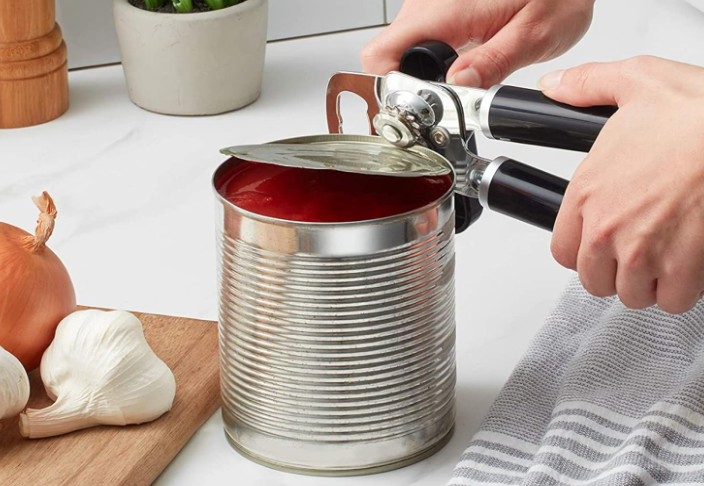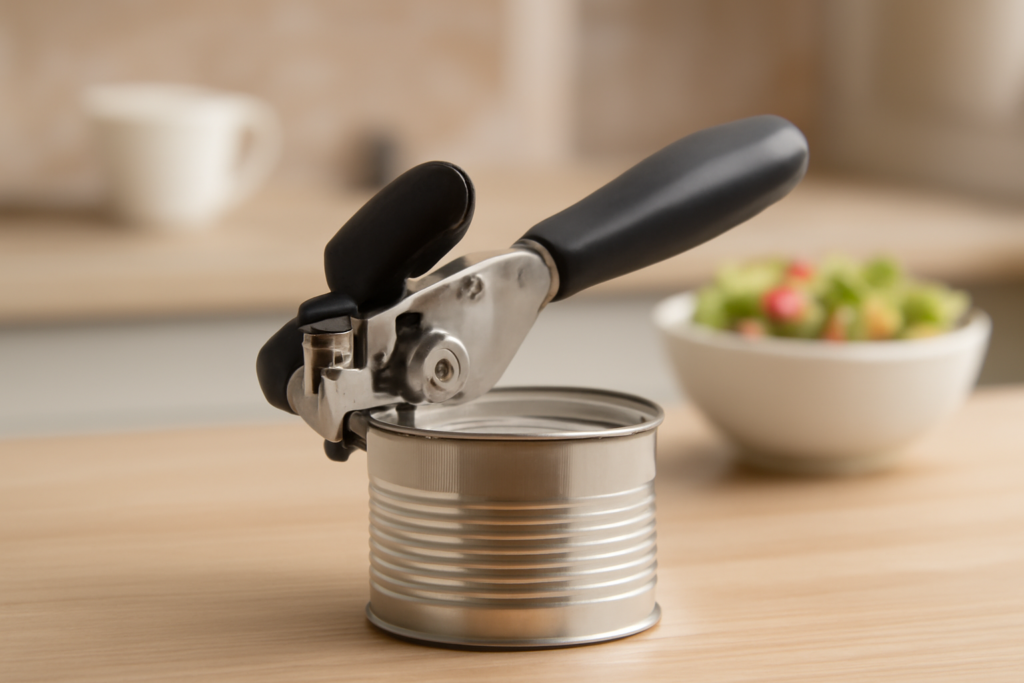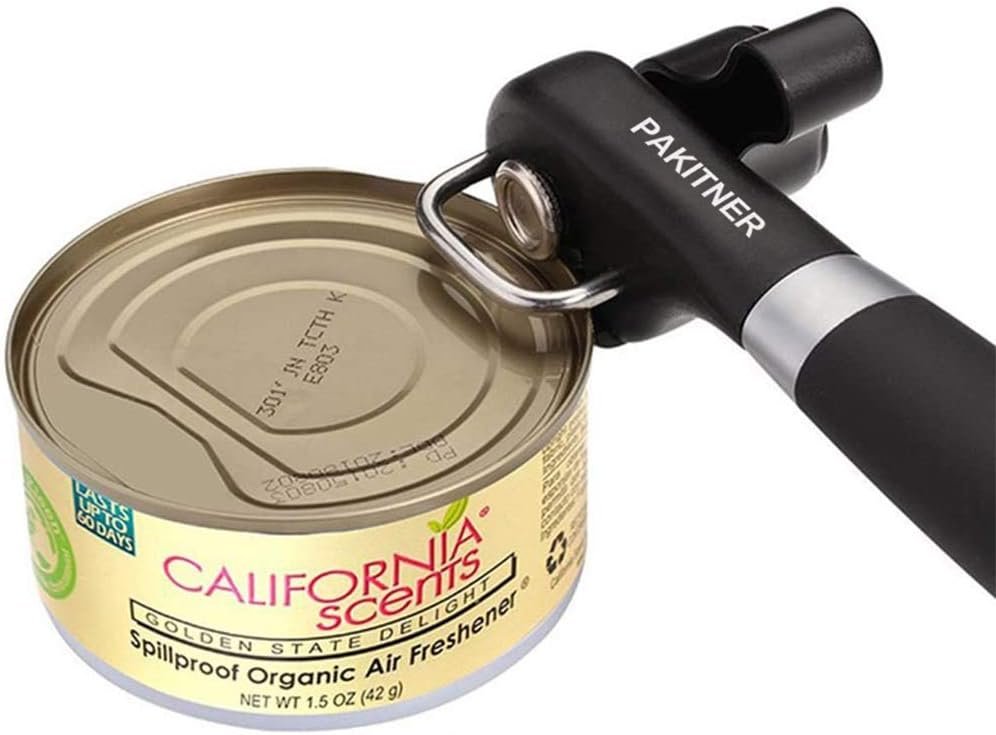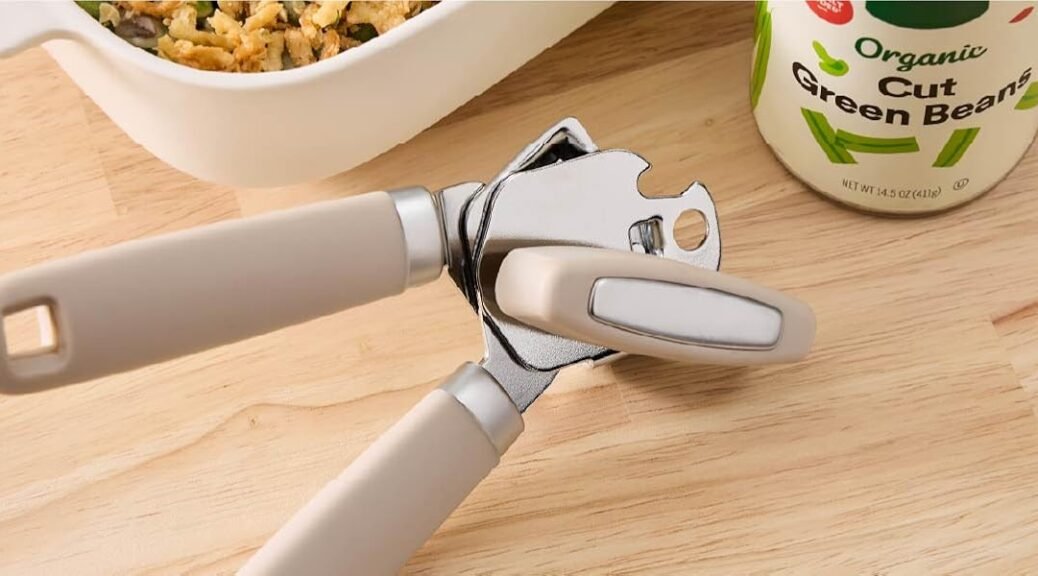
If you’ve ever struggled with a manual can opener slipping off a can lid, leaving jagged edges, or failing to cut through properly, the problem likely boils down to one critical step: incorrect positioning. For millions of Americans who rely on manual can openers for daily meal prep—from canned tuna sandwiches to chili with beans—mastering the correct way to position a can opener on a can lid is the key to safe, frustration-free use. Many people assume positioning is intuitive, but even a small misalignment can lead to accidents, wasted time, or damaged tools. Below is a detailed guide to the correct can opener positioning, including step-by-step instructions, common mistakes to avoid, and pro tips for perfect results every time.
Why Correct Can Opener Positioning Matters
Before diving into the “how,” let’s explore the “why.” Proper can opener positioning isn’t just about convenience—it’s about safety and efficiency. A misaligned can opener:
- Slips off the can lid, increasing the risk of cuts from sharp metal edges or the opener’s blade.
- Leaves incomplete cuts, forcing you to apply excessive force (which can bend the blade or damage the can).
- Creates jagged, dangerous lid edges that can tear skin when removing or disposing of the lid.
- Wastes time, as you’ll have to reposition the opener repeatedly.
- Shortens the lifespan of your can opener, as misalignment causes unnecessary wear on the blade and gears.
For standard manual can openers—the most common type in American kitchens—positioning is especially critical. Unlike electric or smooth-edge models, manual openers rely on precise contact between the blade and the … Read the rest