How Do Smooth-Edge Can Openers Work?
Imagine opening a can of soup without the familiar, jagged metal edge left behind. No sharp teeth, no risk of nicking a finger, and no wrestling with a stubborn lid. This is the quiet revolution brought to the kitchen by smooth-edge can openers. For seniors managing arthritis, weak grip strength, or limited mobility, this simple tool isn’t just a convenience—it’s a key to maintaining independence and safety in the kitchen. Understanding how these innovative openers function reveals why they are a superior choice for pain-free, secure food preparation.
The Mechanics Behind the Safety: Cutting Without the Danger
Traditional vs. Smooth-Edge: A Fundamental Difference
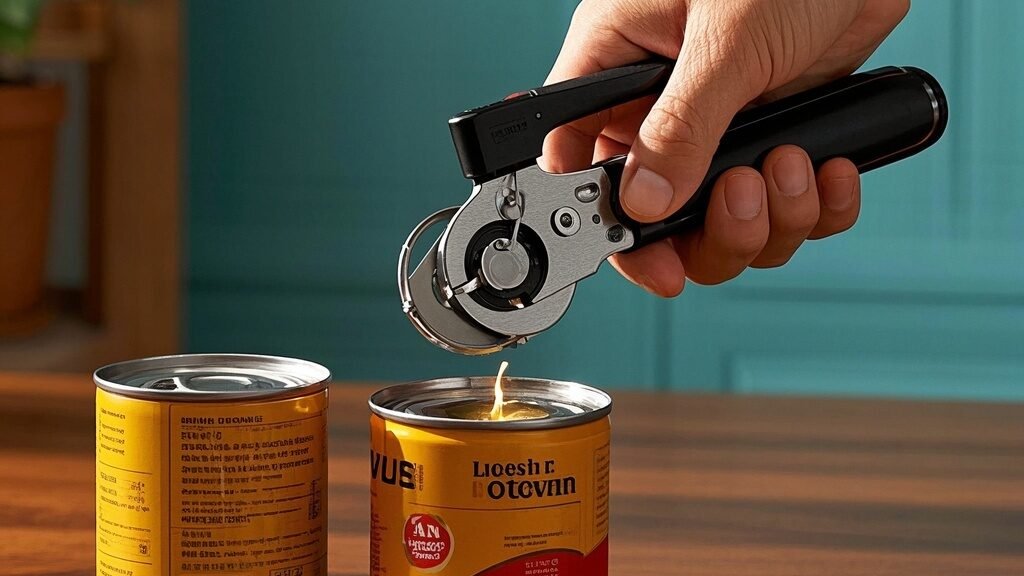
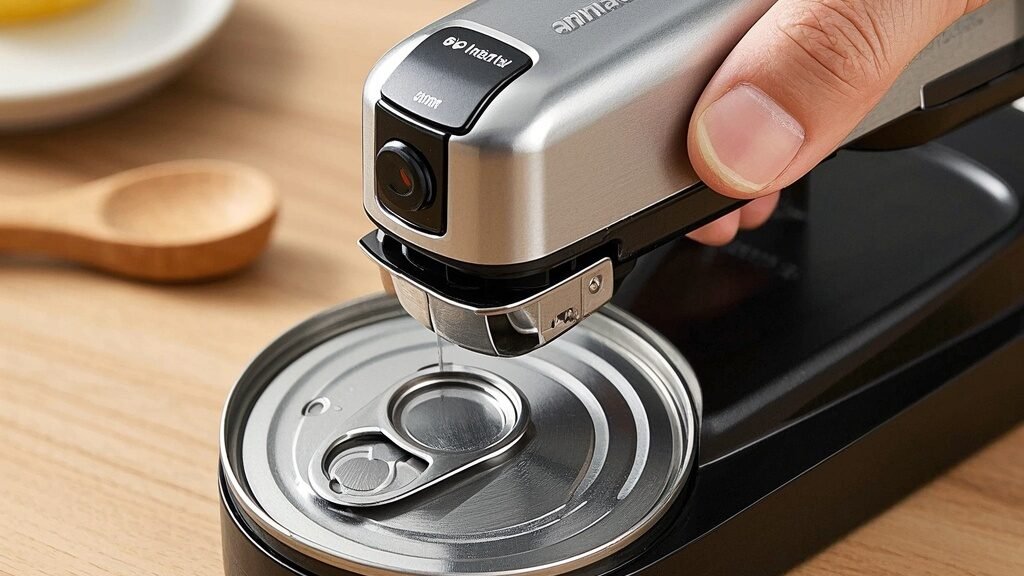
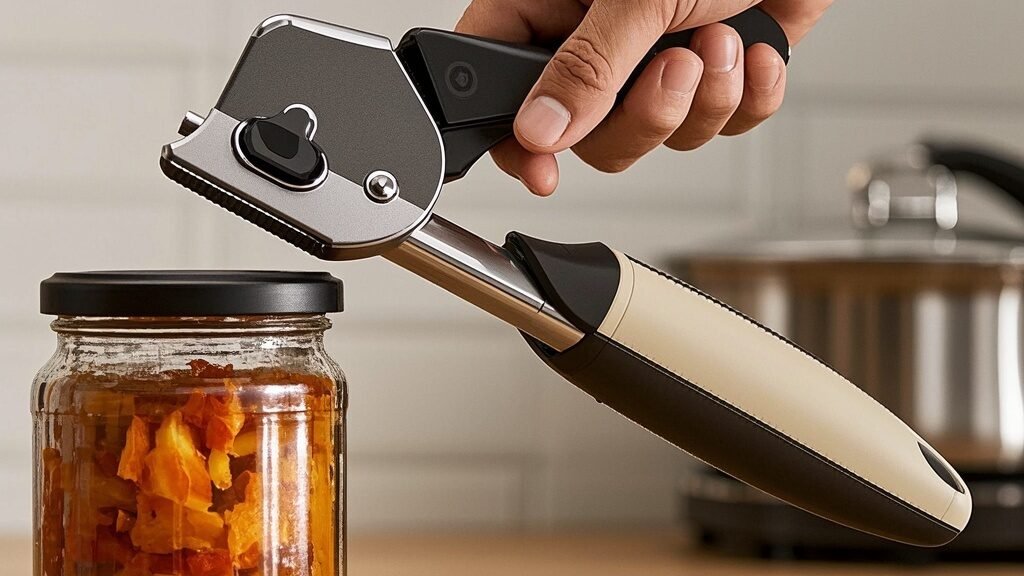
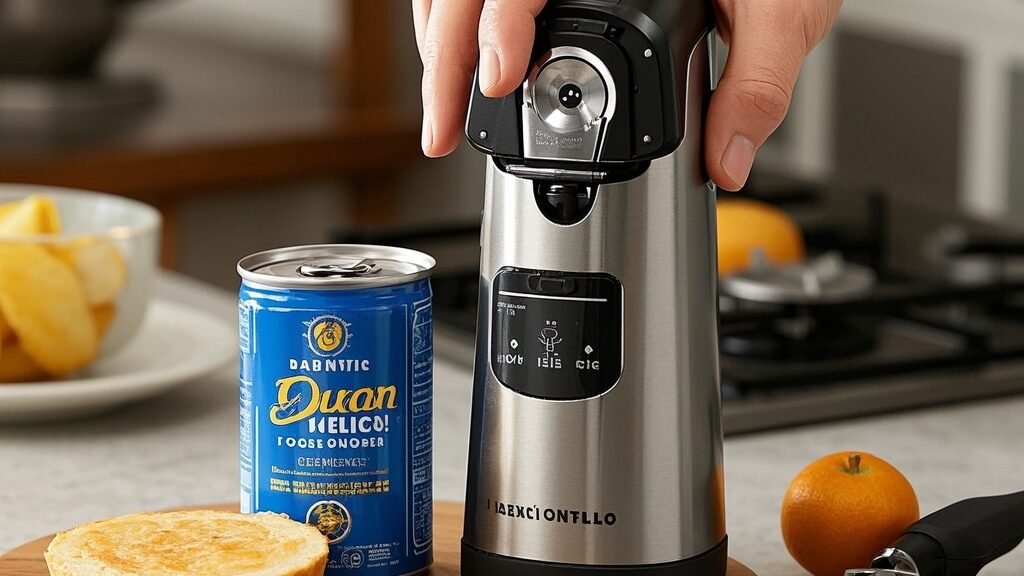
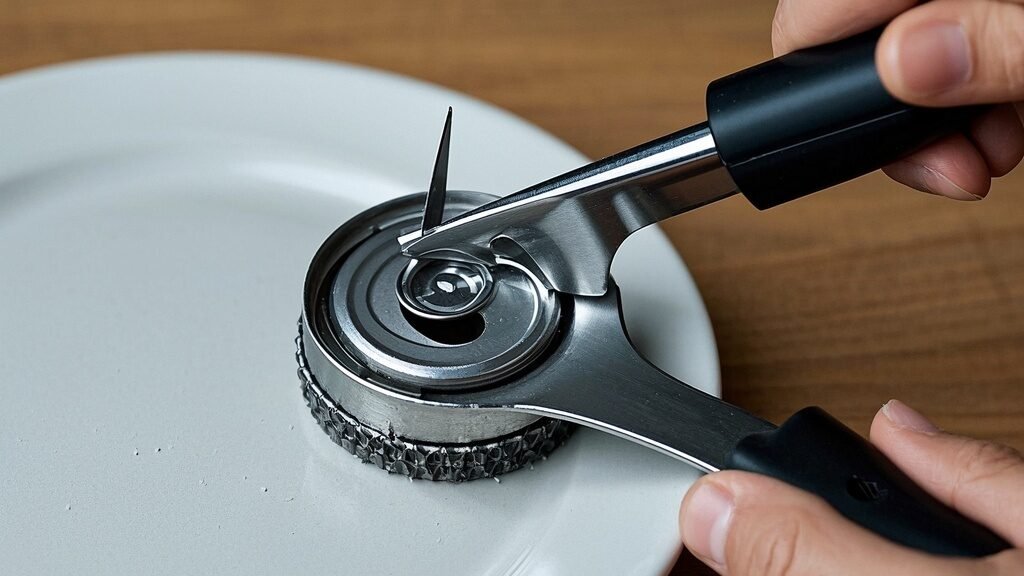
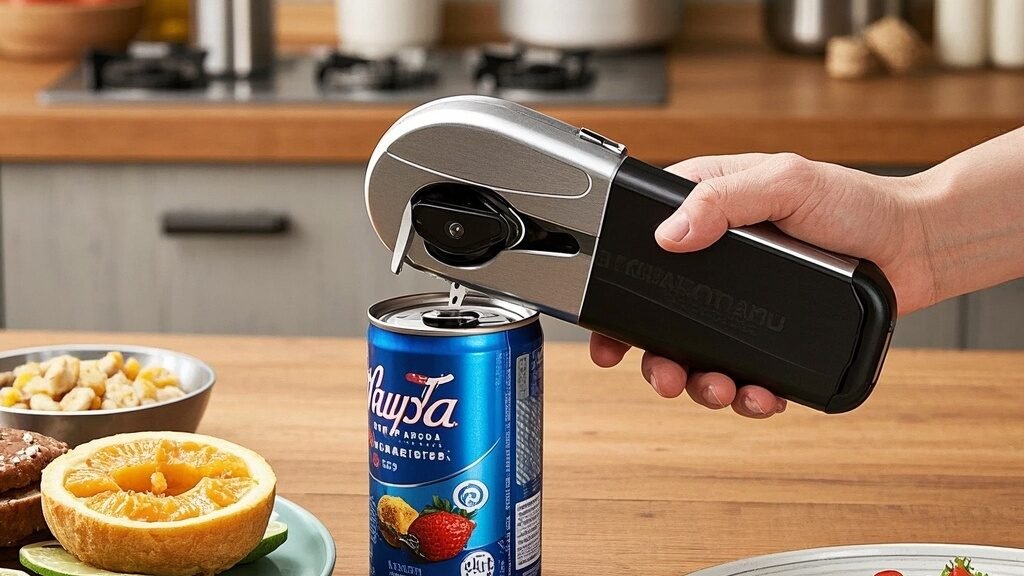
Traditional can openers use a sharp, rotating wheel or blade that cuts directly through the metal lid, leaving behind a raw, serrated edge that’s a common source of cuts. A smooth-edge can opener, often called a safety opener or side-cutting opener, operates on a completely different principle. Instead of cutting from the top, it uses a precision-ground wheel that rolls under the lid’s outer rim, cleanly separating the seal between the lid and the can body.
This process severs the lid from the can by crimping and separating the metal at its thinnest, weakest point—the factory-sealed seam. The result is a lid that lifts off smoothly, leaving a perfectly rounded, blunt edge on both the can and the lid itself. There are no sharp fragments, and your fingers never come near a cutting action. This core mechanism is what makes it an essential can opener for seniors and anyone prioritizing safety.… Read the rest