Category Archives: Product Reviews

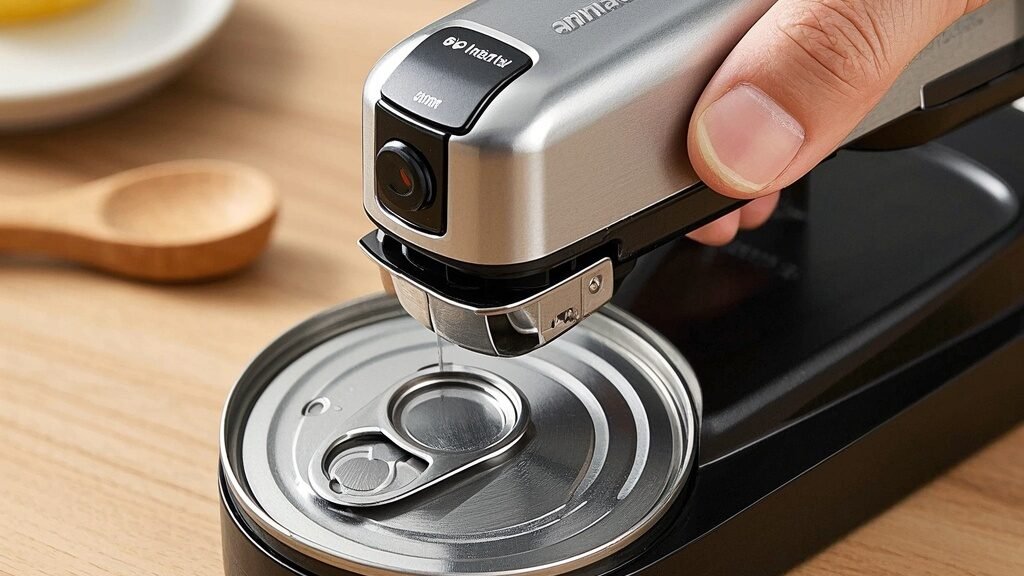
What can opener leaves no sharp edges?

What can opener leaves no sharp edges?

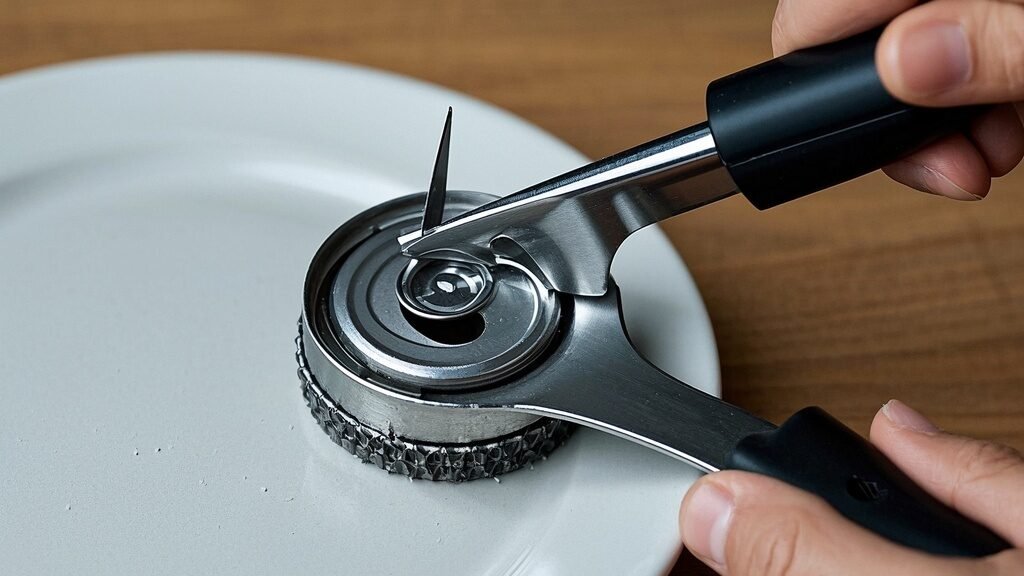
You’ve just finished prepping dinner, the final step being a can of diced tomatoes for the sauce. With a familiar *pop-hiss* and a twist of the wrist, the lid comes off. As you go to dispose of it, a razor-sharp edge catches your finger. A tiny cut, a drop of blood, and a wave of annoyance. It’s a universal, mundane frustration—one of those minor domestic grievances we’ve just accepted as part of life. But what if it didn’t have to be? What if the tool itself was designed to solve the problem it creates? This brings us to a simple yet revolutionary question: What can opener leaves no sharp edges? The answer isn’t a magic trick; it’s a fundamental shift in design philosophy, moving from merely opening to opening *safely*.

The Puncture vs. The Peel: Understanding the Mechanism

Traditional can openers work on a puncture-and-cut principle. A sharp wheel pierces the lid and then travels around the seam, shearing through the metal from above. This action leaves behind a lid and a can rim with freshly cut, often jagged, edges. It’s efficient but inherently dangerous. The innovation that changes the game operates on a different principle: the roll-and-peel. Openers like the popular side-cutting or “safety” can openers attack the problem from a new angle—literally. Instead of cutting into the top of the lid, they use a different gear and blade configuration to cut *along the side*, right under the rim. The result? The lid is removed not by a violent puncture, but by … Read the rest

Is a safety can opener worth it?

Is a safety can opener worth it?

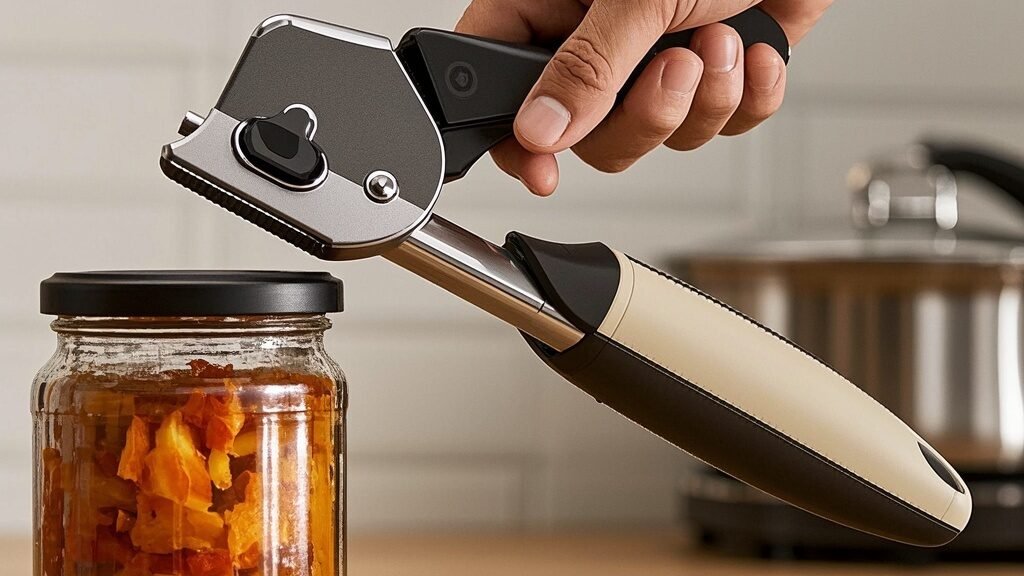
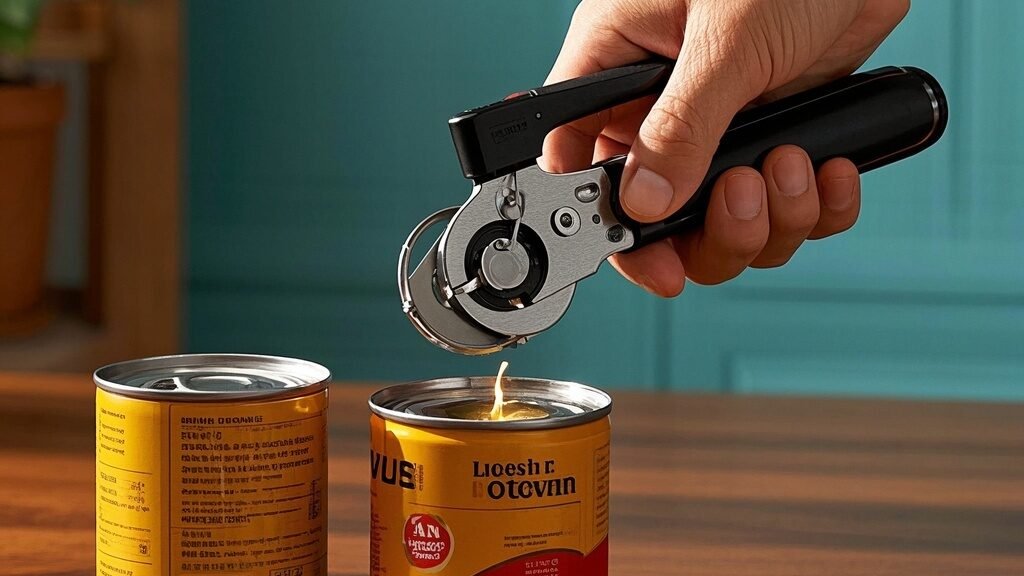
Imagine this: it’s a busy Tuesday evening, and you’re rushing to get dinner ready. You grab a can of tomatoes, fumble with the old, slightly rusty opener, and apply pressure. Suddenly, your hand slips. A sharp, jagged lid edge stares back at you, and a thin line of red appears on your finger. The minor cut is more an annoyance than an emergency, but it perfectly encapsulates a daily risk we’ve all accepted. For decades, the traditional can opener has been a kitchen staple, yet its fundamental design—creating a hazardous, sharp-edged lid—has gone largely unquestioned. This brings us directly to the modern solution: is a safety can opener worth it? It’s not just a minor upgrade; it’s a re-evaluation of a tool we use almost on autopilot, prioritizing prevention over the familiar, risky routine.

The Hidden Cost of the Classic Design

Let’s start by acknowledging what a traditional can opener actually does. It uses a cutting wheel to pierce and shear through the metal seam of the lid, leaving the detached lid with a razor-sharp perimeter. This design is effective for one job—opening the can—but fails entirely at user safety. The risks are numerous: cuts from handling the lid, accidental nicks while washing the opener itself (those trapped food particles harbor bacteria), and the danger of leaving the lid partially attached, poised to fall into the food. For households with children, seniors with less grip strength, or anyone with dexterity concerns, these aren’t just hypotheticals. The safety can opener addresses this primary flaw … Read the rest

What is the best smooth-edge can opener?

What is the best smooth-edge can opener?

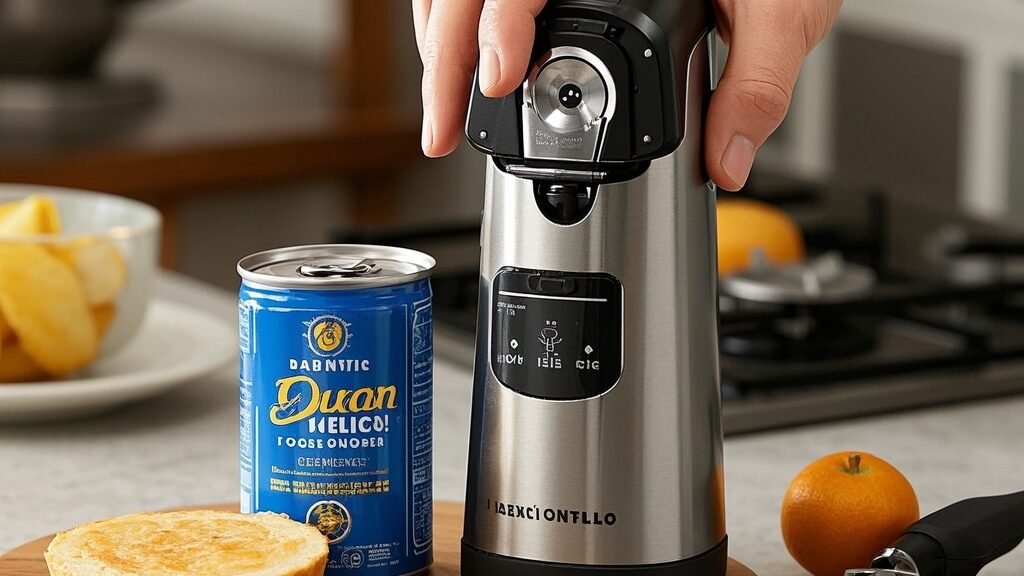
You’ve just brought home the perfect ingredients for a long-awaited homemade meal. The final step? Opening a can of crushed tomatoes. You reach for your trusty, decades-old piercing can opener. The familiar, slightly stiff rotation begins, leaving behind a jagged, sharp-edged lid and a rim of metal flecks in your sauce. As you carefully dispose of the hazardous lid and rinse the can, a thought nags: in an era obsessed with kitchen safety, efficiency, and eliminating waste, why are we still using this archaic, dangerous tool? This mundane frustration highlights the quiet revolution in a humble kitchen drawer staple: the smooth-edge can opener. Moving beyond the basic question of function, the quest for the best smooth-edge can opener becomes a search for safety, cleanliness, and modern convenience.

The Mechanics Behind the Magic: How It Works

Unlike traditional openers that pierce and cut through the metal, leaving a rough edge, smooth-edge models (often called safety or side-cutting openers) work on a different principle. They use a hardened steel wheel to grip and sever the lid *just* under the rim, at the seam where the lid is bonded to the can. This process leaves the lid with a rounded, safe edge and the can itself completely smooth. There’s no sharp metal left on either piece. The detached lid can often be placed back on top for storage, and since the cutting mechanism never touches the food, it eliminates the risk of metal shavings contaminating your ingredients. It’s a cleaner, smarter approach. However, this mechanism requires … Read the rest

Why are safety can openers recommended for seniors?

Why are safety can openers recommended for seniors?

Picture this: it’s dinnertime, and a simple task like opening a can of soup becomes a frustrating battle. Slippery hands struggle to grip a traditional opener, wrists ache from twisting, and a sharp, exposed lid waits to cut a finger. This isn’t just an inconvenience; it’s a real barrier to independence and nutrition. For many older adults, the humble kitchen can become an arena of unexpected challenges. That’s precisely why safety can openers are recommended for seniors. They aren’t merely a niche kitchen gadget but a crucial tool designed to address the physical changes that come with aging, transforming a potential hazard back into a simple, empowering task.

The Hidden Risks of a Common Kitchen Tool

Most of us don’t think twice about using a standard manual can opener. It requires a firm grip, significant wrist rotation, and decent hand strength to puncture and turn. For seniors experiencing arthritis, decreased hand strength, or reduced fine motor control, this can be painful or outright impossible. The greater danger, however, often comes after opening. Traditional openers leave a jagged, razor-sharp metal edge on both the can and the detached lid. Handling these poses a serious laceration risk, especially for those with thinner, more fragile skin or diminished sensation in their fingertips. A moment of carelessness can lead to a deep cut. A safety can opener is engineered to eliminate these specific risks, prioritizing ease of use and physical safety above all else.

Key Features That Make a Difference

So, what sets these openers … Read the rest

What Is the Best Electric Can Opener for Seniors in 2025?

What Is the Best Electric Can Opener for Seniors in 2025?

Imagine standing in your kitchen, a simple can of soup in hand. Your fingers, perhaps stiff from arthritis or weakened with age, struggle to grip a manual opener. The familiar frustration bubbles up—the slipping, the pressure, the worry about a sharp edge. This daily challenge is exactly why the search for the best electric can opener for seniors in 2025 isn’t just about convenience; it’s about reclaiming independence and safety in the kitchen. As technology evolves to become more intuitive and user-focused, today’s top models are designed not just to open cans, but to solve real, everyday problems for older adults.

Key Features That Make a Real Difference

When evaluating electric can openers for senior users, specific features move from being nice-to-haves to absolute essentials. First and foremost is ease of use. The best models offer one-touch operation, large, clearly marked buttons, and intuitive designs that don’t require a manual to decipher. Automatic stopping is crucial—once the cut is complete, the opener stops and often lifts the lid magnetically, eliminating any need to touch sharp metal. Stability is another critical factor. A heavy, non-slip base or a secure wall-mount design prevents the appliance from “walking” across the counter during use, which can be startling and unsafe. Finally, consider cleaning. A removable cutting assembly that is dishwasher-safe makes maintenance simple, encouraging hygiene and long-term use. In our testing, models that combined these features significantly reduced the physical effort and cognitive load required for the task.

Safety and Accessibility Front Read the rest

Are Electric Can Openers Worth Buying for Elderly Users?

Are Electric Can Openers Worth Buying for Elderly Users?

The simple act of opening a can of soup becomes a different challenge altogether when your hands don’t grip like they used to, when arthritis makes twisting painful, or when vision changes turn a tiny dial into a blur. For many seniors, maintaining independence in the kitchen is a deeply valued part of daily life, yet small tasks can present outsized obstacles. This is where a modern assistive tool enters the conversation, prompting a practical question: Are electric can openers worth buying for elderly users? The answer isn’t a simple yes or no, but a consideration of safety, independence, and the very real physical challenges that come with aging.

The Case for Independence and Safety

For an elderly user, the primary value of an electric can opener transcends mere convenience; it’s about empowerment and risk reduction. Manual openers require significant hand strength, precise wrist action, and firm grip to puncture and rotate the can. Conditions like arthritis, Parkinson’s tremors, or reduced dexterity can make this process difficult, frustrating, and even dangerous. Slippery hands can lead to cuts from sharp lids or the opener itself. An electric model operates with the press of a single, often large, button. It does the hard work of gripping and rotating the can automatically, eliminating the twisting motion and much of the physical strain. This not only preserves energy but also minimizes the risk of injury. The regained ability to easily access canned goods—a pantry staple for easy meals—can significantly boost a senior’s confidence and sense … Read the rest

Which Electric Can Opener Is Easiest to Use with Weak Hands?

Which Electric Can Opener Is Easiest to Use with Weak Hands?

Imagine standing in your kitchen, staring at a simple can of soup. For many, it’s a minor task. But if you have arthritis, limited grip strength, or tremors, that metal cylinder becomes a fortress. The familiar struggle with a manual opener—twisting, pressing, applying torque—can turn a moment of independence into one of frustration or even pain. In a world where kitchen tools are increasingly designed for universal access, finding tools that return autonomy is key. This search often leads to one pivotal question: which electric can opener is easiest to use with weak hands? The answer isn’t just about power; it’s about thoughtful design that minimizes physical demand while maximizing reliability and safety.

Core Features That Make a Real Difference

Not all electric openers are created equal when dexterity is a concern. The easiest-to-use models share specific, user-friendly engineering. First, look for one-touch operation. The best units require a single, gentle press on a large, accessible button to start and stop the magnetized cutting process. There’s no need to hold the button down, which is crucial for hand fatigue or finger weakness. Second, automatic lid removal is non-negotiable. A strong magnet holds the lid and lifts it away completely after cutting, eliminating the need to pry off a sharp edge with shaky fingers. Third, consider the loading mechanism. Side-cutting openers where you simply “hook” the can under a guide arm are far easier than top-loading models that require precise alignment and downward pressure. Finally, a stable, non-slip Read the rest

What Electric Can Opener Is Best for Arthritis Sufferers?

What Electric Can Opener Is Best for Arthritis Sufferers?

For many, opening a can is a minor, two-second task. But for the nearly 59 million adults in the U.S. with arthritis, that simple twist of a wrist or the pressure required to grip and puncture a lid can range from deeply uncomfortable to utterly impossible. The pain, stiffness, and weakness in hands and wrists transform daily kitchen independence into a series of frustrating obstacles. This is where the right kitchen tool becomes more than a convenience—it becomes a key to autonomy and comfort. Identifying what electric can opener is best for arthritis sufferers isn’t just about features; it’s about restoring ease and dignity to a fundamental daily act. The best models specifically address limitations in grip strength, manual dexterity, and pain tolerance.

Key Features That Make a Real Difference

Not all electric can openers are created equal, especially when arthritis is a factor. The primary goal is to minimize physical effort and maximize stability. First, look for one-touch automatic operation. The ideal opener requires just a single, gentle press of a large, raised button to both start and stop the process. This eliminates the need to hold down a lever or button throughout the cycle, which can be taxing for weak or painful fingers. Next, consider the magnetized lid holder. A strong magnet that securely lifts and holds the cut lid away from the can is crucial. It removes the dangerous need to pry off a sharp lid with fingers or a utensil, a common pain point and … Read the rest

Are Electric Can Openers Safer Than Manual Can Openers?

Are Electric Can Openers Safer Than Manual Can Openers?

Imagine it’s a busy weeknight. You’re preparing dinner, one hand stirring a pot, the other wrestling with a stubborn can of tomatoes. You apply pressure, the manual opener slips, and a sharp, jagged lid edge stares back at you—a small but real moment of risk in an ordinary task. This common kitchen friction point leads many to wonder about a modern alternative. At the heart of this dilemma is a straightforward question: Are electric can openers safer than manual can openers? The answer isn’t a simple yes or no, but a balance of convenience, design, and understanding where true risks lie.

The Safety Mechanics: How Each Design Operates

Let’s break down how each type works from a safety perspective. A traditional manual opener, whether a classic twist model or a side-cutting “smooth edge” version, requires direct physical force and control from the user. Your hands are close to the cutting action. The primary risks here are slips leading to cuts from the sharp lid or can edges, and the potential for strain if you have limited hand strength or arthritis. The newer manual safety openers that leave smooth lids are designed to address the cut risk, but they still demand user strength and stability.

An electric can opener, in contrast, automates the cutting process. You typically align the can, press a lever or button, and the machine does the work, magnetically holding the lid away once cut. The immediate safety advantages are clear: your fingers never touch the cutting blade or … Read the rest

Do Electric Can Openers Work on All Can Sizes?

Do Electric Can Openers Work on All Can Sizes?

Imagine it’s a busy weeknight. You’re halfway through preparing dinner, your hands are slick with olive oil, and you reach for a can of chickpeas to finish your recipe. It’s one of those tall, slim cans—nothing out of the ordinary. You place it under your trusty electric can opener, press the lever, and instead of the satisfying hum of a clean cut, you hear a disconcerting grind or, worse, nothing at all. A moment of modern kitchen frustration. This common hiccup leads directly to our core question: do electric can openers work on all can sizes? The short answer is: most, but not all. While these devices are marvels of convenience, their “one-size-fits-all” promise has some very specific, physical limitations dictated by design, mechanics, and the surprising variety hiding in your pantry.

The Mechanics Behind the Magnet: How Design Dictates Function

To understand the limits, we need to peek under the hood. A standard electric can opener typically operates with a drive wheel that grips the underside of the can’s rim and a cutting wheel that pierces and slices the lid. The key factor is the adjustable clamping mechanism—often a spring-loaded arm or a sliding carriage—that moves to accommodate different can diameters. For the vast majority of standard cans, from a small 5.5-ounce tomato paste can to a large 16-ounce soup can, this system works flawlessly. The opener adjusts, grips firmly, and cleanly removes the lid. However, the mechanism has a minimum and maximum jaw span. According to manufacturer specifications, … Read the rest