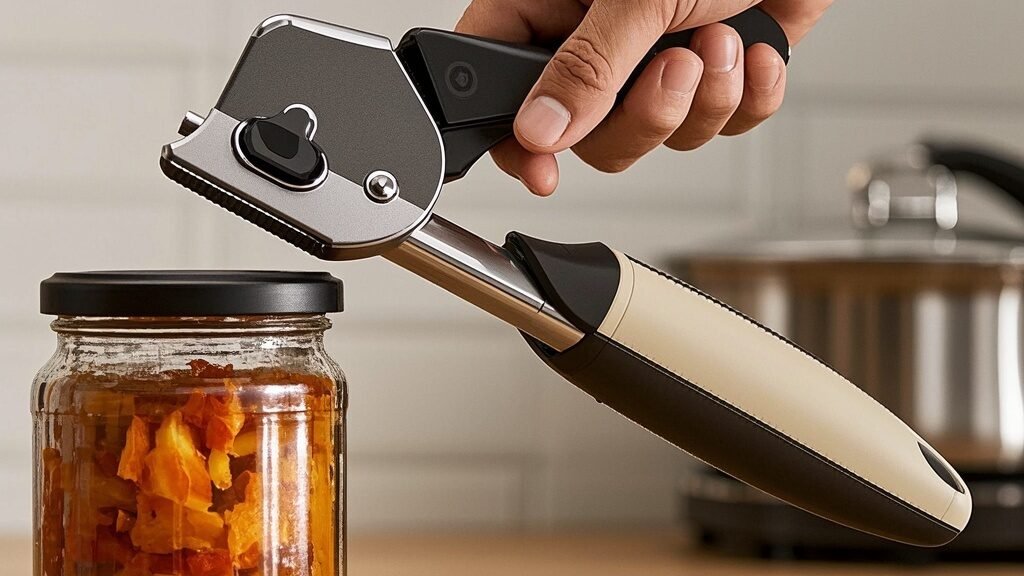
Are Cordless Electric Can Openers Better Than Plug-In Models?
Picture your kitchen during meal prep: ingredients are laid out, the pan is heating, and you reach for that last can of tomatoes. With a plug-in opener, you’re scanning for an outlet, managing a cord, and positioning the base just right. It’s a small task, but in a busy kitchen, these micro-frictions add up. This is where the debate between cordless and plug-in electric can openers becomes more than just about convenience—it’s about reimagining a mundane tool for modern living. Choosing the right model can subtly transform your kitchen workflow. So, which type truly earns its counter space? Are cordless electric can openers better than plug-in models? The answer isn’t a simple yes or no; it depends entirely on how you cook, where you store your gadgets, and what you value most in a helper.
Performance and Real-World Use
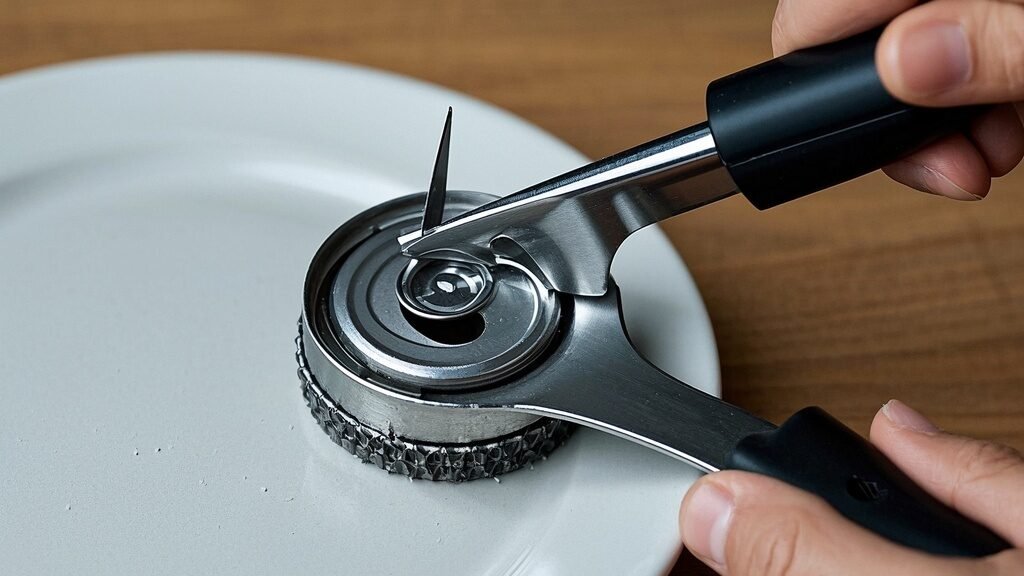
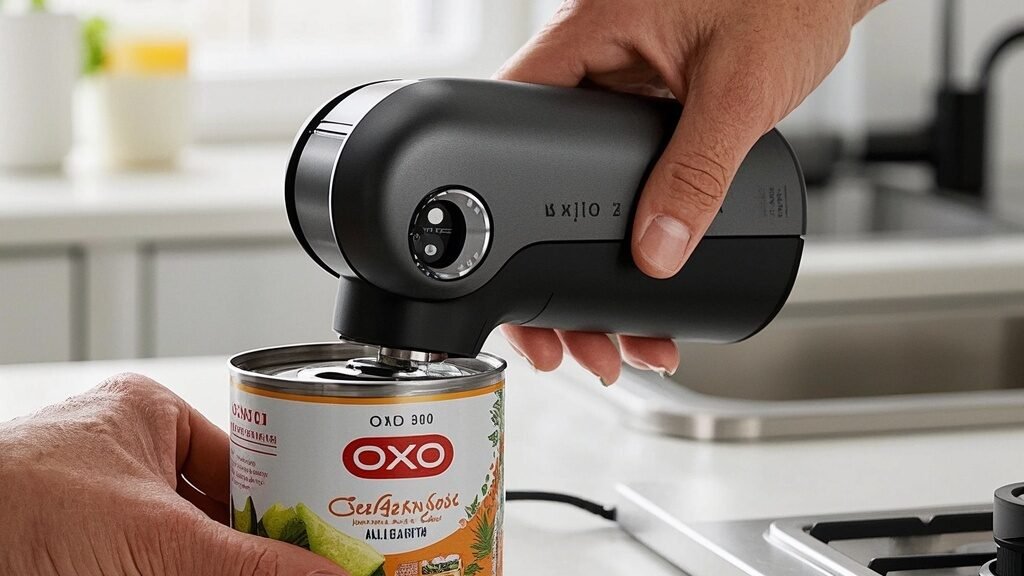
Let’s talk about what both types do identically well: they open cans reliably, saving you wrist strain and inconsistency. The core performance difference lies not in the cutting but in the setup. A plug-in model is virtually always ready to go, offering consistent power as long as it’s plugged in. There’s no battery to deplete mid-task. However, it tethers you to an outlet. This can be problematic on crowded countertops or islands with limited plug access. You might need to lift a heavy appliance or awkwardly drag it to the edge.
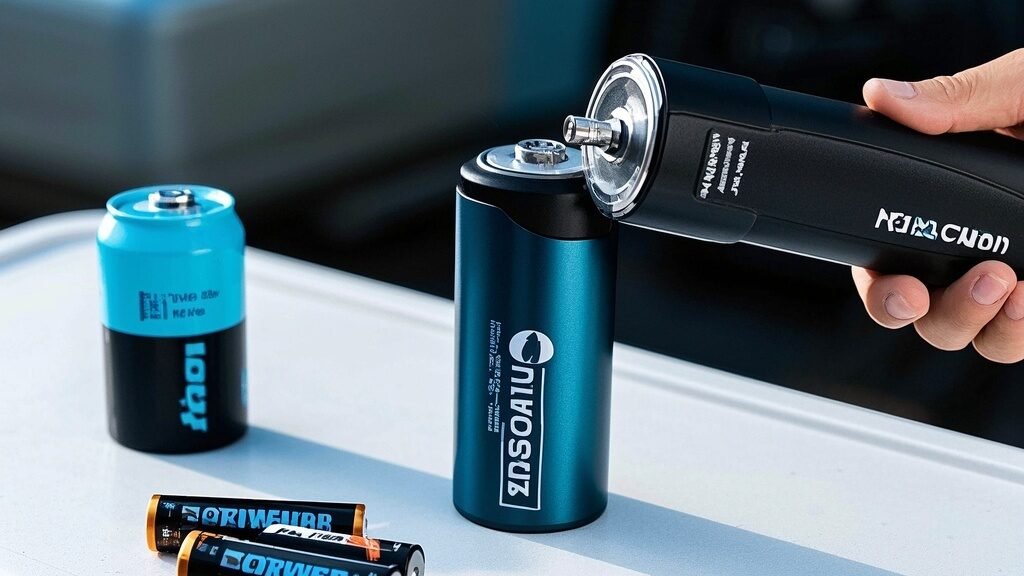
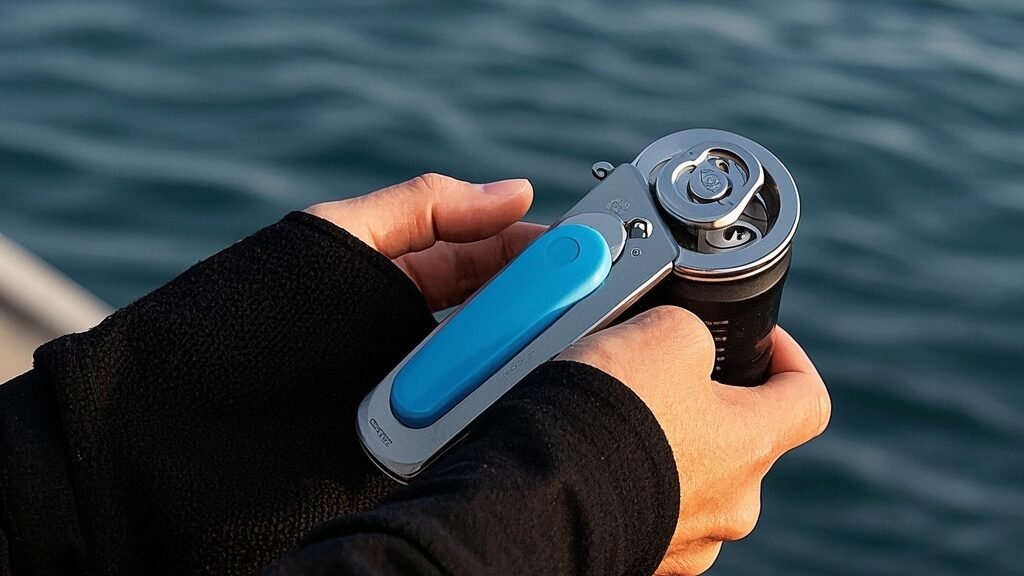
A cordless opener, powered by rechargeable batteries, offers complete freedom of placement. You can use it anywhere—on the counter, over a … Read the rest