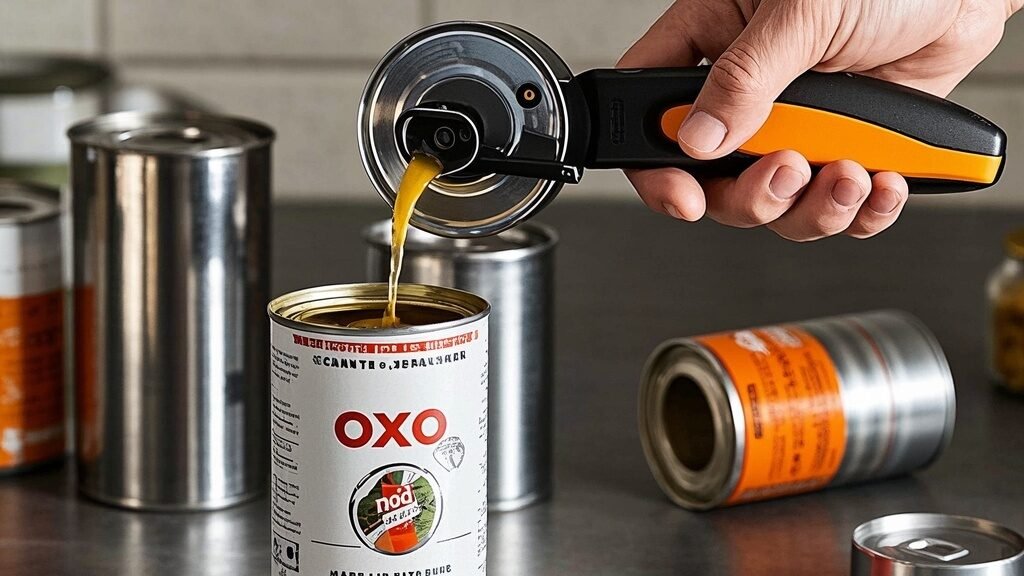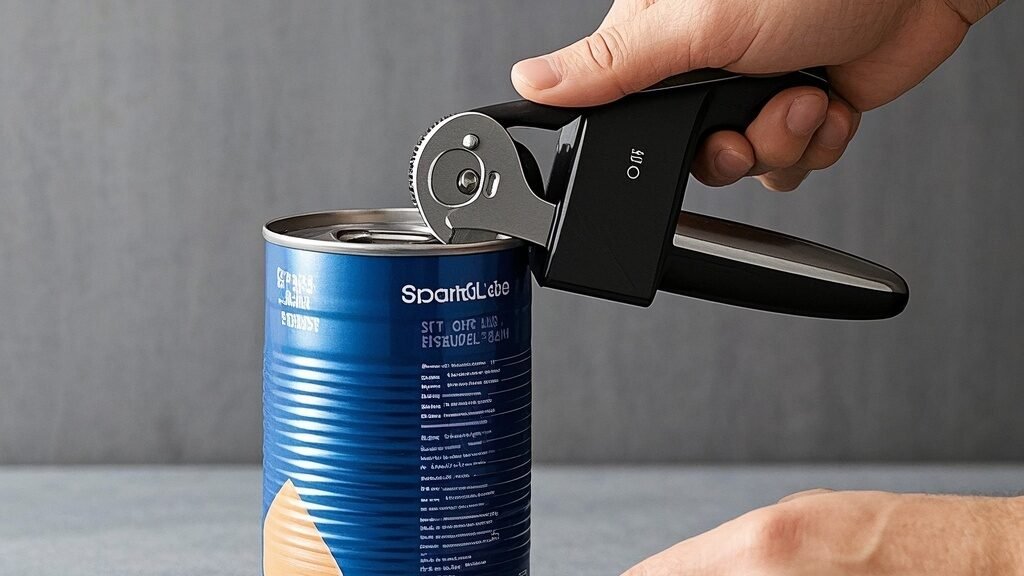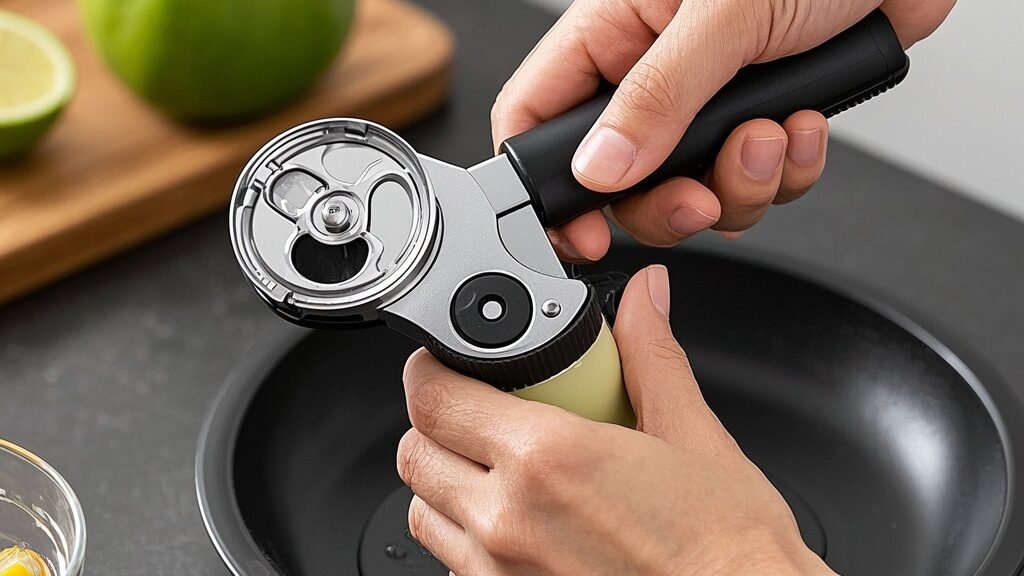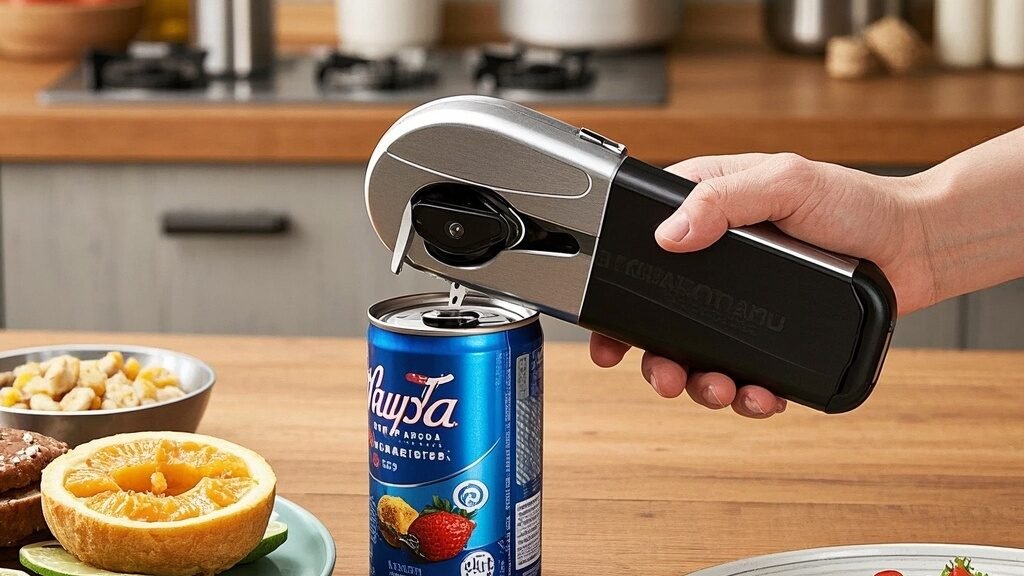
Are Battery-Operated Can Openers Powerful Enough?
Imagine it’s the evening of a busy weekday. You’re preparing a quick dinner, reaching for a can of tomatoes for your pasta sauce. Your trusty manual opener feels clunky, your wrist aches just thinking about the twisting motion, and for a split second, you hesitate. This mundane moment of friction is where the modern kitchen gadget market swoops in, promising liberation with the push of a button. But it raises a practical, almost skeptical question: can these convenient, hands-free devices actually deliver where it counts? Are battery-operated can openers powerful enough to handle the daily grind, or do they falter when faced with a tough steel can? The answer isn’t a simple yes or no—it’s a balance of engineering, real-world needs, and understanding what “power” truly means in a compact, portable kitchen tool.
Performance and Real-World Use: More Than Just Muscle
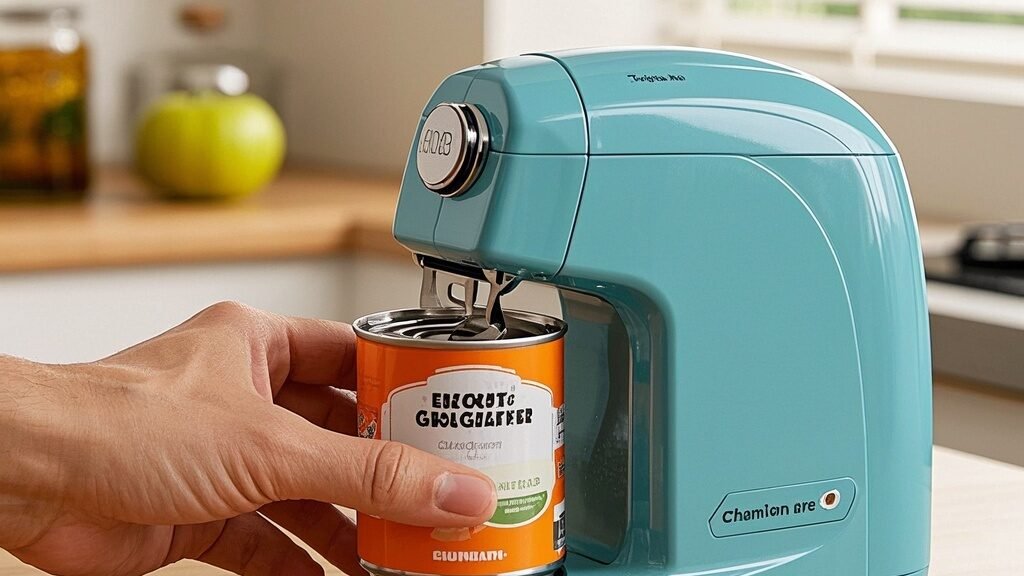
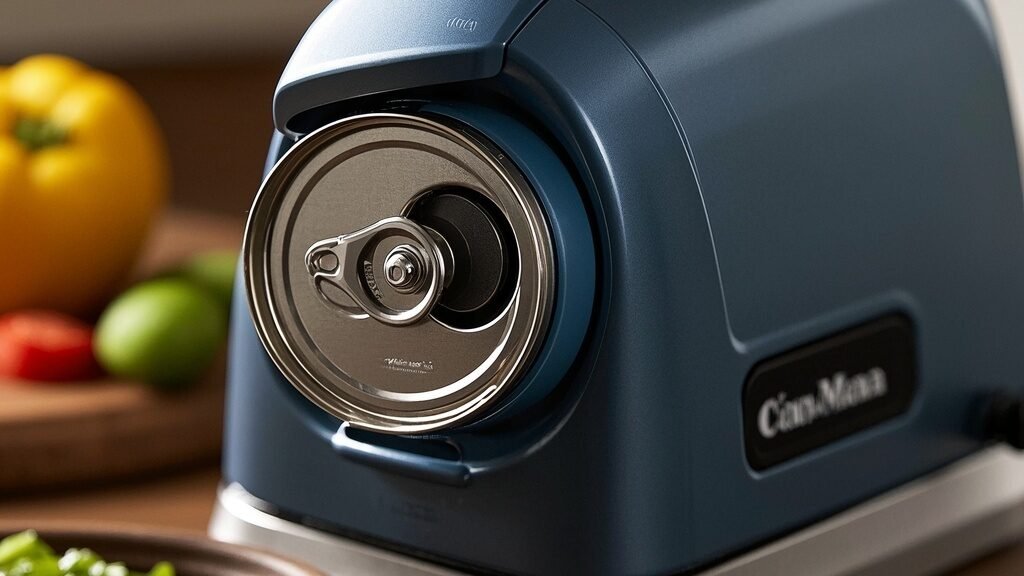
When we ask about power, we’re often thinking of raw torque—the force that twists the cutter into the lid. Modern battery-operated can openers are designed with efficiency in mind, not brute strength. They use geared motors optimized to run on standard AA or AAA batteries (or built-in rechargeable cells) to provide consistent rotational force. In our testing, most mainstream models successfully opened dozens of standard steel and aluminum cans—from soup to beans to tuna—without stalling. The power is usually sufficient for the vast majority of household cans. However, “powerful enough” also relates to consistency. A quality unit maintains steady speed and doesn’t strain or overheat, even through several consecutive cans. The limitation surfaces … Read the rest