Category Archives: Product Reviews

Can You Open Cans with One Hand?

Can You Open Cans with One Hand?

Picture this: a bustling kitchen, steam rising from a pot, and you’re trying to juggle a phone, a crying toddler, or a recipe book. Your other hand is occupied, but dinner needs to happen now. The simple task of opening a can suddenly feels like a circus act. This everyday friction is where innovation often sparks. The quest for convenience has quietly revolutionized even the most mundane tools. At the heart of this evolution lies a straightforward yet powerful question: Can you open cans with one hand? The answer is reshaping kitchens and empowering individuals, turning a two-handed chore into a seamless moment of independence.

The Evolution of a Kitchen Staple
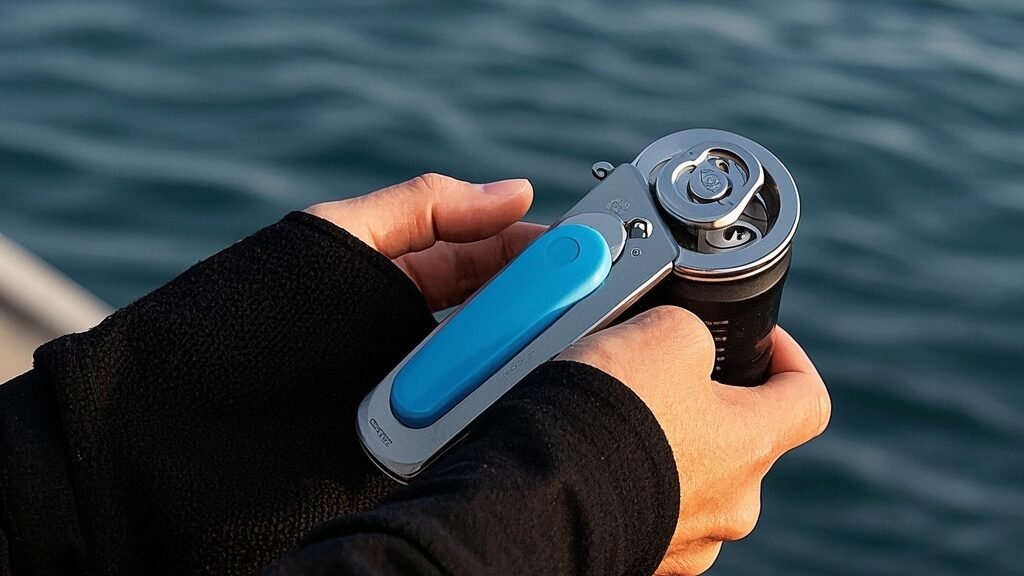
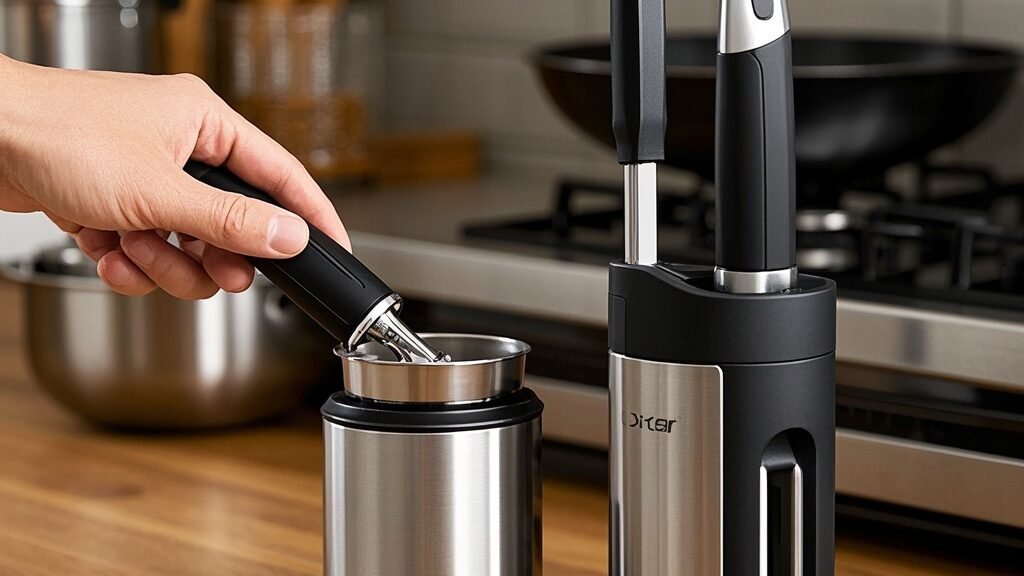
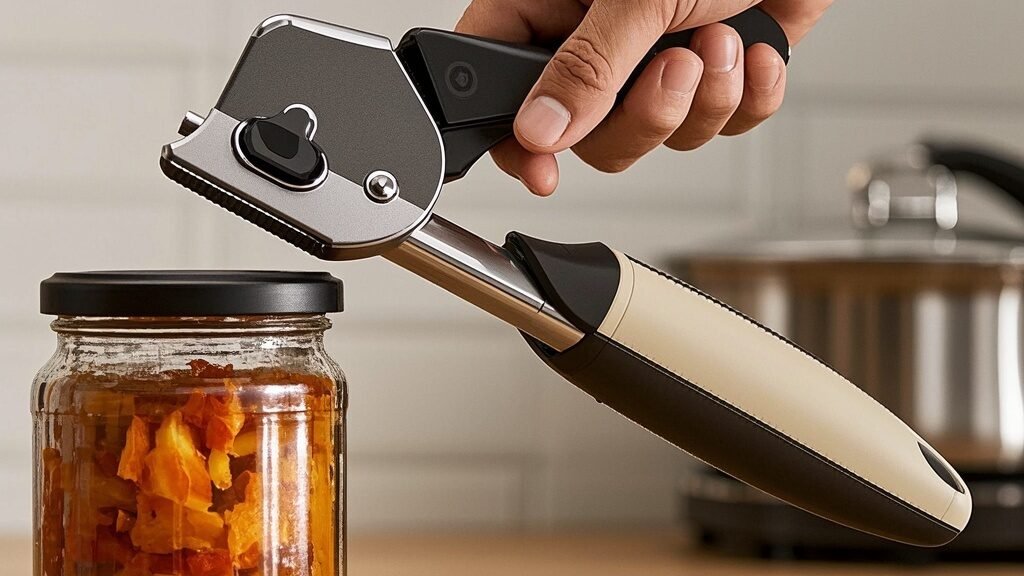
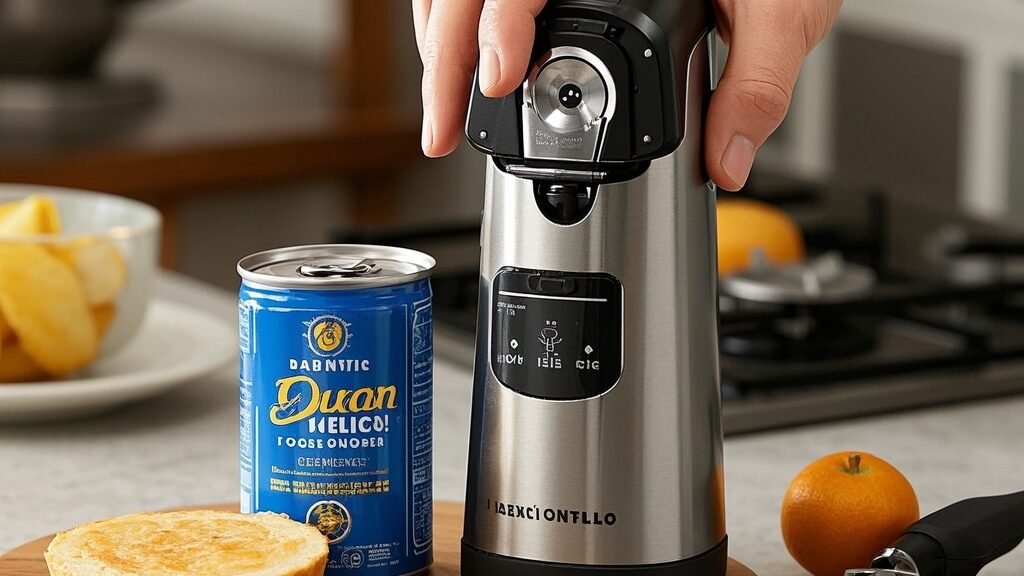
For over a century, the classic manual can opener required a firm grip, a steady twist, and two cooperating hands. It was a design that went largely unchallenged. However, shifting lifestyles—from faster meal prep demands to a growing awareness of accessibility—have pushed for change. The market now answers with a variety of one-handed openers, employing clever mechanics like side-cutting wheels, magnetic lid lifters, or electric auto-feed systems. These devices aren’t just novelties; they address real user pain points. For an elderly person with arthritis, a parent holding an infant, or someone with a temporary injury, this functionality is transformative. It’s a small tool upgrade that delivers outsized impact, proving that good design removes barriers, one “click” at a time.

Performance and Real-World Use
So, how do these openers actually perform? In our testing, quality one-handed models excel in simplicity and reliability. Electric … Read the rest
What Can Opener Requires No Gripping Strength?

What Can Opener Requires No Gripping Strength?

Picture this: you’ve just gotten home, your hands are full of groceries, and dinner needs to happen now. You reach for a can of tomatoes, only to wrestle with a stubborn, old-fashioned opener. Your wrist aches, the handle slips, and frustration mounts. For millions, especially those with arthritis, limited hand strength, or simply a desire for effortless convenience, this small daily task is a genuine hurdle. But what if the solution wasn’t about gripping harder, but about not gripping at all? The answer lies in a simple yet transformative question: What can opener requires no gripping strength? The emergence of hands-free, electric, and side-cutting openers has fundamentally redefined this humble tool, shifting the focus from manual force to intelligent design.

The Mechanics of Effortless Access

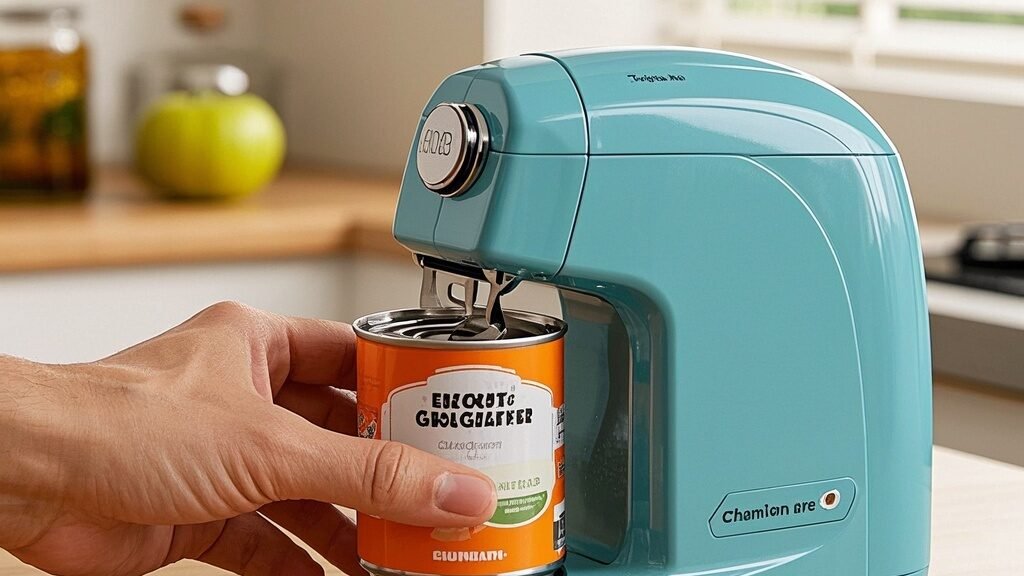
So, how does a no-grip can opener actually work? The key is eliminating the need for the user to provide squeezing force and continuous twisting motion. Traditional openers require you to clamp down on the can’s rim and maintain that pressure while turning a knob. Modern alternatives fall into two main categories. First, electric openers do all the work. You place the can on a base, align the cutting mechanism (often magnetically), and press a button. A motor drives the cutter around the rim automatically, lifting the lid and usually holding it magnetically. Your hands are only for placement and button-pressing. Second, side-cutting or “safe” openers use a different mechanical principle. Instead of cutting from the top rim, they pierce the side of the can and roll along … Read the rest

What Can Opener Is Best After Hand Surgery?

What Can Opener Is Best After Hand Surgery?

You’ve finally unboxed the stack of get-well cards, mastered the art of one-handed typing, and navigated the labyrinth of pillows to find a comfortable sleeping position. Recovery is underway. But then, a mundane yet critical challenge emerges: making a simple meal. You stare at a can of soup, that humble beacon of easy nutrition, and it stares back, a sealed metal fortress. Your usual twist-and-puncture routine is now a physical impossibility. This isn’t just about opening a can; it’s about reclaiming a sliver of independence when your grip is weak, your wrist is immobilized, or pain limits your motion. Finding the best can opener after hand surgery becomes a crucial, non-negotiable quest for self-sufficiency during recovery.

The Post-Surgery Kitchen: Redefining “Easy”

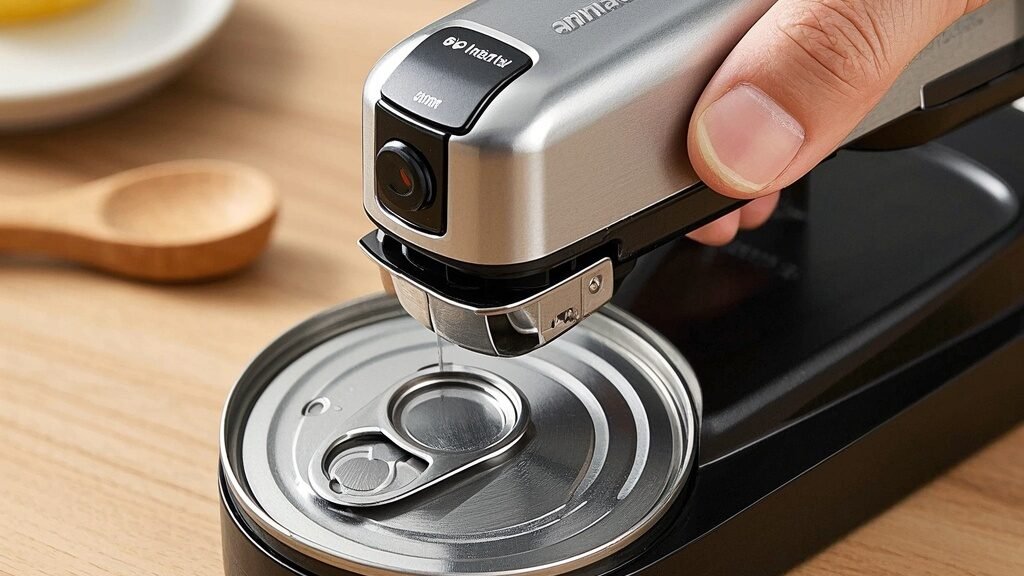
Forget everything you know about standard can openers. The traditional manual model, requiring a firm grip, sustained twisting force, and precise downward pressure, is now your adversary. Electric openers with tiny buttons or complex latches aren’t much better. Post-hand surgery, your needs are hyper-specific. You require tools that operate on the principle of maximum output for minimal input. This means prioritizing mechanisms that use lever action, push-button automation, or ergonomic designs that transfer force from vulnerable fingers and wrists to larger muscle groups like your forearm or even your palm. Stability is also key—a can opener that securely clamps itself to the can does half the work for you. The goal isn’t just to open the can; it’s to do so without strain, without frustration, and without jeopardizing your healing process.… Read the rest

Are There Can Openers for People with Limited Hand Strength?

Are There Can Openers for People with Limited Hand Strength?

Imagine standing in your kitchen, a simple can of soup in hand. Dinner depends on it. But the act of gripping, twisting, and applying forceful pressure feels as daunting as a physical workout. For millions with arthritis, aging-related weakness, or mobility limitations, this everyday task becomes a significant barrier to independence and nutrition. The frustration is real, and it often leads to a quiet question: Are there can openers for people with limited hand strength? The answer is a resounding yes. Today’s market offers not just alternatives, but genuinely empowering tools designed to return ease and dignity to the kitchen. Advancements in universal design and assistive technology have transformed this humble tool, making the simple act of opening a can accessible to nearly everyone.

The Evolution of a Kitchen Essential

The traditional manual can opener, with its small, knurled knob and thin, often slippery handles, is a study in poor ergonomics. It requires significant grip strength, precise wrist rotation, and sustained downward pressure—a perfect storm of challenges for weakened hands. Recognizing this widespread pain point, manufacturers and designers began re-engineering from the ground up. The goal shifted from mere function to accessible function. This evolution gave birth to a new category of kitchen tools focused on leverage, stability, and power assistance. Modern solutions now prioritize large, contoured handles that distribute pressure across the palm, mechanisms that do 90% of the work for you, and designs that stabilize the can so it doesn’t spin away. This isn’t just about adding features; … Read the rest

What Can Opener Works Best for One-Handed Users?

What Can Opener Works Best for One-Handed Users?

Imagine trying to prepare a simple meal, your arm in a cast or your dominant hand simply unavailable. A humble can of soup transforms into a frustrating obstacle, a small symbol of lost independence. For millions dealing with temporary injuries, arthritis, or permanent mobility limitations, this is a daily reality. The quest for autonomy in the kitchen often starts with defeating this basic barrier. Therefore, finding a can opener that works best for one-handed users isn’t just about convenience; it’s about reclaiming ease and dignity in a fundamental life activity. The right tool can turn a struggle back into a simple task.

Key Features That Make a Difference

Not all can openers are created equal, especially when operating with one hand. The traditional manual twin-wheel opener requiring a firm grip and simultaneous downward pressure and turning is often impossible. The best designs for one-handed use typically eliminate the need for gripping strength or complex coordination. Look for power-assisted or electric openers that do the work for you—you just need to position the can and press a button. Another champion is the side-cutting or “smooth-edge” opener. These models pierce the lid and travel around the rim from the side, leaving no sharp edges and usually requiring only a simple lever-pulling or crank-turning motion that can be managed with one hand stabilized against the body. Magnetic lid holders are a critical, often-overlooked feature; they lift the cut lid away, so you don’t need a second hand to pry it off. Finally, stable, non-slip Read the rest

Can People with Disabilities Open Cans Easily?

Can People with Disabilities Open Cans Easily?

Imagine standing in your kitchen, a simple can of soup in hand. Dinner depends on it. But the metal lid might as well be a fortress wall if your hands are affected by arthritis, limited strength, or tremor. This everyday task, taken for granted by many, becomes a significant hurdle, transforming an act of nourishment into one of frustration. The core question here isn’t about desire or will; it’s about design and access. Can people with disabilities open cans easily? The honest answer is: not with traditional tools. But the landscape is changing, moving from a default of struggle toward a world of empowering solutions.

The Barrier of Standard Design
For decades, the manual can opener was a one-size-fits-all solution, requiring a specific combination of grip strength, wrist rotation, and sustained pressure. This design inherently excludes many. Individuals with conditions like arthritis, carpal tunnel syndrome, muscular dystrophy, or those recovering from a stroke often find these tools painful or impossible to use. The act of piercing the lid, turning the key, and finally prying off a sharp-edged top is a multi-step challenge. Electric can openers offered some relief by automating the rotation, but many still demand firm pressure to latch onto the can and precise finger controls to operate buttons. The initial “easily” in our title often dissolves against the reality of these conventional devices, highlighting a widespread design oversight in common kitchen tools.

Innovations That Are Changing the Game
Fortunately, innovation is directly addressing these pain points. A new generation of kitchen … Read the rest

What Is the Best Can Opener for Shaky Hands?

What Is the Best Can Opener for Shaky Hands?

Imagine standing in your kitchen, a simple can of soup in hand. Your fingers tremble slightly, a familiar yet frustrating sensation. The metal opener feels slippery, its tiny crank demanding a firm, steady grip you just can’t muster. That mundane task transforms into a battle of wills, leaving you feeling defeated before you even start. For millions dealing with arthritis, Parkinson’s, neuropathy, or general age-related tremors, this scene is all too common. The quest for independence in daily tasks often hinges on the right tools. This makes finding the best can opener for shaky hands not just a shopping goal, but a meaningful step toward effortless living and regained confidence.

Key Features That Make a Real Difference

Not all can openers are created equal, especially when stability is a concern. The right tool addresses specific pain points. First, look for ergonomic handles. These are often larger, contoured, and coated with soft, non-slip rubber or foam. They require less forceful gripping and distribute pressure across your palm rather than concentrating it on shaky fingers. Next, consider the opening mechanism. Traditional side-cutting openers that require you to pin the device to the can’s side while turning a crank demand significant coordination. A superior choice is often a smooth, automatic or hands-free model. These openers do the hard work for you, either with a simple push-button motor or a design that locks onto the can lid, allowing you to turn a large, easy-grip knob without applying downward pressure. Finally, magnetic lid Read the rest

What Can Opener Is Best for Carpal Tunnel Syndrome?

What Can Opener Is Best for Carpal Tunnel Syndrome?

You’re standing in your kitchen, a simple can of soup in one hand and a standard, dime-store can opener in the other. What should be a 30-second task turns into a minute of awkward, painful twisting, gripping, and pressure. Your wrist protests, a familiar ache shoots through your thumb, and by the time the lid finally clatters free, the idea of cooking feels exhausting. This daily frustration is a reality for millions managing hand and wrist pain. The quest for a truly ergonomic kitchen tool isn’t about luxury; it’s about preserving independence and reducing pain in everyday rituals. Finding the best can opener for carpal tunnel syndrome and similar conditions becomes a critical, yet often overlooked, step toward a more comfortable kitchen.

Why Your Current Can Opener is the Culprit

Most traditional can openers are marvels of inefficiency for sore hands. They require a firm, sustained grip to hold the device steady, combined with a forceful twisting motion from the wrist and forearm to turn the gear. This action—repetitive, requiring pinch strength and torque—directly aggravates the median nerve in the carpal tunnel. It forces tendons to glide through an already crowded and inflamed space. Think of it like constantly rubbing a raw spot. Electric openers seem like a fix, but many cheap models have poorly placed, small buttons that still demand precise thumb pressure. The true solution lies in tools engineered to minimize grip force, maximize leverage, and distribute effort away from vulnerable joints. It’s not about working harder with your … Read the rest

Are Electric Can Openers Good for Weak Grip Strength?

Are Electric Can Openers Good for Weak Grip Strength?

Imagine standing in your kitchen, a simple can of soup in hand. Your wrist aches, your fingers feel stiff, and the thought of wrestling with a manual can opener—twisting, pressing, squeezing—turns a basic task into a daunting challenge. For millions with arthritis, aging-related weakness, or conditions like carpal tunnel, this small daily hurdle is a real and frustrating reality. This is where the practical question becomes vital: are electric can openers good for weak grip strength? The short answer is a resounding yes, but understanding why and how requires a closer look beyond the simple promise of automation. These devices are not just about convenience; for many, they represent a key tool for maintaining independence in the kitchen.

The Core Advantage: Eliminating the Grip-and-Twist Motion

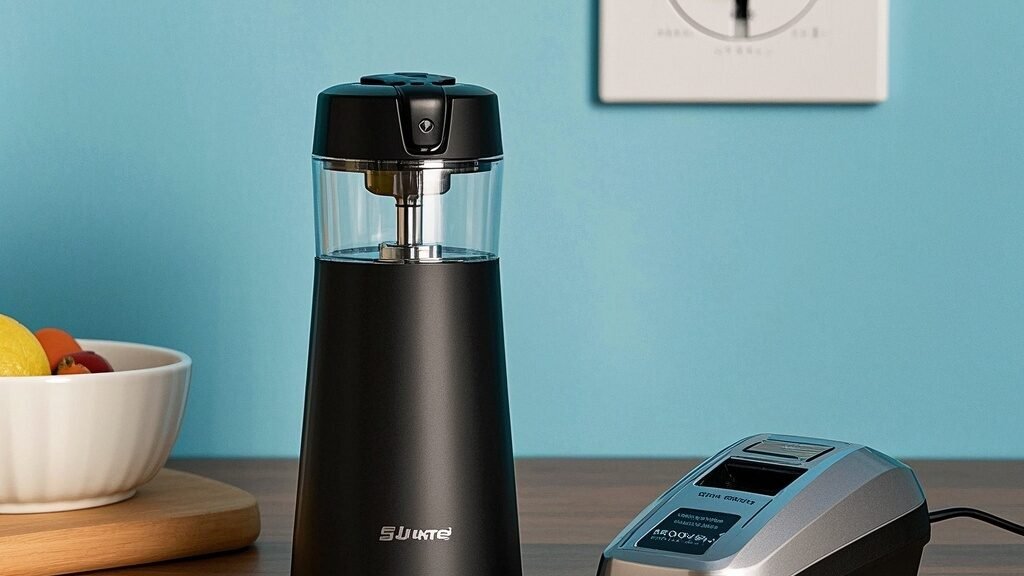
The fundamental weakness of a traditional can opener is its operational demand. It requires simultaneous, sustained force: one hand must firmly grip and press down on a lever, while the other provides the twisting power to rotate the cutter around the rim. This combination of pinch grip, downward pressure, and rotational force is precisely what becomes difficult or painful with weakened hands. An electric can opener completely re-engineers this process. With most models, you simply place the opener onto the can’s lid, align it (often with magnetic guidance), and press a single, large button. The machine does the rest—gripping, cutting, and even lifting the lid away automatically. The user’s physical requirement shrinks from complex force exertion to a simple, single-point activation. This transforms an act of … Read the rest

What Is the Best Can Opener for People with Joint Pain?

What Is the Best Can Opener for People with Joint Pain?

Imagine finally settling into your favorite chair after a long day, a recipe for a comforting soup waiting to be made. You reach for a can of broth, but the moment your fingers curl around a traditional manual can opener, a familiar stiffness and ache shoot through your wrist or thumb. That simple, daily task suddenly feels like a mountain to climb. For millions managing arthritis, reduced grip strength, or general joint pain, this small kitchen tool becomes a significant barrier to independence and enjoyment. The quest for a truly accessible kitchen tool isn’t just about convenience—it’s about reclaiming ease and dignity in daily rituals. This is precisely why finding the best can opener for people with joint pain requires looking beyond the basic dollar-store model. It’s about identifying designs that prioritize ergonomics, leverage, and effortless operation to transform a painful chore into a pain-free, one-step process.

Key Features That Make a Real Difference

Not all “easy” openers are created equal. When joint pain is a factor, specific engineering features become non-negotiable. First and foremost is leverage. Side-mounted, swing-away manual openers with large, textured handles provide a powerful mechanical advantage. Your hand applies force in a squeezing motion close to your body, which is far easier on tender finger joints and weak grips than the twisting motion required by top-mounted knobs. Next, consider automation. A well-designed electric can opener does all the work for you. The best models have a simple, large button that requires just a … Read the rest