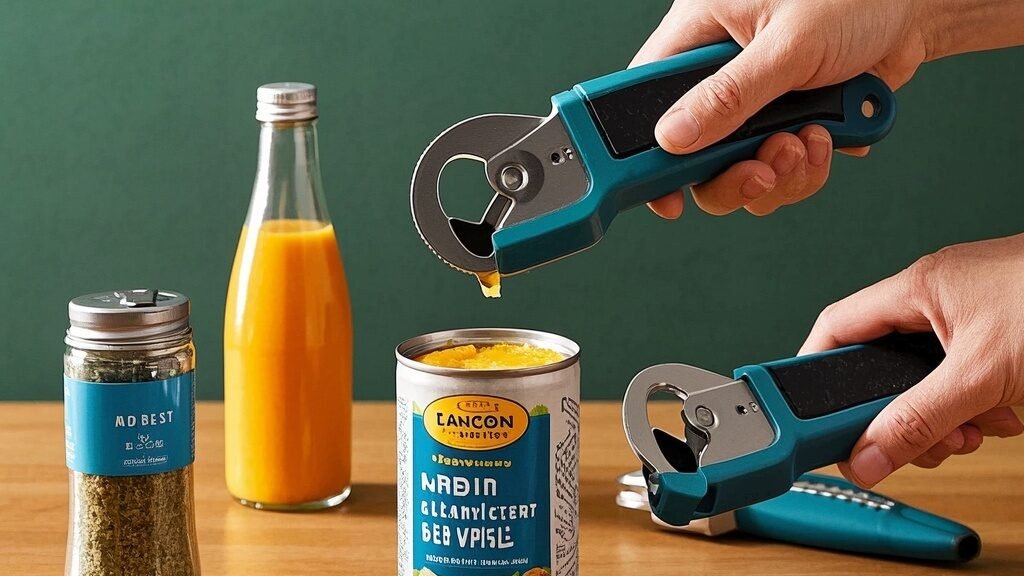
What Is the Least Straining Can Opener to Use?
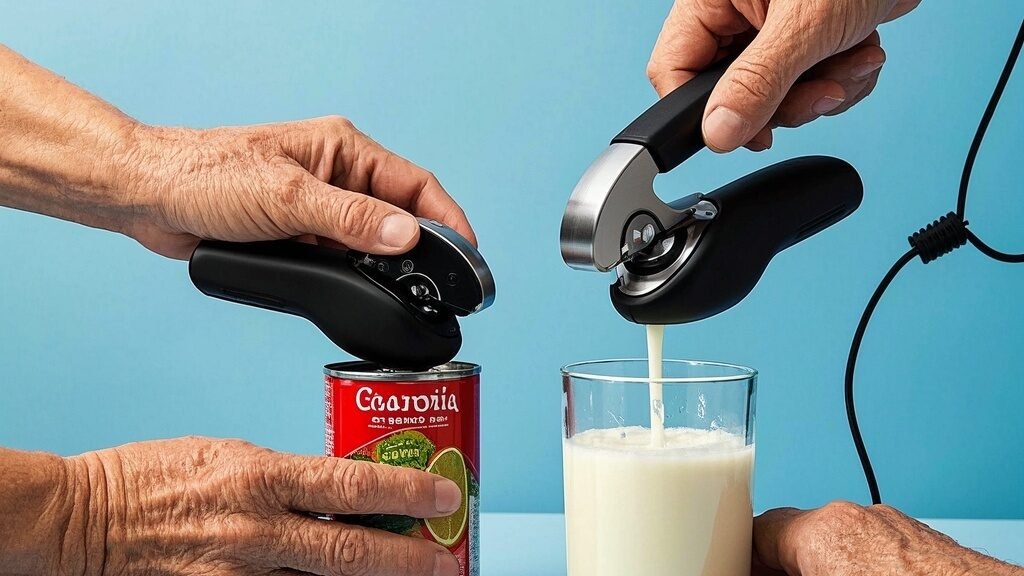
Imagine it’s the end of a long day. You’re making a quick chili for dinner, reach for a can of beans, and grab your trusty manual opener. After a few awkward cranks, your wrist starts to ache, the mechanism slips, and you’re left wrestling with a jagged lid. This minor kitchen task suddenly feels like a test of strength and patience. For millions, especially those with arthritis, limited hand strength, or mobility issues, this scene is a recurring frustration. The quest for a truly effortless kitchen experience brings us to a pivotal question: What is the least straining can opener to use? The answer isn’t one-size-fits-all, but a careful look at design and engineering reveals clear winners that prioritize accessibility and ease over tradition.
The Mechanics of Effortlessness: Design Makes All the Difference
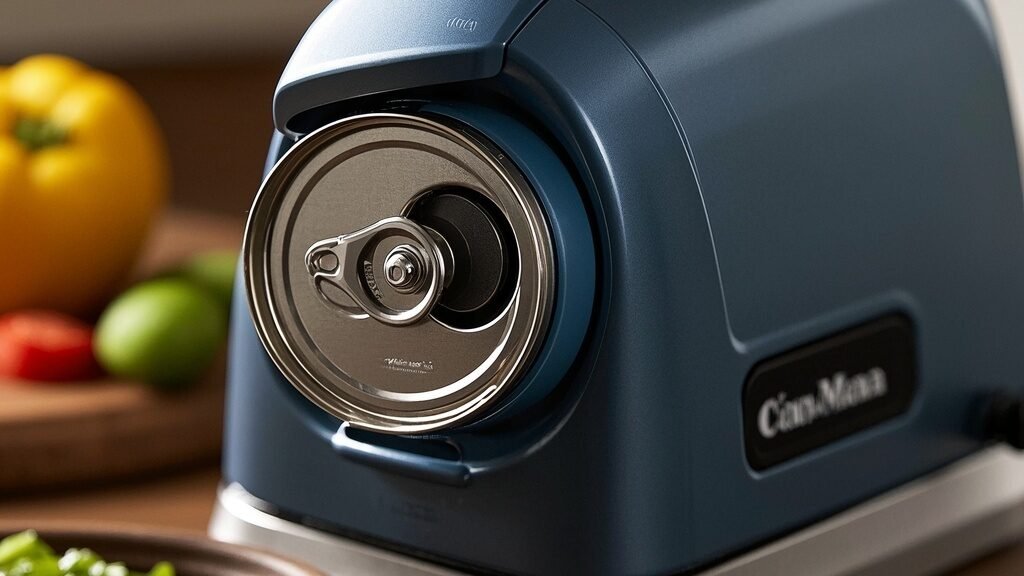
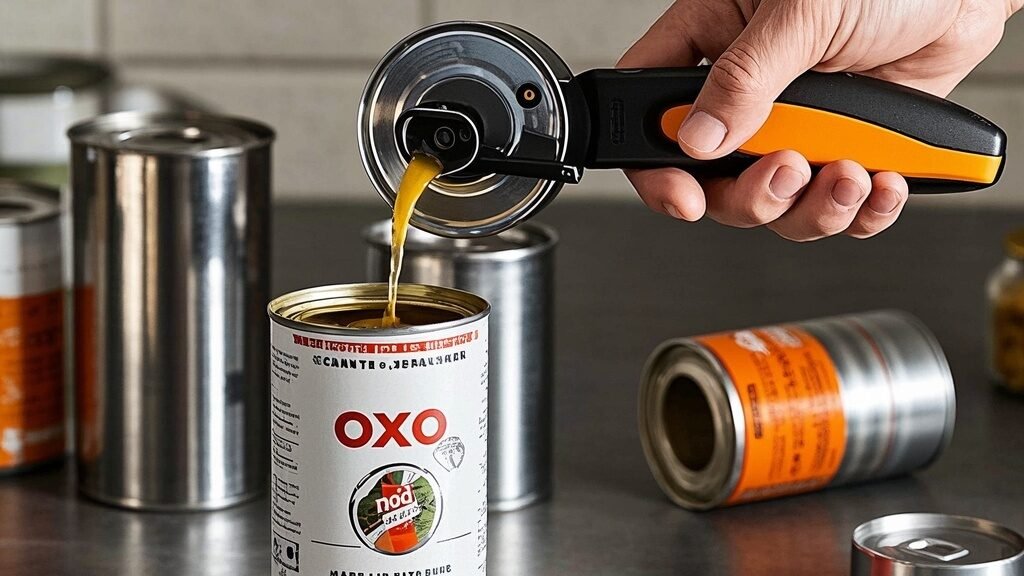
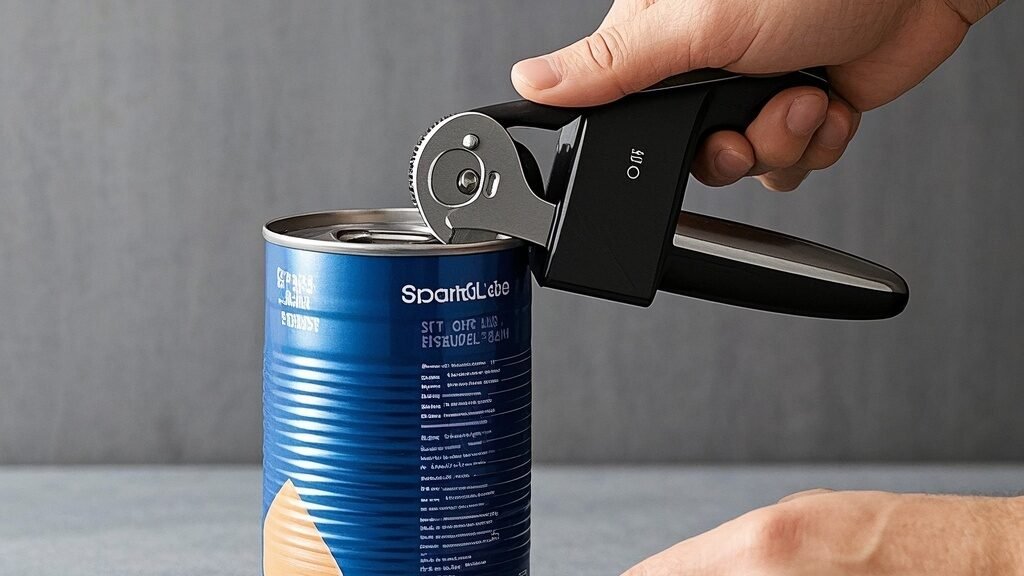
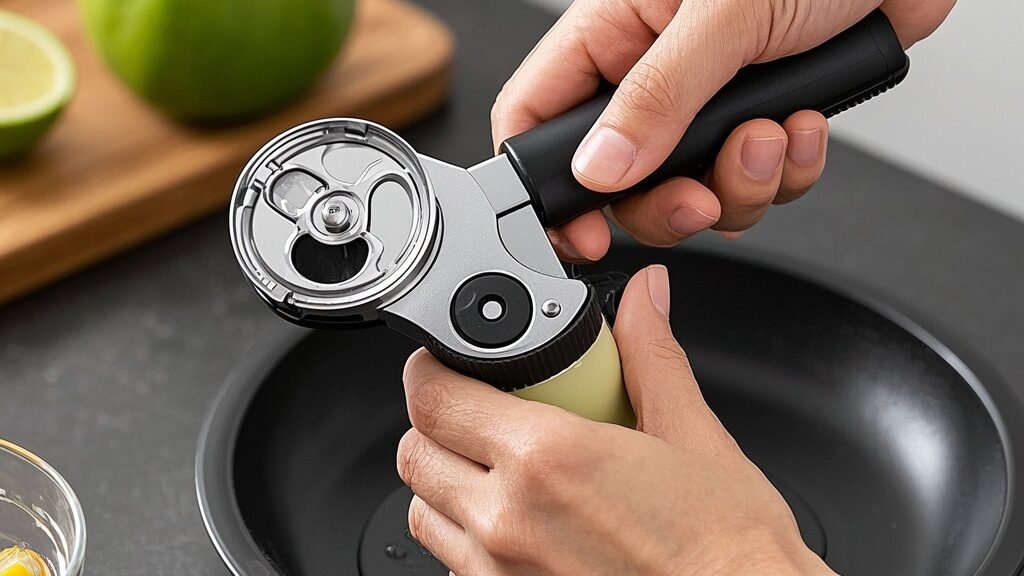
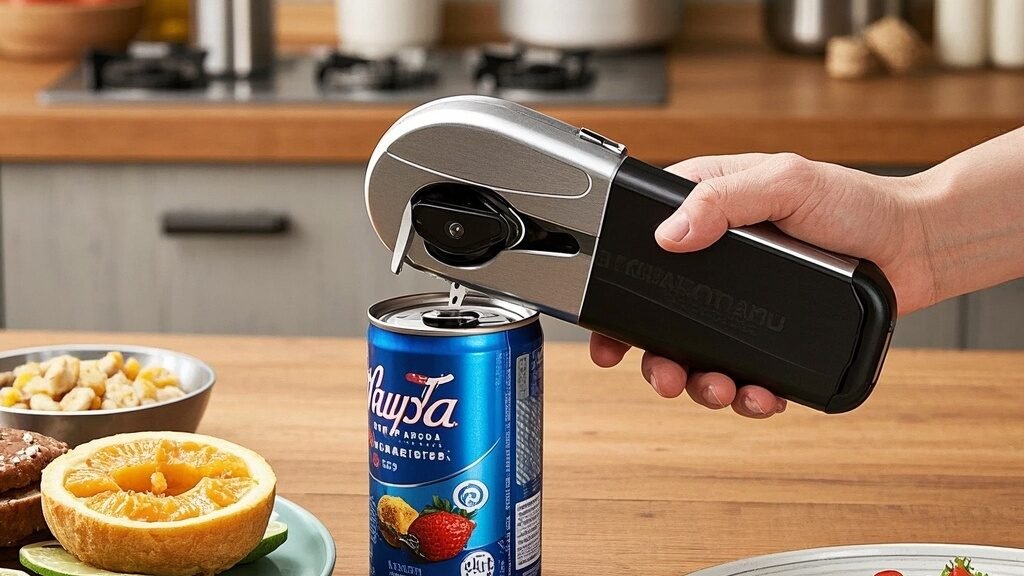
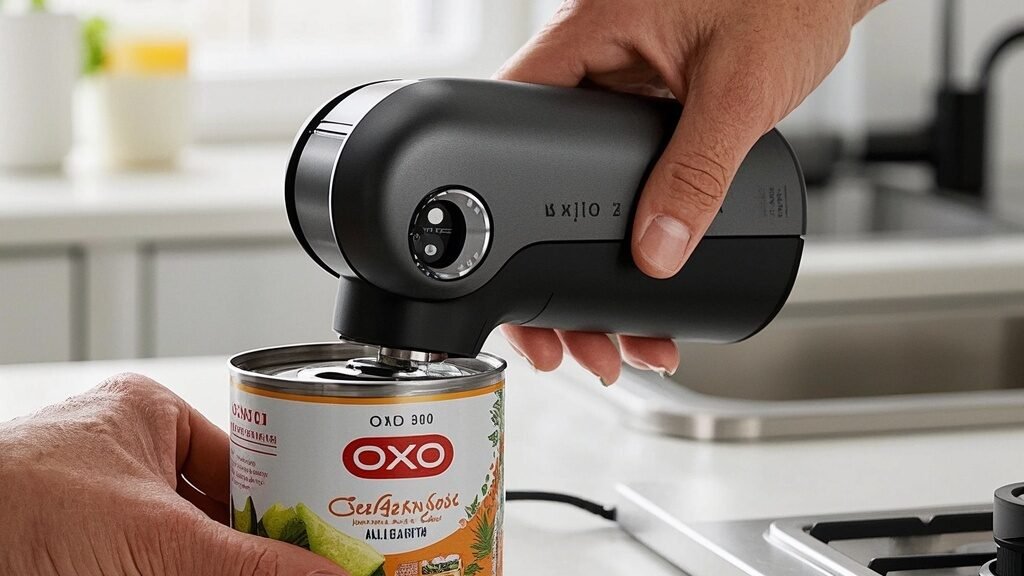
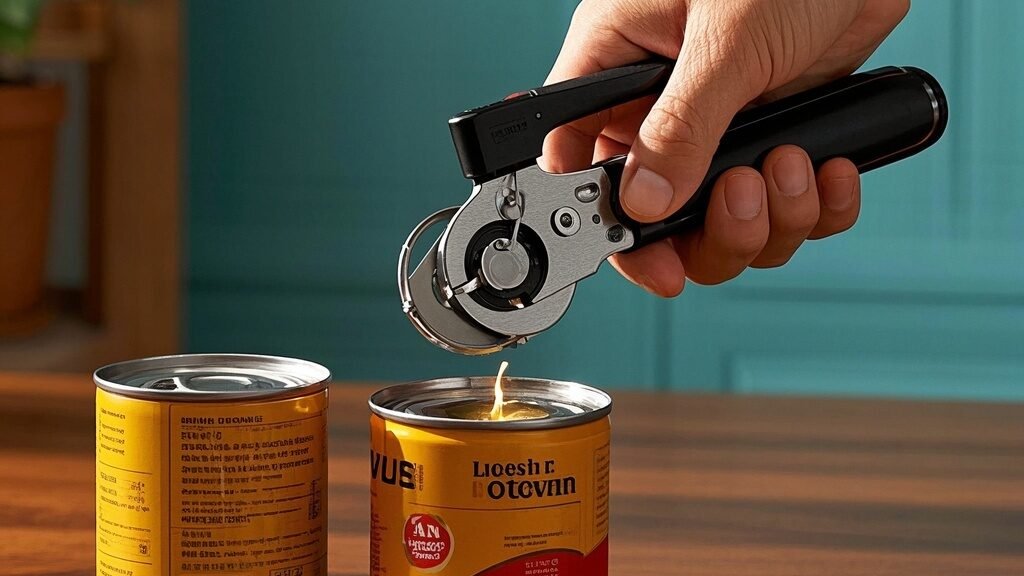
To identify the least straining option, we must move past the classic manual opener with its piercing point and twisting knob. The primary strain comes from the simultaneous need to apply downward pressure, grip tightly, and rotate a crank—a challenging combination for many. The true low-strain champions eliminate one or more of these demands. Electric can openers, for instance, remove physical exertion almost entirely. You simply position the magnetized device and press a button. The motor does the work, cleanly circling the can and lifting the lid off automatically. According to the manufacturer, models like the Hamilton Beach Smooth Touch are designed specifically for users with hand strength limitations, requiring only a light touch to activate. In our … Read the rest