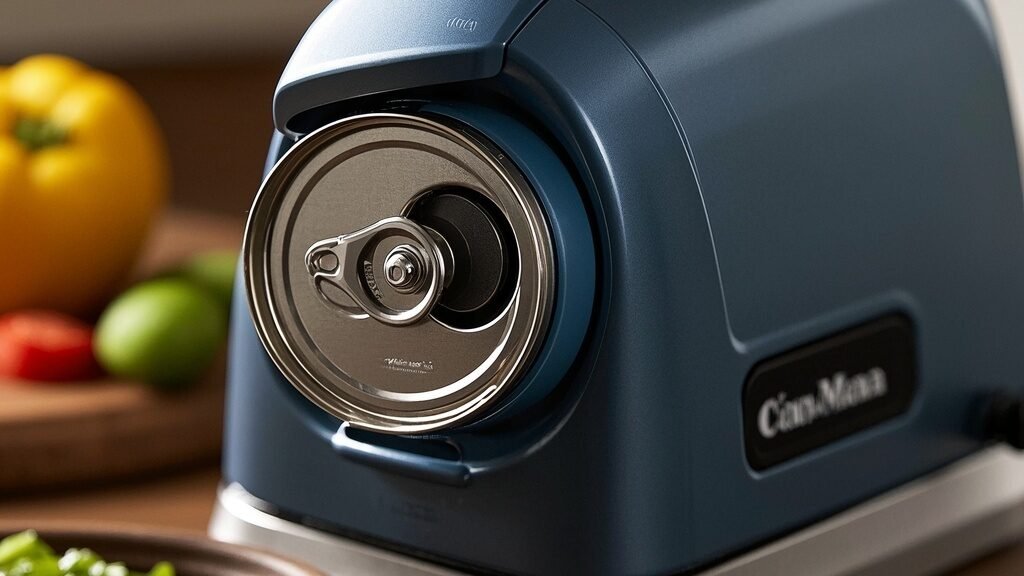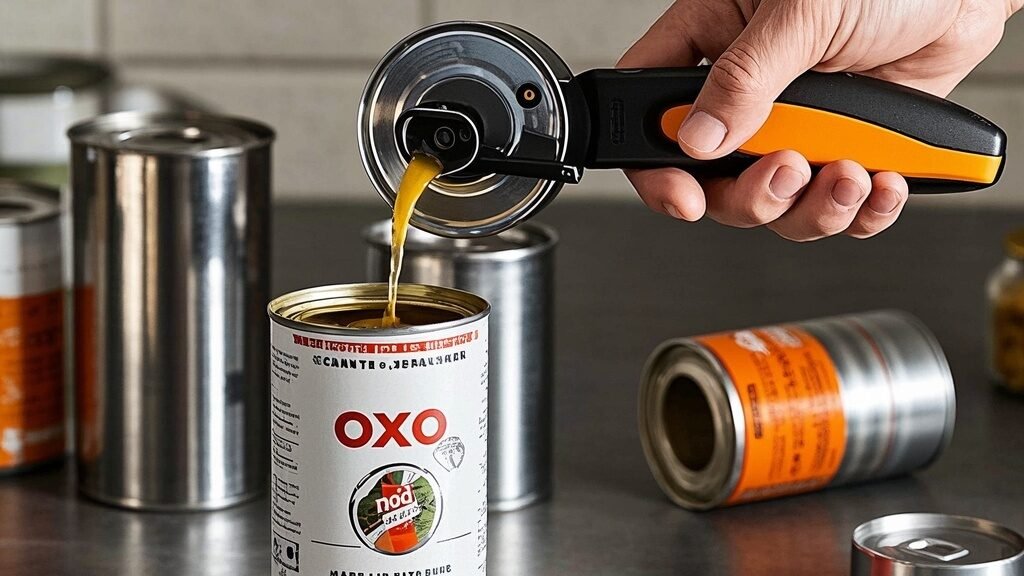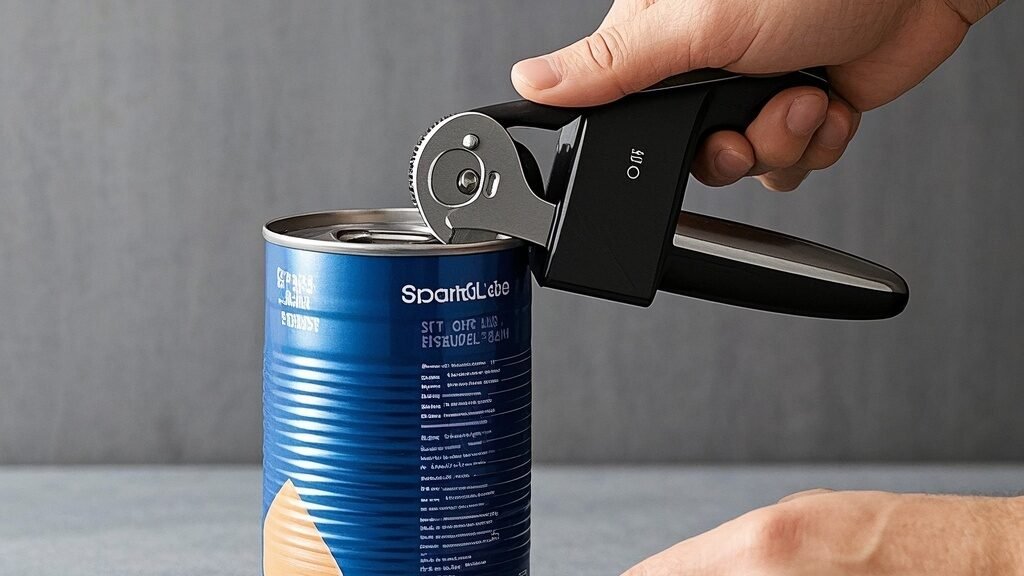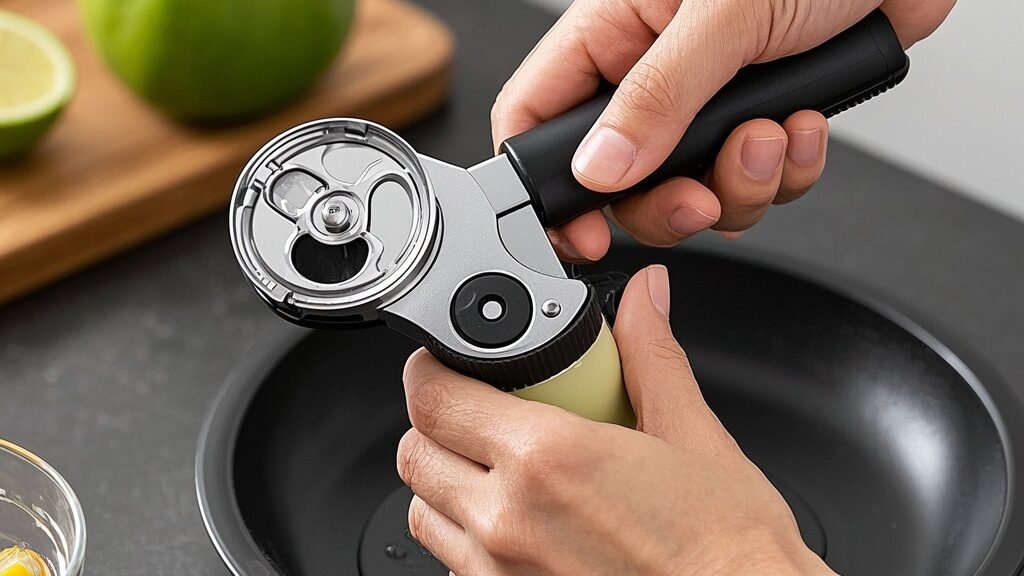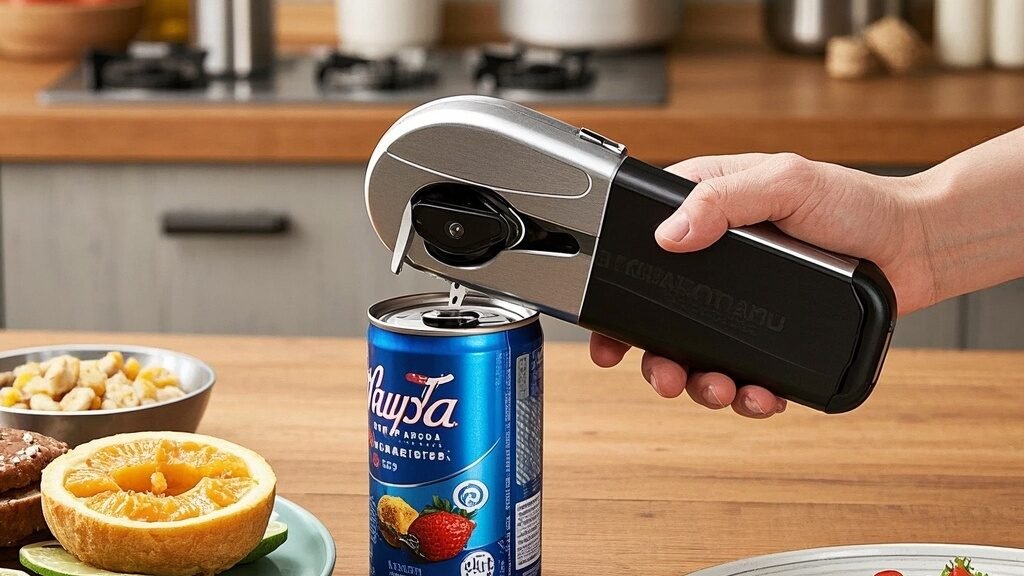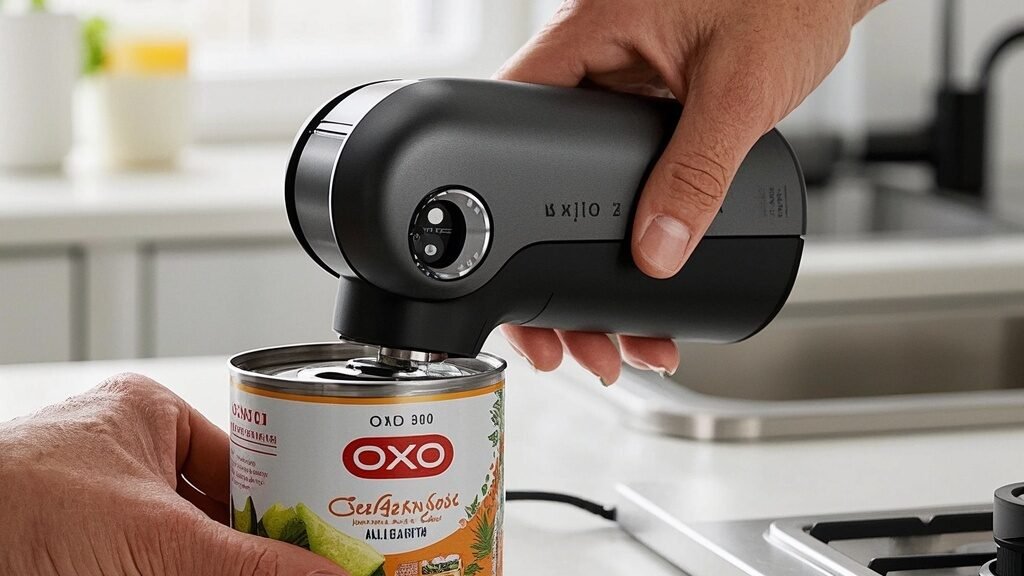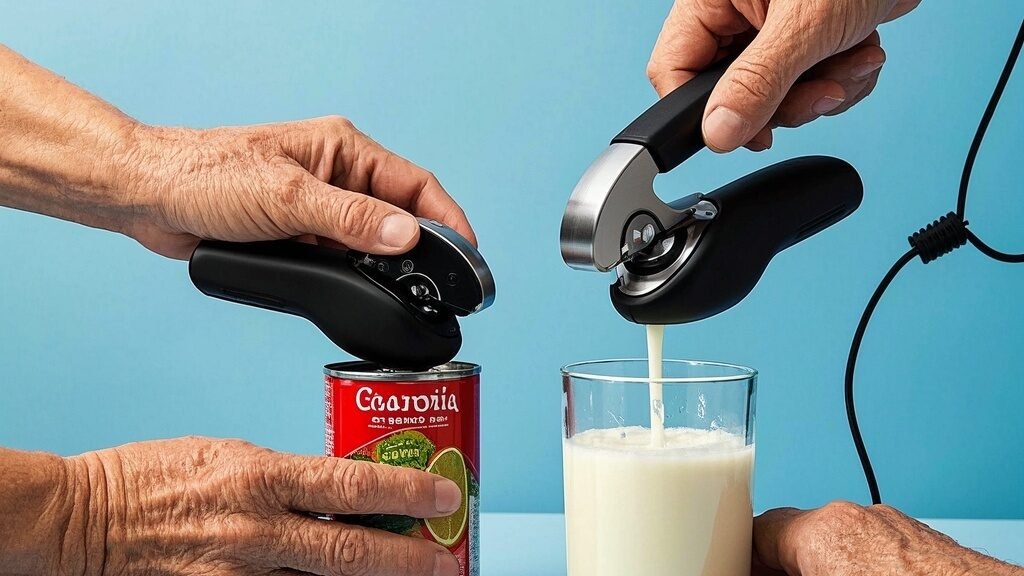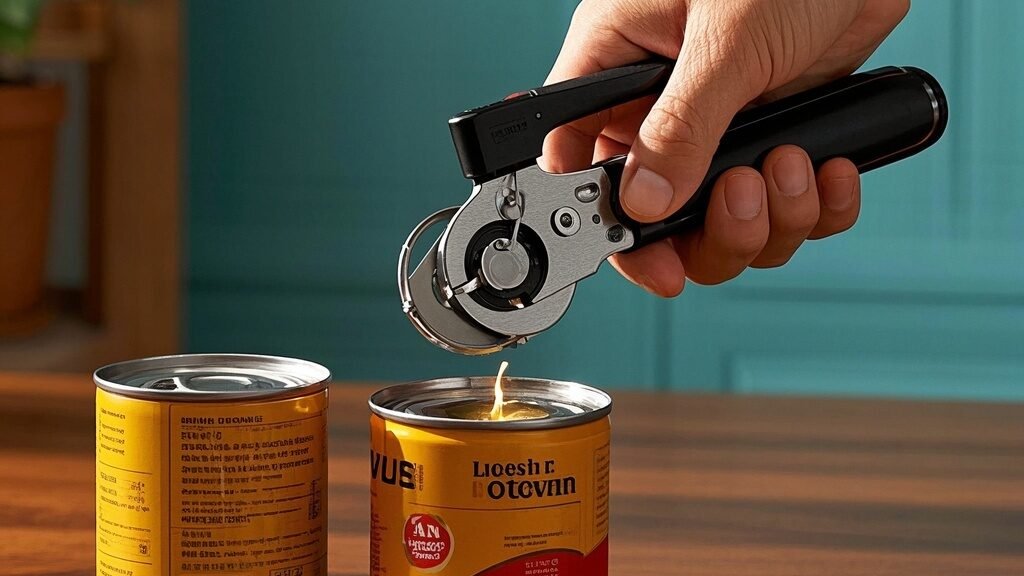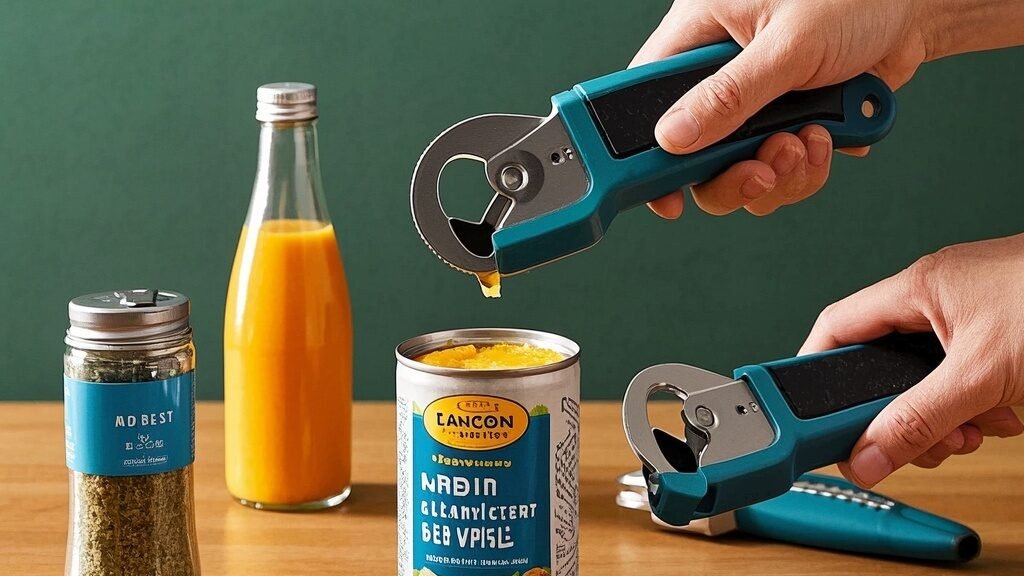
What is the safest can opener for elderly hands?
Imagine standing in your kitchen, a simple can of soup in hand. Your fingers, perhaps stiff with arthritis or unsteady from neuropathy, fumble with the familiar metal tab or a bulky, old-fashioned opener. What should be a quick task becomes a frustrating, sometimes painful, battle against slippery surfaces and stubborn mechanisms. This daily struggle is a quiet reality for many seniors who value their independence. The quest for a truly safe and manageable kitchen tool isn’t about luxury; it’s about preserving dignity and ease in everyday rituals. Finding the safest can opener for elderly hands becomes crucial, transforming a moment of frustration into one of effortless accomplishment.
Understanding the Real Risks of Traditional Openers
Before exploring solutions, it’s important to recognize why standard can openers pose problems. Manual models with small, sharp cutting wheels and thin, twisting handles require significant grip strength and precise downward pressure—a challenge for weakened hands or those with limited dexterity. Electric openers, while powerful, often have complex clamping mechanisms or small buttons that are difficult to operate. The primary hazards include slips that can lead to cuts, the strain of repetitive motion, and the sheer difficulty of applying enough force. Safety, therefore, isn’t just about avoiding sharp edges; it’s about ergonomic design that minimizes physical effort, intuitive operation that requires no confusing steps, and stable construction that keeps the can secure during the process. A safe opener effectively removes the user’s hands from the danger zone and the strain equation altogether.
Key Features That Define True … Read the rest