Is a battery-powered can opener easier to use than electric?
Picture this: you’re in the middle of preparing a quick weeknight dinner, a can of tomatoes in one hand, and you reach for the electric can opener plugged in by the counter. It whirs to life, then sputters and stops—the motor’s burnt out, or perhaps the cord is just frustratingly short, leaving you awkwardly maneuvering the appliance. In moments like these, the humble kitchen gadget question transforms from a minor curiosity into a real-world dilemma. The quest for genuine convenience in our daily tools often leads us past the obvious choices. When it comes to liberating the contents of a tin, the debate between a battery-powered can opener and its electric cousin is more nuanced than it appears, touching on portability, reliability, and the very definition of “easy.”
Defining “Easy”: More Than Just Push-Button
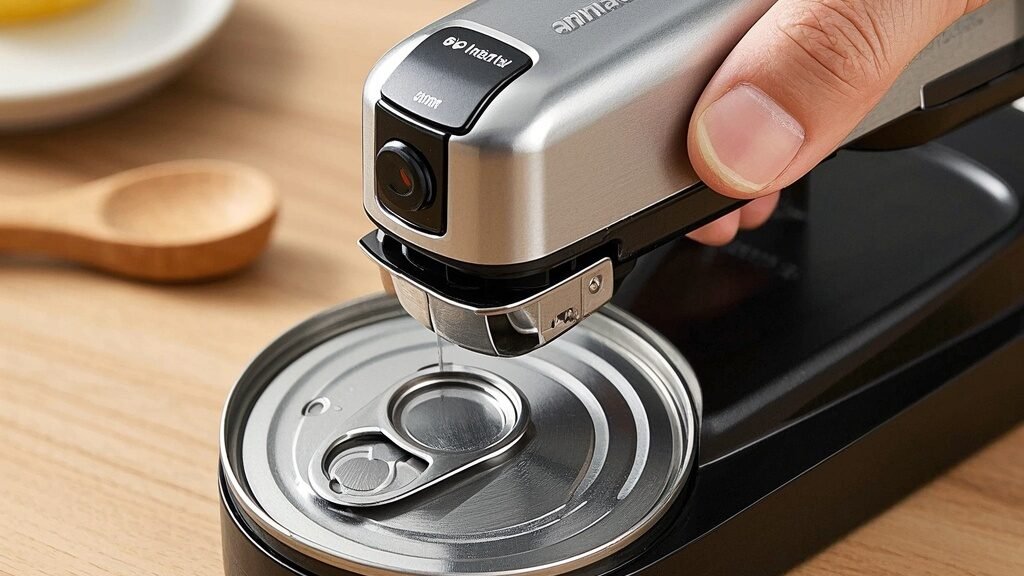
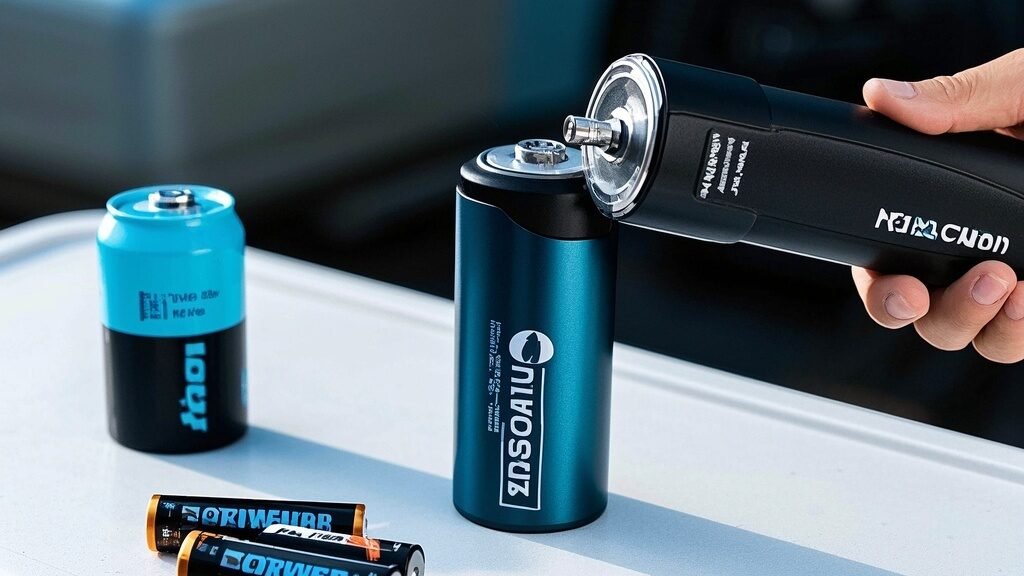
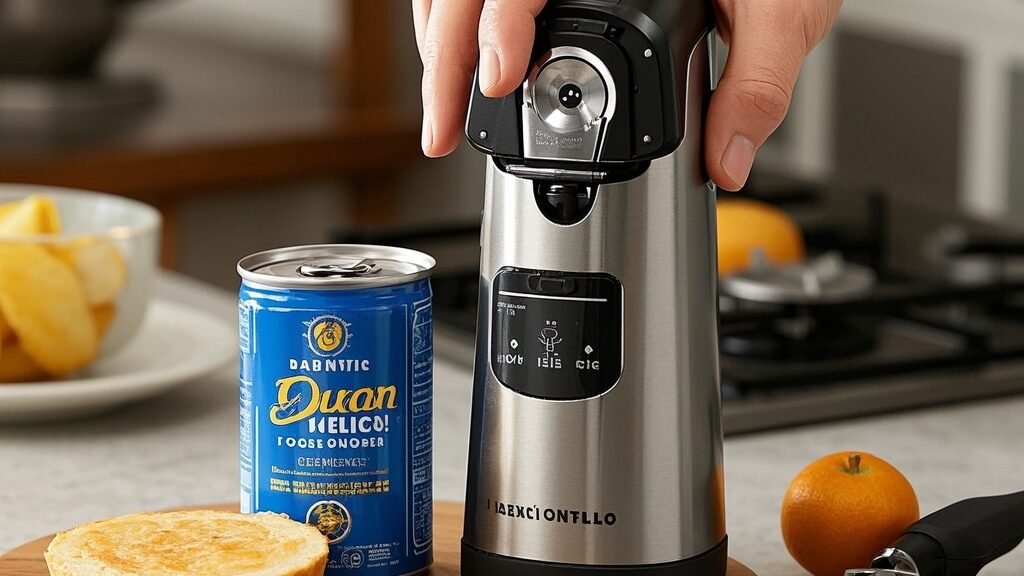
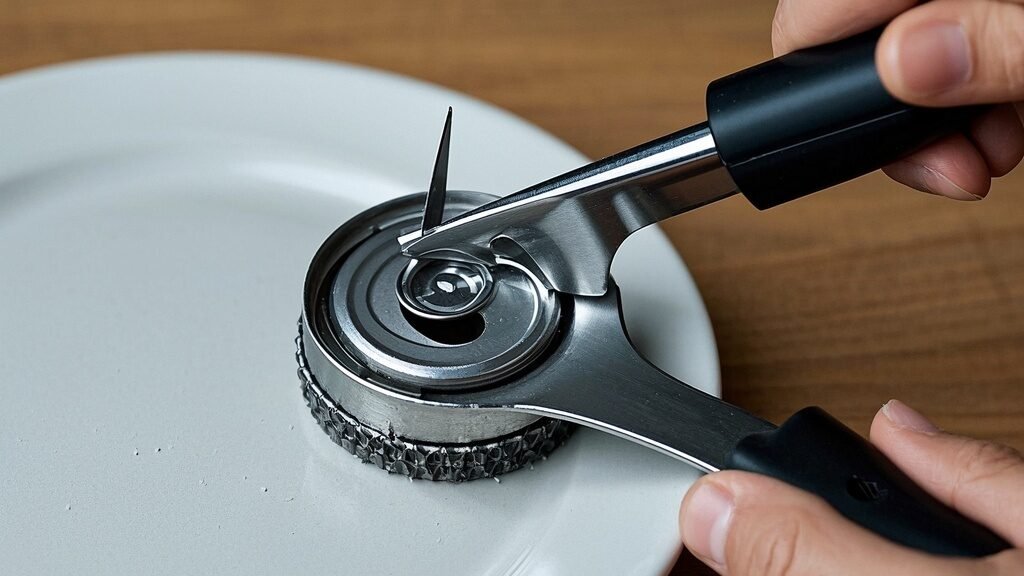
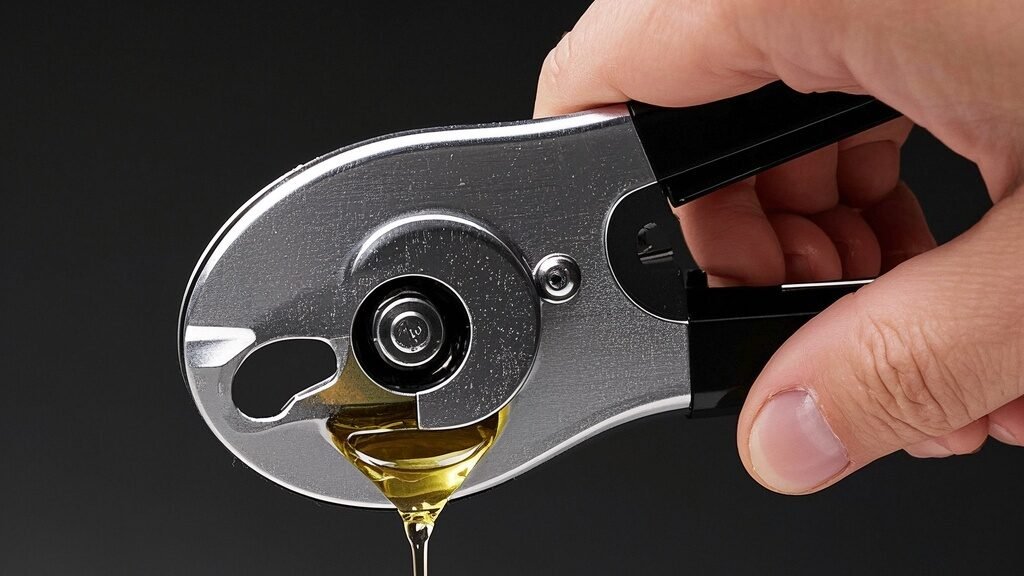
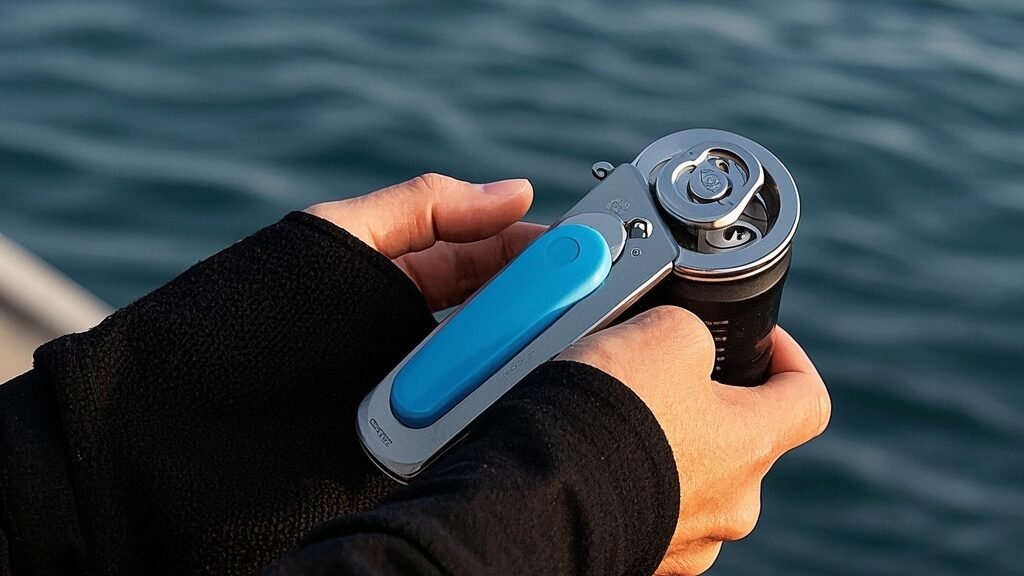
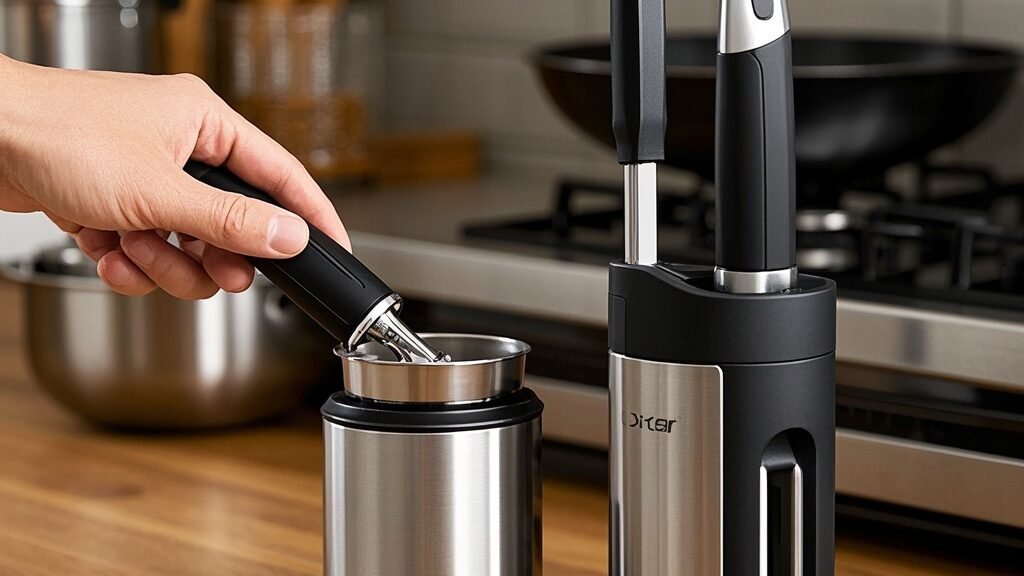
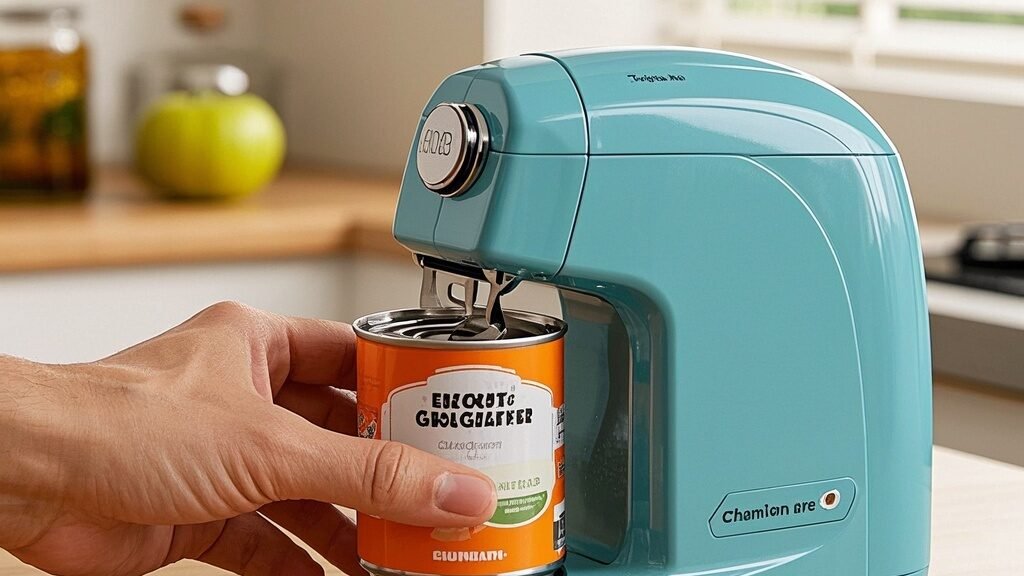
When we call a tool “easy to use,” we’re often bundling a set of expectations: it should be quick, require minimal physical effort, and work reliably without fuss. The traditional electric can opener excels at the first two. You place the can, press a lever, and the machine does the work, delivering a consistent, hands-off operation. Its primary limitation is its tether—the power cord dictates where you can use it, usually right next to an outlet. This makes it a stationary fixture. A battery-powered model, by its very design, redefines “easy” by eliminating that cord. It offers the same motorized assistance but with complete portability. You can use it on any kitchen surface, take it to … Read the rest