Can seniors use a one-touch automatic can opener?
Imagine standing in your kitchen, a simple can of soup in hand. Your fingers, perhaps stiff from arthritis, struggle to grip a manual opener. Your wrist lacks the strength to turn the crank, or your vision makes aligning the device a frustrating guesswork. This daily hurdle turns a basic act of nourishment into a source of anxiety and dependence. For many older adults, maintaining independence in the kitchen is a deeply held value, directly tied to dignity and well-being. The central question then becomes: can a modern tool bridge this gap? Can seniors use a one-touch automatic can opener? The answer is a resounding yes, and it often represents more than just convenience—it’s a reclaiming of autonomy. These devices, designed with minimal physical demand and maximum simplicity, are specifically engineered to transform a common challenge into an effortless task.
Designed for Ease, Not Effort
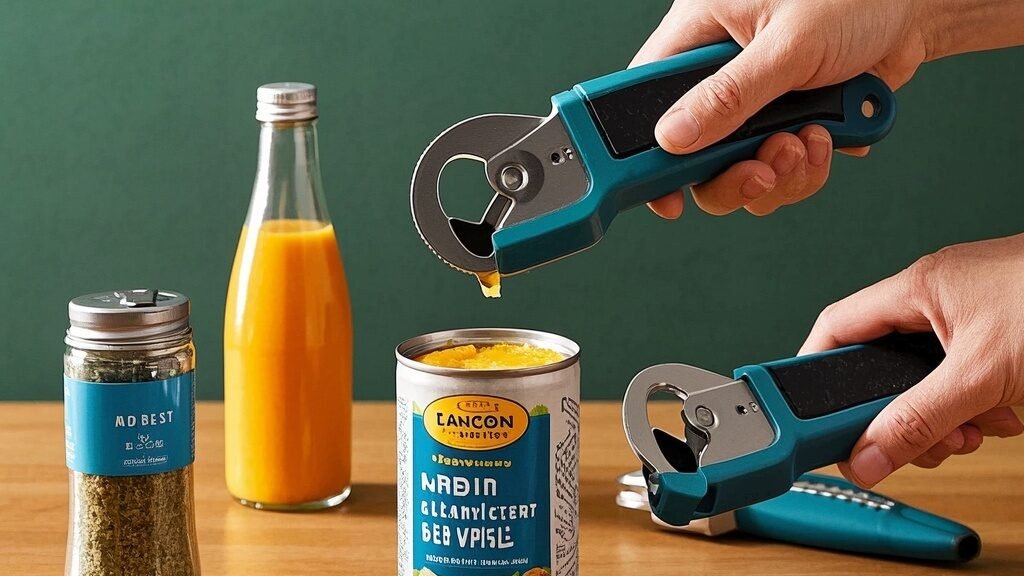
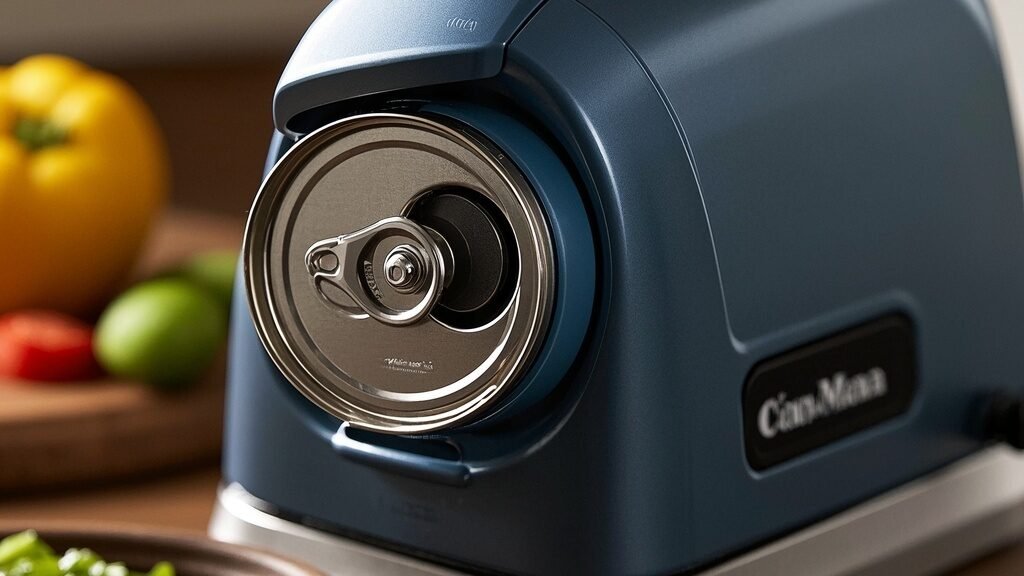
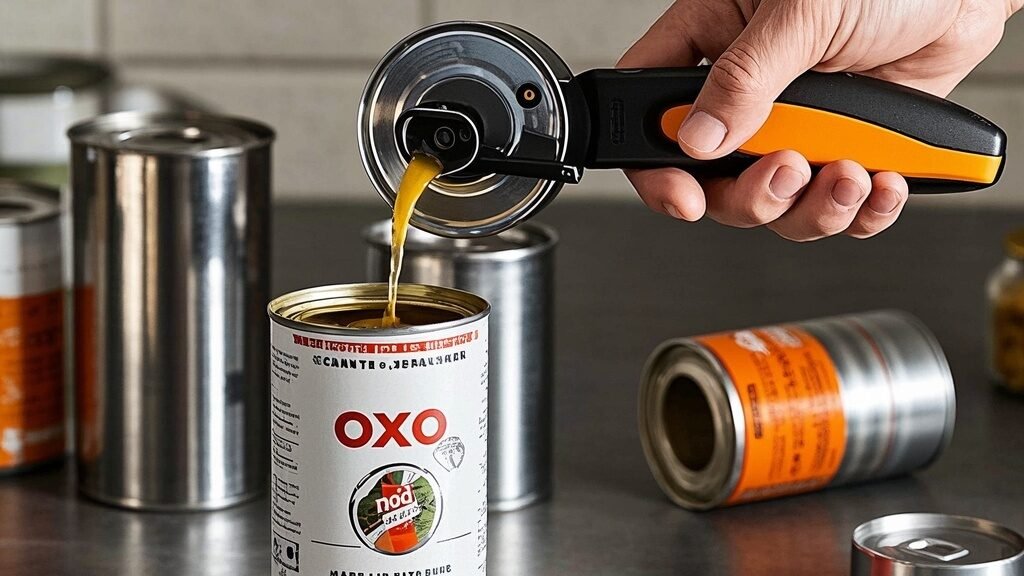
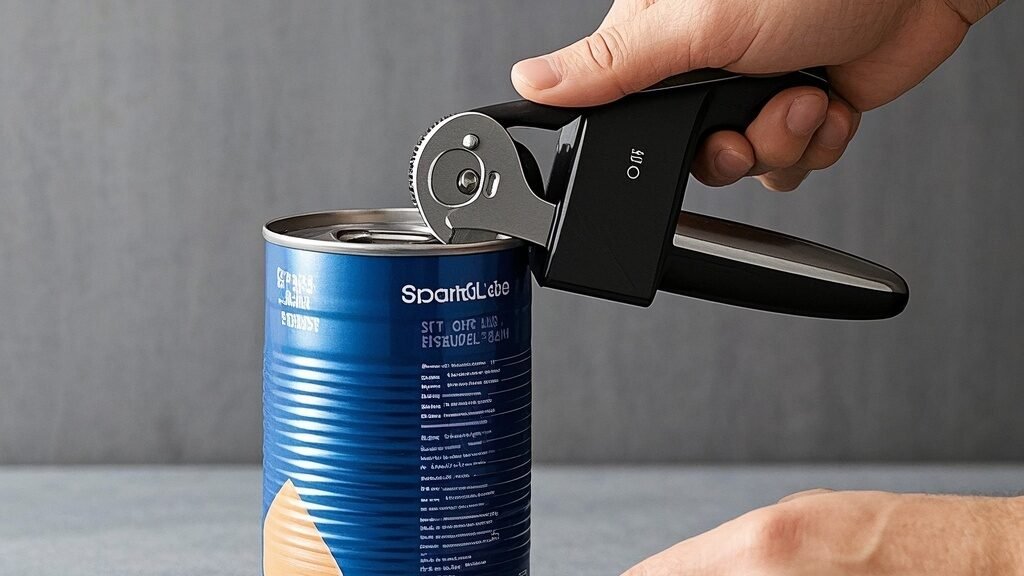
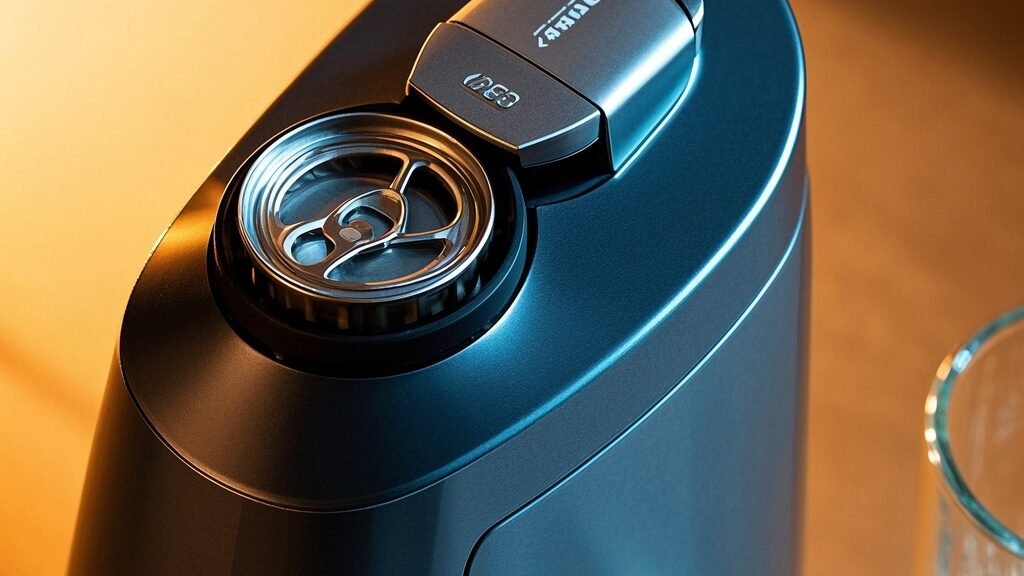
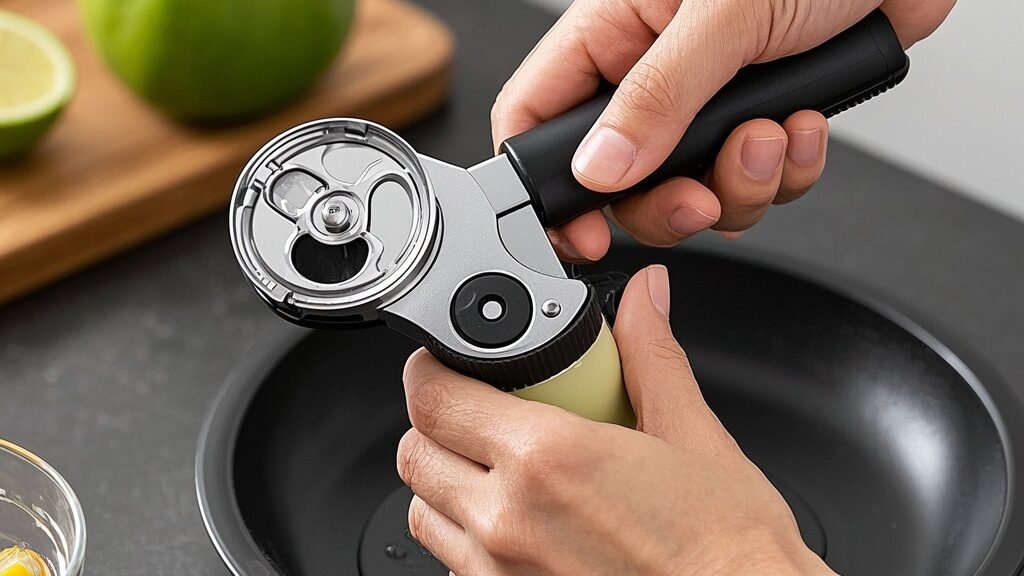
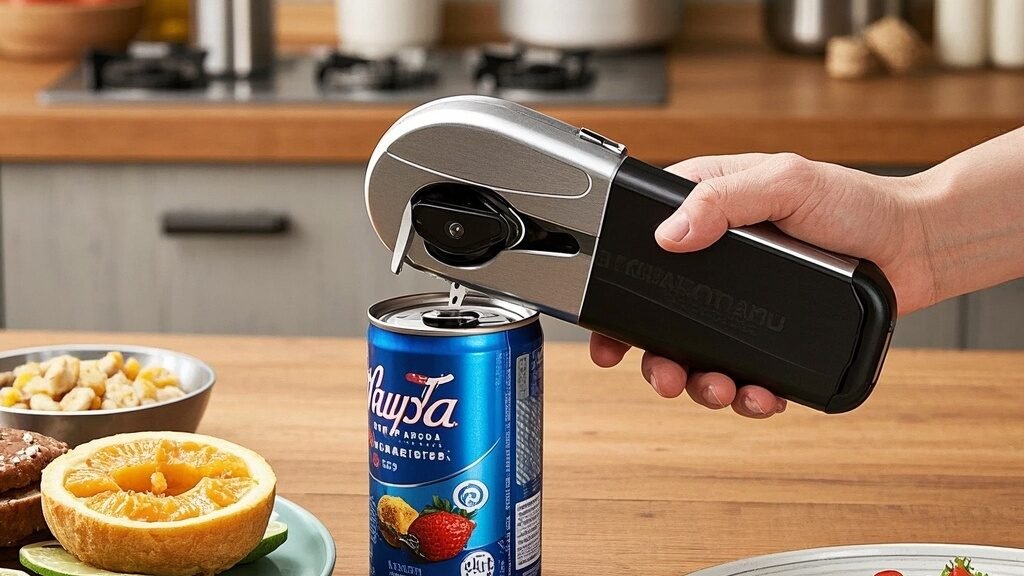
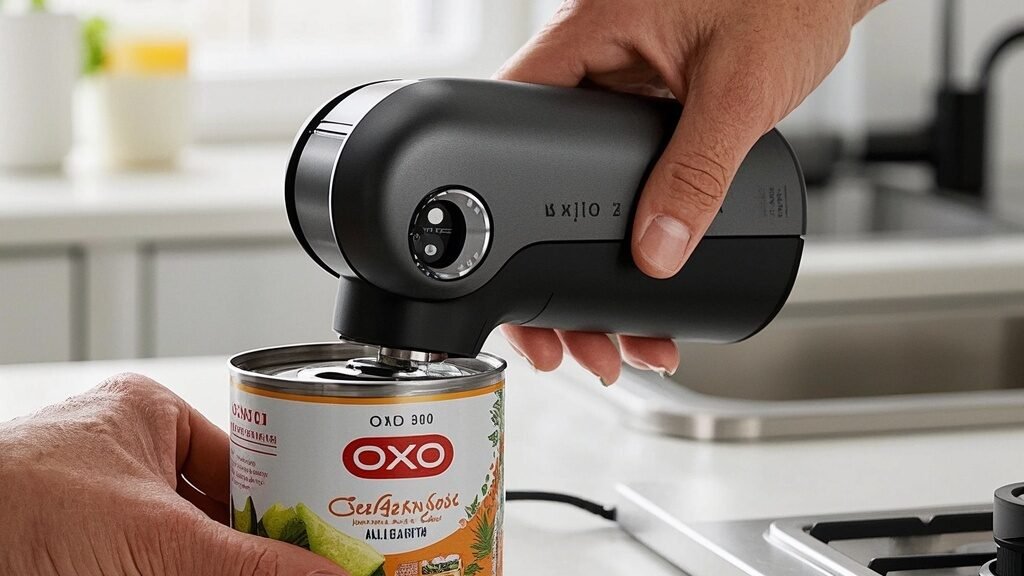
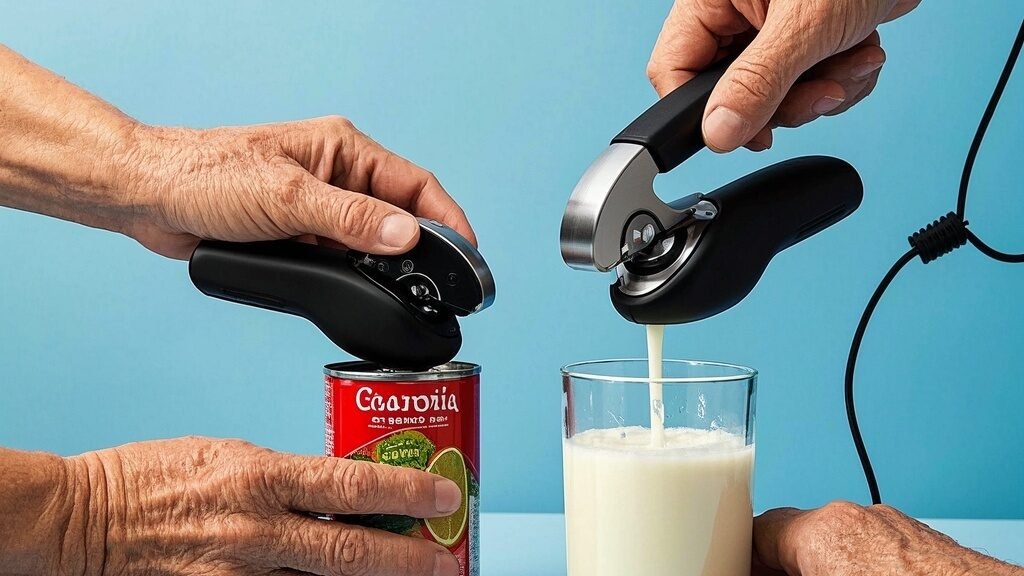
The core appeal of a one-touch automatic can opener lies in its fundamental redesign of the task. Traditional openers require a firm grip, precise hand-eye coordination, sustained wrist rotation, and a degree of downward pressure. For seniors experiencing conditions like arthritis, Parkinson’s, diminished hand strength, or reduced dexterity, these requirements can range from uncomfortable to impossible. The one-touch model eliminates nearly all these barriers. Operation is typically reduced to a single action: placing the opener magnetically onto the can’s lid and pressing a button. The machine does the rest—gripping, piercing, and rotating itself around the rim. There’s no twisting, no squeezing, and no need to hold a heavy … Read the rest