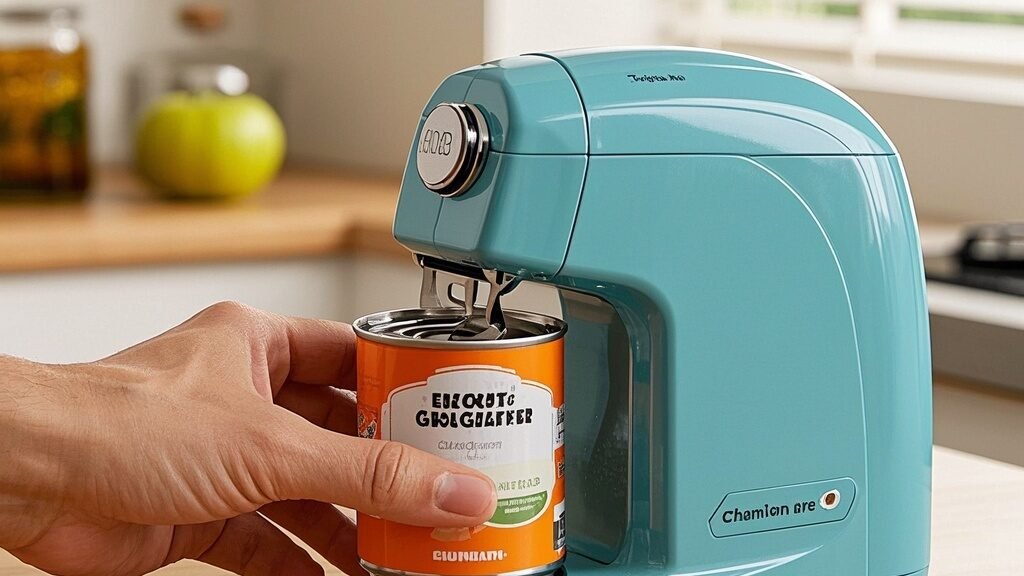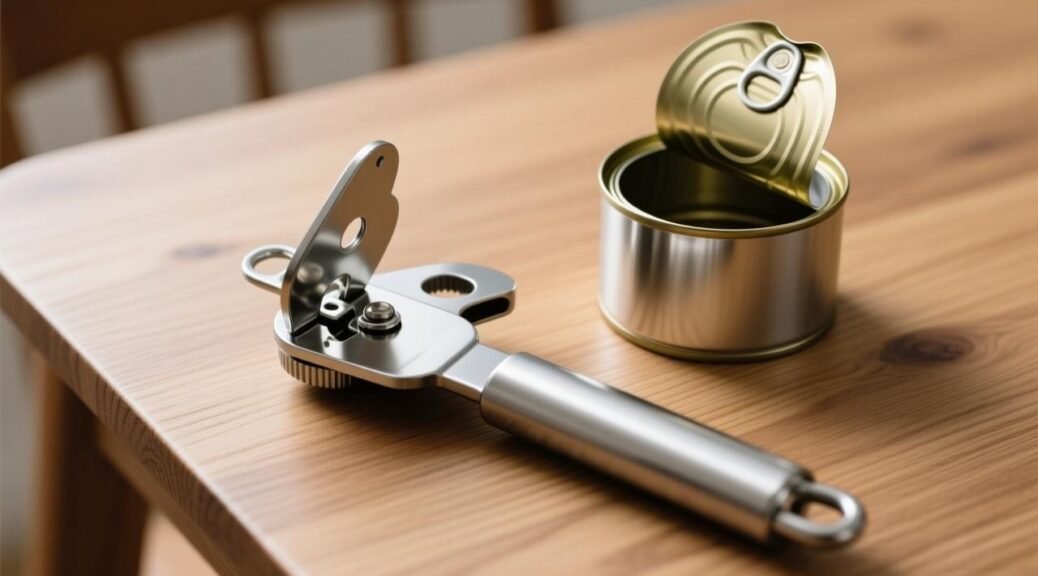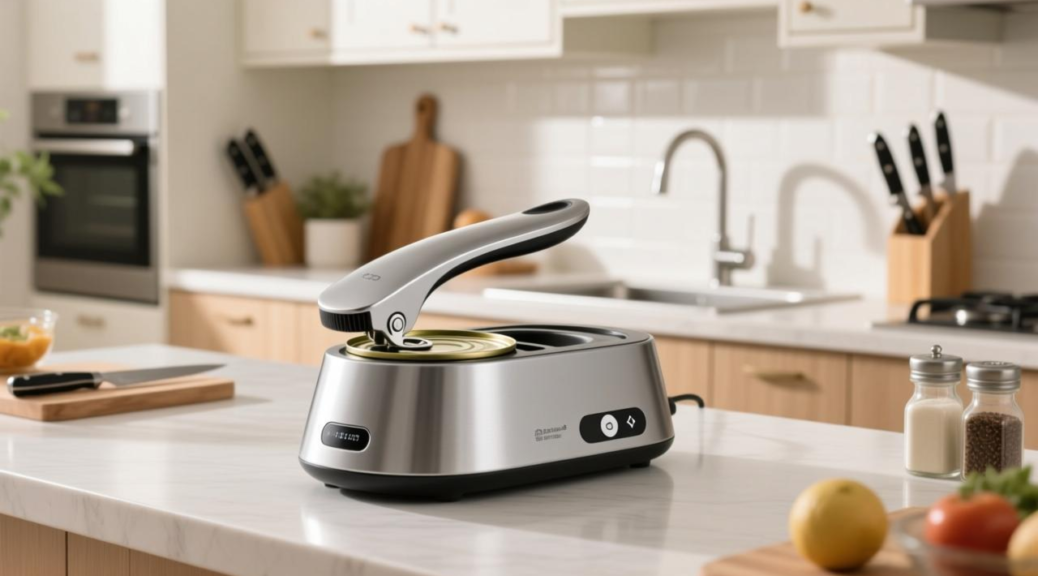
Ever stared at a stubborn can of soup, wrestling with a manual opener and wishing for a little kitchen magic? You’re not alone. The automatic can opener is one of those humble appliances that feels almost miraculous in its simplicity, saving our wrists and our patience with the push of a button. But have you ever stopped to wonder what’s actually going on under that plastic hood? Let’s crack it open and take a look.
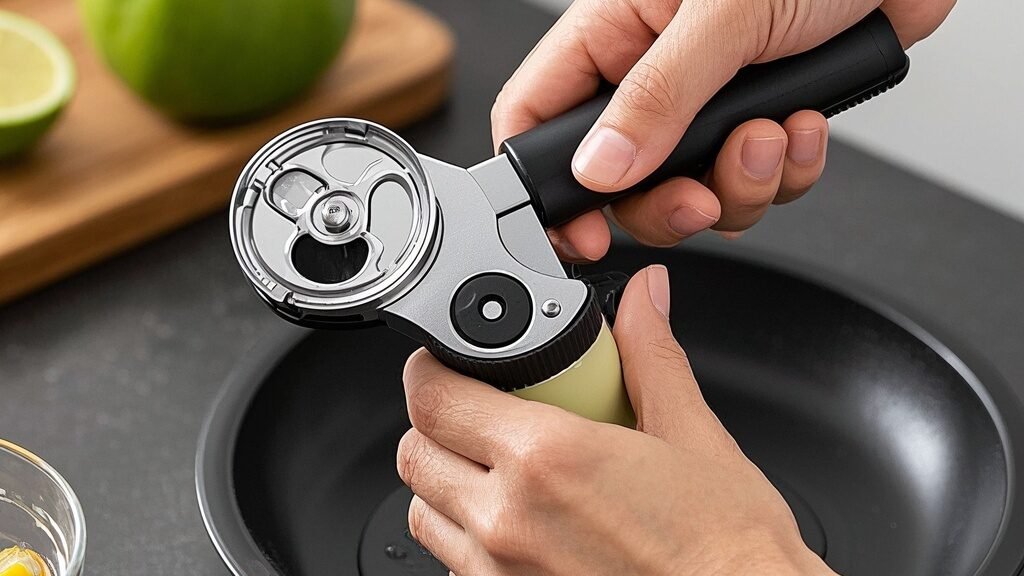
At its core, an automatic can opener’s job is straightforward: it needs to cleanly cut through the metal lid of a can without damaging the rim or letting any metal shavings fall into your food. To do this, most modern electric models use a clever, two-part mechanical system. When you place a can onto the base and lower the cutting assembly, a small, serrated cutting wheel is positioned to press against the inside edge of the can’s rim. Simultaneously, a toothed drive wheel (or magnet) grips the outer side of the rim. Once you press the button, a small electric motor springs to life.
This is where the real action happens. The motor turns a set of gears that rotate the drive wheel. As this wheel turns, it grips the can’s rim and spins the entire can in a smooth, continuous circle. The stationary cutting wheel, pressed firmly against the metal, neatly slices through the lid as the can rotates. Think of it like a key cutting machine or a precision lathe, but for your baked beans. This rotating-can method is key—it ensures a clean, … Read the rest