Complete Can Opener Buying Guide
Introduction: Why You Need This Guide
If you’re searching for a new can opener, chances are you’ve had frustrating experiences in the past. Perhaps the can openers you’ve owned cut poorly, rusted easily, or were so difficult to use that they ended up forgotten in the back of a drawer. This time, you want a tool that truly works well, feels comfortable, lasts for years—maybe even decades.
With dozens of different brands, types, and price points on the market, choosing can be overwhelming. This comprehensive buying guide provides all the information you need to make an informed decision.
Part 1: Understanding Basic Can Opener Types
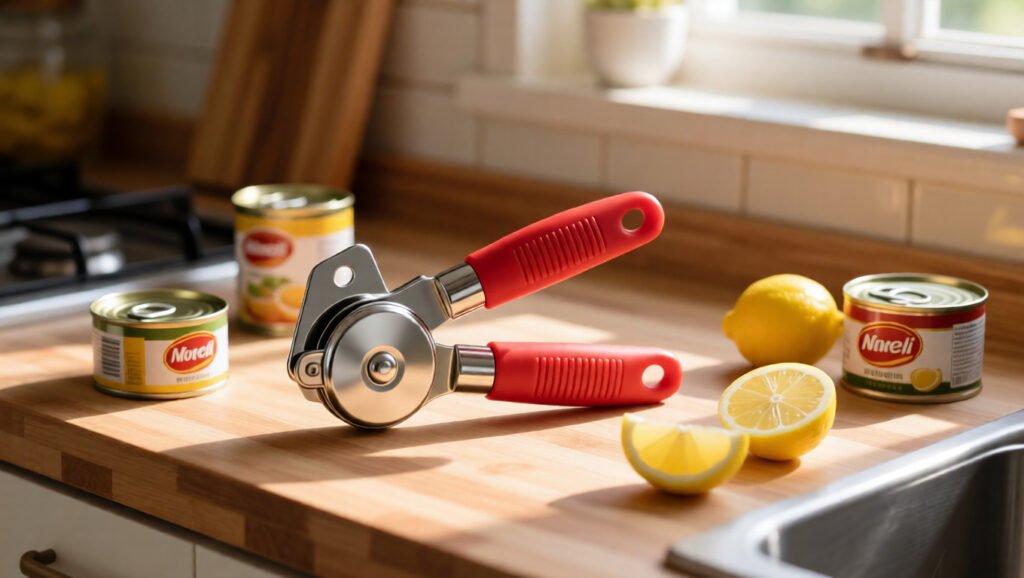
1. Manual Can Openers
How They Work: Operate by manually rotating gears or levers to cut through the can’s seal.
Main Subtypes:
- Traditional Side-Cutting: Cuts from the top edge of the can, most common design
- Safety-Edge/Smooth-Edge: Cuts from the side of the can, leaving a smooth rim
- Lever/Pierce-and-Lever: Uses leverage principle for easier operation
- Military-Style: Like P-38 and P-51, extremely small and light, ideal for emergency kits
Advantages:
- No electricity required, ready anytime
- Economical pricing (typically $10-$25)
- Easy to clean and maintain
- Compact size, stores easily
- Silent operation
Disadvantages:
- Requires some hand strength and dexterity
- Can be challenging for those with arthritis or weak grip
- Slower opening speed
- Some models may leave sharp edges
Best For:
- Budget-conscious consumers
- Households that use can openers occasionally
- Those who prefer simple mechanical tools
- As backup or emergency tools
2. Electric Can Openers
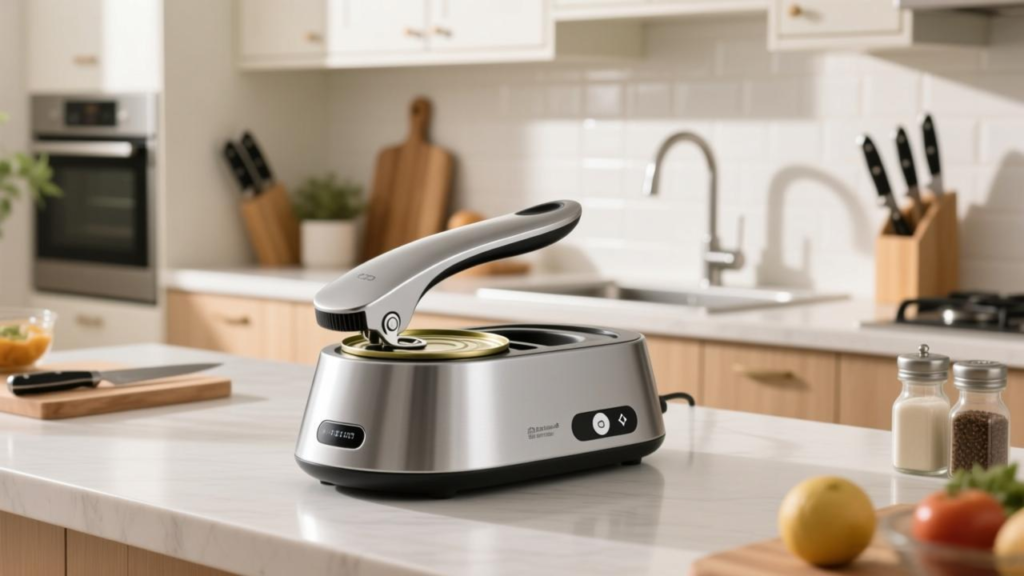
How They Work: Use an electric motor to automatically complete the cutting process with the push of a button.
Main Subtypes:
- Plug-In Models: Directly connect to power outlets for consistent power
- Battery-Powered: Use AA or AAA batteries, cord-free design
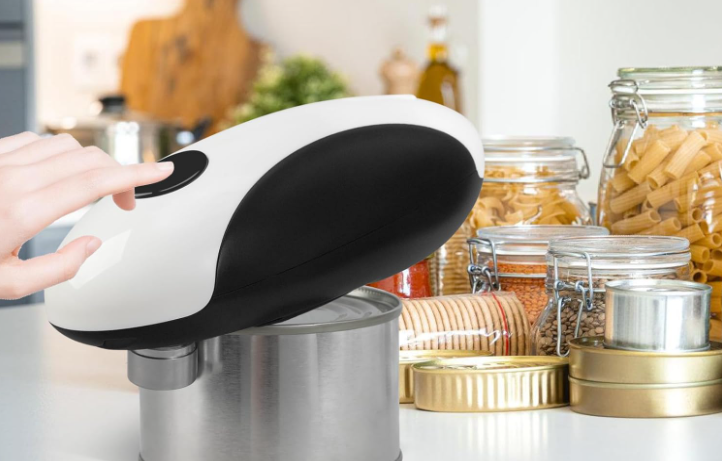
- Fully Automatic: Automatically senses and cuts once can is placed
Advantages:
- Minimal effort required, easy operation
- Fast opening speed, efficient
- Ideal for those with limited hand strength
- Some models allow one-handed operation
- Typically include safety features
Disadvantages:
- Require electricity or batteries
- Higher price point ($25-$60+)
- Take up more counter space
- Require motor maintenance
- Can be noisy
Best For:
- Households that use canned foods frequently
- Seniors or those with limited hand strength
- Users prioritizing convenience and efficiency
- Kitchens with ample counter space
3. Commercial/Heavy-Duty Can Openers
How They Work: Rugged designs built to handle high-frequency, high-volume use.
Key Features:
- Extremely durable construction, often all-metal
- Handle standard to extra-large cans
- Fast, efficient cutting mechanisms
- Meet commercial kitchen hygiene standards
Advantages:
- Exceptional durability and longevity
- Capacity to handle large volumes of cans
- Fast and efficient operation
- Typically come with strong warranties
Disadvantages:
- Expensive ($50-$200+)
- Large, heavy footprint
- Design often prioritizes function over aesthetics
- May be overkill for home use
Best For:
- Restaurants, cafeterias, commercial settings
- Food banks or community kitchens
- Households processing large quantities of cans (e.g., pet shelters)
- Consumers wanting “buy once, use forever” quality
Part 2: Key Features and Characteristics to Evaluate
Safety Features
- Smooth Edge Design:
- Creates completely smooth can edges after cutting
- Prevents finger cuts and injuries
- Especially important for households with children
- Non-Contact Cutting:
- Cutting wheels don’t touch the food
- Avoids cross-contamination
- Maintains food hygiene
- Auto-Stop Function (electric models):
- Automatically stops when cutting completes
- Prevents over-cutting
- Extends tool lifespan
- Stable Base:
- Prevents slipping during operation
- Ensures accurate cutting
- Enhances overall safety
Convenience Features
- Magnet Lid Lifter:
- Automatically lifts the cut lid
- Avoids hand contact with sharp edges
- Makes lid disposal easy
- Easy-Clean Design:
- Removable cutting components
- Dishwasher-safe parts
- No hard-to-reach crevices
- Versatility:
- Opens various can shapes and sizes
- May include bottle opener functionality
- Suitable for different food packaging
Durability and Build Quality
- Material Quality:
- Premium Choices: Stainless steel cutting wheels, zinc alloy body, silicone grips
- Avoid: Thin plastic, rust-prone metals, fragile connectors
- Structural Design:
- Sturdy gears and drive systems
- Precise cutting alignment
- Durable springs and connection points
- Warranty Policies:
- Excellent: Lifetime warranty or 10+ years
- Good: 2-5 year limited warranty
- Adequate: 1-year warranty
- Avoid: No warranty or only 90-day coverage
Part 3: Choosing Based on Personal Needs
1. Everyday Household Use (Best for Most People)
Recommended Type: Quality manual or basic electric can opener
Key Considerations:
- Ease of use: Everyone in the household should find it simple
- Safety: Smooth edges, stable operation
- Durability: Withstands regular daily use
- Easy cleaning: Simple to maintain hygienically
Specific Recommendations:
- If used less than 3 times weekly: Choose a $15-$25 manual can opener
- If used more than 3 times weekly: Consider a $30-$45 electric model
- If kitchen space is limited: Choose wall-mounted or compact designs
- If aesthetics matter: Select colors and designs matching your kitchen decor
2. Users with Special Needs
For Arthritis Sufferers/Weak Grip/Seniors:
- Electric can openers are essential
- Look for large, easy-to-press buttons
- Consider automatic sensing models
- Ensure lightweight and easy-to-hold design
For Left-Handed Users:
- Choose ambidextrous designs
- Avoid models with clear handedness bias
- Consider electric models (usually handedness-neutral)
For One-Handed Operation Needs:
- Select models with stable bases
- Consider automatic electric can openers
- Ensure entire operation can be completed one-handed
3. Special Use Scenarios
Camping/Hiking:
- Ultralight manual openers (like P-38, just 0.5 ounces)
- Can openers in multi-tools
- Durable stainless steel construction
- Compact, portable designs
Emergency Preparedness/Survival Kits:
- Choose most reliable, durable manual models
- Ensure functionality under various conditions
- Consider military-grade can openers
- Always have a backup
Commercial Use:
- Commercial-grade manual or electric can openers
- Compliance with local health and safety regulations
- Consider frequency of use and can types
- Invest in high-quality, long-warranty products
Part 4: Price Ranges and Value Analysis
Budget-Friendly ($5-$15)
Characteristics:
- Basic functionality, simple design
- May use lower-quality materials
- Short or no warranty
- Suitable for occasional use or as backup
Recommended For:
- College dorms
- Vacation homes
- Emergency kits
- Secondary/backup can opener
Mid-Range ($15-$35)
Characteristics:
- Good balance of features and price
- Better quality materials and construction
- 1-5 year warranties
- Additional convenience features
Recommended For:
- Most households for daily use
- Value-conscious consumers
- First-time buyers of quality can openers
Premium ($35-$60+)
Characteristics:
- High-quality materials and construction
- Innovative designs and features
- Longer warranties (5+ years)
- Superior ergonomic design
Recommended For:
- Households using canned foods frequently
- Users with special needs
- Consumers wanting best performance and durability
- Long-term investment purchases
Part 5: Purchasing Decision Process
Step 1: Assess Your Needs
- How many cans do you open daily/weekly on average?
- Who will use this can opener? (Consider age, hand strength, preferences)
- Where will you primarily use it? (Home kitchen, commercial setting, outdoors)
- What’s your budget?
- Do you have special requirements? (One-handed operation, left-handed, arthritis, etc.)
Step 2: Determine Type Preference
- Based on Step 1 answers, decide if manual, electric, or commercial type suits you best
- Consider long-term frequency and intensity of use
- Weigh price against convenience benefits
Step 3: Prioritize Features
List your most important features in order of priority:
- Safety features (smooth edges, stable base)
- Convenience features (easy cleaning, magnet lid lifter)
- Durability (material quality, warranty)
- Additional features (versatility, aesthetic design)
Step 4: Research and Compare
- Read reviews from at least 3 credible sources
- Check user ratings, paying special attention to 3- and 4-star reviews
- Compare similar models and brands
- Consider warranty and customer service reputation
Step 5: Final Checklist
Before purchasing, confirm your choice meets these criteria:
- Fits within your budget
- Meets your primary usage needs
- Includes essential safety features
- Has acceptable warranty policy
- Size fits your available space
- Comes from reputable brand
Part 6: Maintenance and Care Recommendations
Regular Maintenance
- Clean After Each Use:
- Wash cutting components with warm soapy water
- Dry thoroughly to prevent rust
- Check for food residue
- Deep Clean Periodically:
- Fully disassemble and clean monthly (if design permits)
- Use small brush to clean gears
- Check for wear signs
Tips to Extend Lifespan
- Proper Use:
- Don’t apply excessive force
- Ensure can is properly positioned
- Follow manufacturer’s usage instructions
- Proper Storage:
- Keep in dry environment
- Avoid extreme temperatures
- Clean before storage if unused for extended periods
- Timely Maintenance:
- Address issues immediately
- Don’t continue using damaged openers
- Contact manufacturer for replacement parts
Troubleshooting Common Issues
Issue: Opener slides without cutting
- Solution: Clean cutting wheels, check alignment, ensure proper can positioning
Issue: Electric model doesn’t work
- Solution: Check power connection, try different outlet, check safety lock
Issue: Handle sticks or difficult to turn
- Solution: Lightly lubricate joints with food-grade oil, check for obstructions
Issue: Incomplete or uneven cutting
- Solution: Replace cutting wheels (if replaceable), check pressure adjustment
Part 7: Sustainability and Environmental Considerations
Choosing Eco-Friendly Can Openers
- Prioritize Durability:
- Choose high-quality products that last for years
- Avoid cheap, easily broken models
- Consider repairability
- Material Selection:
- Prioritize recyclable materials like stainless steel
- Avoid non-recyclable composite materials
- Choose materials free from harmful chemicals
- Packaging Considerations:
- Select products with minimal packaging
- Prioritize recyclable packaging
- Avoid excessive packaging
Proper Disposal of Old Can Openers
- Recycling Options:
- Metal components are usually recyclable
- Check local recycling guidelines
- Separate different materials if possible
- Donation or Reuse:
- Consider donation if still functional
- Creative repurposing (art projects, etc.)
- Keep for spare parts
- E-Waste Disposal:
- Electric can openers should go to e-waste recycling centers
- Don’t dispose with regular trash
- Follow local e-waste regulations
Part 8: Best Timing and Purchasing Strategies
Optimal Buying Times
- Major Shopping Holidays:
- Often feature deepest discounts (30-50% off)
- Widest selection available
- Possible bundle deals
- Online Shopping Events:
- Kitchen items frequently discounted
- Fast shipping options
- Abundant user reviews
- Seasonal Sales:
- Kitchenware promotions
- Clearance of older models
- Good discount opportunities
- Around Gift-Giving Holidays:
- Kitchen tools are popular gifts
- Special promotions available
- Gift-wrapping options
Price Tracking Recommendations
- Use price tracking tools or websites
- Set price alerts
- Compare multiple retailers
- Consider refurbished or open-box items for savings
Part 9: Final Recommendations and Conclusion
Advice for First-Time Buyers
If you’ve never purchased a quality can opener before, start with a mid-range manual can opener in the $15-$25 range. These typically:
- Offer good performance-to-value balance
- Help you understand your usage preferences
- Provide reference point for potential future upgrades
Advice for Those Upgrading
If you have a basic opener but want to upgrade, consider:
- Identifying current opener’s shortcomings
- Prioritizing solutions to biggest pain points
- Considering long-term frequency of use
- Investing in features that address specific needs
Special Note for Users with Unique Needs
If you have special requirements (arthritis, weak grip, etc.), don’t compromise with unsuitable tools. Invest in a can opener specifically designed for your needs, even at a higher price point. Long-term, this saves frustration and potential physical discomfort.
Final Questions Before Purchasing
Ask yourself before making final decision:
- Does this opener solve my biggest current pain point?
- Is it suitable for my expected frequency of use?
- Am I willing to pay more for additional features?
- Does this choice offer good long-term value?
Start Your Search
Now that you’re fully informed, you’re ready to find your perfect can opener. Remember the best can opener is:
- One you’ll actually use
- Solves your specific needs
- Offers good long-term value
- Comes from a reputable brand
Visit our website’s detailed product directory to view personalized recommendations and real user reviews based on your specific needs, and make an informed purchasing decision.