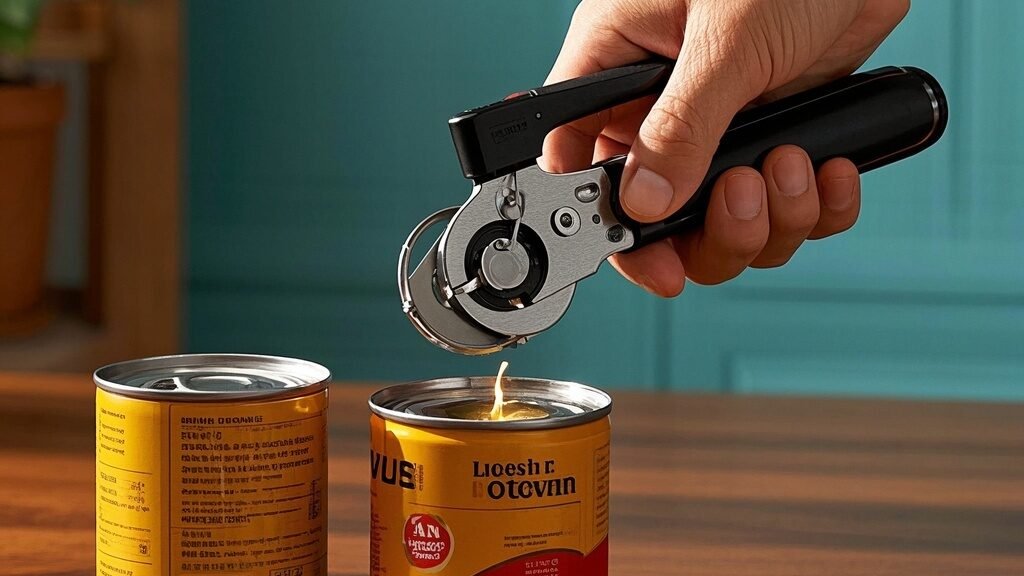
Do Electric Can Openers Slip While Opening?
Picture this: you’re preparing a simple meal, perhaps a favorite soup or some tuna for a sandwich. You reach for a manual can opener, but your grip isn’t what it used to be, or arthritis makes the twisting motion painful. The opener slips, leaving a jagged edge and a feeling of frustration. This common struggle is precisely where electric can openers promise a revolution in kitchen accessibility. For seniors and anyone with limited hand strength, the question isn’t just about convenience—it’s about maintaining independence in the kitchen. So, do these modern helpers live up to their promise, or do they slip and falter when you need them most? We’re examining the performance, safety, and real-world benefits of electric can openers to give you a clear answer.
Understanding How Electric Can Openers Work
Unlike their manual counterparts that require significant grip strength and rotational force, electric can openers use a small motor to do the hard work. You simply position the can, press a lever or button, and the device magnetically holds the lid while a cutting wheel smoothly travels around the rim. This fundamental difference in operation is what makes them a game-changer for many users.
Key Mechanism and Stability
The potential for slipping is significantly reduced by the design. Most quality models feature a powerful magnet that secures the lid once it’s cut, preventing it from falling into the food. The base of the opener is weighted or has strong suction feet to keep it stable on the countertop during operation. The cutting action is controlled and consistent, applying steady pressure that a human hand might struggle to maintain. While no tool is infallible, a well-designed automatic can opener is engineered specifically to minimize slippage, which is a frequent issue with manual openers when hand strength wanes.
Top Benefits for Seniors and Those with Limited Dexterity
The advantages of switching to an electric model extend far beyond just opening a can. They directly address the physical challenges that can make cooking a chore.
Reduced Physical Strain
The most immediate benefit is the elimination of twisting and gripping. For individuals with arthritis, carpal tunnel syndrome, or general weakness in the hands or wrists, this can mean the difference between preparing a nutritious home-cooked meal and relying on less healthy alternatives. The simple push-button operation requires minimal force.
Enhanced Safety and Independence
Safety is a paramount concern. Manual openers can leave sharp, jagged edges on both the can and the lid, posing a cut risk. Electric openers typically create a smooth, safe edge. Furthermore, the magnetic lid lifter means you never have to touch the sharp lid at all. This combination of features empowers seniors and others to maintain their kitchen independence safely and with confidence, reducing the need for assistance with a fundamental task.
Practical Tips for Choosing and Using Your Electric Can Opener
To ensure you get the best performance and avoid any issues, follow these practical guidelines.
Selecting the Right Model
Look for openers with large, easy-to-press buttons or levers. A model with an automatic stop that shuts off once the cutting is complete is a valuable feature. Consider the size of the base; a wider, heavier base offers more stability. Some modern automatic can openers also come with additional functions like knife sharpeners or bottle openers, which can be a handy bonus.
Ensuring Safe and Effective Use
Always place the opener on a clean, dry, and level countertop. Ensure the cutting mechanism is clean and free of food debris, as buildup can affect performance. Position the can squarely under the cutter before activating it. It’s also wise to have a spare can opener, manual or electric, in case of a power outage—a simple but often overlooked tip for preparedness.
Addressing Common Concerns and Limitations
While highly effective, electric can openers are not without their considerations. Being aware of these helps set realistic expectations.
Potential Drawbacks
They require counter space and access to an electrical outlet. They are also more expensive than manual openers and can be louder during operation. In very rare cases, a malfunction or improper positioning could cause a issue, but this is uncommon with reputable brands. They may also struggle with unusually shaped or very large commercial-sized cans, so it’s good to check the manufacturer’s specifications.
Maintenance and Longevity
Electric openers require occasional cleaning of the cutting wheel and magnet to prevent grease and food particle buildup, which could theoretically lead to less effective gripping over time. Following the manufacturer’s cleaning instructions is key to ensuring years of reliable service and preventing any performance degradation that might feel like “slipping.”
Who Should Consider an Electric Can Opener?
If you or a loved one experiences pain, weakness, or tremors in the hands; if safety around sharp edges is a concern; or if you simply want to make kitchen tasks effortless and consistent, an electric can opener is an excellent investment. It’s a tool designed to remove a barrier, promoting both safety and culinary independence. Find the perfect can opener for your needs below!
Related Guides:
- Best Rated Can Openers 2026 (All Categories)
- Best Can Opener for Seniors with Weak Grip (2026 Top Picks)
- Best Can Opener for Arthritis Patients (2026 Pain-Free Picks)
- Best Can Opener for Stroke Survivors (2026 Easy-Use Picks)
- Best Electric Can Opener (2026 Top-Rated Automatic Models)
- Best Hands-Free Can Opener (2026 No-Grip Effort Models)
- Best Manual Can Opener (2026 Ergonomic Low-Effort Models)
- Best Sharp-Edge-Free Can Opener (2026 Safe No-Cut Models)