Do Electric Can Openers Work for Arthritis and Carpal Tunnel?
Imagine the simple act of making dinner becomes a dreaded, painful task. Your hands, stiff and aching, struggle to grip the manual can opener. The twisting motion sends sharp discomfort through your wrist. That can of soup or beans sits on the counter, a frustrating barrier between you and a meal. For millions managing arthritis or carpal tunnel syndrome, this is a daily reality. The repetitive gripping and twisting required by traditional kitchen tools can transform basic food prep into a source of pain. This is where electric can openers enter the conversation, not merely as a convenience gadget, but as a potential tool for reclaiming kitchen independence. The core question isn’t just if they work, but *how effectively* they address the specific challenges of hand and wrist pain.
The Mechanics of Relief: How Electric Openers Reduce Strain
At its heart, an electric can opener fundamentally changes the physical demand. With a manual opener, you must provide constant grip force to clamp the device onto the can, combined with a sustained rotational force (often with a twisting wrist motion) to turn the crank. This combination heavily engages the small joints of the fingers and thumb, the tendons of the forearm, and the wrist—precisely the areas affected by arthritis and carpal tunnel.
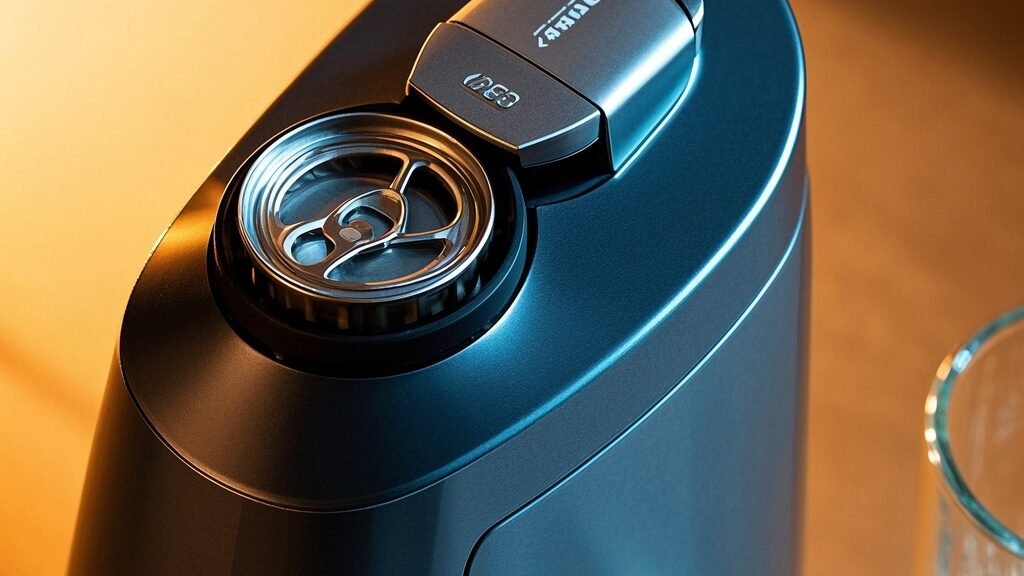
An electric model eliminates the crank-twisting motion entirely. Your task shifts from providing power to providing simple guidance. You place the opener on the can, press a button (often a large, paddle-style switch), and hold the appliance steady as the motor does the work. The required grip is minimal and static, not repetitive. This can significantly reduce joint stress, tendon strain, and the painful “pinching” sensations. It turns a dynamic, high-effort task into a passive, low-effort one. For many users, this simple shift is the difference between pain and practicality.
Performance and Real-World Use: Beyond the Basic Open
Modern electric can openers offer features that specifically enhance accessibility. Look for models with large, easy-press buttons or paddles that don’t require fine finger dexterity. A built-in knife sharpener or lid-lifting magnet adds further value by consolidating tasks and reducing the need to pry off a sharp lid manually. In our testing, a strong magnet that securely holds the lid after cutting is a major safety and convenience bonus, preventing awkward grabs.
However, not all electric openers are created equal. Some considerations are crucial. Weight and stability matter; a lightweight unit might slide around, requiring *more* stabilizing force from your hands, defeating the purpose. A heavier, solid base or a model that clamps to the countertop can be more user-friendly. Noise and speed vary, but a smoother, quieter operation generally indicates less vibration, which is better for sensitive hands. According to manufacturer specs, many are designed with “easy-touch” or “one-touch” operation specifically marketed toward users with limited hand strength.
Balancing the Benefits with Practical Drawbacks
It’s important to maintain a balanced view. Electric can openers excel at their primary job with minimal physical input, but they come with trade-offs. They require counter space, need an electrical outlet, and must be cleaned (often with more parts than a manual opener). They can also be bulkier to store. For someone with very severe weakness in both hands, even holding a unit steady or pressing a button might pose a challenge, though it’s typically far less demanding than cranking.
Another point is versatility. Most electric openers are designed for standard-sized cans. Odd shapes or very large/small cans might not fit correctly, potentially forcing a return to a manual tool. Battery life isn’t a concern as they are corded, but a power outage renders them useless. Therefore, while an electric opener can be a daily workhorse, having a simple, ergonomic manual opener as a backup is a wise strategy.
Who Should Consider an Electric Can Opener?
For individuals with arthritis, carpal tunnel, tendonitis, or general hand weakness, an electric can opener is far more than a luxury—it’s a legitimate assistive device that can reduce pain and foster independence in the kitchen. It is most beneficial for those who find the twisting motion of a manual crank particularly aggravating. If opening cans has become a task you avoid or endure with discomfort, making the switch is a logical and supportive step toward easier meal preparation.
The goal is to remove barriers, not add frustration. By offloading the strenuous physical effort to a motor, an electric can opener allows you to conserve energy and protect your joints for the other tasks that make up your day. It’s a small investment with a potentially significant impact on daily comfort and self-sufficiency.
Find the perfect can opener for your needs below!
Related Guides:
- Best Rated Can Openers 2026 (All Categories)
- Best Can Opener for Seniors with Weak Grip (2026 Top Picks)
- Best Can Opener for Arthritis Patients (2026 Pain-Free Picks)
- Best Can Opener for Stroke Survivors (2026 Easy-Use Picks)
- Best Electric Can Opener (2026 Top-Rated Automatic Models)
- Best Hands-Free Can Opener (2026 No-Grip Effort Models)
- Best Manual Can Opener (2026 Ergonomic Low-Effort Models)
- Best Sharp-Edge-Free Can Opener (2026 Safe No-Cut Models)