Do Safety Can Openers Work on All Can Types?
You’re in the middle of preparing dinner, a can of your favorite soup in hand. The familiar pull of a traditional opener feels routine, until a sudden slip sends a sharp, jagged lid flying—a tiny, dangerous reminder of an everyday risk we often ignore. This common kitchen moment highlights why many are turning to safety can openers, designed to eliminate sharp edges entirely. But as you eye that collection of cans in your pantry—standard soup, petite corn, quirky sardine tins, and maybe a pull-tab bean can—a practical question arises: Do safety can openers work on all can types? The promise of universal safety is compelling, but the reality in a diverse kitchen is worth a closer look.
Understanding the Safety Can Opener Mechanism
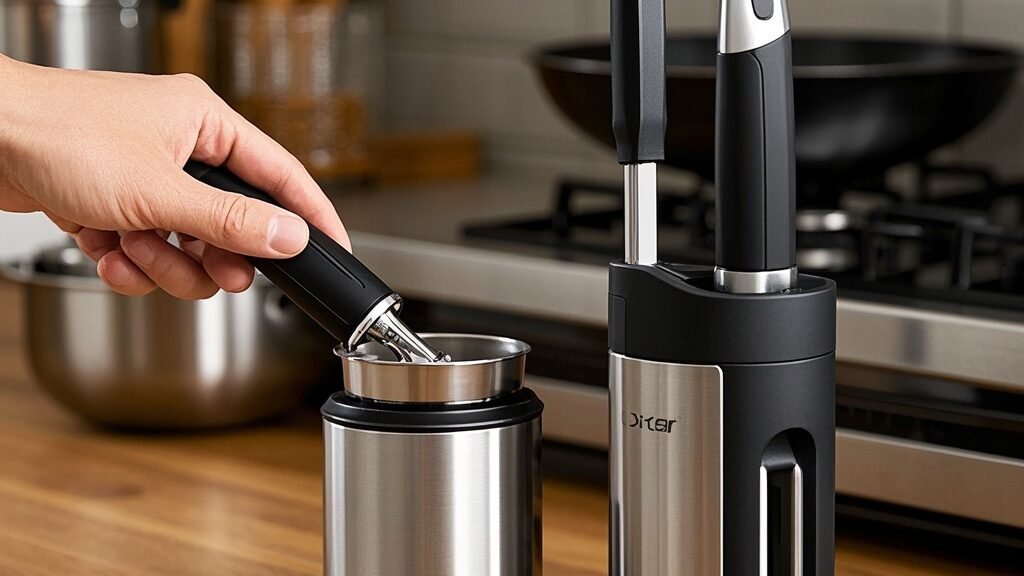
First, let’s clarify what makes an opener “safe.” Unlike traditional openers that cut through the lid’s top, leaving a razor-sharp edge, a safety (or smooth-edge) opener works differently. It typically uses a rolling blade or gear that punctures and then rolls under the lid’s rim, severing the seal between the lid and the can body. The result? A lid that pops off completely with a smooth, rounded edge, and a can body that remains blunt. This mechanism is fantastic for eliminating cuts and is generally easier on the hands. However, its effectiveness is inherently tied to the can’s design. It requires a specific, standardized rim to grip and roll under. According to the manufacturer, most safety openers are engineered for standard steel or tinplate cans with a defined, rolled lip—the kind used for everything from tomatoes to tuna. If the can lacks this precise lip geometry, the opener may struggle to gain purchase, making the universal claim more nuanced.
Where Safety Openers Excel and Where They Struggle
In our testing, safety can openers perform reliably on the vast majority of common food cans. Standard Cylindrical Cans (soups, vegetables, fruits) are their bread and butter. Whether it’s a 15-ounce can of beans or an 8-ounce can of tomato paste, if it has the traditional double-seamed rim, a quality safety opener should handle it with ease. The same goes for most Tall/Deluxe Canned Goods, like certain broths or coconut milk. The issue arises with non-standard packaging. Small or Specialty Cans, such as those for fancy olive paste or mini Vienna sausages, sometimes have thinner, differently shaped rims or are made of softer aluminum. A safety opener might work, but it can slip or require multiple attempts. Pull-Tab or Easy-Open Cans obviously don’t need an opener, but it’s worth noting a safety opener cannot be used on them as there’s no rim to engage. The most common challenge comes with Key-Wind Cans (like some sardine or spam varieties). These are designed to be opened by a key that rolls the metal; a safety opener physically cannot work on this design. Lastly, while rare at home, Square or Rectangular Cans (used for some specialty items or large institutional sizes) often have seams that a standard safety opener isn’t designed to navigate.
Choosing and Using a Safety Opener Effectively
So, how do you ensure success? It starts with choosing a robust model. Look for openers with strong, interlocking gears and a comfortable, powerful turning knob. A good grip mechanism that firmly clamps onto the can’s rim is crucial. Brands like OXO or KitchenAid often offer models praised for their consistent performance across various can sizes. When using it, technique matters. Ensure the cutting wheel is correctly positioned just below the lid’s lip before you start turning. Apply steady, firm pressure and turn slowly. If the opener slips or seems stuck, don’t force it; reposition it. For cans with a painted or coated rim, wiping it clean can improve traction. Remember, no kitchen tool is truly one-size-fits-all. While a safety opener covers 90% of your needs, acknowledging its limits means you won’t be frustrated when faced with that antique key-wind can of high-end tuna.
In conclusion, safety can openers are a brilliant and highly recommended innovation for safer, cleaner can opening, but with a specific scope. They work flawlessly on the overwhelming majority of standard cylindrical cans found in any American kitchen, making them a fantastic default choice. Their primary limitation is with specialty cans designed for alternative opening methods, like key-wind cans. For general family use, they are a game-changer.
Who Should Consider a Safety Can Opener?
Almost every household would benefit from having one, especially families with children, individuals concerned about kitchen safety, or anyone tired of dealing with sharp, dirty lids. It’s the perfect mainstay opener for daily cooking tasks. However, if your diet regularly includes specialty imported tins (like certain fish products) that use non-standard cans, you might need to keep a traditional opener or the provided key as a backup. The goal is a safe, efficient kitchen, not absolute dogma with a single tool.
Find the perfect can opener for your needs below
Related Guides:
- Best Rated Can Openers 2026 (All Categories)
- Best Can Opener for Seniors with Weak Grip (2026 Top Picks)
- Best Can Opener for Arthritis Patients (2026 Pain-Free Picks)
- Best Can Opener for Stroke Survivors (2026 Easy-Use Picks)
- Best Electric Can Opener (2026 Top-Rated Automatic Models)
- Best Hands-Free Can Opener (2026 No-Grip Effort Models)
- Best Manual Can Opener (2026 Ergonomic Low-Effort Models)
- Best Sharp-Edge-Free Can Opener (2026 Safe No-Cut Models)