Are Electric Can Openers Suitable for Aging Hands?
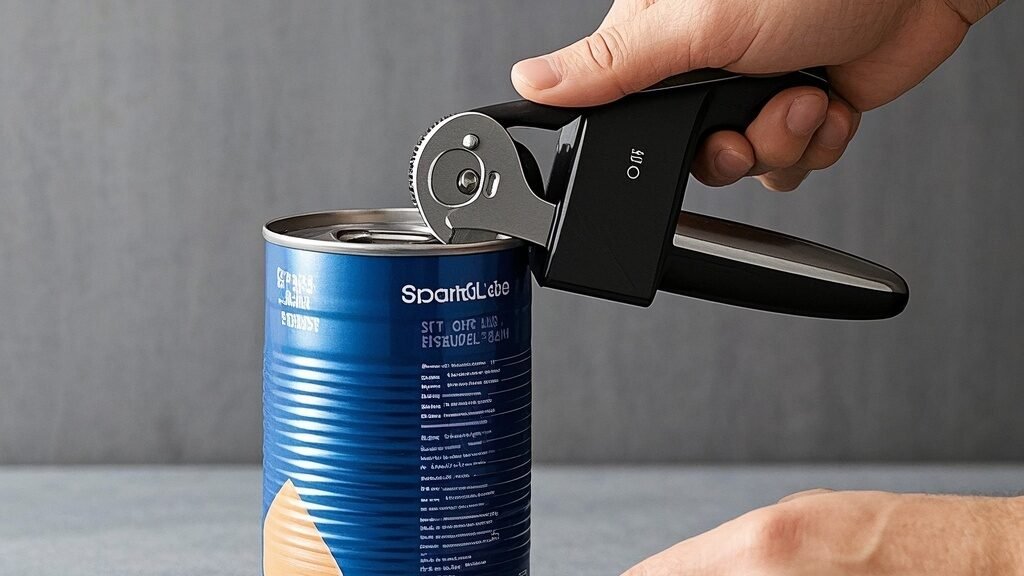
Opening a simple can of soup shouldn’t feel like a test of strength or a risky maneuver. Yet, for many older adults or individuals with conditions like arthritis, carpal tunnel, or reduced grip strength, that’s exactly what a manual can opener represents. The twisting, the pressure, the sharp edges—it transforms a basic kitchen task into a source of frustration or even pain. The kitchen, a place of independence and nourishment, can suddenly present barriers. This is where the modern electric can opener steps in, not just as a convenience gadget, but as a potential tool for maintaining autonomy in the kitchen.
How Electric Can Openers Empower Seniors and Those with Limited Dexterity
The core benefit of an automatic or electric can opener is the dramatic reduction in physical effort required. This translates directly into several key advantages for aging hands.
Reduced Physical Strain
Manual openers demand significant grip strength, wrist rotation, and downward pressure. For hands stiff from arthritis or weakened by age, this action can be painful and difficult. An electric model requires only a light touch to position the can and press a button. The motor does all the work, smoothly cutting the lid without any twisting force from the user. This can help prevent joint pain and fatigue, making meal preparation less daunting.
Enhanced Safety Features
Safety is a paramount concern. Many electric openers are designed with hands-off operation. They magnetically lift and hold the cut lid, eliminating the need to touch a sharp, potentially jagged edge. This significantly reduces the risk of cuts, which can be more serious for seniors whose skin may be thinner and heal slower. Furthermore, stable, non-slip bases prevent the appliance from “walking” during use, a common issue with cheaper manual models that require stabilization.
Key Features to Look for in a Senior-Friendly Model
Not all electric can openers are created equal. When selecting one for ease of use, focus on these specific features.
Ease of Use and Operation
Look for models with large, clearly marked, and easy-to-press buttons or levers. A simple one-touch operation is ideal. The unit should be lightweight enough to move but have a heavy, stable base. Consider the height—some are designed to be tall enough to accommodate large cans without tipping. An automatic shut-off feature is excellent, as it turns the machine off once the cutting cycle is complete, conserving battery (if cordless) and providing peace of mind.
Versatility and Additional Functions
Many modern electric openers are multi-functional. Look for units that can also open bottles with twist-off caps or pop-top cans. Some even include a built-in knife sharpener. This consolidation reduces kitchen clutter and the need to manage multiple tools. For those with very limited strength, a hands-free model where you simply place the can under the mechanism and press down can be the ultimate solution, requiring minimal coordination.
Practical Tips and Safety Considerations for Daily Use
Integrating a new appliance smoothly involves a few best practices to ensure safety and longevity.
Setup and Maintenance
Always place the opener on a clean, dry, and level countertop. Ensure the cutting mechanism is clean and free of old food debris, which can hinder performance and hygiene. Most cutting heads are removable for easy washing. For corded models, manage the cord to avoid creating a tripping hazard. For cordless models, establish a routine for recharging so it’s always ready when needed.
Safety First Practices
Even with a magnetic lid lifter, it’s wise to dispose of the cut lid immediately into the recycling or trash. Never leave it sitting on the counter. Always ensure the can opener is turned off and unplugged (or powered down) before cleaning. Read the manufacturer’s instructions for the specific model, as weight limits or can size restrictions may apply. While these tools are designed for safety, they are still electrical appliances with moving parts and should be kept away from water and used with attention.
Who Should Consider an Electric Can Opener?
An electric can opener is an excellent investment for seniors experiencing hand stiffness, arthritis, or general weakness. It’s equally suitable for anyone with temporary or permanent limited mobility in their hands or wrists, such as those recovering from surgery or living with conditions like Parkinson’s. Ultimately, it’s a tool that prioritizes safety, reduces physical strain, and helps preserve the simple joy and independence of preparing one’s own meals. If the act of opening a can has become a challenge, this small appliance can make a significant difference in daily kitchen confidence.
Find the perfect can opener for your needs below!
Related Guides:
- Best Rated Can Openers 2026 (All Categories)
- Best Can Opener for Seniors with Weak Grip (2026 Top Picks)
- Best Can Opener for Arthritis Patients (2026 Pain-Free Picks)
- Best Can Opener for Stroke Survivors (2026 Easy-Use Picks)
- Best Electric Can Opener (2026 Top-Rated Automatic Models)
- Best Hands-Free Can Opener (2026 No-Grip Effort Models)
- Best Manual Can Opener (2026 Ergonomic Low-Effort Models)
- Best Sharp-Edge-Free Can Opener (2026 Safe No-Cut Models)