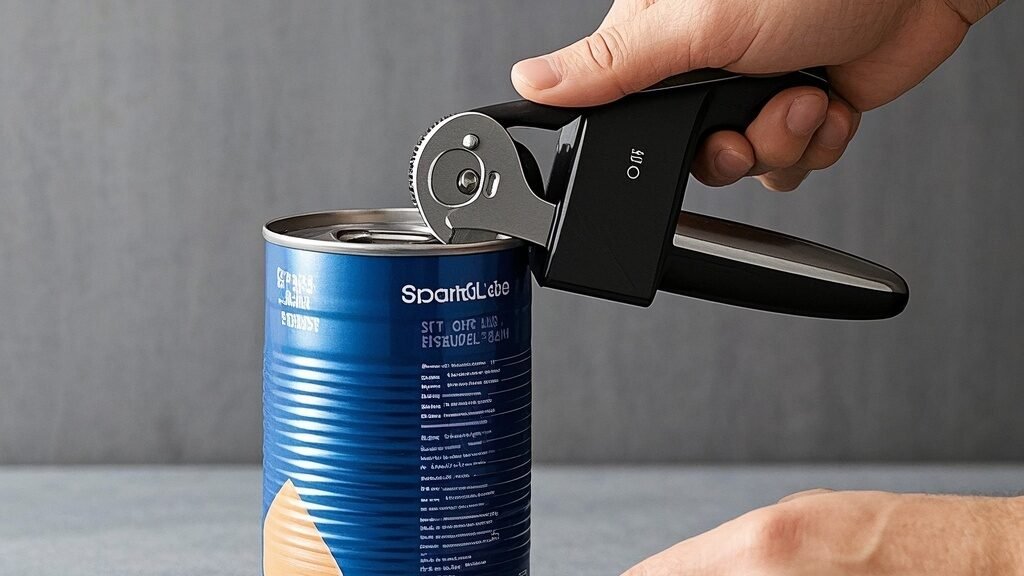
Are Electric Can Openers Hard to Store?
Picture this: you’ve just found the perfect kitchen helper for your elderly parent, one that promises to make opening cans effortless and safe. The excitement fades slightly as you unbox it and realize this new electric can opener needs a permanent spot on the counter. Suddenly, the question shifts from “Will this work?” to “Where will this live?” For many, especially those in smaller homes or with minimalist kitchens, storage isn’t just an afterthought—it’s a primary concern that can make or break a purchase.
Electric and automatic can openers are incredible tools designed to empower independence, particularly for seniors and individuals with arthritis or limited hand strength. They eliminate the need for twisting, gripping, and applying pressure, turning a potentially painful or risky task into a simple button press. But their convenience comes with a physical footprint. Let’s explore the real storage implications of these devices and how to seamlessly integrate them into your kitchen workflow.
Understanding the Design and Storage Footprint
Modern electric can openers are more than just motorized versions of their manual counterparts. Their design directly impacts where and how you can store them.
Size and Shape Variations
Not all electric openers are created equal. The classic vertical “wall-mounted” style has a smaller base but requires clearance underneath for the can. Countertop horizontal models often have a larger footprint but a lower profile. Newer, more compact “automatic” openers that magnetically grab the lid can be surprisingly space-efficient. Measuring your available counter, cabinet, or drawer space before buying is crucial.
The Cord Conundrum
Most models are corded, which adds to the bulk. Look for units with a cord wrap or storage feature on the underside. Some users opt for a small, dedicated power strip inside a cabinet to avoid constantly plugging and unplugging. While cordless models exist, they require battery management and often have less power, which may not be ideal for all users.
Practical Storage Solutions and Tips
With a little creativity, you can enjoy the benefits of an electric opener without sacrificing precious kitchen real estate.
Dedicated Countertop Corner
If counter space allows, designate a small corner near other small appliances. Placing it on a non-slip mat or a small tray makes it easy to move for cleaning and creates a defined “station.” This is often the best solution for seniors, as it keeps the device readily accessible without requiring lifting or reaching.
Smart Cabinet and Drawer Storage
For a clutter-free look, store the opener in a lower cabinet or a wide drawer. Ensure the drawer is deep enough and that you leave the cord accessible for easy removal. This approach works well if you use the opener less frequently or have help in the kitchen. Always check the product’s dimensions against your cabinet shelves.
Vertical and Wall Space
Some models are designed to be mounted under a cabinet, which is a brilliant space-saving solution. These keep the counter clear and at a convenient height. Ensure the mounting hardware is sturdy and the location has easy access to an outlet. Freestanding vertical models can also be tucked against the backsplash between other items.
Safety and Accessibility Considerations
For the primary audience—seniors and those with limited dexterity—storage is deeply tied to safety and ease of use.
Ease of Access is Paramount
The greatest tool is useless if it’s hard to reach. Storing a heavy opener on a high shelf or in a deep cabinet can pose a fall risk. The ideal storage spot requires minimal bending, lifting, or stretching. A countertop location, while using space, often wins for pure accessibility and safety.
Stability and Setup
Wherever you store it, the unit must be placed on a stable, level surface during use. A wobbly opener can be dangerous. If storing in a cabinet, consider if the user can easily lift it out and place it securely on the counter. Lightweight models with built-in cord storage score high marks here.
Cleaning and Maintenance
Easy storage should not complicate cleaning. Removable cutting heads and easy-wipe surfaces are essential features. A design that allows you to clean it without disassembling multiple parts encourages hygiene and prolongs the device’s life, making the storage routine simpler.
Product Recommendations for Easy Integration
When choosing a model, prioritize features that aid storage and access. Look for compact designs, cord management, and lightweight construction. Brands like Hamilton Beach and Cuisinart offer reliable countertop models with relatively small footprints. For a truly space-saving, modern approach, automatic openers like the OXO Good Grips Smooth Edge Opener are cordless, compact, and store flat in a drawer, though they require more hand placement precision.
Ultimately, the “hard to store” question depends on your space and needs. By weighing the convenience of instant access against your desire for clear counters, you can find a perfect balance. The right electric can opener isn’t just a kitchen tool; it’s a key to independence and safety.
Who Should Consider an Electric Can Opener? This tool is a game-changer for seniors, individuals with arthritis, limited hand strength, or tremors, and anyone who values convenience and safety in the kitchen. If you have a designated spot—whether on the counter, in a drawer, or under a cabinet—the storage challenge is easily overcome by the immense daily benefit. Find the perfect can opener for your needs and space below!
Related Guides:
- Best Rated Can Openers 2026 (All Categories)
- Best Can Opener for Seniors with Weak Grip (2026 Top Picks)
- Best Can Opener for Arthritis Patients (2026 Pain-Free Picks)
- Best Can Opener for Stroke Survivors (2026 Easy-Use Picks)
- Best Electric Can Opener (2026 Top-Rated Automatic Models)
- Best Hands-Free Can Opener (2026 No-Grip Effort Models)
- Best Manual Can Opener (2026 Ergonomic Low-Effort Models)
- Best Sharp-Edge-Free Can Opener (2026 Safe No-Cut Models)