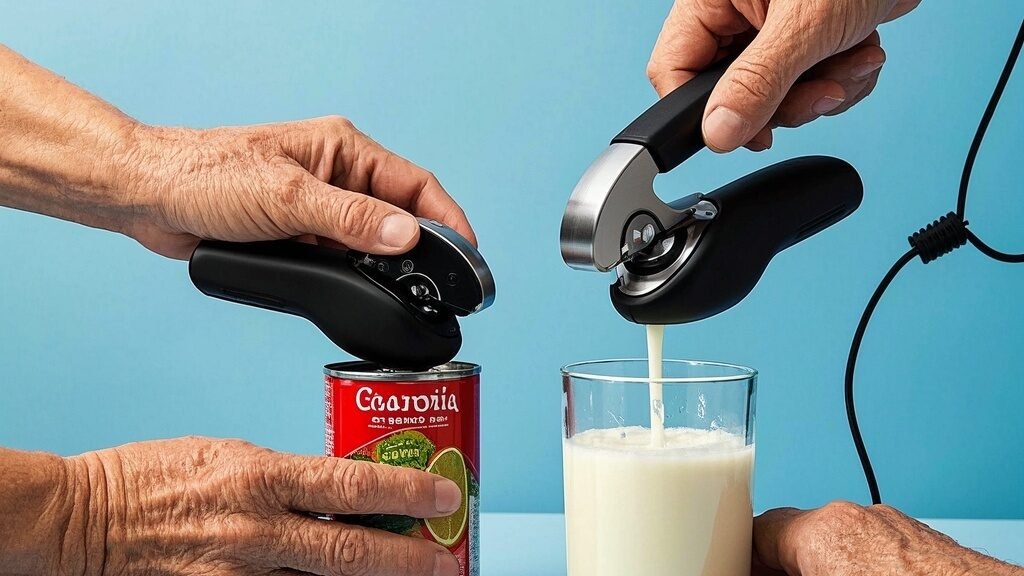
Can Electric Can Openers Improve Kitchen Independence?
For many, opening a can is a simple, two-second task. But for millions of Americans, particularly seniors and those with arthritis or limited hand strength, that simple twist of a manual opener can be a source of frustration, pain, and even danger. The kitchen, a place of creativity and nourishment, can become a battleground. This is where a well-chosen electric can opener steps in, not just as a gadget, but as a tool that can genuinely reclaim autonomy in one of the most important rooms in the home.
Beyond Convenience: The Real Benefits of Electric Can Openers
While anyone can appreciate the hands-free ease of an electric can opener, the advantages are profoundly impactful for specific groups. The core benefit is the dramatic reduction of physical effort required. Manual openers demand significant grip strength, wrist torque, and sustained pressure—all of which can be challenging or painful.
Key Advantages for Accessibility: An automatic model requires only a light press of a button. This empowers individuals with conditions like arthritis, Parkinson’s, or recovering from hand surgery to access canned goods safely and without assistance. It transforms a daunting task into a simple, independent act, boosting confidence and encouraging better nutrition by making pantry staples readily available.
Enhanced Safety Features: Modern electric openers are designed with safety in mind. Many feature hands-free operation where the machine grips and rotates the can, eliminating the risk of slips and cuts from sharp lids. The lids are often removed smoothly and held magnetically, so users never have to touch the sharp edge. This is a critical improvement over the jagged, sometimes dangerous lids left by traditional openers.
Choosing the Right Opener: Features That Matter
Not all electric can openers are created equal, especially when prioritizing accessibility and ease of use. Knowing what to look for can make all the difference in finding a tool that truly enhances kitchen independence.
Operation and Handling: Look for models with large, easy-to-press buttons or paddles, which are better than small switches for those with dexterity issues. A lightweight design is also important for easy retrieval from a cabinet. Consider whether a vertical (side-cutting) or horizontal (top-cutting) model is preferable; side-cutting openers often take up less counter space.
Essential Functions: Beyond opening cans, many units offer added functions that reduce the need for other tools. A built-in knife sharpener is common. More valuable for some users might be a bottle opener function, eliminating another task that requires grip strength. Some high-end models even open pouches and jars, consolidating tasks.
Ease of Cleaning: A tool is only helpful if it’s easy to maintain. Seek out openers with removable cutting assemblies that are dishwasher safe. A smooth, simple exterior without many crevices will prevent food gunk buildup and make wiping down a breeze.
Practical Tips and Safety Considerations
Integrating any new appliance comes with a learning curve. Following a few best practices ensures your electric can opener remains a safe and reliable companion in the kitchen.
Safe Setup and Use: Always place the opener on a stable, dry, level surface. Ensure the power cord is tucked away to prevent tripping. Before use, align the can’s rim properly under the cutting mechanism—most models have a guide or lever to assist. Never force a can or try to open a severely dented or damaged can, as this can damage the cutter or cause unsafe operation.
Maintenance for Longevity: Regular cleaning is non-negotiable. Wipe away food debris after each use to prevent corrosion and bacterial growth. Periodically check the cutting wheel for dullness and follow the manufacturer’s instructions for replacement. A drop of mineral oil on the cutter’s moving parts once a year can keep the action smooth and quiet.
Power and Placement: Be mindful of the power source. An opener with a long cord offers more flexibility for kitchen layout. For those with significant counter space limitations, a compact, cordless electric can opener that recharges might be an excellent, portable solution.
Who Should Consider an Electric Can Opener?
The short answer is: anyone for whom a manual opener causes strain, pain, or anxiety. This includes seniors aiming to age in place comfortably, individuals with arthritis, carpal tunnel, or reduced hand strength, and people recovering from injuries or surgery. It’s also a thoughtful gift for a loved one who values their independence in the kitchen. By removing a small but significant barrier, an electric can opener does more than open cans—it opens up a world of self-sufficiency and safe, enjoyable cooking.
Find the perfect can opener to support your kitchen independence below!
Related Guides:
- Best Rated Can Openers 2026 (All Categories)
- Best Can Opener for Seniors with Weak Grip (2026 Top Picks)
- Best Can Opener for Arthritis Patients (2026 Pain-Free Picks)
- Best Can Opener for Stroke Survivors (2026 Easy-Use Picks)
- Best Electric Can Opener (2026 Top-Rated Automatic Models)
- Best Hands-Free Can Opener (2026 No-Grip Effort Models)
- Best Manual Can Opener (2026 Ergonomic Low-Effort Models)
- Best Sharp-Edge-Free Can Opener (2026 Safe No-Cut Models)