Do Ergonomic Can Openers Reduce Wrist Strain?
Imagine it’s the end of a long day, and you’re preparing a quick dinner. You reach for a can of beans, but the simple act of twisting a manual opener sends a sharp twinge through your wrist, turning a mundane task into a moment of frustration. This common scenario highlights a silent kitchen struggle many face. The quest for pain-free meal prep has brought ergonomic kitchen tools into sharp focus, with one question at the forefront: do ergonomic can openers truly reduce wrist strain? The answer, supported by design innovation and user experience, is a resounding yes, offering a blend of biomechanical relief and practical safety.
The Mechanics of Strain and Ergonomic Intervention
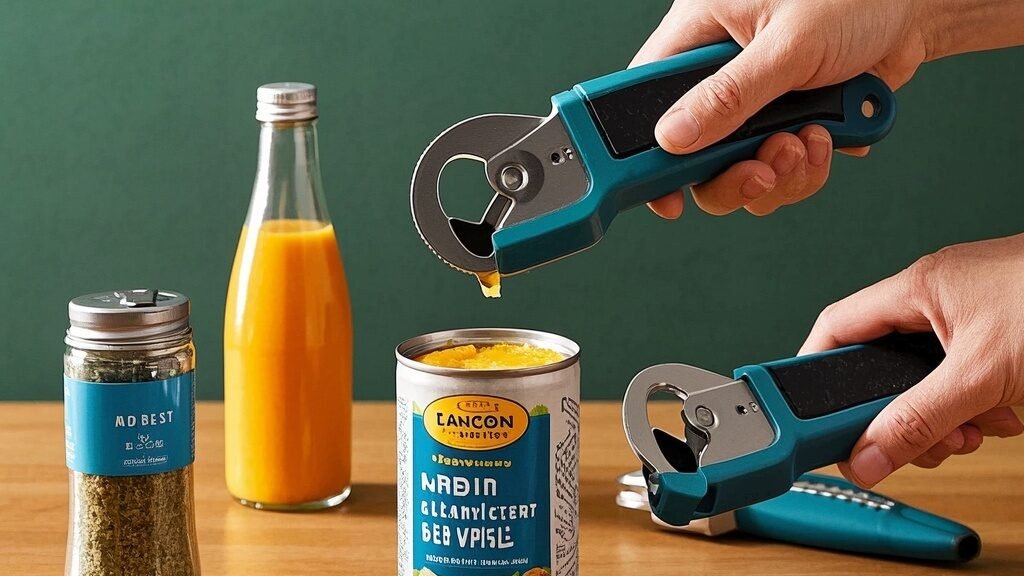
Traditional manual can openers often require a combination of forceful grip, repetitive wrist rotation, and sustained pressure. This motion can strain the tendons and muscles in the wrist and forearm, particularly for individuals with conditions like arthritis or carpal tunnel syndrome. Ergonomic can openers are specifically engineered to counteract these stressors. Their primary defense is in the handle design. Unlike slim, hard metal handles, ergonomic models feature oversized, soft-grip handles that contour to the palm. This design achieves two key goals: it distributes pressure over a larger surface area, reducing point stress, and provides a secure, non-slip grip that minimizes the need for excessive squeezing force from your fingers and hand. According to manufacturer specifications and user testimonials, this thoughtful contouring allows the hand to maintain a more neutral, comfortable position, significantly lowering the muscular effort required to puncture and turn the lid. By aligning the tool’s operation with natural hand movements, these openers transform a taxing twist into a smoother, more manageable action.
Beyond the Handle: Safety and Ease of Operation
Reducing wrist strain isn’t solely about a comfortable grip; it’s also about minimizing the overall effort and risk involved in the task. Many modern ergonomic openers, both manual and electric, incorporate a smooth-edge cutting mechanism. Instead of cutting down into the lid’s top—which often leaves a sharp, hazardous rim—these devices cut laterally along the inner side of the can. The result is a perfectly smooth lid edge that eliminates the risk of cuts, a feature particularly valued in households with children. From a strain perspective, this side-cutting action often requires less initial downward force to engage, easing the burden on the wrist from the very start of the operation. Furthermore, the mechanical advantage built into the turning gear of high-quality manual models ensures the cutting blade moves with efficiency, so less rotational force is transferred from your wrist to the tool. For users with limited strength or joint pain, this efficient operation means completing the task with fewer painful rotations, directly contributing to reduced fatigue and strain.
Electric vs. Ergonomic Manual: Choosing Your Solution
The conversation about eliminating wrist strain inevitably leads to the choice between advanced ergonomic manual openers and their electric counterparts. Ergonomic manual openers, like those with soft-grip, oversized handles, offer a significant upgrade from basic models by improving leverage and comfort. They are typically more affordable, portable, and require no batteries or outlets, making them a reliable, low-tech solution that directly addresses grip and rotational strain.
However, for maximum reduction of physical effort, automatic electric can openers present the most straightforward solution. These devices operate with a simple button press, performing the cutting and turning action autonomously. As noted in user reviews, this completely eliminates the repetitive wrist motion and gripping force required by any manual tool. They are frequently highlighted as ideal for seniors or anyone with arthritis, weakness, or chronic hand pain, as they reduce the task to a single, effortless motion. While they involve a higher upfront cost and require counter space and power, the benefit for those seeking to minimize wrist strain is unparalleled. The choice ultimately hinges on the individual’s specific needs, severity of strain, and kitchen habits.
The evidence is clear: ergonomic can openers are a meaningful and effective tool for reducing wrist strain. They achieve this not through a single feature, but through an integrated design philosophy that prioritizes the user’s physical comfort. From contoured handles that improve grip and leverage to innovative cutting mechanisms that minimize effort, these tools turn a potentially painful chore into a simple, safe action. Whether you opt for a sophisticated manual model or step into the ease of an automatic electric opener, you are investing in the long-term comfort and health of your hands and wrists.
Who Should Consider an Ergonomic Can Opener?
This solution is not limited to those with diagnosed conditions. Anyone who experiences hand fatigue, mild discomfort, or simply wishes to preemptively protect their joints during daily kitchen tasks can benefit. They are especially recommended for individuals with arthritis, carpal tunnel syndrome, reduced grip strength, or those recovering from hand or wrist injuries. For seniors seeking to maintain independence in the kitchen or home cooks looking to make meal prep more enjoyable, an ergonomic can opener is a small upgrade with a significant impact on daily comfort.
Find the perfect can opener for your needs and say goodbye to kitchen strain!
Related Guides:
- Best Rated Can Openers 2026 (All Categories)
- Best Can Opener for Seniors with Weak Grip (2026 Top Picks)
- Best Can Opener for Arthritis Patients (2026 Pain-Free Picks)
- Best Can Opener for Stroke Survivors (2026 Easy-Use Picks)
- Best Electric Can Opener (2026 Top-Rated Automatic Models)
- Best Hands-Free Can Opener (2026 No-Grip Effort Models)
- Best Manual Can Opener (2026 Ergonomic Low-Effort Models)
- Best Sharp-Edge-Free Can Opener (2026 Safe No-Cut Models)