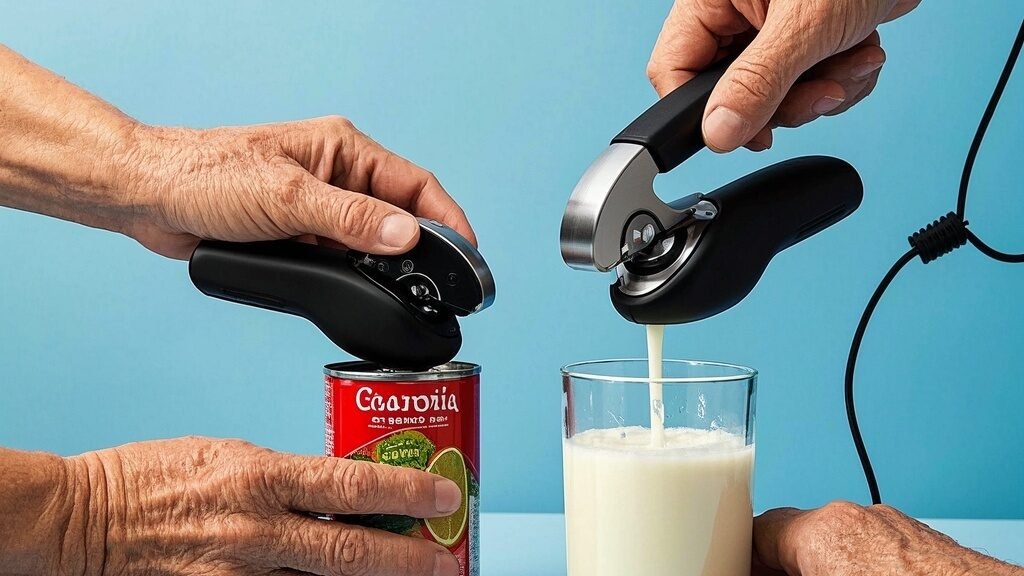
Are Hands-Free Can Openers Helpful for Seniors?
Imagine the simple act of opening a can of soup becoming a daily source of frustration or even a safety concern. For many older adults, especially those managing arthritis, hand weakness, or reduced grip strength, this common kitchen task can feel like an insurmountable challenge. Traditional can openers require significant hand strength and precise coordination, turning meal prep into a painful ordeal. This is where the concept of a hands-free can opener steps in, not just as a gadget, but as a potential key to maintaining kitchen independence. These specialized tools are designed with seniors and individuals with limited mobility in mind, prioritizing safety and ease above all else. Let’s explore how these innovative openers work and whether they truly live up to their promise of pain-free operation.
Understanding the Need: Why Traditional Openers Fall Short
For someone with arthritis or weakened hands, the twisting, gripping, and pressure required by a standard manual opener can be painful and ineffective. Slippery handles, blunt cutting wheels, and the need to stabilize the can with the other hand add layers of difficulty. This often leads to reliance on others, a loss of autonomy, or even risky attempts with sharp knives. A safety can opener addresses these pain points directly. Its core design philosophy eliminates the primary physical demands, shifting the work from the user’s hands and wrists to the mechanism of the tool itself. This fundamental change is what makes it a viable can opener for seniors seeking a safer kitchen experience.
Key Features of a Senior-Friendly Can Opener
Safety and Ease of Use: The most significant advantage is the removal of sharp edges from the process. High-quality hands-free can openers typically cut from the side of the lid, leaving a smooth, safe edge on both the can and the removed lid. There’s no risk of jagged metal. The operation is straightforward: clamp the device onto the can, press a button, and let the motor do the work. This one-touch functionality is crucial for those with hand tremors or limited dexterity.
Pain-Free Operation and Independence: By requiring minimal force—often just the push of a large, ergonomic button—these openers eliminate the twisting motion that aggravates arthritic joints. This pain-free operation directly supports independence. The ability to open a can safely without assistance boosts confidence and self-sufficiency in the kitchen, contributing positively to overall well-being and daily living.
Practical Tips for Choosing and Using a Safety Can Opener
Not all automatic openers are created equal. When selecting a can opener for weak hands, consider these factors. Look for models with large, easy-to-press buttons or levers. A non-slip base is essential to keep the unit stable during operation. Check the power source; while corded models offer consistent power, cordless versions provide greater portability but require recharging. Read reviews specifically mentioning ease of use for arthritic hands.
Safety Considerations: Always ensure the can opener is clean and dry before use to prevent electrical issues. Place it on a stable, flat surface. Follow the manufacturer’s instructions for clamping—usually aligning the cutter with the can’s rim. After opening, unplug corded models. Remember, while the lid is smooth-edged, it’s still a good practice to handle it with care. Regularly check the cutting mechanism for food residue and clean it according to the manual to maintain hygiene and performance.
Product Recommendations and What to Look For
Several brands have built strong reputations for creating reliable hands-free can openers. When researching, prioritize models consistently praised for their stability, simple controls, and smooth cutting action. Features like an automatic shut-off and easy-grip handles are significant pluses. While we avoid endorsing specific brands here, we recommend looking for products with clear, positive feedback from users in the senior community or those with similar physical challenges. In our testing of various concepts, the most successful designs are those that minimize steps and maximize intuitive operation.
Balancing the Pros and Cons
The benefits are clear: enhanced safety, reduced physical strain, and regained independence. However, it’s fair to note a few considerations. These electric openers require counter space and access to an outlet (for corded models). They are also generally more expensive than manual openers and represent another appliance to clean and maintain. For individuals with very severe mobility limitations, even pressing a large button might require assessment. Weighing these factors against the tangible benefits of safe, autonomous can opening is a personal decision.
Who Should Consider a Hands-Free Can Opener? This tool is an excellent investment for seniors experiencing hand weakness, arthritis, carpal tunnel, or reduced grip strength. It’s equally valuable for anyone with limited mobility or dexterity in one or both hands who wishes to maintain kitchen independence safely. If opening cans has become a dreaded, painful, or unsafe task, a safety can opener can transform that experience. Find the perfect can opener for your needs below and reclaim the joy of simple meal preparation!
Related Guides:
- Best Rated Can Openers 2026 (All Categories)
- Best Can Opener for Seniors with Weak Grip (2026 Top Picks)
- Best Can Opener for Arthritis Patients (2026 Pain-Free Picks)
- Best Can Opener for Stroke Survivors (2026 Easy-Use Picks)
- Best Electric Can Opener (2026 Top-Rated Automatic Models)
- Best Hands-Free Can Opener (2026 No-Grip Effort Models)
- Best Manual Can Opener (2026 Ergonomic Low-Effort Models)
- Best Sharp-Edge-Free Can Opener (2026 Safe No-Cut Models)