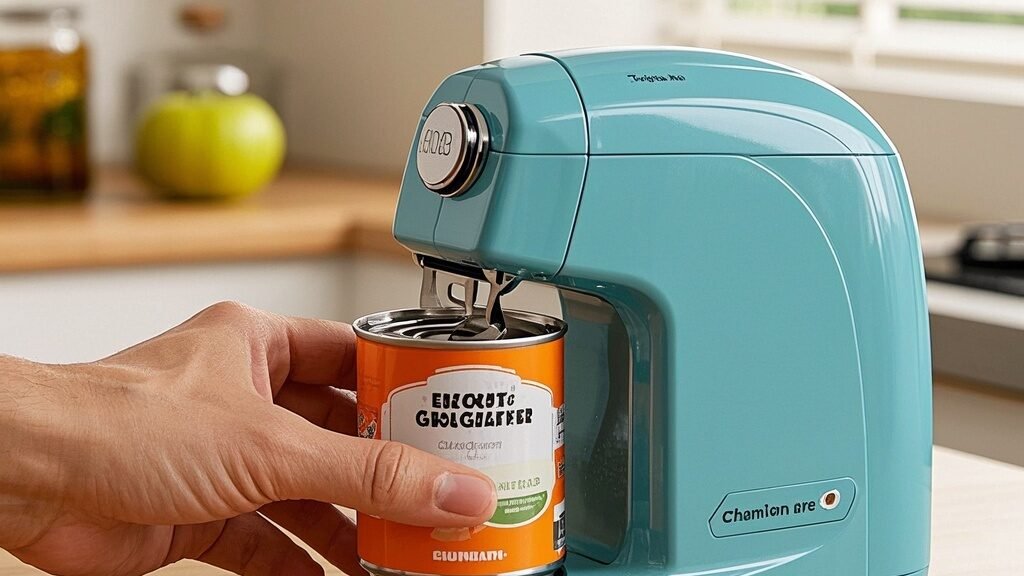
Can Hands-Free Can Openers Reduce Strain?
Opening a simple can of soup shouldn’t feel like a workout. Yet, for millions of Americans, the twisting, gripping, and pressure required by a traditional can opener transforms a basic kitchen task into a source of pain and frustration. This is especially true for seniors, individuals with arthritis, or anyone experiencing weakness in their hands. The good news is that kitchen innovation has caught up to this common challenge. Modern hands-free can openers are specifically engineered to eliminate the strain, offering a safer, more accessible path to independence in the kitchen.
Understanding the Need: Why Traditional Openers Fall Short
For those with conditions like arthritis, carpal tunnel syndrome, or general loss of grip strength, the mechanics of a standard manual opener are problematic. The action requires significant pinch force to clamp the device onto the can, sustained wrist rotation to turn the knob, and fine motor control to guide the cutter. This combination can lead to immediate pain, joint stress, and even the risk of dropping the opener or the can itself. Safety can openers address these points of failure by redesigning the entire process. They prioritize stability, leverage, and automation to transfer the work from your hands and wrists to the tool’s mechanism.
Key Features of a Senior-Friendly Can Opener
When shopping for an opener designed to reduce strain, look for these critical features that define the best can openers for seniors and those with limited mobility.
Hands-Free and Automatic Operation: The hallmark of strain reduction. These models clamp onto the can’s rim with a simple lever press or button. Once engaged, an electric motor does all the work, rotating the can and cutting the lid seamlessly. Your role is reduced to placing the can and pressing a button.
Ergonomic and Lever-Action Designs: For non-electric options, side-mounted or under-the-cabinet openers use long levers. This design provides immense mechanical advantage, turning the difficult twisting motion into an easy push-down action that requires minimal grip strength.
Safety-First Cutting Mechanisms: The best safety can openers cut from the side, leaving a smooth, safe lid edge that’s never exposed to your fingers. This eliminates the risk of cuts from sharp, traditional lids. Some also magnetically hold the cut lid for easy disposal.
Large, Easy-to-Use Controls: Oversized buttons, paddles, or soft-touch levers are easier to locate and activate for stiff or less-sensitive fingers, making the opener accessible without precise dexterity.
Practical Tips for Safe and Pain-Free Use
Choosing the right tool is the first step; using it effectively ensures lasting benefits. Here are practical tips to maximize safety and ease.
Stability is Paramount: Always place the can opener on a clean, dry, and stable countertop. For electric models, ensure the cord is tucked away to prevent tripping. For lever-style openers mounted under a cabinet, verify the installation is secure before first use.
Follow the Manufacturer’s Instructions: This seems obvious, but it’s crucial. Each model has specific loading instructions—aligning the cutter correctly ensures a smooth cut and prevents jamming. Don’t force a can that doesn’t seem to fit; most openers are designed for standard-sized cans.
Routine Maintenance for Longevity: Keep the cutting wheel clean and free of food debris. A quick wipe after each use prevents buildup that can hinder performance. For electric models, avoid immersing the motor body in water; clean with a damp cloth instead.
Creating an Accessible Kitchen Workspace: Store your hands-free can opener in an easily reachable place, not buried in a deep drawer. Pair it with other adaptive tools like jar openers and easy-grip utensils to create a low-strain cooking environment that fosters independence.
Evaluating Your Options: What to Look For
With several types on the market, selecting the best model depends on individual needs and abilities.
Automatic Electric Openers: These offer the highest degree of ease. They are ideal for individuals with very weak grip strength or significant arthritis in both hands. The primary consideration is that they require an outlet and counter space. In our testing, models with a simple one-touch operation and automatic shut-off are consistently the easiest to use.
Lever-Style (Side-Cutting) Openers: These manual openers are excellent for those who prefer a non-electric tool or have limited counter space. Mounted to the edge of a counter or under a cabinet, they use a long lever to generate cutting force with minimal effort. They provide a superb blend of safety (smooth edges) and mechanical advantage.
Traditional-Style Ergonomic Openers: Some manual openers feature oversized, soft-grip handles and geared mechanisms that reduce the force needed to turn the knob. These can be a good transitional option if a user is familiar with the traditional form but needs reduced effort.
Regardless of type, always check the product specifications for weight and can size limits to ensure compatibility with the cans you use most.
Who Should Consider a Hands-Free Can Opener?
If opening cans causes you pain, hesitation, or anxiety, it’s time for a change. Hands-free can openers are not just a convenience; they are tools for maintaining kitchen autonomy and safety. They are specifically beneficial for seniors, individuals with arthritis, osteoporosis, Parkinson’s disease, or recovering from hand/wrist injuries. By removing the physical barrier of a stubborn can lid, these openers help preserve energy and confidence for the joys of cooking and meal preparation. Find the perfect can opener for your needs and reclaim your comfort in the kitchen today!
Related Guides:
- Best Rated Can Openers 2026 (All Categories)
- Best Can Opener for Seniors with Weak Grip (2026 Top Picks)
- Best Can Opener for Arthritis Patients (2026 Pain-Free Picks)
- Best Can Opener for Stroke Survivors (2026 Easy-Use Picks)
- Best Electric Can Opener (2026 Top-Rated Automatic Models)
- Best Hands-Free Can Opener (2026 No-Grip Effort Models)
- Best Manual Can Opener (2026 Ergonomic Low-Effort Models)
- Best Sharp-Edge-Free Can Opener (2026 Safe No-Cut Models)