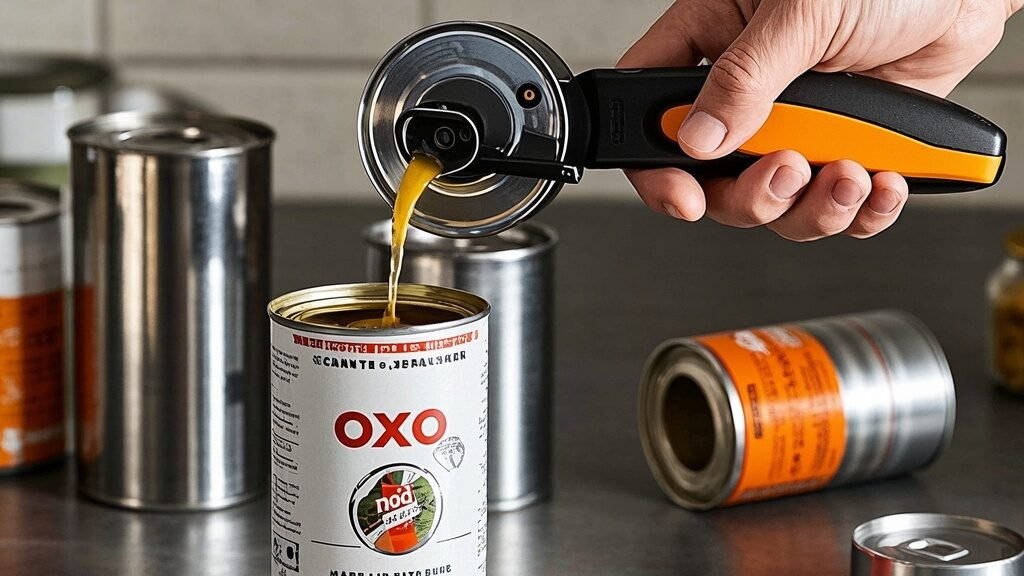
Let’s be real, folks. In the hustle and bustle of everyday life, the last thing you want is your kitchen gadget calling it quits right when you need it. Whether you’re prepping a quick chili or opening a can of peaches for dessert, a battery-powered can opener is supposed to make life easier—not leave you stranded. So, the million-dollar question is: how long can you actually rely on one before those batteries give up the ghost?
First off, it’s important to understand that there’s no single, universal answer. Think of it like asking how many miles you can get on a tank of gas—it depends on the car, how you drive, and the conditions. For battery-powered can openers, the “mileage” you get from a set of batteries hinges on a few key factors.
The most significant factor is the type of batteries you use. Most models run on standard AA or AAA batteries. Using high-quality, name-brand alkaline batteries will almost always give you significantly more opens than bargain-bin or heavy-duty types. Lithium batteries, while more expensive, offer even better performance and longer shelf life, especially in colder environments (like a chilly pantry). Rechargeable batteries are a fantastic eco-friendly and cost-effective option over time, but their per-charge lifespan might be slightly shorter than a top-tier disposable alkaline.
Next up is frequency of use. This one’s straightforward. If you’re using your opener multiple times a day, every day, you’ll naturally need to swap batteries more often than someone who only uses it once a week. For an average household that might open a few cans per week, a good set of batteries can easily last several months, sometimes even over a year. For heavier use, like in a small café or a big family, you might be looking at a couple of months.
The condition of the opener itself plays a role, too. A clean, well-maintained opener with sharp cutting wheels will glide through cans with less resistance, putting less strain on the motor and conserving battery power. If the gears are gummed up with old food or the blade is dull, the motor has to work harder, draining those batteries much faster. Giving your opener a quick wipe-down after use is a simple habit that pays off.
So, let’s talk numbers. While it varies, a general benchmark for a quality battery-powered can opener using fresh alkaline batteries is between 50 to 100+ can openings on a single set. Some users report even higher numbers. That’s a lot of soup, beans, and tuna! You’ll know the batteries are running low when the opener starts to sound sluggish, struggles to complete a cut, or doesn’t engage at all.
To make those batteries last as long as possible, here are a few pro tips:
* Start Fresh: Always begin with new, high-quality batteries.
* Store it Right: Keep the opener in a dry place at room temperature. Extreme heat or cold can sap battery life.
* Keep it Clean: A quick clean prevents gunk build-up that slows down the mechanism.
* Listen to It: If it sounds like it’s straining, check the blade alignment and cleanliness before blaming the batteries.
In the end, the beauty of a battery-powered can opener is its cord-free convenience and portability. You’re trading the endless life of a plug-in model for the flexibility to use it anywhere—on the kitchen counter, at a picnic table, or in an RV. By choosing good batteries and taking simple care of your gadget, you can ensure it’s always ready to go when you are. No more wrestling with a manual opener or hunting for an outlet. Just reliable, effortless opens, can after can.
Related Guides:
- Best Rated Can Openers 2026 (All Categories)
- Best Can Opener for Seniors with Weak Grip (2026 Top Picks)
- Best Can Opener for Arthritis Patients (2026 Pain-Free Picks)
- Best Can Opener for Stroke Survivors (2026 Easy-Use Picks)
- Best Electric Can Opener (2026 Top-Rated Automatic Models)
- Best Hands-Free Can Opener (2026 No-Grip Effort Models)
- Best Manual Can Opener (2026 Ergonomic Low-Effort Models)
- Best Sharp-Edge-Free Can Opener (2026 Safe No-Cut Models)