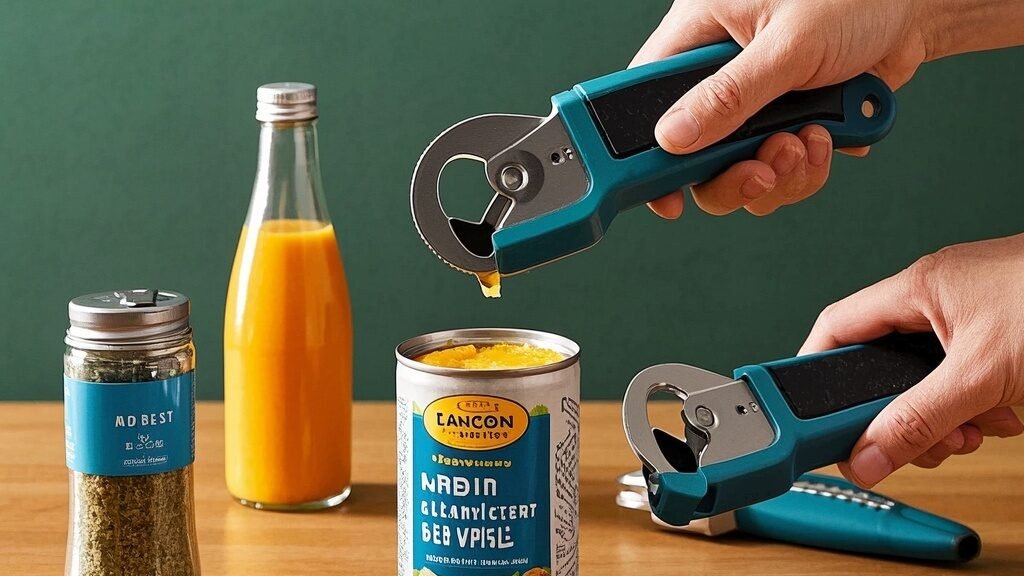
How to clean the blade of an electric can opener?
It sits on your countertop, a humble kitchen workhorse summoned for everything from chili night to impromptu cookie-baking sessions. Over weeks and months of faithful service, a subtle residue builds up—a mix of food particles, microscopic metal shavings, and moisture. You might not notice until one day, the familiar whirr sounds labored, or a faint, unpleasant odor whispers from the mechanism. This isn’t just about aesthetics; a neglected blade compromises performance and hygiene. Proper maintenance is the key, and it all centers on one crucial task: learning how to clean the blade of an electric can opener effectively and safely. It’s a five-minute ritual that extends the life of your appliance, ensures your food’s safety, and restores that smooth, effortless operation you rely on.
Safety First: Unplug and Assess
Before your fingers go anywhere near the cutting assembly, the non-negotiable first step is to unplug the appliance from the wall outlet. This eliminates any risk of accidental activation. Next, take a moment to consult your user manual. Manufacturers design models differently—some allow for partial disassembly for cleaning, while others strictly advise against removing the blade unit. If the manual is long gone (a common scenario), a visual inspection will guide you. Can you see visible screws holding a cutting assembly cover? Does the blade module look like it’s meant to pop out? If anything feels stubborn or requires tools not mentioned in manual instructions, stop. For non-removable blades, your cleaning will be a meticulous “in-place” process. The golden rule is: when in doubt, don’t force it. You can achieve a thorough clean without full disassembly.
The Step-by-Step Cleaning Process
For most modern electric can openers with a removable cutting head, the process is straightforward. Gently detach the blade assembly according to the manufacturer’s guide—this often involves pressing a release button or lifting a latch. You’ll typically have two main components: the sharp, circular cutting blade and the serrated drive wheel (or feed gear) that grips the can. These are the parts that need focused attention. Using a soft-bristled brush—an old toothbrush is perfect for this—scrub away all visible debris. For stuck-on grime, create a paste with baking soda and a few drops of water or mild dish soap. Apply the paste with the brush, using gentle, circular motions. The baking soda acts as a mild, non-abrasive scrubbing agent that breaks down residue without scratching the metal. Rinse the parts thoroughly under warm running water and dry them *completely* with a clean towel or paper towel. Any lingering moisture is the enemy, as it leads to rust.
Tackling Non-Removable Blades and Stubborn Issues
If your model doesn’t allow part removal, don’t worry. With the unit unplugged, use your soft-bristled brush to manually dislodge crumbs and particles from the blade and gear area. Holding the unit over the sink or a trash can can help catch falling debris. For a deeper clean, dampen a cloth with a mix of warm water and dish soap, wring it out thoroughly so it’s only slightly damp—never wet—and carefully wipe the accessible surfaces of the blade and gear. Immediately follow with a dry cloth to remove all moisture. For stubborn, caked-on residue or early signs of rust, a cotton swab dipped in white vinegar can be dabbed on the affected spot. The mild acidity helps dissolve the buildup. Let it sit for a minute, then scrub gently with your dry brush and wipe clean. Again, ensuring the area is bone-dry is critical.
Maintenance Habits for Long-Term Performance
Cleaning isn’t a once-a-year chore. Integrating quick maintenance into your routine prevents major clean-ups. After each use, give the blade area a quick visual check and a dry wipe with a paper towel to remove any fresh food particles or juice. This ten-second habit is incredibly effective. Periodically, you can also run the opener (while unplugged!) through a “dry cycle” by letting the motor spin without a can. This can help dislodge some loose fragments—just be sure to have a brush handy to catch what comes out. Store your can opener in a dry place, not directly next to the sink where steam and splashes are constant. Finally, listen to your appliance. A change in sound or performance is your cue that it’s time for the full cleaning routine.
A clean electric can opener is a safe, efficient, and durable one. It’s a simple piece of preventative care that protects your investment and ensures every can is opened smoothly, without contaminating your food. By following these safe, methodical steps—whether your model has removable parts or not—you can banish grime, prevent rust, and keep your kitchen helper in top shape for years to come. It’s a small task with a significant payoff in everyday kitchen life.
Who Should Consider a New Electric Can Opener? If your current model is rusted beyond cleaning, consistently struggles despite maintenance, or lacks safety features, it might be time for an upgrade. Modern options with fully removable, dishwasher-safe cutting heads make this entire process effortless.
Find the perfect can opener for your needs below
Related Guides:
- Best Rated Can Openers 2026 (All Categories)
- Best Can Opener for Seniors with Weak Grip (2026 Top Picks)
- Best Can Opener for Arthritis Patients (2026 Pain-Free Picks)
- Best Can Opener for Stroke Survivors (2026 Easy-Use Picks)
- Best Electric Can Opener (2026 Top-Rated Automatic Models)
- Best Hands-Free Can Opener (2026 No-Grip Effort Models)
- Best Manual Can Opener (2026 Ergonomic Low-Effort Models)
- Best Sharp-Edge-Free Can Opener (2026 Safe No-Cut Models)