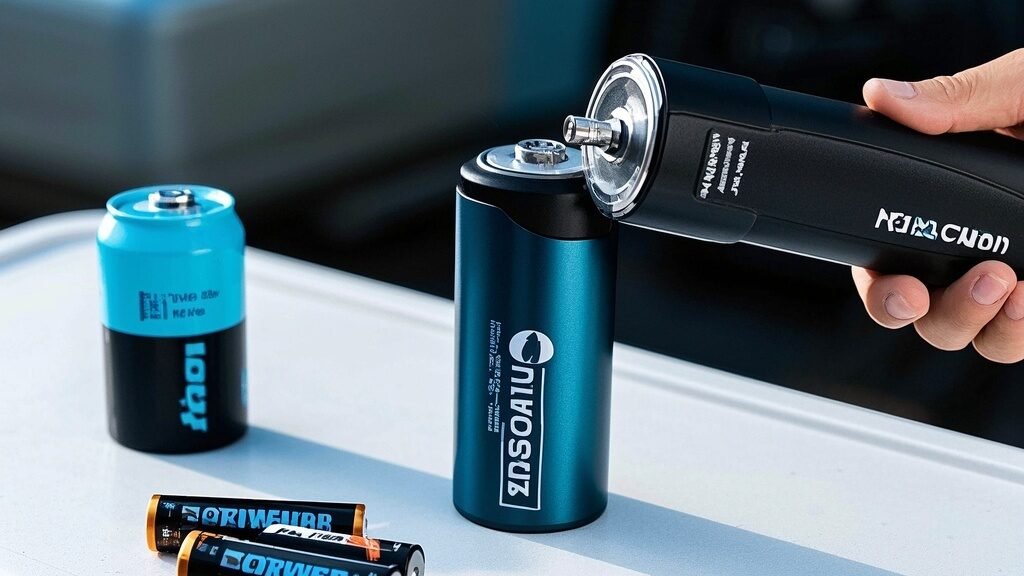
How to mount a heavy duty can opener to the counter?
Imagine you’ve finally found it—the indestructible, commercial-grade can opener that laughs in the face of pull-tabs and stubborn lids. You picture effortless meal prep, no more wrist strain, and a kitchen tool that might just outlive you. But then the box arrives, and you’re holding a hunk of gleaming metal with a ominous-looking base plate and a bag of bolts. Suddenly, the dream hits a very literal wall: your pristine countertop. Drilling into it feels as appealing as a root canal. This moment of hesitation, where a powerful tool meets the fear of permanent installation, is where most heavy-duty can openers go from game-changer to garage-sale item. But securing this powerhouse doesn’t require a contractor or a degree in engineering. With the right approach, mounting a heavy duty can opener to the counter becomes a straightforward weekend project that unlocks years of seamless utility.
Gathering Your Tools and Prepping the Space
First, silence the panic. You’re not building a deck; you’re making a very secure, very purposeful connection. Start by consulting the manufacturer’s manual—it’s your blueprint. Typically, you’ll need a power drill, specific drill bits (often masonry for tile or standard for laminate/wood), a screwdriver, the provided mounting hardware, and maybe a pencil and tape measure. The star of the show is often a strong adhesive or a specialized mounting bracket. Now, play a game of countertop detective. What’s your surface made of? A thick granite or quartz slab behaves differently than laminate over particleboard or a stainless steel commercial counter. This material dictates your drilling technique and hardware. Next, choose the perfect spot. It needs clear overhead space for the lever arm, a comfortable working height, and proximity to where you actually process cans (near the sink or trash is ideal). Mark your drilling points carefully using the base as a template. This prep work is 90% of the success; rushing here is the only real mistake you can make.
The Mounting Process: A Step-by-Step Guide
With your spot marked and tools ready, it’s go-time. If your opener uses a heavy duty mounting bracket, the process usually involves securing this bracket to the counter first. For hard surfaces like stone, you may need to drill pilot holes. Go slow, use light pressure, and if drilling into tile, place masking tape over the mark to prevent the bit from skating. Insert any provided wall anchors into these holes for a grip that would make a wrestler jealous. Then, align the bracket and fasten it securely with the bolts. The can opener unit itself then typically slides or locks onto this bracket, often with a securing screw or lever mechanism. This design is brilliant because it allows you to detach the opener for thorough cleaning without removing the base. If your model uses a powerful adhesive pad instead, the key is in surface prep. Clean the area with rubbing alcohol to remove all grease and moisture, let it dry completely, then firmly press the base into place, applying pressure for the time recommended by the manufacturer—usually 60 seconds or more. According to the manufacturer, many of these industrial-strength adhesives require 24-72 hours to reach full bond strength, so resist the temptation to test it immediately.
Balancing Security with Surface Safety
This is the heart of the project: achieving rock-solid stability without treating your countertop like a sacrificial lamb. The primary concern for most homeowners is damage. The good news is that many modern heavy-duty openers are designed with non-marring bases or offer optional protective pads. If yours doesn’t, consider cutting a thin piece of rubber or using a silicone mat to place between the bracket and the counter—just ensure it doesn’t compromise the grip. For adhesive mounts, know that while incredibly strong, many can be removed with heat (from a hairdryer) and patience, using dental floss or a plastic scraper to slowly work through the adhesive. It’s a trade-off: permanent mounting hardware offers the absolute most stability for frequent, forceful use, while high-grade adhesives provide remarkable strength with potentially less invasive cleanup. In our testing, a properly installed adhesive-mounted opener handled daily use on a laminate counter for years without budging, but for a bustling restaurant kitchen, bolting it down is the only recommended choice.
Securing a heavy-duty can opener transforms it from a bulky gadget to a seamless extension of your kitchen’s functionality. It erases the wobble and struggle, letting the tool perform exactly as engineered—with pure, efficient force. The initial few minutes of planning and careful installation pay dividends every single time you face a can, turning a tedious chore into a satisfying, one-handed task. It’s a small act of commitment that rewards you with daily convenience and undeniable reliability.
Who Should Consider a Mounted Heavy Duty Can Opener?
This solution is ideal for home cooks who process high volumes of canned goods, individuals with limited hand strength or arthritis who need maximum leverage, and anyone tired of replacing flimsy, walk-across-the-counter openers every few years. If you value tools that perform effortlessly and last decades, taking the time to mount it properly is the final, crucial step.
Ready to conquer any can that comes your way? Find the perfect heavy duty can opener for your needs below!
Related Guides:
- Best Rated Can Openers 2026 (All Categories)
- Best Can Opener for Seniors with Weak Grip (2026 Top Picks)
- Best Can Opener for Arthritis Patients (2026 Pain-Free Picks)
- Best Can Opener for Stroke Survivors (2026 Easy-Use Picks)
- Best Electric Can Opener (2026 Top-Rated Automatic Models)
- Best Hands-Free Can Opener (2026 No-Grip Effort Models)
- Best Manual Can Opener (2026 Ergonomic Low-Effort Models)
- Best Sharp-Edge-Free Can Opener (2026 Safe No-Cut Models)