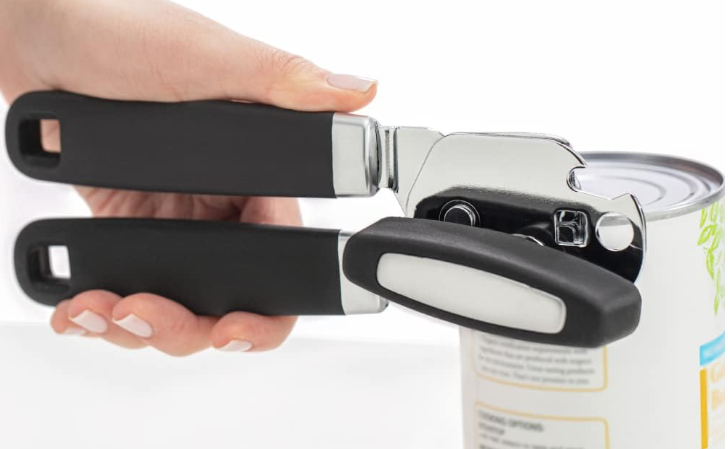
For millions of Americans living with arthritis, carpal tunnel syndrome, or age-related muscle weakness, using a standard handheld manual can opener can feel like a daunting task. Weak grip strength often leads to slipping, frustration, or even pain—making a simple kitchen chore feel overwhelming. But the good news is that with the right techniques, tool modifications, and pro tips, anyone with weak grip strength can use a handheld manual can opener safely and efficiently. Below is a detailed guide tailored to this specific need, including step-by-step instructions, tool recommendations, and hacks to reduce strain on your hands.
Why Weak Grip Strength Makes Manual Can Openers Challenging
Handheld manual can openers rely on two key actions that strain weak hands: squeezing the handles to lock the blade onto the can, and turning the crank to cut through the metal. For people with limited grip strength, squeezing the handles tightly enough to prevent slipping is often the biggest hurdle—loose pressure leads to misalignment, jagged cuts, or the opener sliding off the can. Turning the crank can also cause wrist fatigue, especially if the blade is dull or the can is large.
These challenges aren’t just inconvenient—they’re unsafe. A slipping can opener increases the risk of cuts from sharp metal edges, and overexerting weak hands can worsen pain or inflammation. For many Americans, this means avoiding canned foods altogether or relying on others for help—but it doesn’t have to be that way. With small adjustments and the right approach, a handheld manual can opener can be accessible for anyone, regardless of grip strength.
Step-by-Step: Using a Handheld Manual Can Opener with Weak Grip Strength
Follow these modified steps to open cans easily, even with limited grip strength. We’ve prioritized techniques that reduce squeezing force and wrist strain, while ensuring safety and efficiency.
Step 1: Choose the Right Handheld Manual Can Opener
Not all handheld manual can openers are created equal—opt for models designed for weak grip strength:
- Ergonomic Handles: Look for soft, non-slip handles with a wide, comfortable grip (avoid thin, hard plastic handles that dig into hands).
- Low-Effort Gears: Select openers with reinforced gears that require less force to turn (labels like “easy-turn” or “arthritis-friendly” are good indicators).
- Smooth-Edge Design: These openers cut along the side of the can, reducing the force needed compared to traditional top-cut models.
Top picks for American households include OXO Good Grips Smooth Edge Can Opener and KitchenAid Classic Ergonomic Can Opener—both widely available at Amazon, Walmart, and Target.
Step 2: Prep the Can and Workspace for Stability
Stability is key to reducing grip strain—follow these prep steps:
- Use a Non-Slip Mat: Place the can on a rubber non-slip mat (or a damp paper towel) to prevent it from sliding. This means you won’t need to use one hand to hold the can steady, freeing up strength for the opener.
- Warm Up Your Hands: Do gentle hand stretches for 30 seconds (e.g., opening and closing your fists) to loosen muscles and reduce stiffness.
- Clean the Opener: Ensure the blade and gears are clean and sharp—dull blades require more force to cut. Wipe with a damp cloth soaked in warm, soapy water and dry thoroughly.
Step 3: Position the Opener with Minimal Squeezing
The goal is to lock the opener onto the can with as little squeezing as possible:
- Hold the can opener in your dominant hand, and rest the can on the non-slip mat.
- Tilt the opener slightly upward to align the blade with the outer edge of the can’s lid (the strongest part of the lid, requiring less force to cut).
- Use your body weight to assist: Press the opener’s handles together with your palm (instead of pinching with fingers) for more leverage. For extra support, place the handles against your chest or hip while squeezing—this transfers force from your hands to your torso.
- You’ll feel a “click” when the blade locks into place—stop squeezing once you feel this tension (over-squeezing wastes energy and strains hands).
Step 4: Turn the Crank with Reduced Wrist Strain
Turning the crank is where wrist fatigue often sets in—use these hacks:
- Use a Crank Extender: Attach a small plastic crank extender (available online for \(5–\)10) to the opener’s handle. This increases the handle length, reducing the force needed to turn it.
- Turn with Your Palm: Grip the crank with your palm (fingers wrapped loosely) instead of pinching it with your thumb and fingers. This distributes pressure evenly and reduces strain.
- Take Breaks: For large cans, turn the crank 5–6 times, then pause for 10 seconds to rest your wrist. Slow, steady turns are better than rushed, forceful ones.
- Use Two Hands: If possible, use your non-dominant hand to support the crank while your dominant hand turns it—this splits the effort and reduces strain.
Step 5: Remove the Lid Safely (No Grip Needed)
Once the cut is complete, avoid straining your hands to remove the lid:
- Let the opener do the work: Lift the opener away from the can, and the lid will likely pop off on its own (or be loosely attached).
- Use a spoon to pry: If the lid is stuck, slide a spoon under the edge and gently lift—no squeezing or gripping required.
- Dispose of the lid immediately: Flatten it with the back of a spoon to avoid sharp edges, then recycle or discard.
Pro Tips for Weak Grip Can Opening
- Lubricate the Gears: Apply a tiny drop of cooking oil to the opener’s gears every 2–3 months. This reduces friction, making the crank easier to turn.
- Opt for Smaller Cans: Smaller cans (e.g., tuna or condensed soup) require less turning than large cans, reducing wrist strain.
- Store the Opener in a Convenient Spot: Keep the opener at waist height (not in a deep drawer) to avoid reaching or lifting heavy objects before use.
- Use a Jar Opener for Extra Grip: Wrap a rubber jar opener around the can opener’s handles for a better grip—this is especially helpful if your hands are sweaty or shaky.
Common Mistakes to Avoid
- Using a Dull Opener: Dull blades force you to squeeze harder and turn the crank more—replace your opener every 1–2 years, or sharpen the blade with a metal file.
- Pinching Instead of Palming: Pinching the handles or crank with your fingers uses small, weak muscles—always use your palm for more force.
- Skipping the Non-Slip Mat: A sliding can means you’ll waste grip strength holding it steady—never skip this step.
Final Thoughts
Using a handheld manual can opener with weak grip strength is all about working smarter, not harder. By choosing the right tool, prepping for stability, and using leverage instead of raw grip force, you can maintain independence in the kitchen and enjoy canned foods without pain or frustration. For Americans living with arthritis, muscle weakness, or age-related limitations, these simple adjustments make a world of difference.
Remember, you don’t need strong hands to use a manual can opener—you just need the right techniques. With the step-by-step guide above, you’ll be opening cans easily in no time, while protecting your hands from strain. Invest in an ergonomic opener, grab a non-slip mat, and give these tips a try—you’ll wonder how you ever managed without them. Your hands (and your pantry) will thank you.
Related Guides:
- Best Rated Can Openers 2026 (All Categories)
- Best Can Opener for Seniors with Weak Grip (2026 Top Picks)
- Best Can Opener for Arthritis Patients (2026 Pain-Free Picks)
- Best Can Opener for Stroke Survivors (2026 Easy-Use Picks)
- Best Electric Can Opener (2026 Top-Rated Automatic Models)
- Best Hands-Free Can Opener (2026 No-Grip Effort Models)
- Best Manual Can Opener (2026 Ergonomic Low-Effort Models)
- Best Sharp-Edge-Free Can Opener (2026 Safe No-Cut Models)