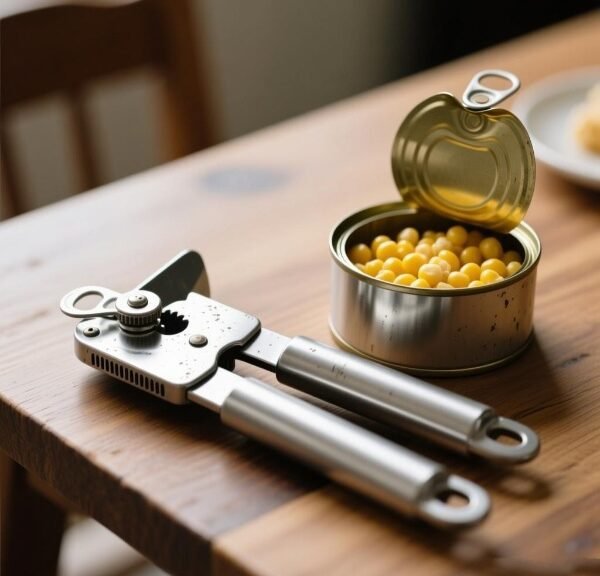
Introduction to Handheld Can Openers
Handheld can openers are essential kitchen tools designed to provide a simple and efficient method for opening canned goods. Their primary purpose is to facilitate access to the contents of cans, which are ubiquitous in modern kitchens. These devices not only promote convenience in food preparation but also enhance safety by minimizing the risk of injury during can opening. As such, investing in a quality can opener is fundamental for anyone who frequently uses canned products in cooking.
There are various types of handheld can openers available on the market, each catering to different needs and preferences. Among the most common varieties are manual and electric can openers. Manual can openers require the user to apply physical effort to turn the handle and pierce the can’s lid, while electric can openers simplify the process by using motors to automate the task. The choice between manual and electric options largely depends on personal preference, accessibility needs, and the frequency of use.
In addition to these basic types, handheld can openers also come with several features that can significantly enhance the user experience. Ergonomic designs, for instance, prioritize comfort and grip, making them easier to use, especially for those with limited hand strength. Some models may include additional functionalities, such as built-in bottle openers or safety features that minimize sharp edges. These attributes not only improve usability but also contribute to the overall efficiency of food preparation processes. With such diversity in options, it is crucial to select a handheld can opener that aligns with individual needs and enhances kitchen functionality.
Step-by-Step Instructions on How to Use a Handheld Can Opener
Using a handheld can opener can enhance your kitchen experience, making it crucial to understand the proper steps for safe and effective usage. Start by preparing your work area. Ensure that the counter is clean and dry, which will help avoid accidents. Gather your tools, including the can opener and the can you intend to open. For more substantial cans that require effort, it is advisable to use a non-slip mat to hold the can securely in place.
Next, position the can opener on top of the can. If you are using a standard handheld can opener, align the sharp cutting wheel with the edge of the can’s lid. For cans with pull-tab lids, you may not need the can opener, but if you prefer using it for safety or preference, place the cutting wheel against the edge as before. Ensure that the handles of the can opener are firmly pressed down, creating a stable grip. This will prevent the can from moving and ensure an efficient operation.
Now, begin turning the handle of the can opener in a clockwise direction. The cutting wheel will pierce through the lid as you continue rotating. For most standard cans, continue to turn the handle until you have made a complete revolution around the lid. You will hear a distinct sound indicating that the lid has been successfully cut. For pull-tab cans, simply lift the tab once the protective metal is punctured to gain access to your food.
After the can is opened, take care when removing the lid. It is advisable to use a cloth or an oven mitt to avoid cuts from sharp edges. Gently lift the lid away, ensuring it does not fall back into the can. Lastly, dispose of the lid safely, and always clean your can opener after use to maintain hygiene and longevity of the tool.
Common Issues and Solutions When Using a Handheld Can Opener
Using a handheld can opener can often present several challenges that may frustrate users. One common issue is when the can opener slips off the can during operation. This typically occurs due to improper alignment or insufficient grip. To alleviate this problem, ensure that the opener’s cutting wheel is securely placed on the edge of the can lid. A firm grip on the handle is essential for maintaining control. Additionally, check for any materials or surfaces that may be slippery and consider using a non-slip mat underneath your can for added stability.
Another frequent challenge users encounter is difficulty in piercing the can lid. This can happen if the cutting wheel is dull or the can opener itself is of poor quality. To remedy this situation, invest in a well-reviewed handheld can opener known for its sharp cutting mechanism. Regularly inspect the opener for wear and tear; replace or sharpen the wheel as necessary. It’s also useful to apply some pressure with your hand while turning the handle, which can help pierce the lid more effectively.
Lastly, users often find that the inner edges of the can lid are jagged after opening, posing a risk of cuts or injury. One method to smooth these edges is by using a magnetic can opener designed to fold the edges down. If this tool is not available, carefully run a spoon along the edge to minimize sharpness or consider investing in safety can openers that are engineered to provide a smooth cut without jagged edges. By anticipating these common issues and implementing these solutions, users can enhance their experience while using handheld can openers and enjoy a safer kitchen environment.
Maintenance and Care for Your Handheld Can Opener
Maintaining your handheld can opener is essential for ensuring its longevity and optimal performance in your kitchen. Regular care reduces the risk of wear and tear, enhances the device’s efficiency, and ensures safe usage each time you need it. One of the primary maintenance steps involves cleaning the can opener after each use. Accumulated food residues can cause rust, corrosion, and dulling of the cutting edge, compromising both durability and functionality.
To clean your handheld can opener, rinse it thoroughly under warm water immediately after use. Use a soft sponge to remove any remaining food particles. For stubborn areas, a gentle brush can effectively dislodge debris without damaging the device. Be cautious not to immerse the can opener in water for extended periods, especially if it features any electronic components. After cleaning, ensure it is completely dry before storage to prevent moisture-related issues.
Proper storage of your can opener also plays a significant role in its maintenance. Store it in a dry, cool place away from direct sunlight to avoid degradation of materials. Consider using a designated drawer or a magnetic strip to keep it securely in one spot. This practice not only prevents accidental damage but also makes it easily accessible when needed.
Regularly inspect your handheld can opener for signs of wear, such as dull blades or loose components. If you notice that the can opener struggles to puncture lids or cuts unevenly, these may indicate it is time for a replacement. Ideally, a well-maintained can opener should provide consistent performance for several years, but factors such as frequency of use and care practices can influence its lifespan. Implementing these best practices not only prolongs the life of your can opener but also ensures that your culinary tasks remain efficient and safe.
Related Guides:
- Best Rated Can Openers 2026 (All Categories)
- Best Can Opener for Seniors with Weak Grip (2026 Top Picks)
- Best Can Opener for Arthritis Patients (2026 Pain-Free Picks)
- Best Can Opener for Stroke Survivors (2026 Easy-Use Picks)
- Best Electric Can Opener (2026 Top-Rated Automatic Models)
- Best Hands-Free Can Opener (2026 No-Grip Effort Models)
- Best Manual Can Opener (2026 Ergonomic Low-Effort Models)
- Best Sharp-Edge-Free Can Opener (2026 Safe No-Cut Models)