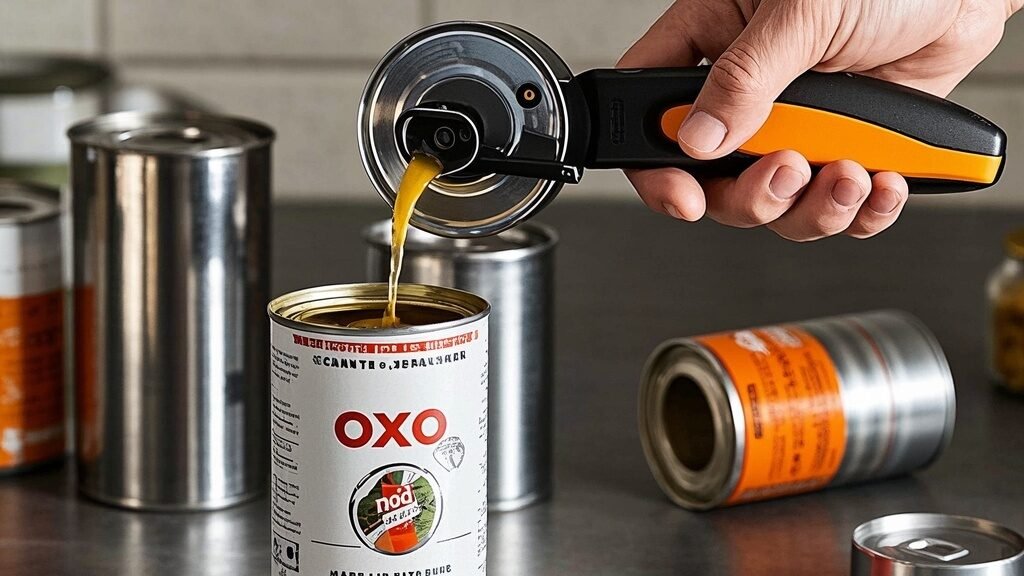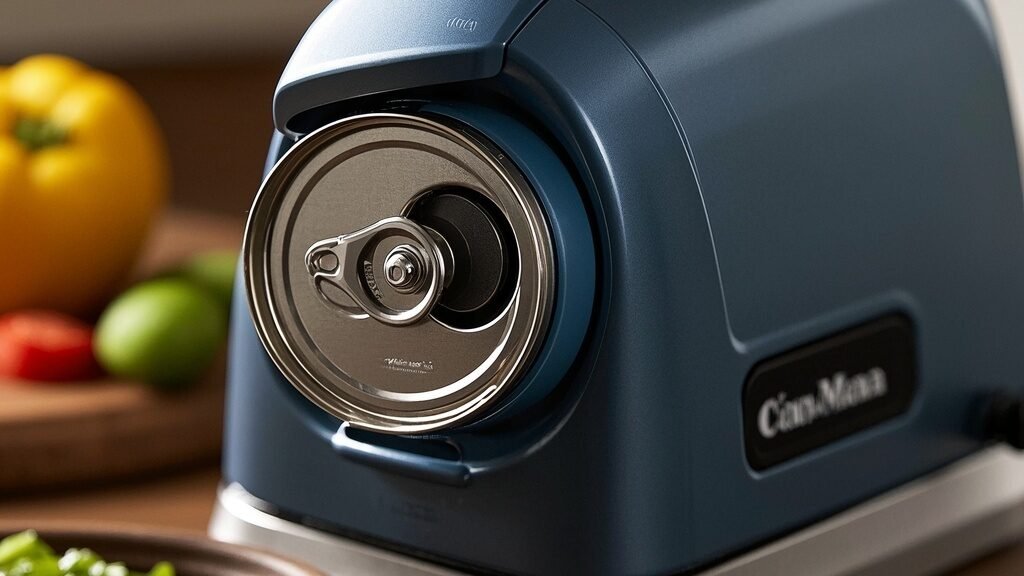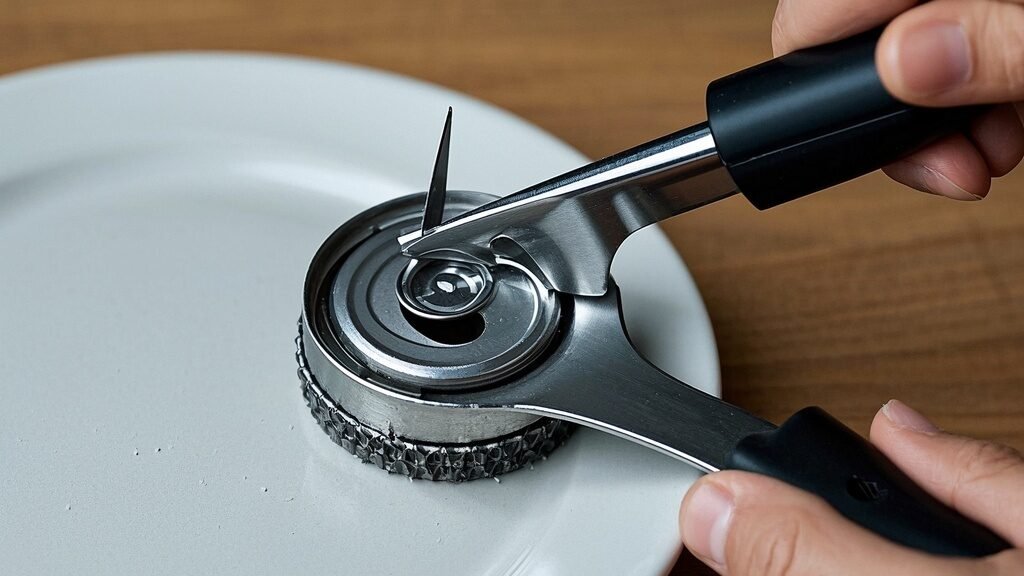
Can People with Weak Hands Use Automatic Can Openers?

Can People with Weak Hands Use Automatic Can Openers?

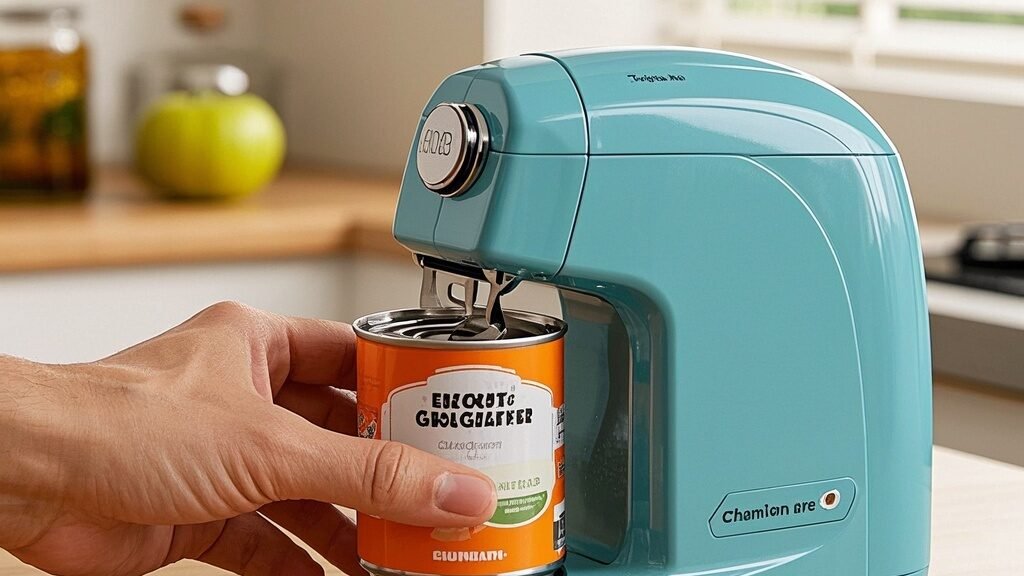
For many, opening a can is a simple, two-second task. But for individuals with arthritis, weakened grip strength, or limited hand mobility, that simple metal lid can represent a significant barrier to independence in the kitchen. The struggle isn’t just about convenience; it’s about safety, frustration, and the desire to prepare a meal without pain. This is where the modern automatic can opener steps in, not as a luxury gadget, but as a genuine assistive tool. Designed with ergonomics and safety as core principles, these devices are transforming kitchen accessibility, offering a pain-free solution for seniors and anyone with hand strength challenges.

Understanding the Challenges: Why Traditional Openers Fail

Standard manual can openers require a combination of precise grip strength, wrist rotation, and sustained pressure—actions that can be difficult or painful for those with conditions like osteoarthritis or reduced dexterity. Slippery handles, blunt blades, and the need to stabilize the can itself add layers of complexity and risk. The result is often abandoned meals or, worse, cuts and strains from using excessive force or improper tools. Recognizing these barriers is the first step toward finding a safer, more empowering solution like an automatic can opener for seniors.

Key Features of a Safe and Accessible Can Opener

Not all automatic openers are created equal, especially when considering users with specific needs. Here’s what to prioritize when searching for the right model.

Ergonomic and Pain-Free Operation: The best models eliminate gripping and twisting altogether. Look for large, easy-press buttons or touchpads that … Read the rest
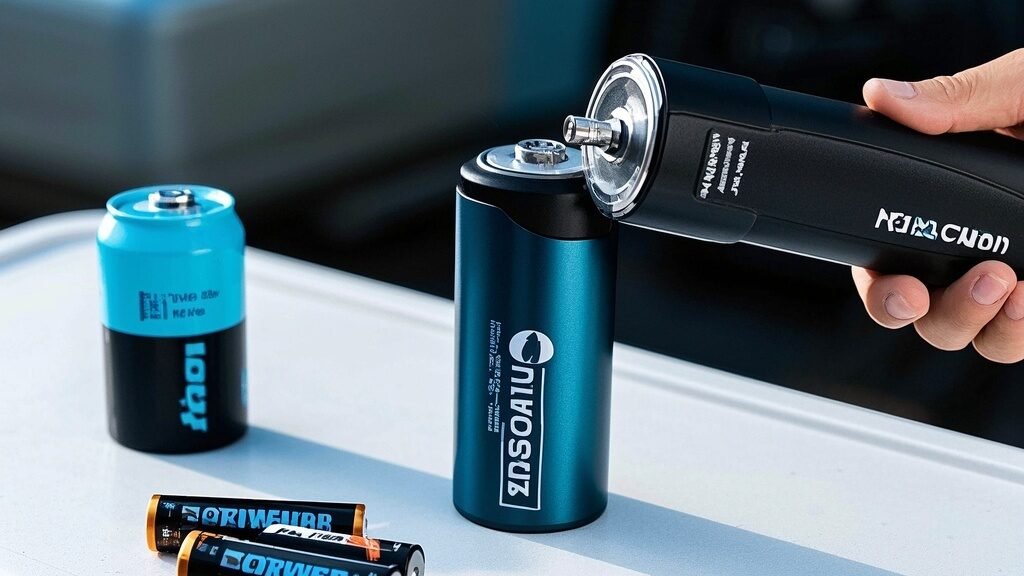
What Is Best Can Opener for One-Handed Cooking?

What Is Best Can Opener for One-Handed Cooking?

Opening a can shouldn’t feel like a workout or a safety hazard. For millions of Americans managing arthritis, weak grip strength, or limited mobility, the simple task of preparing a meal can become a frustrating, even painful, barrier to independence. The familiar struggle with a manual opener—twisting, applying pressure, and wrestling with a sharp lid—is more than an inconvenience; it’s a daily reminder of physical limitations. The best can opener for one-handed cooking is not just a tool; it’s a key to reclaiming confidence and safety in the kitchen. By prioritizing ease of use and innovative safety features, these openers transform a challenging chore into a simple, pain-free step towards self-sufficiency.

Key Features of a Safe and Accessible Can Opener

When searching for the ideal opener, look beyond basic functionality. The right model addresses specific physical challenges with thoughtful design. The core mission is to minimize effort and maximize safety at every stage of the process.

Effortless Operation and Grip
For users with arthritis or weak hands, the turning mechanism is critical. Look for large, soft-grip handles that distribute pressure across the palm, not just the fingers. Electric openers are often the top choice as they require only a button press. For manual options, seek out models with extra-long or ergonomically curved handles that provide greater leverage, making turning significantly easier. According to manufacturer testing, some are designed to operate with as little as 2-3 pounds of grip force.

Superior Safety and Lid Management
A sharp, detached lid is a common source … Read the rest

What Can Opener Is Best for Hand Injuries?

What Can Opener Is Best for Hand Injuries?

Opening a simple can of soup shouldn’t be a source of pain or anxiety. For millions of Americans managing hand injuries, arthritis, or the natural weakening grip that comes with age, the standard can opener is a formidable opponent. The twisting, the pressure, the sharp edges—it’s a kitchen task that can quickly turn from routine to risky. The good news is that kitchen tool innovation has finally caught up, offering solutions designed for safety and dignity, not just function. Finding the best can opener for hand injuries or limited mobility is about reclaiming independence in your own kitchen.

Why Standard Can Openers Fail for Sensitive Hands

Traditional manual can openers require a specific set of hand movements: a firm, sustained grip to hold the device, significant downward pressure to puncture the lid, and a continuous twisting motion with the wrist. This combination is a perfect storm for pain. For someone with arthritis, the grip force can flare up joint pain in the fingers and thumb. For those with hand weakness or recovering from an injury, maintaining that pressure is often impossible. The risk of slippage is high, leading to potential cuts or spills. It’s not just about strength; it’s about mechanics. These tools simply weren’t designed with ergonomics or pain-free operation in mind, making a basic necessity feel like an insurmountable challenge.

Key Features to Look for in a Safety Can Opener

When shopping for a can opener that prioritizes safety and ease, look beyond brand names and focus on these critical … Read the rest

What Is Best Can Opener for Limited Hand Mobility?

What Is Best Can Opener for Limited Hand Mobility?

Opening a simple can of soup or beans shouldn’t feel like a daunting task. For millions of individuals with arthritis, weak grip strength, or limited hand mobility, the twisting, pinching, and pressure required by a traditional can opener can turn a basic kitchen chore into a source of frustration or even pain. The right kitchen tool, however, can restore confidence and independence, transforming meal prep from a struggle back into a simple pleasure. Finding the best can opener for limited hand mobility is less about a single gadget and more about understanding the design principles that prioritize safety, leverage, and pain-free operation.

Key Features to Look for in an Accessible Can Opener

Not all “easy-grip” openers are created equal. When searching for a senior-friendly or mobility-friendly model, specific engineering features make a significant difference in daily use. The goal is to minimize the force and precise coordination required from your hands and wrists.

Ergonomic Design and Leverage
Look for openers with large, contoured handles that fit comfortably in the palm, distributing pressure over a wider area instead of concentrating it on tender finger joints. Extended handles or side-mounted designs provide greater leverage, meaning you apply less force to achieve the same cutting action. A stable, non-slip base is also crucial to prevent the can from slipping while you operate the tool.

Safety-First Operation
Safety is paramount. The best safety can openers are designed to leave a smooth, rolled edge on the lid, completely eliminating the risk of sharp, jagged metal that … Read the rest

Can You Open Cans Without Pain?

Can You Open Cans Without Pain?

For many, the simple act of opening a can is a thoughtless task. But for millions of Americans with arthritis, weakened grip strength, or limited hand mobility, that familiar metal cylinder on the pantry shelf represents a barrier to independence and a source of genuine discomfort. The twisting, pinching, and pressure required by a traditional can opener can transform meal prep from a simple joy into a painful chore. The good news is that kitchen innovation has finally caught up with this widespread need. Modern safety can openers and specialized models designed for seniors with arthritis are engineered to eliminate the struggle, prioritizing pain-free operation and user safety above all else.

Why Traditional Can Openers Fail for Weaker Hands

Standard manual can openers require a symphony of hand movements that can be difficult or painful. You need a firm grip to clamp the device onto the rim, sustained pressure to turn the knob, and enough wrist strength to guide it around the can. For someone with joint pain or reduced dexterity, this process is fraught with challenges. The sharp, exposed cutting wheel also poses a significant safety risk if hands slip. This isn’t just about convenience; it’s about maintaining autonomy in the kitchen. When a basic tool becomes an obstacle, it can lead to frustration and a reliance on others for simple tasks. Recognizing these pain points is the first step toward finding a better solution that restores confidence and capability.

Key Features of a Pain-Free Can Opener

Ergonomic Design and Easy-Grip Handles
Look … Read the rest

What Can Opener Is Best for Shaky or Unsteady Hands?

What Can Opener Is Best for Shaky or Unsteady Hands?

Opening a simple can of soup shouldn’t feel like a high-stakes challenge. Yet, for millions with arthritis, tremors, or weakened grip strength, the standard twist-and-push manual opener transforms a basic kitchen task into a frustrating, sometimes painful, and even dangerous ordeal. Slipping blades, sharp edges, and the sheer force required can turn independence into anxiety. The right can opener for shaky hands isn’t just a convenience; it’s a tool that reclaims safety and dignity in the kitchen. This guide cuts through the confusion to help you find a safe, effortless solution that works for you.

Essential Features for Safety and Ease of Use

When evaluating openers for limited mobility or unsteady hands, specific design elements are non-negotiable. These features work together to minimize effort, maximize control, and eliminate common hazards.

Safety First: The Cutting Mechanism
Traditional openers leave a jagged, razor-sharp lid and a sharp-edged can. The best safety can openers for seniors use a side-cutting or under-the-rim design. This method leaves a perfectly smooth lid and a safe, rounded rim on the can itself. There are no sharp edges to handle, dramatically reducing the risk of cuts. This is the single most important safety feature for anyone with reduced dexterity.

Ergonomics and Grip
Look for large, soft-grip handles that distribute pressure across the palm rather than concentrating it on fingers and joints. Contoured shapes that fit naturally in the hand require less forceful squeezing. For those with very weak grip, openers with extended lever arms provide significant mechanical advantage, … Read the rest

What Can Opener Is Best for Weak Wrists?

What Can Opener Is Best for Weak Wrists?

Opening a simple can of soup shouldn’t feel like a test of strength. For millions of Americans managing arthritis, hand weakness, or limited mobility, that everyday kitchen task can be a source of frustration, pain, and even risk. The sharp edges of a traditional can opener and the twisting motion required can turn a moment of independence into a moment of anxiety. But what if the right tool could restore that sense of ease and safety? The search for the best can opener for weak wrists isn’t just about convenience; it’s about reclaiming confidence in the kitchen.

Why Traditional Can Openers Fail for Weak Hands

Standard manual can openers are designed with an assumption of full grip strength and dexterity. They require a firm, sustained pinch to operate the handles and significant rotational force in the wrist to turn the key. For someone with arthritis, this motion can aggravate swollen joints. For those with weakened hands from conditions like neuropathy or post-stroke recovery, maintaining that grip is often impossible, leading to slippage and potential injury from the exposed lid.

The Pain Points of Conventional Designs
The primary issues are mechanical force and safety. The act of piercing the lid requires downward pressure, while turning the knob demands a continuous twisting motion. Both actions strain the small muscles and joints of the hand and wrist. Furthermore, most traditional openers leave a dangerously sharp, jagged edge on both the lid and the can itself, creating a major cut hazard when handling or disposing of … Read the rest

What Is Most Effortless Can Opener to Use?

What Is Most Effortless Can Opener to Use?

Opening a can should be a simple task, but for many, it’s a daily battle against stubborn lids, slippery grips, and hand pain. The frustration of a can opener that slips, jams, or requires a Herculean grip can turn meal prep from a joy into a chore. This is especially true for seniors, individuals with arthritis, or anyone experiencing weakness in their hands. The quest for the most effortless can opener isn’t about luxury; it’s about reclaiming independence and safety in the kitchen. The answer lies in specialized safety can openers designed for accessibility and pain-free operation.

Why Traditional Can Openers Fail for Weak Hands and Arthritis

Standard manual can openers are engineered for average grip strength and dexterity. They often require simultaneous squeezing, twisting, and stabilizing—a complex maneuver that can be painful or impossible for those with joint issues or limited mobility. The small, textured handles can dig into sensitive palms, while the force needed to puncture the lid can strain wrists and fingers.

Common Pain Points: The primary issues include inadequate leverage, poorly contoured handles that cause pressure points, and mechanisms that demand precise alignment and sustained force. For someone with arthritis, this can lead to flare-ups and a reluctance to cook from scratch. An effortless can opener directly addresses these by redistributing force, enlarging contact points, and simplifying the action to a single, smooth motion.

Key Features of an Effortless, Senior-Friendly Can Opener

When searching for the best tool, look beyond basic functionality. The right opener acts as an … Read the rest

What Can Opener Is Best After Wrist Surgery?

What Can Opener Is Best After Wrist Surgery?

Recovering from wrist surgery transforms simple kitchen tasks into daunting challenges. The mere thought of twisting a traditional can opener can send a jolt of anxiety through anyone with a healing wrist, weak grip, or arthritic hands. For seniors or anyone with limited mobility, regaining independence in the kitchen isn’t just about convenience—it’s about dignity and safety. The right safety can opener can be a transformative tool, turning a painful struggle into a simple, one-handed operation. This guide explores the essential features that make a can opener truly accessible, offering practical solutions to keep you cooking safely and confidently.

Key Features of a Safe and Accessible Can Opener

Not all can openers are created equal, especially when your hands demand extra care. The best models for post-surgery or arthritic users prioritize effortless operation and eliminate common pain points.

Ergonomic Design and Pain-Free Operation
Look for openers with large, soft-grip handles that distribute pressure across your palm instead of concentrating it on your fingers. This design minimizes the pinching and twisting motions that aggravate arthritis or a healing wrist. Many can openers for seniors feature oversized dials or paddles that can be operated with the heel of your hand or even your forearm, requiring virtually no grip strength.

Safety and Stability Are Paramount
A slipping can is a major hazard. The safest openers have powerful magnetic lids lifters that securely hold the cut lid, preventing sharp edges from falling into the food or onto your hands. A strong, non-slip base is crucial; it … Read the rest

Can One-Touch Can Openers Help Weak Hands?

Can One-Touch Can Openers Help Weak Hands?

Imagine the simple act of opening a can of soup becoming a daily source of frustration and anxiety. For millions of seniors or individuals with arthritis, weak grip strength, or limited hand mobility, this is a common kitchen reality. Traditional manual can openers require significant twisting force and precise finger coordination, turning a basic task into a painful challenge. The good news is that modern kitchen tools, specifically designed for accessibility, are changing this narrative. A new generation of safety can openers and electric models promises to restore independence and confidence. This article explores how these innovative can openers for seniors and those with weak hands work, their key safety features, and how to choose the right one for a pain-free kitchen experience.

Understanding the Challenges: Why Traditional Openers Fail

To appreciate the innovation behind accessible can openers, it’s important to understand where standard models fall short. A typical manual opener demands a firm, sustained grip to clamp onto the can’s rim, followed by a continuous twisting motion of a small, often slippery, knob. This action engages multiple hand joints and muscles, which can be excruciating for someone with arthritis or diminished strength. The risk of slippage is high, potentially leading to cuts or spills. Furthermore, the sharp, exposed lid left behind is a significant safety hazard.

Key Pain Points Addressed: Modern accessible openers specifically target these issues. They eliminate the need for strong grip strength and twisting motions. Instead, they rely on leverage, magnetic lid holders, or fully automated electric operation. The … Read the rest