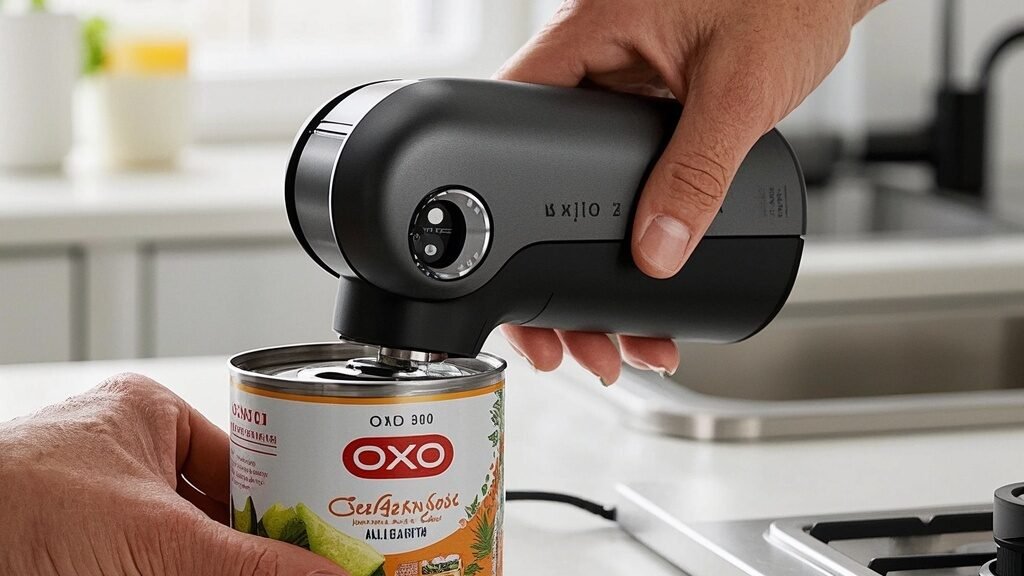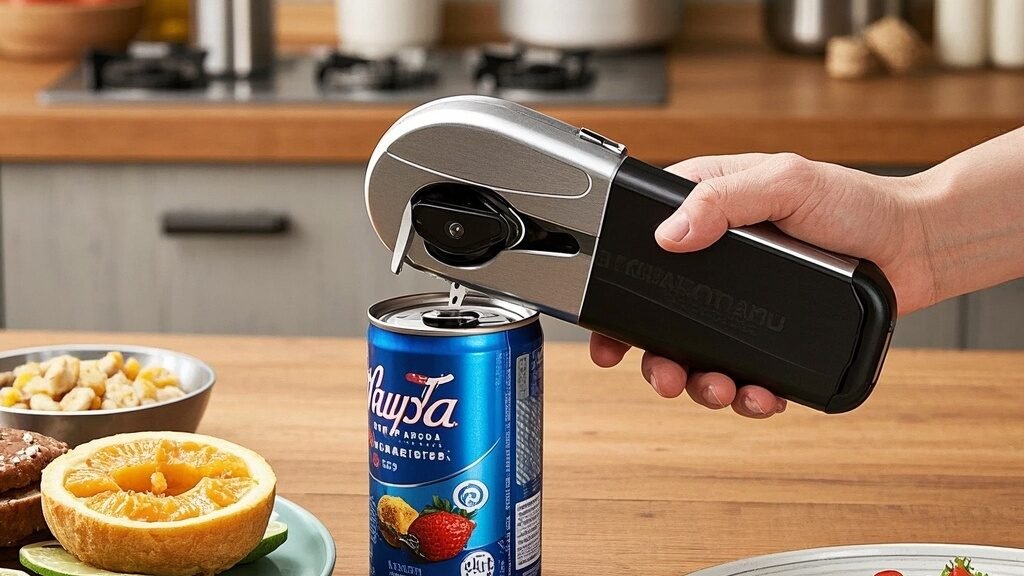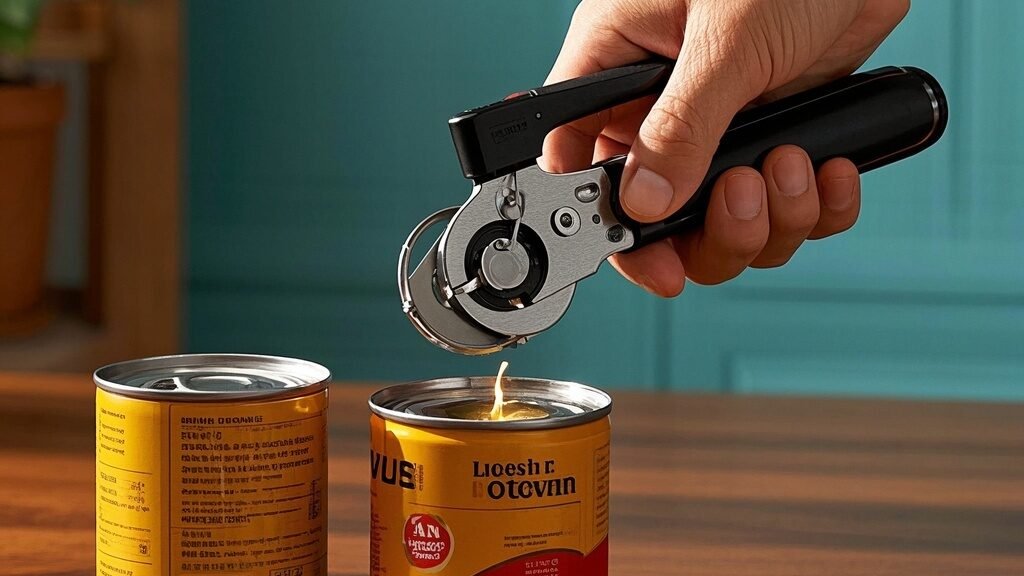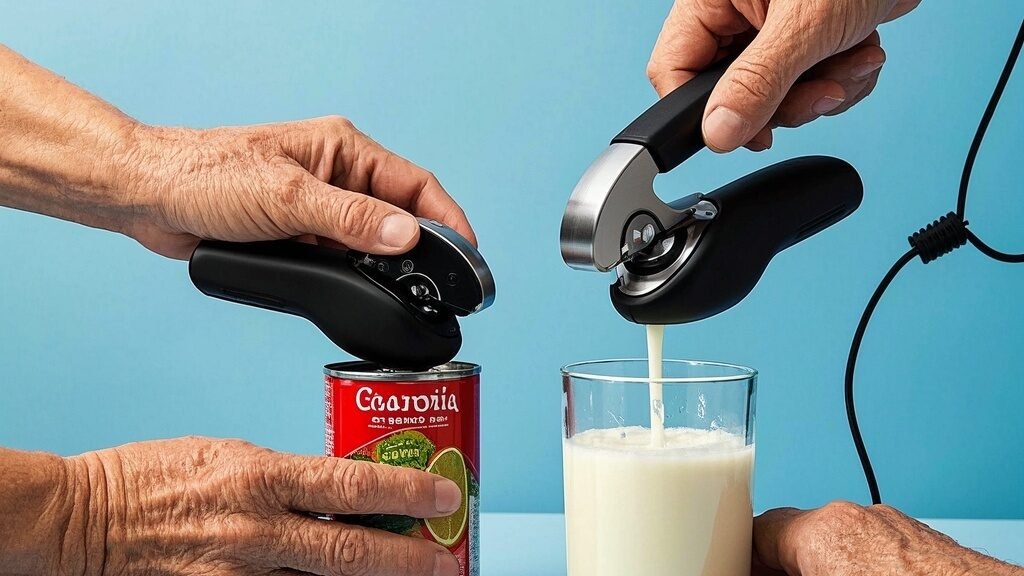
What Safety Can Opener Is Best for Easy Cleaning?

What Safety Can Opener Is Best for Easy Cleaning?

Imagine the simple act of opening a can of soup turning from a daily chore into a moment of quiet frustration. For many seniors, especially those managing arthritis, weak grip strength, or limited mobility, the standard can opener isn’t just inconvenient—it’s a barrier to independence in their own kitchen. The quest for a truly safe and easy-to-clean can opener becomes more than a shopping decision; it’s about preserving autonomy and joy in meal preparation. Finding the right safety can opener is key to turning that frustration back into ease. This guide cuts through the clutter to focus on models that prioritize not just effortless operation but also hassle-free maintenance, because a tool that’s difficult to clean quickly loses its appeal and safety.

Why Easy Cleaning is a Non-Negotiable Safety Feature

When evaluating can openers for seniors, we often focus on the turning mechanism or grip comfort. However, hygiene is a critical component of kitchen safety that’s frequently overlooked. A can opener with nooks, crannies, and complex assemblies can trap food particles and bacteria, posing a contamination risk. For an elderly user, disassembling a complicated device for cleaning can be a challenging, and sometimes unsafe, task involving small parts and potential frustration.

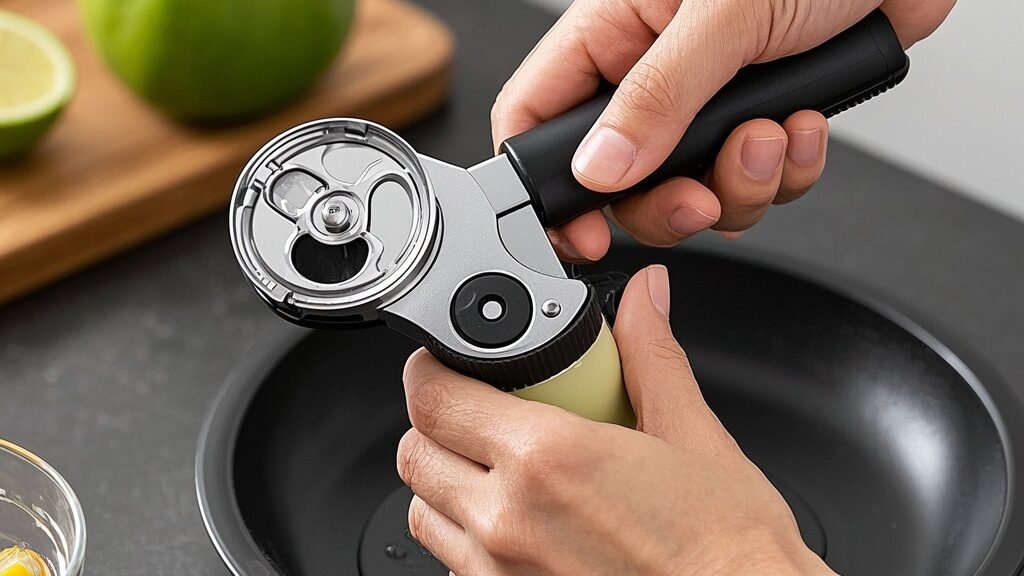
Key Design Features for Easy Cleaning: The best models for simple maintenance share common traits. Look for a safety can opener with a magnetic lid lifter that holds the cut lid, preventing it from falling into the food. A design that leaves a smooth, safe edge on the can … Read the rest

Are Safety Can Openers Easy to Learn?

Are Safety Can Openers Easy to Learn?

Picture this: a simple can of soup sits on the counter, a potential meal that feels just out of reach. For many seniors, especially those with arthritis, weak grip strength, or limited hand mobility, the traditional can opener isn’t just a kitchen tool; it’s a barrier to independence. The good news is that modern safety can openers are designed specifically to dismantle this barrier, prioritizing ease and security over brute force. The question isn’t just about whether they work, but how quickly someone can master them and reclaim the simple joy of preparing their own food.

What Makes a Can Opener “Safe” and Senior-Friendly?

Not all can openers are created equal, especially when considering the needs of an aging population. A true safety can opener for seniors moves beyond the basic function of opening a can to address physical limitations and prevent accidents.

Key Design Features for Accessibility
These specialized openers typically feature large, ergonomic handles that require minimal squeezing force. They often utilize a side-cutting mechanism that leaves a smooth, safe lid edge, eliminating the risk of sharp, jagged metal. Many models are electric or battery-operated, requiring only the push of a button, while manual versions incorporate easy-turn knobs or levers that maximize mechanical advantage. The goal is to transform a task that requires grip, wrist rotation, and downward pressure into a simple, stable, and pain-free operation.

Safety Beyond the Cut
A critical safety feature is the ability to open the can completely, leaving the lid attached or easily removable without … Read the rest

What Safety Can Opener Is Best for Kitchen Safety?

What Safety Can Opener Is Best for Kitchen Safety?

Opening a can should be a simple task, but for many, it’s a source of frustration and even danger. A standard can opener requires a firm grip, significant wrist rotation, and the strength to puncture a metal lid. For seniors, individuals with arthritis, or anyone with limited hand strength or mobility, this everyday chore can become a painful barrier to preparing meals independently. The quest for a truly safe and accessible can opener is more than a convenience; it’s about preserving dignity and autonomy in the kitchen. A safety can opener designed for these specific needs transforms a daunting task into a simple, secure, and pain-free process.

Key Features of a Safe and Accessible Can Opener

Not all can openers marketed as “easy” are created equal. When evaluating options for safety and accessibility, specific design features make a world of difference. The goal is to minimize physical effort and maximize control to prevent accidents like slips or cuts.

Ergonomic and Pain-Free Design: Look for large, soft-grip handles that distribute pressure across the palm, not just the fingers. This is crucial for those with arthritis or weak grip strength. Handles should be easy to squeeze with minimal force. Some models feature oversized, loop-style handles that allow you to use your whole hand or even forearm for turning, bypassing painful finger joints entirely.

Safety-First Operation: The most significant safety innovation is the safety can opener that removes the lid without leaving a sharp, jagged edge. These openers typically cut the lid from the … Read the rest

Can Safety Can Openers Be Used Without Grip Strength?

Can Safety Can Openers Be Used Without Grip Strength?

Opening a simple can of soup shouldn’t feel like a feat of strength. For millions of seniors and individuals with arthritis, weak hands, or limited mobility, that everyday task can be a source of frustration, pain, and even danger. The twisting, pinching, and force required by a traditional can opener can turn a moment of independence into a reminder of physical limitation. This is where the modern safety can opener steps in, designed not just to open cans, but to restore confidence and autonomy in the kitchen.

Understanding Safety Can Openers: More Than Just a Tool

A safety can opener is specifically engineered to minimize physical effort and maximize user safety. Unlike manual openers that require significant grip strength and wrist torque, these devices often use electric motors or innovative mechanical designs to do the hard work for you. The core mission is to provide a pain-free can opening experience, making them ideal can openers for seniors and anyone with hand weakness.

Key Design Principles: These openers prioritize stability, secure gripping of the can, and a smooth, automated cutting action. Many models feature large, easy-to-press buttons or paddles instead of small knobs. The cutting mechanism is typically fully enclosed, preventing contact with sharp edges and eliminating the risk of cuts from jagged lids—a significant safety consideration for elderly users.

Features That Empower Independence in the Kitchen

When evaluating a can opener for someone with limited hand strength, specific features make all the difference. Look for designs that address common challenges … Read the rest

What Is Best Safety Can Opener for One-Hand Use?

What Is Best Safety Can Opener for One-Hand Use?

Picture this: a simple can of soup sits on the counter, promising an easy meal. But for someone with arthritis, weak grip strength, or limited mobility in one hand, that sealed metal lid can feel like an insurmountable barrier. It’s not just about convenience; it’s about maintaining independence and dignity in the kitchen. The quest for a truly effective safety can opener designed for one-hand use is more than a shopping trip—it’s a step toward reclaiming autonomy. For seniors and individuals with hand challenges, the right tool transforms a frustrating chore into a simple, safe, and pain-free task.

Why a Specialized Can Opener is a Kitchen Essential

Standard can openers require a firm grip, significant wrist rotation, and often substantial downward pressure. These actions can be painful, difficult, or even impossible for those with conditions like osteoarthritis, rheumatoid arthritis, Parkinson’s, or recovering from a stroke. A dedicated can opener for seniors and those with limited dexterity addresses these challenges head-on. The core mission is to minimize effort while maximizing safety and control.

Key Design Philosophies: These openers prioritize leverage over grip strength. They often feature large, easy-to-turn knobs or handles that disperse pressure across the palm rather than concentrating it on the fingers. The cutting mechanism is designed to be stable and secure, preventing the jarring motions that can cause spills or slips. Ultimately, the goal is to prevent strain and allow users to focus on the meal, not the struggle with the packaging.

Critical Safety and Ease-of-Use Features to Look

Read the rest

Are Safety Can Openers Suitable for Aging Hands?

Are Safety Can Openers Suitable for Aging Hands?

Opening a simple can of soup shouldn’t feel like a battle, but for many seniors, it often does. Arthritic hands, weakened grip strength, and reduced dexterity can transform a basic kitchen task into a source of frustration and even pain. The familiar struggle with a manual opener—the twisting, the pressure, the sharp edges—can chip away at the confidence and independence that are so vital for well-being. This is where the modern safety can opener steps in, not just as a tool, but as a thoughtful solution designed specifically for aging hands and those with limited mobility.

Understanding the Challenges: Why Standard Openers Fail Seniors

To appreciate the value of a specialized opener, it’s important to recognize the specific hurdles faced by older adults. Traditional manual can openers require significant grip strength to clamp onto the lid and sustained rotational force to turn the key. For someone with arthritis, this motion can be excruciating. Tremors or reduced fine motor control make it difficult to align the cutter wheel precisely, leading to slips and potential contact with the dangerously sharp lid.

Key Pain Points for Seniors: The primary issues include the need for forceful pinching and twisting, handling jagged metal lids, and maintaining stability during the operation. These challenges don’t just make cooking harder; they can lead to reliance on others for a simple task, impacting a person’s sense of autonomy in their own kitchen.

Features That Make a Can Opener “Senior-Friendly”

Not all openers marketed as “easy” are created equal. A truly senior-safe … Read the rest

What Safety Can Opener Is Best for Seniors with Hand Pain?

What Safety Can Opener Is Best for Seniors with Hand Pain?

Opening a simple can of soup shouldn’t feel like a workout for your hands. For many seniors, the familiar struggle with a manual can opener—the twisting, the gripping, the sharp edges—turns a basic kitchen task into a source of frustration and pain. This is where the right safety can opener becomes more than a tool; it’s a key to maintaining independence and confidence in the kitchen. We’re exploring the best options designed specifically for weak hands, arthritis, or limited mobility, focusing on features that prioritize safety and ease over brute force.

Key Features to Look for in a Senior-Friendly Can Opener

Not all can openers are created equal, especially when hand strength and dexterity are concerns. The ideal model transforms a challenging chore into a simple, one-step process. When shopping, prioritize these features that directly address common limitations.

Ergonomic and Pain-Free Operation
Look for large, soft-grip handles that distribute pressure across the palm instead of concentrating it on fingers and joints. Lever-style or push-button openers are superior to twist-knob models, as they utilize larger arm muscles rather than requiring a tight, repetitive pinching motion. Weight is also a factor; a heavier, stable base can be easier to manage than a lightweight tool that requires you to hold it firmly in place.

Enhanced Safety Mechanisms
Safety is paramount. The best can openers for seniors completely eliminate contact with the raw, sharp lid. Look for designs that leave a smooth, safe edge on the can itself. Automatic openers that magnetically hold … Read the rest

What Is Best Safety Can Opener for Weak Grip?

What Is Best Safety Can Opener for Weak Grip?

Opening a simple can of soup shouldn’t feel like a workout for your hands. For millions of seniors and individuals with arthritis, limited hand strength, or conditions like Parkinson’s, the twisting, gripping, and pressure required by a traditional can opener can range from uncomfortable to impossible. It transforms a basic kitchen task into a frustrating barrier to independence. The best safety can opener for weak grip isn’t just a tool; it’s a key to reclaiming confidence and ease in the kitchen. By focusing on innovative design over brute force, these openers eliminate pain and risk, turning a chore back into a simple step toward a home-cooked meal.

Key Features of a Safe, Easy-to-Use Can Opener

Not all “easy” openers are created equal, especially when dexterity is a concern. A truly senior-friendly model prioritizes safety and requires minimal physical input. Look for these non-negotiable features when searching for the best can opener for seniors.

Ergonomic and Hands-Free Operation
The goal is to reduce strain on fingers, wrists, and palms. Large, soft-grip handles that contour to your hand are essential. Even better are openers with extended levers or rocker-style designs that use the power of your arm or body weight instead of your pinch grip. The pinnacle of ease is a fully automatic, electric can opener that does all the work with the press of a button.

Safety-First Cutting Mechanism
Traditional openers leave a sharp, jagged lid and an exposed, razor-sharp rim on the can—a major cut hazard. A true safety can Read the rest

What Safety Can Opener Is Best for Smooth Lid Removal?

What Safety Can Opener Is Best for Smooth Lid Removal?

Opening a can shouldn’t feel like a battle. For many, especially seniors or those managing arthritis and limited hand strength, the simple task of using a traditional can opener can be a source of frustration, pain, and even danger. The jagged edges, the required grip strength, and the awkward twisting motion turn a basic kitchen chore into a significant hurdle. The right safety can opener changes this dynamic entirely, transforming the experience into one of effortless control and independence.

Why a Specialized Can Opener is a Kitchen Essential

Standard can openers are designed for average grip and dexterity. For users with arthritis, weakened hands from conditions like carpal tunnel, or general age-related mobility limitations, these tools fall short. They often require a firm, sustained pinch grip to operate the handles and significant wrist rotation to turn the knob. This can lead to joint pain, hand fatigue, and slippage, increasing the risk of cuts from the sharp lid or the tool itself.

Key Challenges for Seniors and Users with Limited Mobility: The primary issues are grip strength, fine motor control, and safety during lid removal. A dedicated can opener for seniors addresses these points head-on with ergonomic designs, leveraged mechanisms, and features that prioritize safety above all else. The goal isn’t just to open the can, but to do so smoothly, cleanly, and without strain.

Top Features to Look for in a Safety Can Opener

When shopping for an accessible can opener, certain features are non-negotiable. These design elements directly combat … Read the rest

Can Safety Can Openers Improve Kitchen Independence?

Can Safety Can Openers Improve Kitchen Independence?

Opening a simple can of soup shouldn’t feel like a daunting task. Yet, for many older adults or individuals with arthritis, weak grip strength, or limited hand mobility, the familiar struggle with a manual can opener can be a daily source of frustration and even pain. That metallic grinding, the slippery handle, the sharp lid left behind—it’s more than an inconvenience; it’s a barrier to preparing a meal independently. This is where the specialized design of a safety can opener changes the narrative entirely. By focusing on pain-free operation and intuitive use, these tools aren’t just gadgets; they are keys to maintaining dignity and self-sufficiency in the kitchen.

Understanding the Challenges: Why Standard Openers Fall Short

Traditional manual can openers require a significant amount of grip strength, wrist rotation, and downward pressure. For someone with arthritis in their hands or a condition like Parkinson’s, these actions can range from uncomfortable to nearly impossible. The handles are often thin and hard, digging into tender joints. Furthermore, the process leaves a lethally sharp lid edge exposed, posing a serious cut risk during removal or disposal. Electric openers can be an alternative, but their buttons, weight, and need for precise alignment can present their own hurdles. A true can opener for seniors or those with limited mobility must address these specific physical challenges head-on.

Key Features of a Senior-Friendly Safety Can Opener

When shopping, look for these essential design elements that prioritize safety and ease of use.

Ergonomic and Oversized Handles: This is non-negotiable. Large, soft-grip … Read the rest