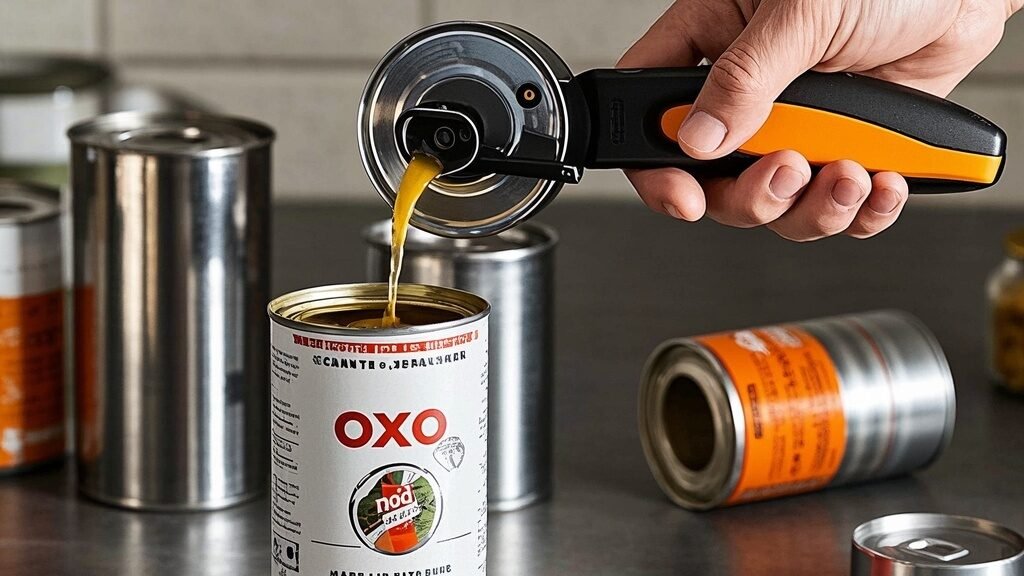
What Is Best Safety Can Opener for Seniors in 2025?

What Is Best Safety Can Opener for Seniors in 2025?

Picture a simple kitchen task that many take for granted: opening a can of soup for lunch. For millions of seniors, particularly those with arthritis, diminished grip strength, or limited hand mobility, this everyday act can range from frustrating to impossible, and sometimes even dangerous. Traditional can openers require a firm grip, significant wrist torque, and precise coordination—actions that become challenging with age. The right safety can opener isn’t just a kitchen tool; it’s a key to maintaining independence, dignity, and safe nutrition. In 2025, innovations in assistive kitchen tools are more focused than ever on pain-free operation and fall-prevention safety, transforming a chore into a simple, secure task.

Essential Safety Features for Senior-Friendly Can Openers

When evaluating a can opener for seniors, safety is the paramount concern, extending far beyond just cutting the lid. A truly safe design considers the entire process, from grip to disposal.

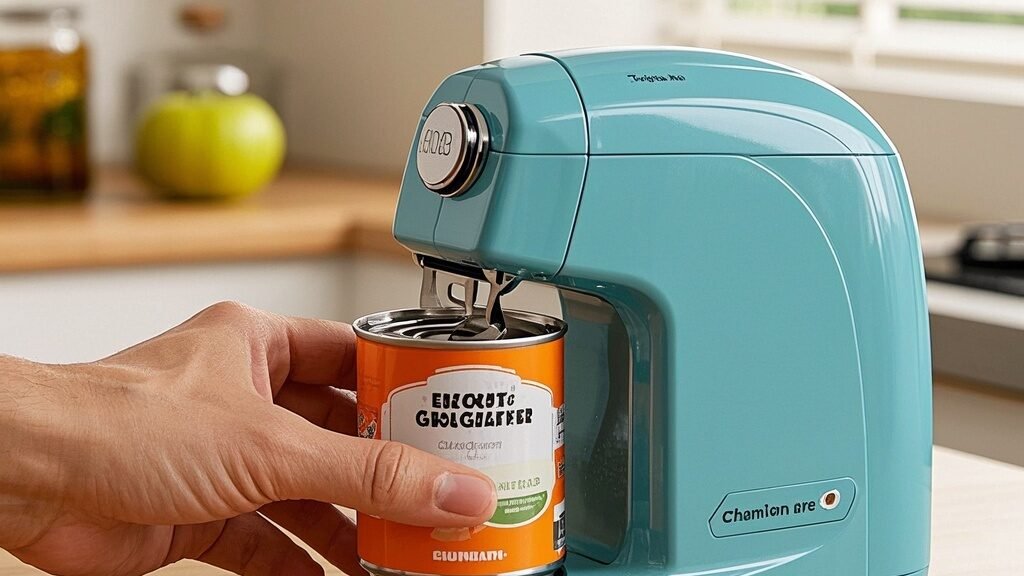
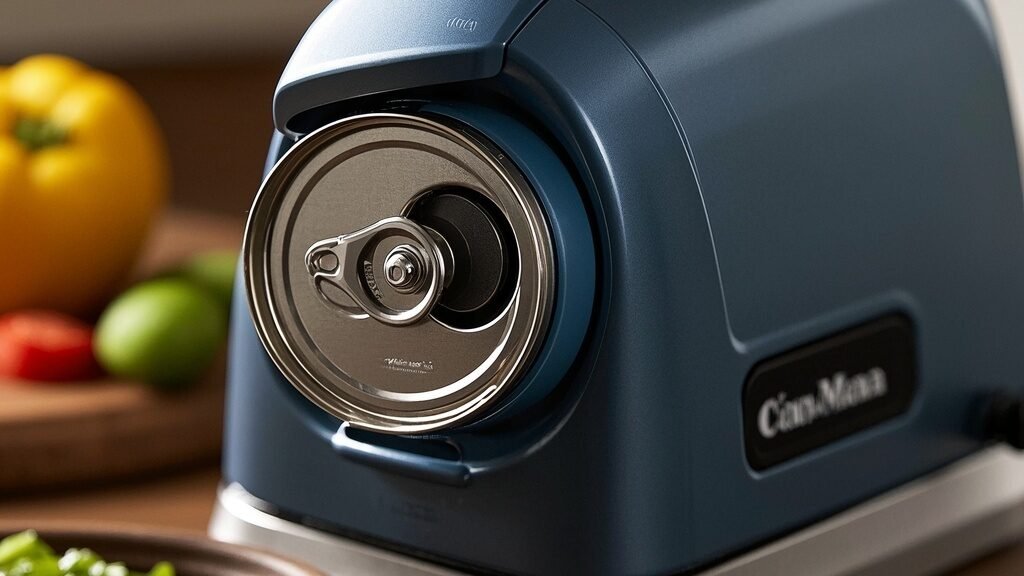
Key Safety Mechanisms to Look For: The best models feature automatic magnetic lid lifters. This ingenious component securely grabs the cut lid and holds it, eliminating the need for seniors to pry up a sharp, jagged edge with their fingers—a common source of cuts. Look for openers with large, easy-to-turn knobs or levers that require minimal force and no pinching. A stable, non-slip base is critical to prevent the opener from “walking” or tipping during use, which could lead to spills or loss of balance. Finally, consider designs that leave a smooth, rolled edge on the can itself, as opposed to a … Read the rest

Are Safety Can Openers Good for Daily Use?

Are Safety Can Openers Good for Daily Use?

Opening a can shouldn’t feel like a workout or a safety hazard. For many, especially seniors or those with conditions like arthritis, the simple act of using a traditional can opener can be a source of frustration, pain, or even anxiety. The sharp edges, the required grip strength, and the awkward twisting motion can turn a basic kitchen task into a daunting challenge. This is where the modern safety can opener steps in, promising a gentler, more secure experience. But does this specialized tool truly hold up to the demands of daily cooking, or is it just a niche gadget? Let’s explore how these innovative openers are designed not just for safety, but for restoring confidence and independence in the kitchen.

What Makes a Can Opener “Safe” and Senior-Friendly?

The core philosophy behind a safety can opener is to eliminate the risks and physical strain associated with conventional models. This isn’t about adding a rubber grip; it’s a complete redesign focused on accessibility.

Key Safety and Ease-of-Use Features:
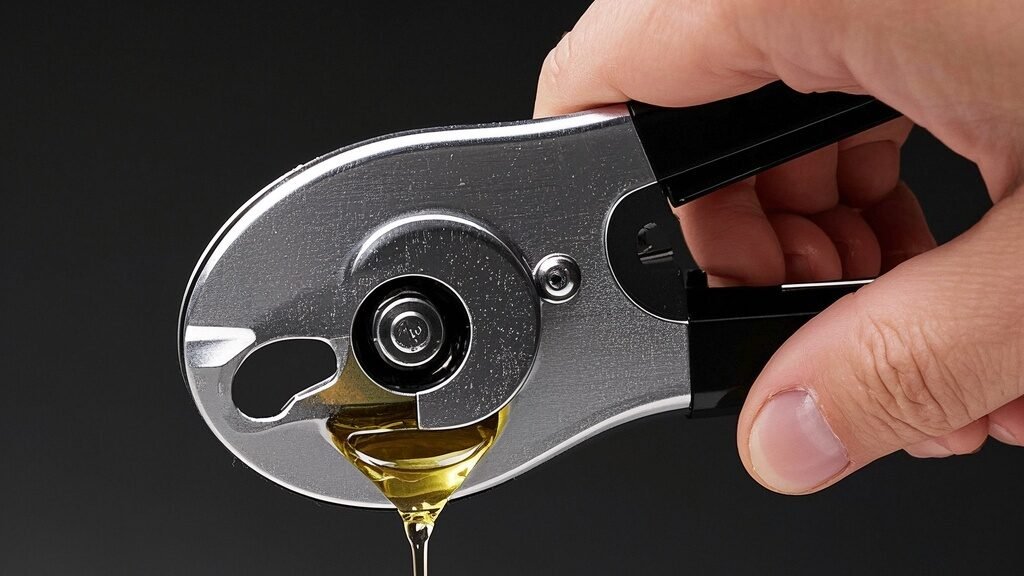
A true can opener for seniors or those with weak hands incorporates several critical design elements. First, it leaves a smooth, blunt edge on the can, completely removing the sharp, jagged lid that can cause cuts. Second, the operation is often powered by a large, easy-to-turn knob or a simple push-button mechanism, drastically reducing the grip strength and wrist torque needed. Many models are electric or battery-operated, requiring only the press of a lever. Third, they feature large, ergonomic handles that are comfortable to … Read the rest

Can Safety Can Openers Reduce Hand Strain?

Can Safety Can Openers Reduce Hand Strain?

Opening a simple can of soup shouldn’t feel like a workout. Yet, for many, the familiar struggle with a manual can opener—the twisting, the gripping, the slipping—can turn a basic kitchen task into a source of real discomfort or even pain. This is especially true for seniors, individuals with arthritis, or anyone experiencing weakness in their hands or limited mobility. The good news is that kitchen tool design has evolved far beyond the basic, hand-cranked model. Modern safety can openers are engineered specifically to address these challenges, transforming a potentially painful chore into a smooth, one-handed operation. By prioritizing ergonomics and leveraging smart mechanics, these devices aren’t just about opening cans; they’re about preserving independence and joy in the kitchen.

Understanding the Strain: Why Traditional Openers Fall Short

The Mechanics of Discomfort
Traditional manual can openers require a combination of sustained grip strength, wrist rotation, and downward pressure. This trio of actions can be particularly taxing. The constant squeezing to keep the cutting wheel engaged strains the muscles and joints in the hand and forearm. The repetitive twisting motion can irritate arthritic joints in the wrist, elbow, and shoulder. For someone with limited dexterity, aligning the opener and maintaining control throughout the process adds another layer of difficulty, often leading to frustration and abandoned cans.

Beyond the Physical Challenge
The struggle has implications that go beyond momentary pain. When a daily task becomes daunting, it can lead to a gradual withdrawal from cooking and meal preparation. This can impact nutrition, independence, and the … Read the rest

Are Safety Can Openers Safer Than Electric Ones?

Are Safety Can Openers Safer Than Electric Ones?

For many, opening a can is a simple, thoughtless task. But for individuals with arthritis, weakened grip strength, or limited hand mobility, that simple twist of a wrist can be a source of frustration, pain, and even danger. The traditional manual opener, with its sharp edges and forceful grip requirement, becomes a formidable obstacle. This is where specialized kitchen tools step in, promising not just convenience but genuine safety and independence. The debate often centers on two main helpers: the dedicated safety can opener and the modern electric can opener. Understanding their distinct approaches to safety is key to finding the right tool for maintaining kitchen autonomy.

Understanding Safety Can Openers: A Focus on Physical Security

When we talk about a “safety can opener,” we’re usually referring to a specific type of manual opener designed with physical protection as its core principle. Unlike traditional models that leave a sharp, jagged lid, these openers are engineered to eliminate that hazard entirely.

How They Work and Key Safety Features
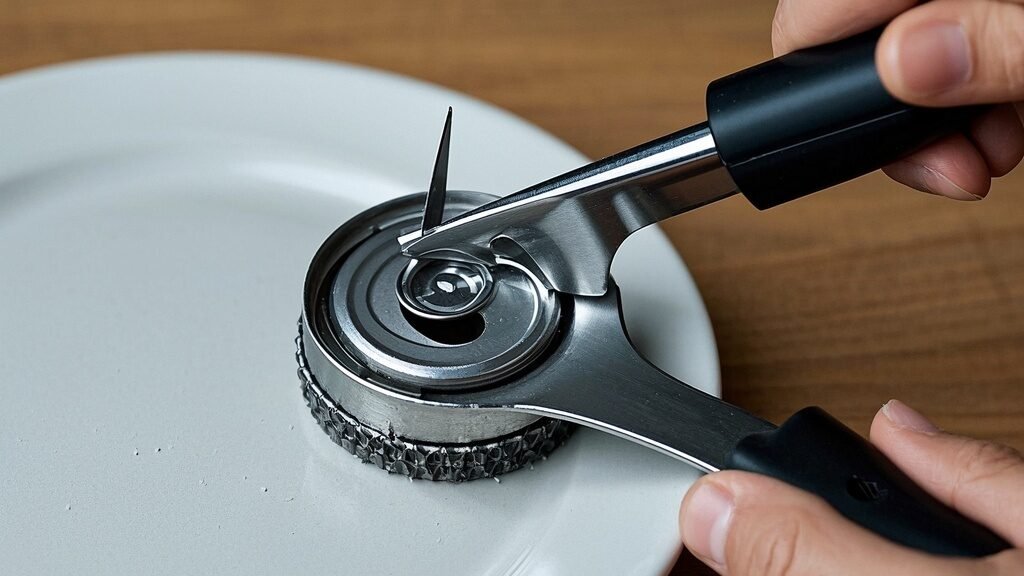
Most safety can openers use a cutting mechanism that severs the lid from the side of the can, leaving a smooth, safe edge on both the lid and the can itself. Your fingers never touch a sharp surface. The primary safety benefit is the complete removal of the cut-metal hazard. Additionally, many models feature large, easy-to-turn knobs that require less grip strength and torque, reducing strain on arthritic joints.

Pros and Cons for Users with Limited Mobility
The major advantage is undeniable: no sharp … Read the rest

What Safety Can Opener Is Best for Arthritis-Friendly Kitchens?

What Safety Can Opener Is Best for Arthritis-Friendly Kitchens?

Opening a simple can shouldn’t feel like a test of strength or a gamble with sharp edges. For millions of Americans managing arthritis, hand weakness, or limited mobility, this everyday kitchen task can be a source of frustration, pain, and even risk. The familiar struggle with a manual opener—the twisting, the gripping, the slippery handles—can turn meal prep into a chore to be avoided. But what if your kitchen tools adapted to you, instead of the other way around? The right safety can opener is more than a convenience; it’s a key to maintaining independence, safety, and joy in cooking.

Why a Specialized Can Opener is a Kitchen Essential

Standard can openers require a firm grip, significant wrist rotation, and precise pressure. For hands affected by arthritis, these actions can range from uncomfortable to impossible. A dedicated arthritis-friendly can opener is engineered to eliminate these pain points. The core philosophy is to transfer the work from your hands and wrists to the tool’s mechanics, using leverage, ergonomics, and smart design.

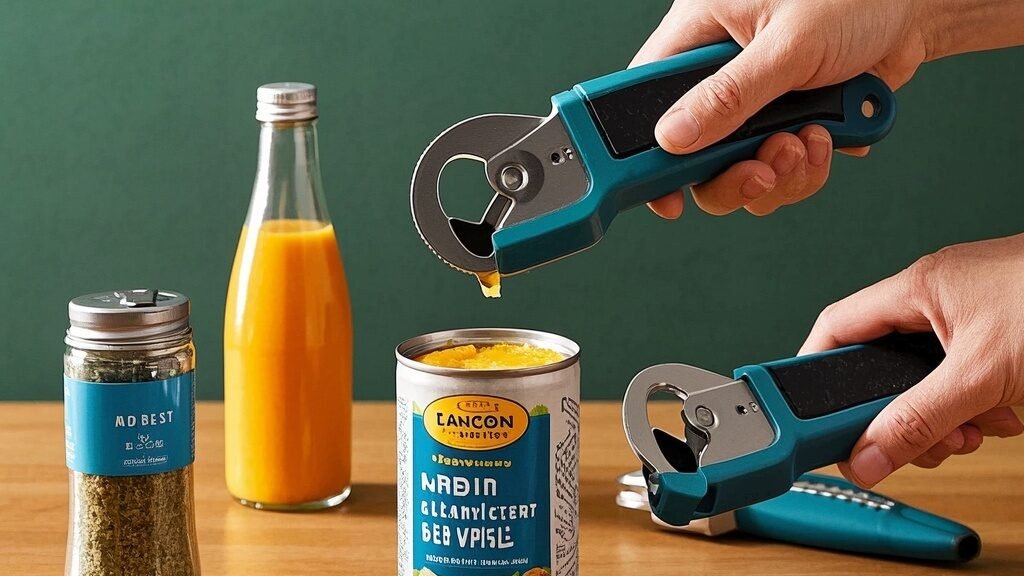
Key Design Differences: Unlike traditional models, these openers often feature large, soft-grip handles that distribute pressure across your palm, not just your fingers. They may use side-cutting mechanisms that leave smooth, safe lids, or powerful electric motors that do all the work with a button press. The goal is consistent: to reduce joint strain and minimize the risk of slips that can lead to cuts from jagged metal.

Critical Features for Safety and Ease of Use

When shopping for a can Read the rest

Can Safety Can Openers Help Prevent Kitchen Accidents?

Can Safety Can Openers Help Prevent Kitchen Accidents?

Imagine the simple act of opening a can of soup. For many, it’s a mindless, two-minute task. But for someone with arthritis, weak grip strength, or limited hand mobility, that metal lid can become a formidable barrier—and a potential source of cuts, frustration, and lost independence. The standard, crank-style opener requires a surprising amount of torque and dexterity, turning a daily chore into a risky endeavor. This is where the specialized world of safety can openers comes into play, designed specifically to mitigate these very kitchen accidents. By focusing on ergonomic design and pain-free operation, these tools aren’t just about convenience; they’re about empowering seniors and individuals with physical limitations to maintain their autonomy in the kitchen safely.

Understanding the Risks: Why Standard Openers Fall Short

Traditional can openers often contribute to kitchen accidents in subtle ways. The primary mechanism requires the user to exert downward pressure while simultaneously turning a small, often slippery, knob. This combination of force and fine motor control can be incredibly challenging.

Common Pain Points and Dangers: For hands affected by arthritis, the pinching grip needed to operate the opener can be excruciating. Weak hands may struggle to maintain enough pressure to puncture the can, causing the opener to slip. This slippage is a leading cause of cuts and lacerations from the sharp, exposed lid edges. Furthermore, the act of prying off the lid after cutting poses another significant hazard, as fingers come dangerously close to the razor-sharp metal.

The Independence Factor: Beyond the immediate physical risk, … Read the rest

What Is Best Safety Can Opener for Limited Mobility?

What Is Best Safety Can Opener for Limited Mobility?

Opening a simple can of soup shouldn’t feel like a workout or a safety hazard. For many seniors, individuals with arthritis, or anyone experiencing weakness in their hands, the familiar struggle with a traditional can opener is a daily frustration. That sharp, jagged lid, the slippery grip, and the wrist-twisting motion can turn a basic kitchen task into a painful or even dangerous chore. The best safety can opener transforms this experience, prioritizing secure, pain-free operation to restore confidence and independence in the kitchen. It’s not just a tool; it’s a key to maintaining self-sufficiency.

Why Standard Can Openers Fail for Limited Mobility

Understanding the shortcomings of common manual openers highlights why specialized can openers for seniors are essential. Traditional models require significant grip strength, precise finger dexterity, and a firm, twisting motion of the wrist. For someone with arthritis, this can exacerbate joint pain. For those with weak hands, maintaining enough pressure to pierce the lid and turn the knob is often impossible, leading to slippage and potential cuts.

The Pain Points of Conventional Designs: The primary issues include small, hard-to-turn knobs, poorly textured handles that slip in damp hands, and a cutting mechanism that leaves a dangerously sharp edge on both the lid and the can itself. This exposed edge is a major cut risk when trying to pry off the lid or dispose of it. A true safety can opener addresses each of these points, re-engineering the entire process for security and ease.

Essential Features of a Safety

Read the rest

What Safety Can Opener Is Best for Elderly Parents?

What Safety Can Opener Is Best for Elderly Parents?

Picture the simple act of opening a can of soup. For many, it’s a mindless kitchen task. But for an aging parent with stiff fingers or weakened grip, that stubborn metal lid can transform into a formidable barrier, turning a moment of independence into one of frustration or even danger. The right kitchen tool isn’t just about convenience; it’s about preserving dignity and safety. This guide focuses on finding the best safety can opener for seniors, a device engineered to eliminate strain and risk, empowering your loved ones to prepare meals confidently and independently.

Why Standard Can Openers Fail for Seniors

Traditional manual can openers require a significant combination of grip strength, wrist torque, and precise hand coordination. For someone with arthritis, limited hand mobility, or simply weaker muscles, this can be painful, ineffective, or unsafe. The sharp, exposed lid created by a standard opener is a common source of cuts. Electric models, while easier on the hands, often have complex buttons or require steady pressure to align. A true safety can opener for elderly users addresses these specific physical challenges head-on, prioritizing pain-free operation and eliminating hazards at every step.

Key Features to Look For in a Senior-Friendly Can Opener

Ergonomic Design and Ease of Use: Look for large, soft-grip handles that are easy to grasp without pinching. The mechanism should require minimal force to turn—often achieved through superior gear ratios or powerful motors. Some models feature one-touch operation or automatic stopping, which is ideal for those with cognitive or … Read the rest

What Is Best Safety Can Opener for Weak Wrists?

What Is Best Safety Can Opener for Weak Wrists?

Opening a simple can of soup shouldn’t feel like a workout or a hazard. Yet, for millions of Americans with arthritis, weakened grip strength, or conditions like Parkinson’s, the traditional manual can opener is a source of frustration, pain, and even danger. The struggle with slippery handles and forceful twisting can lead to dropped cans, spills, and strained joints. The kitchen, a place of independence and nourishment, suddenly presents an obstacle.

This is where the right safety can opener becomes more than just a tool—it’s a key to maintaining autonomy. Modern designs specifically for weak wrists and limited hand mobility have transformed this basic task. They prioritize stability, leverage, and smooth operation to eliminate strain and risk. Let’s explore how these innovative openers work and what features truly make one the best choice for safety and ease.

Essential Features of a Senior-Friendly Safety Can Opener

Not all can openers labeled “easy” are created equal for those with physical limitations. The best models address specific challenges through thoughtful engineering.

Stability and Hands-Free Operation
The most critical safety feature is a design that secures the can itself. Openers with strong magnetic lids or automatic lid-lifters are paramount. They hold the cut lid firmly, preventing sharp edges from falling into the food or requiring you to pry it out with your fingers. A stable, non-slip base that clamps or grips the counter is also vital to prevent the entire unit from sliding during use, which is a common cause of spills and accidents.

Ergonomic Read the rest

Are Safety Can Openers Easy for Beginners?

Are Safety Can Openers Easy for Beginners?

Picture this: you’re trying to open a can of soup for a quick lunch, but your hands ache or just don’t have the strength they used to. The old can opener slips, the lid is dangerously sharp, and frustration mounts. This common kitchen struggle is precisely why safety can openers were invented. For beginners, seniors, or anyone with arthritis or limited hand strength, the right tool can transform a daunting task into a simple, safe one. A safety can opener is designed not just to open cans, but to do so in a way that prioritizes user safety and ease above all else.

Unlike traditional openers that leave jagged, exposed metal edges, these specialized tools cut from the side, leaving a perfectly smooth rim. They often require minimal grip strength and leverage, making them ideal for those with weak hands. The question isn’t just about ease for beginners; it’s about reclaiming independence and confidence in the kitchen. Let’s explore how these devices work and why they might be the perfect kitchen upgrade.

What Makes a Can Opener “Safe” and Easy to Use?

The core innovation of a safety can opener lies in its cutting mechanism and design philosophy. While a standard opener pierces the top and cuts inward, a safety model typically cuts under the rim, sealing the sharp edge inside the lid’s channel. This one feature eliminates the number one hazard: cutting yourself on a freshly opened can.

Key Ease-of-Use Features: For beginners and users with physical limitations, several design elements are … Read the rest