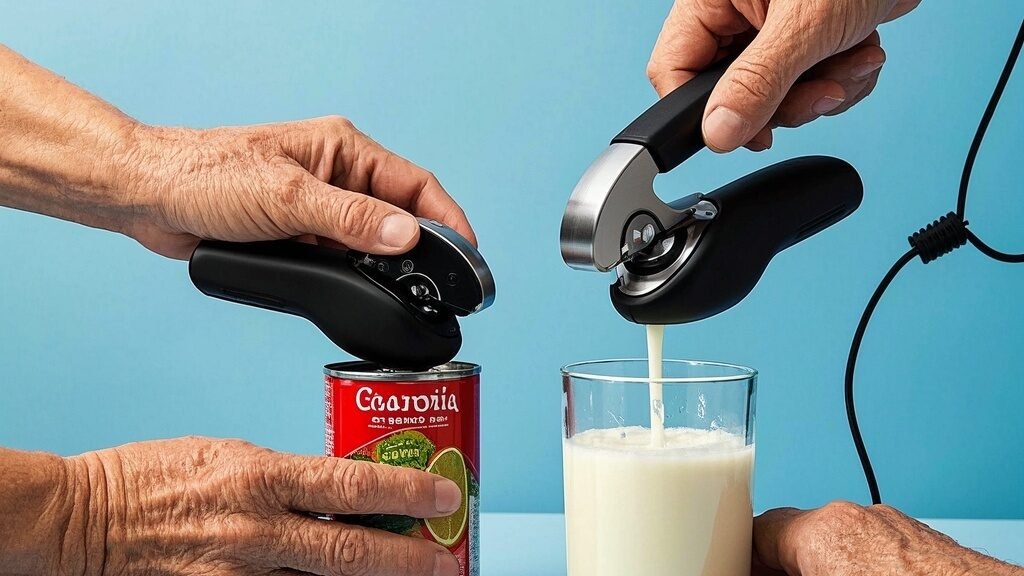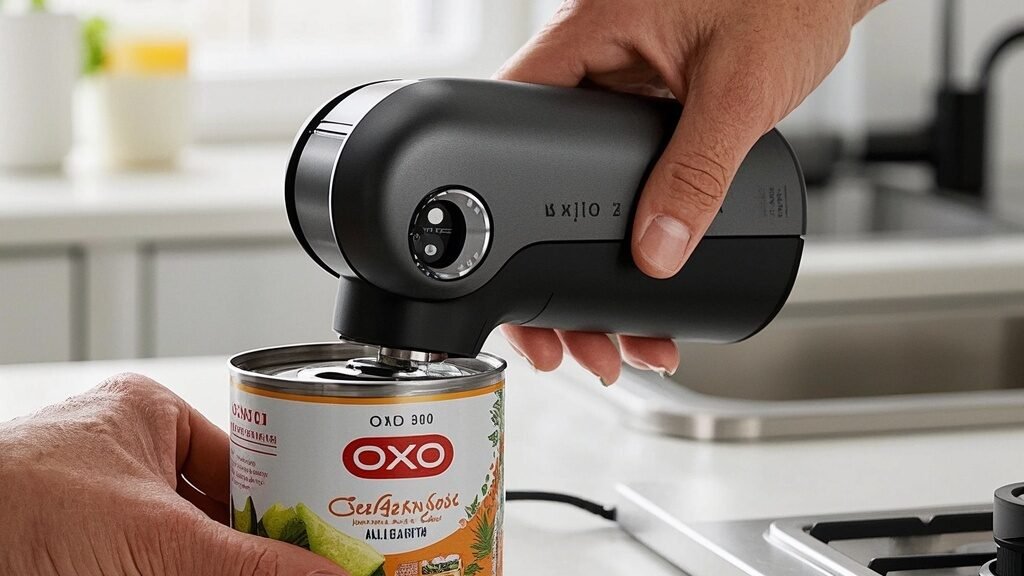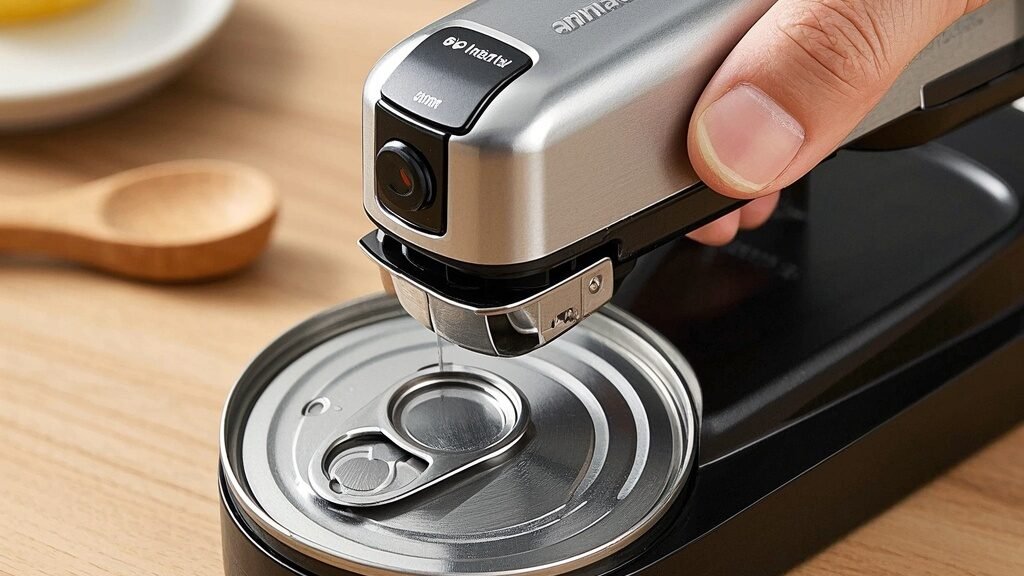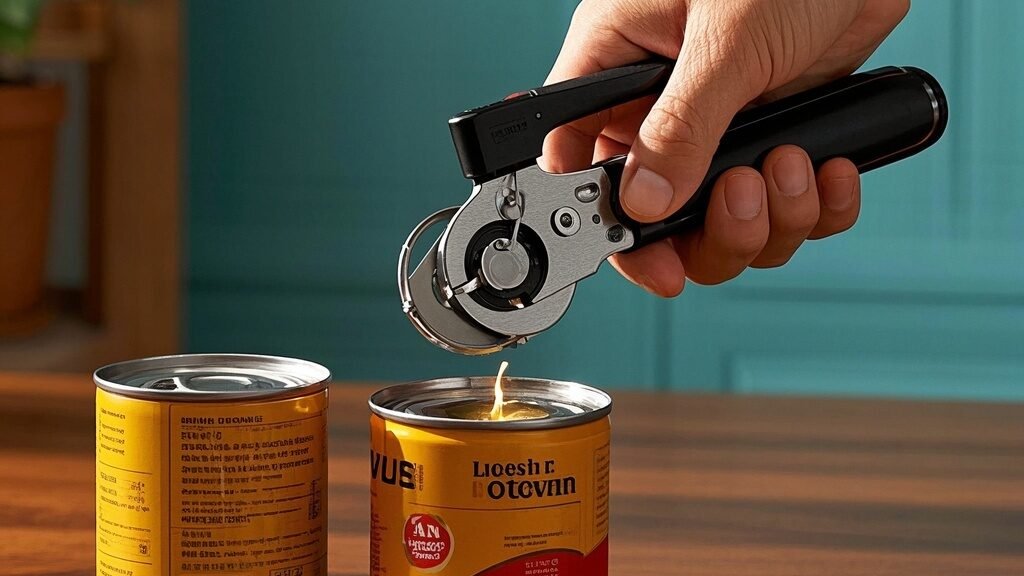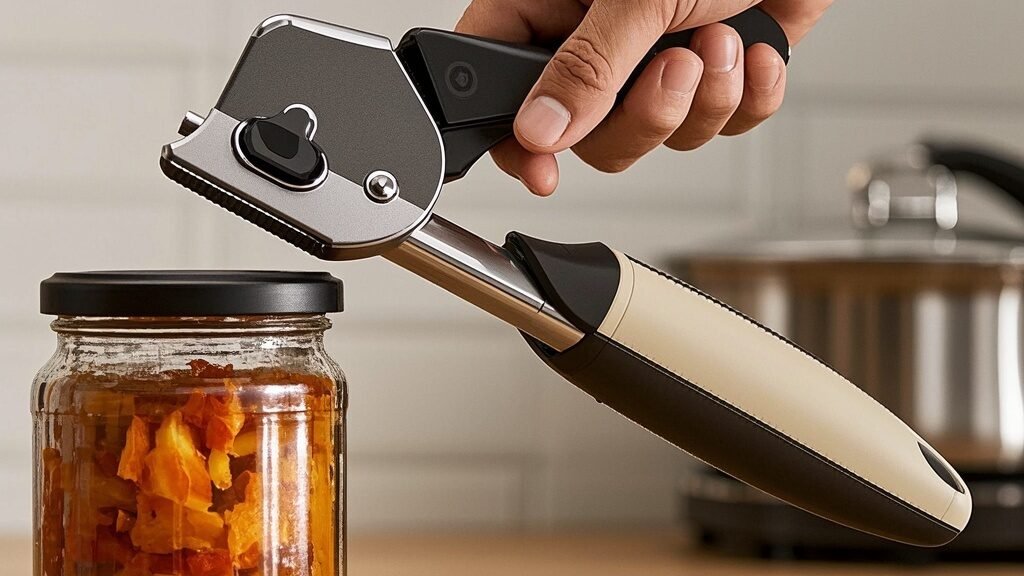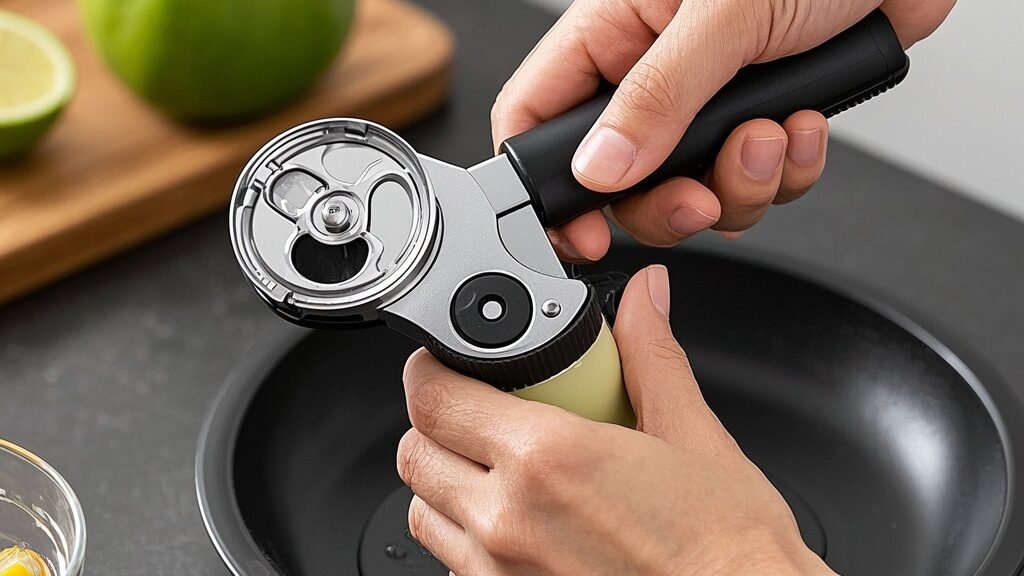
What Safety Can Opener Is Best for Pain-Sensitive Hands?

What Safety Can Opener Is Best for Pain-Sensitive Hands?

Opening a simple can of soup shouldn’t feel like a workout for your hands. For millions of Americans living with arthritis, reduced grip strength, or conditions like carpal tunnel, the twisting, pressing, and torque required by a traditional can opener transforms a basic kitchen task into a source of pain and frustration. The good news is that kitchen tool design has evolved, prioritizing accessibility and safety. The right safety can opener can restore independence and make meal prep a pain-free experience again.

Why Standard Can Openers Fail Pain-Sensitive Hands

Understanding the problem is the first step to finding the right solution. Traditional manual can openers require a combination of fine motor skills, sustained grip pressure, and wrist rotation. This trifecta is particularly challenging for individuals with arthritis in their hands or wrists, as the pinching motion aggravates swollen joints. Those with conditions like Parkinson’s or general weakness find maintaining the necessary downward pressure and simultaneous turning nearly impossible, leading to slippage and potential injury.

Key Pain Points: The primary issues are grip strength, dexterity, and force. The small, often slippery handles demand a tight pinch grip. The turning knob requires coordinated finger movement, and the initial puncture of the lid needs significant downward force. An electric or specially designed can opener for seniors addresses each of these points directly, replacing muscle power with mechanical advantage or motorized assistance.

Essential Features of a Senior-Friendly Safety Can Opener

Not all products marketed as “easy” are created equal. When shopping for someone with limited … Read the rest
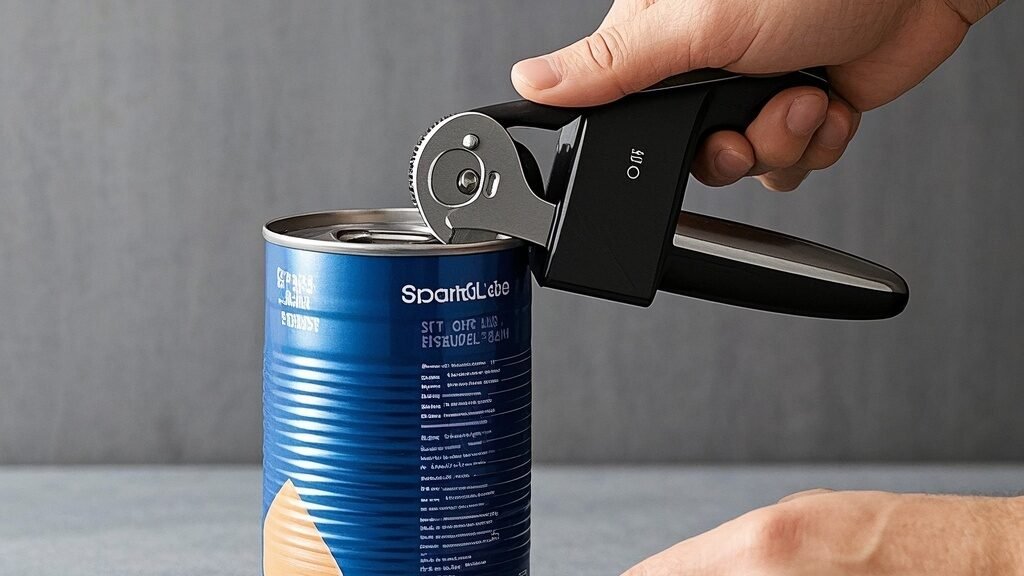
Can Safety Can Openers Be Used Sitting Down?

Can Safety Can Openers Be Used Sitting Down?

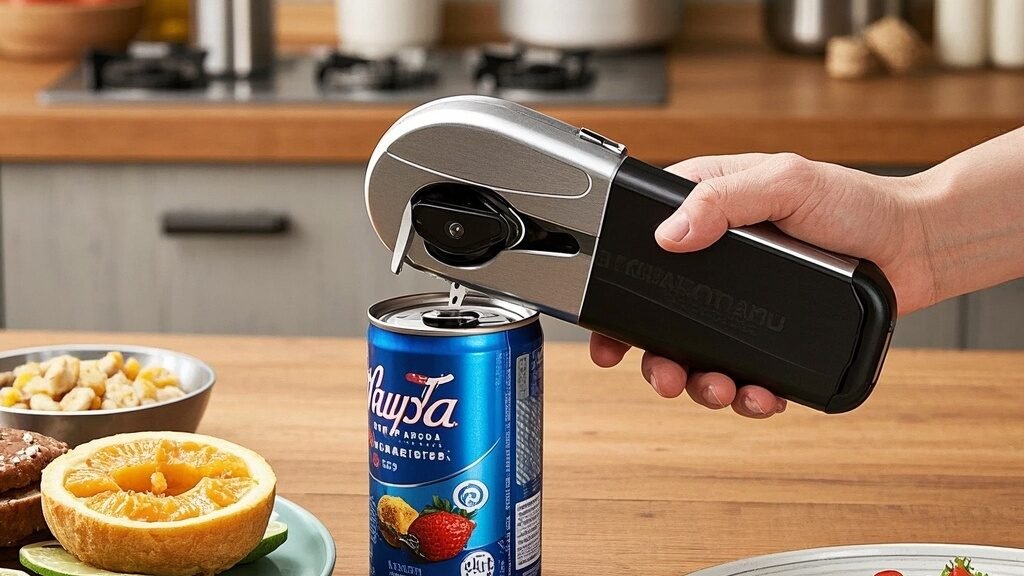
For many, the simple act of opening a can is a minor kitchen task. But for seniors, individuals with arthritis, or those managing limited mobility, it can be a source of frustration, pain, or even risk. The familiar struggle with a manual opener—twisting, gripping, and applying pressure—can feel like an insurmountable barrier to independence. This is where the specialized design of a safety can opener changes the equation entirely. These innovative tools are engineered not just for convenience, but for accessibility, empowering users to reclaim their kitchen confidence.

Understanding Safety Can Openers: More Than Just a Tool

A safety can opener is specifically designed to minimize effort and maximize safety. Unlike traditional openers that leave sharp, jagged edges, most safety models use a mechanism that cuts the lid from the side, leaving a smooth, safe rim. This core feature addresses a major concern for anyone with unsteady hands or diminished sensation. The operation itself is often a simple push-button or lever action, requiring minimal grip strength and no painful twisting of the wrist.

Key Features for Accessibility: When evaluating openers for seniors or those with weak hands, look for these critical elements. A large, ergonomic handle is essential, distributing force and reducing strain on arthritic joints. Lightweight operation, often powered by electricity or a smooth manual gear system, eliminates the need for forceful squeezing. Stability is another key factor; many models have a strong magnetic lid lifter or a non-slip base to hold the can securely, preventing spills and accidents.

Seated Operation:

Read the rest

How Do Smooth-Edge Can Openers Work?

How Do Smooth-Edge Can Openers Work?

Imagine opening a can of soup without the familiar, jagged metal edge left behind. No sharp teeth, no risk of nicking a finger, and no wrestling with a stubborn lid. This is the quiet revolution brought to the kitchen by smooth-edge can openers. For seniors managing arthritis, weak grip strength, or limited mobility, this simple tool isn’t just a convenience—it’s a key to maintaining independence and safety in the kitchen. Understanding how these innovative openers function reveals why they are a superior choice for pain-free, secure food preparation.

The Mechanics Behind the Safety: Cutting Without the Danger

Traditional vs. Smooth-Edge: A Fundamental Difference
Traditional can openers use a sharp, rotating wheel or blade that cuts directly through the metal lid, leaving behind a raw, serrated edge that’s a common source of cuts. A smooth-edge can opener, often called a safety opener or side-cutting opener, operates on a completely different principle. Instead of cutting from the top, it uses a precision-ground wheel that rolls under the lid’s outer rim, cleanly separating the seal between the lid and the can body.

This process severs the lid from the can by crimping and separating the metal at its thinnest, weakest point—the factory-sealed seam. The result is a lid that lifts off smoothly, leaving a perfectly rounded, blunt edge on both the can and the lid itself. There are no sharp fragments, and your fingers never come near a cutting action. This core mechanism is what makes it an essential can opener for seniors and anyone prioritizing safety.… Read the rest

What Is Best Safety Can Opener Overall?

What Is Best Safety Can Opener Overall?

Opening a simple can of soup shouldn’t feel like a risky feat of strength. For many, especially seniors or those managing arthritis, carpal tunnel, or limited hand mobility, the familiar struggle with a manual opener—slipping blades, sharp edges, and the painful grip required—can turn a basic kitchen task into a source of frustration and even danger. The quest for the best safety can opener isn’t just about convenience; it’s about reclaiming independence and confidence in the kitchen. This guide cuts through the clutter to explore what truly makes a can opener safe and easy to use, focusing on features that eliminate strain and risk.

Key Features of a Truly Safe Can Opener

Not all “easy” openers are created equal when safety is the top priority. A superior safety can opener is engineered to address specific physical challenges.

Ergonomic Design and Pain-Free Operation
Look for large, soft-grip handles that distribute pressure across the palm, not just the fingers. These require minimal squeezing force, which is crucial for arthritic hands or weak grip strength. The turning mechanism should be smooth and require little wrist rotation. Some models feature extra-long handles that provide significant leverage, making the turning action almost effortless.

Safety-Conscious Cutting Mechanism
This is the most critical feature. The best designs completely avoid leaving a sharp, jagged lid. Look for openers that cut from the side of the can, leaving a smooth, safe edge on both the can and the detached lid. Some models magnetically hold the lid after cutting, preventing it from falling … Read the rest

Are Smooth-Edge Can Openers Good for Elderly Kitchens?

Are Smooth-Edge Can Openers Good for Elderly Kitchens?

Opening a can should be a simple task, not a source of anxiety or a test of strength. Yet, for many seniors, especially those managing arthritis, weakened grip, or reduced hand mobility, the familiar struggle with a traditional can opener can turn a basic kitchen chore into a daunting, and sometimes painful, challenge. The frustration of fumbling with a slippery handle or the sharp, exposed lid left behind is all too real. This is where the innovative safety can opener enters the picture, promising a gentler, safer alternative. But does this modern tool truly live up to its promise for an elderly user seeking independence and safety in their kitchen?

Understanding the Smooth-Edge Advantage

Unlike traditional openers that cut through the metal lid, leaving a sharp, jagged edge, a smooth-edge (or safety-edge) can opener works on a different principle. It uses a rolling mechanism to cleanly separate the lid from the can’s rim at the seam, leaving behind a perfectly smooth edge on both the can and the detached lid. This fundamental difference is what makes it a standout as a can opener for seniors.

Safety First and Foremost
The most immediate benefit is the elimination of sharp edges. There’s no risk of nicking fingers when cleaning the can or disposing of the lid. This addresses a significant safety concern for anyone, but it’s particularly crucial for those with thinner skin or slower reflexes. Furthermore, many models are designed to leave the lid sitting securely on top of the can, preventing … Read the rest

What Safety Can Opener Is Best for Limited Hand Strength?

What Safety Can Opener Is Best for Limited Hand Strength?

Opening a simple can of soup shouldn’t feel like a workout or a safety hazard. For millions of people with arthritis, weakened grip strength, or limited hand mobility, the traditional manual can opener is a source of frustration and even pain. The twisting, squeezing, and sharp edges can turn a basic kitchen task into a daunting challenge. This is where a thoughtfully designed safety can opener becomes more than just a tool—it’s a key to maintaining independence and confidence in the kitchen. By prioritizing ease of use and eliminating common pain points, the right opener can transform meal prep from a chore back into a simple, safe pleasure.

Key Features to Look for in a Safety Can Opener

Not all openers marketed as “easy” are created equal. When searching for the best can opener for seniors or anyone with limited hand strength, specific design elements are non-negotiable. These features work together to reduce strain and maximize safety.

Ergonomic Design and Operation
Look for large, soft-grip handles that distribute pressure across your palm instead of concentrating it on your fingers and joints. The mechanism should require minimal force; a smooth, continuous turning motion is far better than repetitive squeezing. Some models use a side-cutting mechanism or a gentle rocking motion, which can be significantly easier on the wrists than the traditional twist-and-pierce action.

Safety-First Functionality
A true safety can opener leaves no sharp edges. It should cut the lid from the side, leaving a smooth, safe rim on both the can … Read the rest

What Is Best Safety Can Opener for Family Use?

What Is Best Safety Can Opener for Family Use?

Opening a can shouldn’t feel like a feat of strength or a hazard waiting to happen. Yet, for many, especially seniors or those with conditions like arthritis, the simple act of accessing canned goods can be a source of frustration, pain, or even danger. The familiar struggle with a manual opener—slippery grips, sharp edges, and the need for a firm grip and wrist twist—can turn a basic kitchen task into an obstacle. This is where the concept of a dedicated safety can opener transforms from a convenience into a tool for preserving independence and confidence in the kitchen.

Why a Specialized Safety Can Opener Matters

Standard can openers are designed with an assumption of full hand strength and dexterity. For individuals with weak hands, arthritis, or limited mobility, these common tools present specific challenges. The primary goal of a can opener for seniors is to eliminate these pain points entirely.

Key Challenges for Users with Limited Mobility: Traditional openers require a tight, sustained grip to clamp onto the can and significant rotational force in the wrist to turn the key. This can strain arthritic joints and be impossible for those with weakened hand muscles. Furthermore, the resulting lid is often left with a razor-sharp edge, posing a serious cut risk during removal or disposal.

How Safety Openers Address These Issues: The best models are engineered for pain-free operation. They feature large, ergonomic handles that distribute pressure, require minimal grip strength to activate, and use powerful gears or motors to do … Read the rest

How Do Smooth-Edge Can Openers Work?

How Do Smooth-Edge Can Openers Work?

Opening a can shouldn’t feel like a feat of strength or a safety hazard. For many, especially seniors or those managing arthritis, the familiar struggle with a traditional opener—the sharp, exposed lid, the slippery grip, the wrist-twisting motion—can turn a simple kitchen task into a source of frustration or even pain. This is where the smooth-edge can opener, often called a safety opener, steps in as a quiet revolution. Unlike its conventional counterpart, this clever device completely reimagines the opening process to prioritize safety and accessibility above all else.

The Mechanics of Safety: Cutting from the Side

The Core Principle
A smooth-edge can opener works on a fundamentally different principle. Instead of cutting through the top lid from above, it cuts from the side. The device grips the can’s rim and uses a rolling wheel to cleanly sever the lid just beneath the top seam. This leaves the detached lid sitting perfectly on top of the can, with no sharp, jagged edges exposed.

Operation and User Experience
You place the opener’s clamping mechanism onto the rim of the can. With a simple turn of a large, ergonomic knob (often designed for a full-hand grip), the cutting wheel engages and smoothly rolls around the perimeter. The result is a lid that can be lifted off safely with its smooth, rounded edge. There’s no risk of cutting your fingers on a sharp lid, and because the cutting happens from the side, no metal shavings fall into your food. For users with weak grip strength, arthritis, or … Read the rest

Are Safety Can Openers Worth Buying?

Are Safety Can Openers Worth Buying?

Imagine the simple act of opening a can of soup becoming a source of anxiety or even pain. For millions of seniors and individuals with arthritis, weak grip strength, or limited hand mobility, this everyday kitchen task can be a frustrating and potentially hazardous challenge. Traditional can openers require significant force, precise wrist action, and often leave sharp edges—a combination that can lead to strain, cuts, and a loss of independence. This is where the specialized world of safety can openers steps in, promising a safer, easier alternative. But do these devices truly live up to their name, or are they just another kitchen gadget? We’re cutting through the marketing to examine if investing in a safety-focused opener is a wise decision for maintaining kitchen autonomy and safety.

What Makes a Can Opener “Safe” for Seniors and Weak Hands?

Not all can openers are created equal, especially when considering the needs of an aging population or those with physical limitations. A true safety can opener for seniors is engineered with specific features that address common points of difficulty.

Key Safety and Ease-of-Use Features:
The primary innovation is the cutting mechanism. Many safety models are electric or battery-operated, eliminating the need for hand-cranking entirely. For manual options, look for large, ergonomic handles that require minimal squeezing force. A stable, non-slip base is crucial to prevent the can from spinning. Perhaps the most significant safety feature is a design that leaves a smooth, rolled edge on the lid and the can itself, completely removing the risk … Read the rest

How Do Smooth-Edge Can Openers Work?

How Do Smooth-Edge Can Openers Work?

Imagine the last time you wrestled with a traditional can opener. The struggle to get a grip, the sharp metal edge left behind, and the occasional frustration when the mechanism slips. For millions of seniors, individuals with arthritis, or anyone with limited hand strength, this simple kitchen task can be a daily source of pain and anxiety. Enter the smooth-edge can opener, a cleverly engineered tool designed not just to open cans, but to restore confidence and independence in the kitchen. Unlike their toothed counterparts, these openers work on a fundamentally different principle, prioritizing safety and effortless operation above all else.

The Ingenious Mechanism Behind the Safety

At its core, a smooth-edge can opener, often called a safety can opener, completely reimagines the opening process. Instead of cutting through the metal lid, it rolls and crimps the seam. Here’s a step-by-step breakdown of how this innovative mechanism works to protect your hands.

Step-by-Step Operation: You place the opener’s powerful magnet or gripper onto the center of the can’s lid. As you turn the large, ergonomic knob, a precision cutting wheel rolls underneath the lid’s outer rim. It doesn’t cut; it cleanly separates the lid from the can by compressing and folding the metal seam inward. This leaves a perfectly smooth, rounded edge on both the can and the detached lid, eliminating any risk of sharp, jagged metal.

Key Components for Ease: The magic lies in the design. A large, easy-turn knob requires minimal grip strength and no painful twisting motion. Gears inside the … Read the rest