Are Automatic Can Openers Easy to Learn?
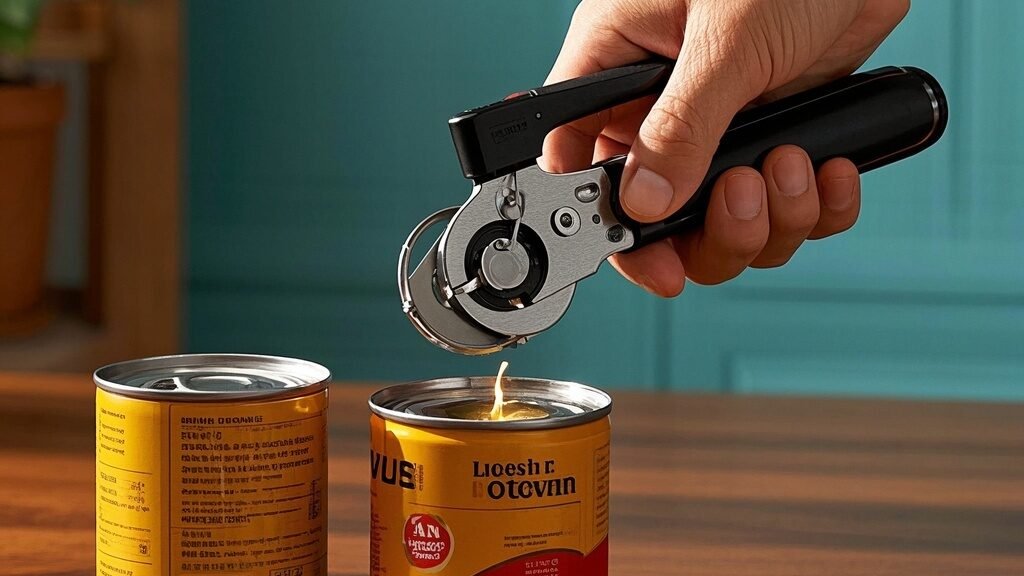
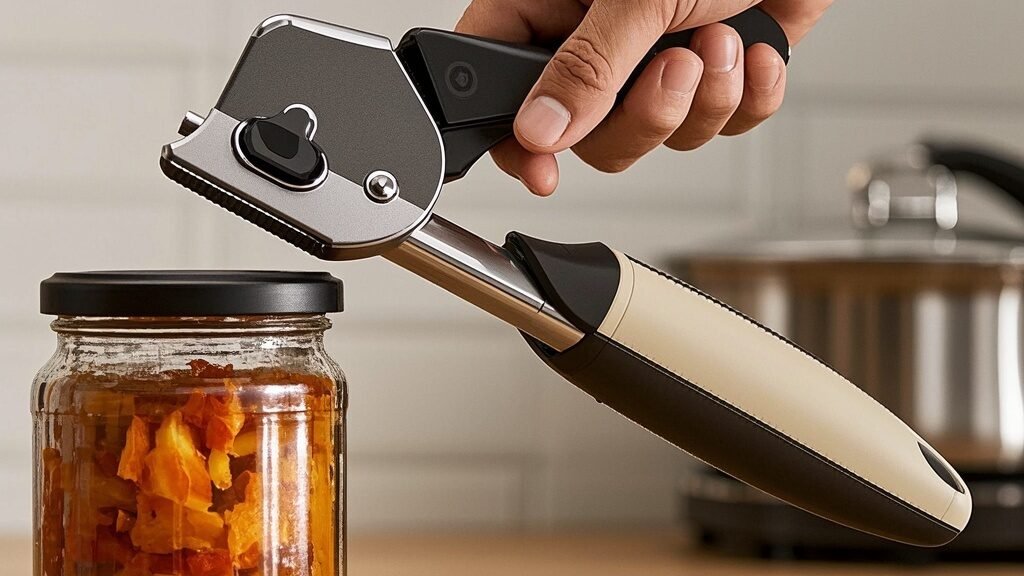
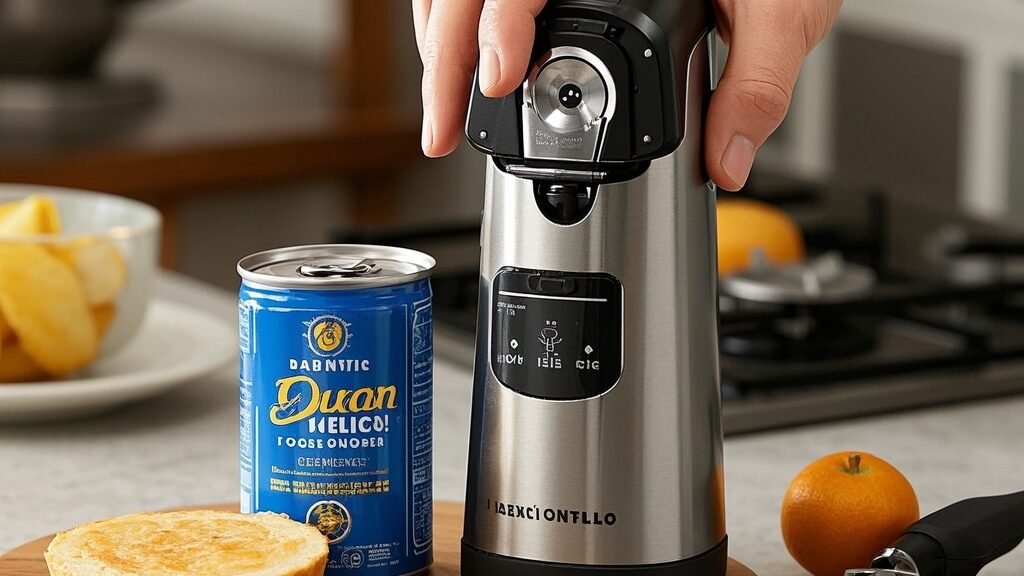
Opening a can shouldn’t feel like a workout. For many, the familiar struggle with a manual opener—the twisting, the gripping, the occasional slip—can turn a simple kitchen task into a frustrating ordeal. This is where the modern automatic can opener steps in, promising a touch-button solution. But if you’re considering one, especially for an older adult or someone with arthritis, the big question isn’t just about convenience; it’s about usability. Are automatic can openers genuinely easy to learn and use? The short answer is a resounding yes, and they are specifically designed to be a game-changer for seniors and anyone with limited hand strength or dexterity.
Why Ease of Use is a Game-Changer for Seniors & Those with Limited Mobility
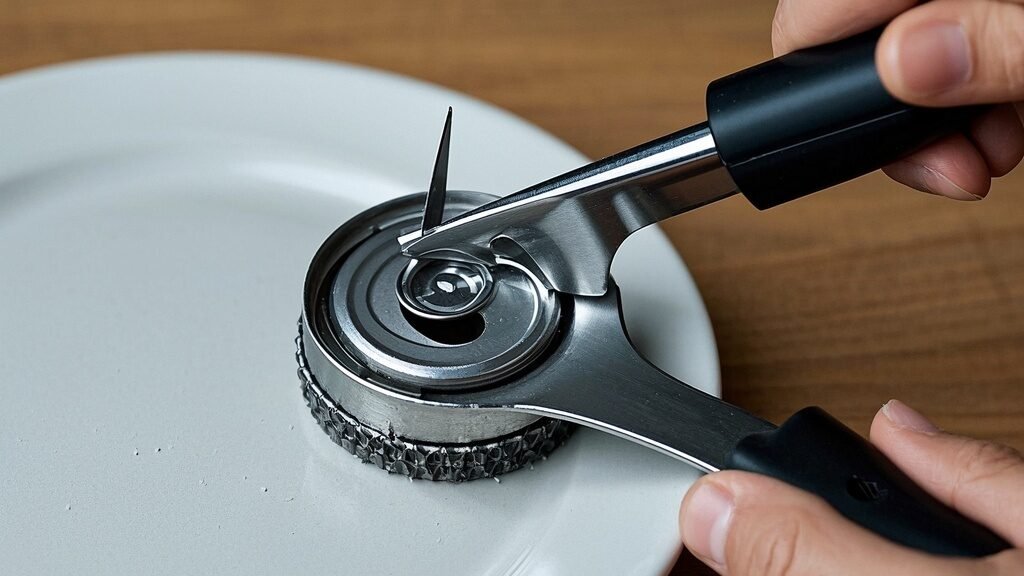
Traditional manual can openers require significant grip strength, precise hand-eye coordination, and a twisting motion that can be painful for arthritic hands or wrists. An automatic electric model eliminates almost all of that physical demand. The learning curve is remarkably shallow because the device does the heavy lifting—literally.
Key Benefits for Accessibility:
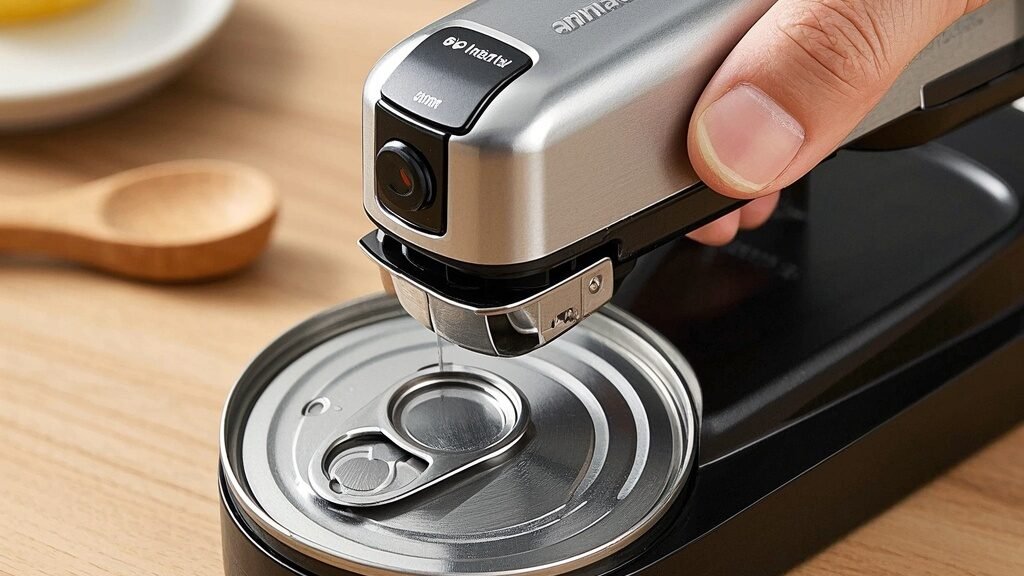
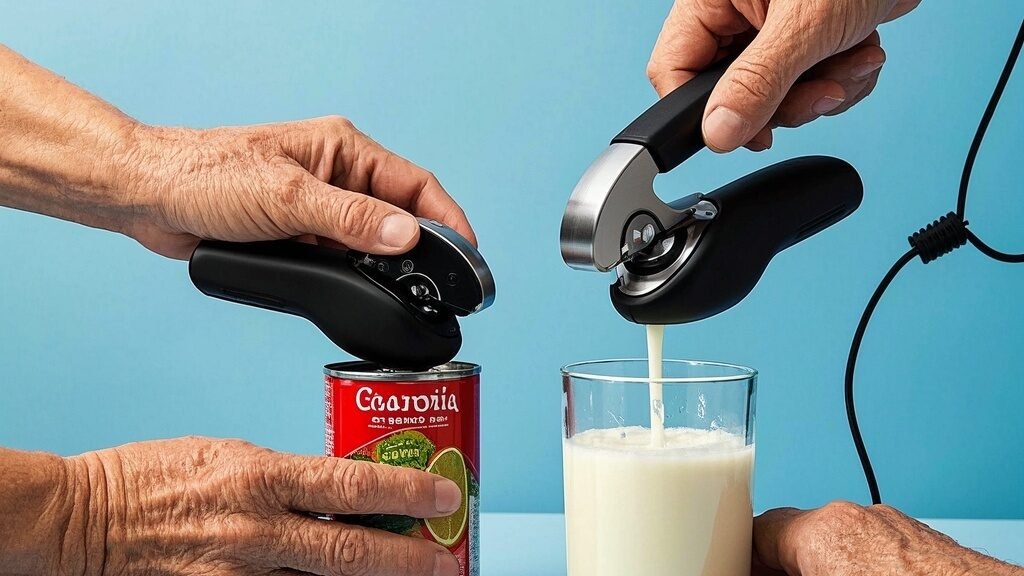
The primary advantage is the reduction of physical strain. Users simply place the opener on the can, press a button, and the magnets do the rest. There’s no twisting, no squeezing, and no need to hold a slippery can steady with force. This makes kitchen independence not only possible but also safer, reducing the risk of cuts from struggling with a manual opener or a jagged lid.
Building Confidence in the Kitchen:
For someone who has begun to avoid canned goods … Read the rest