What are the disadvantages of automatic can openers?
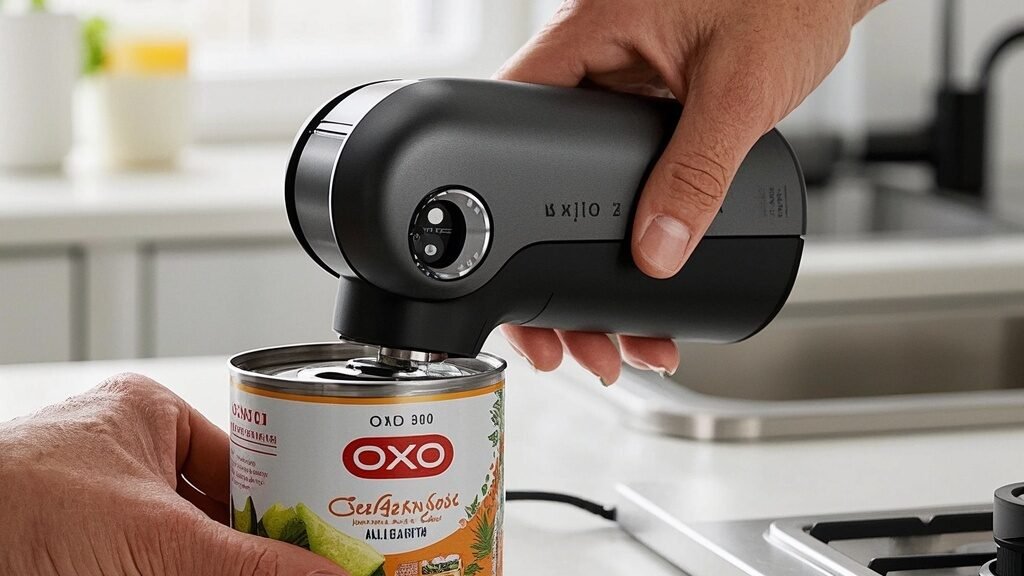
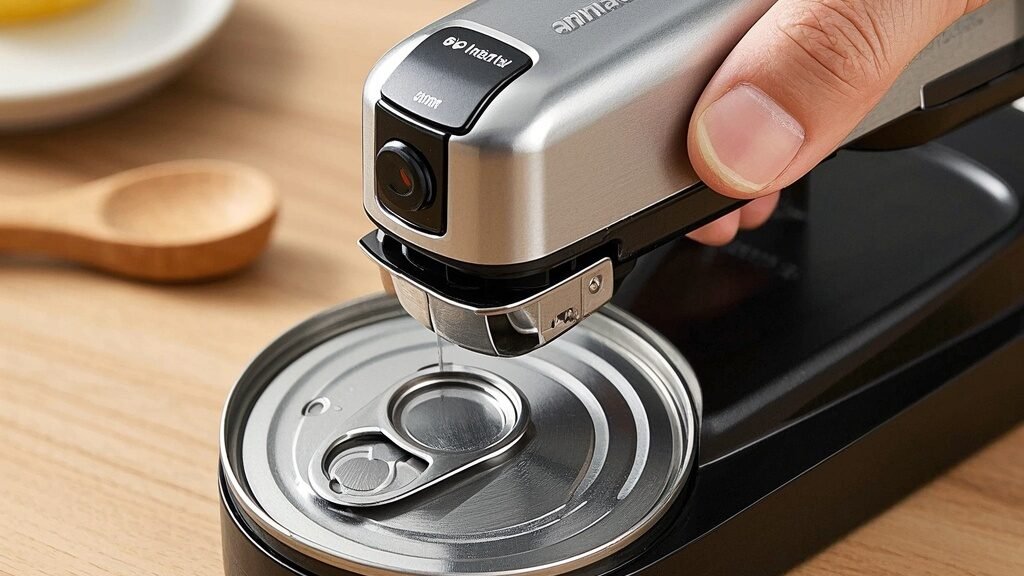
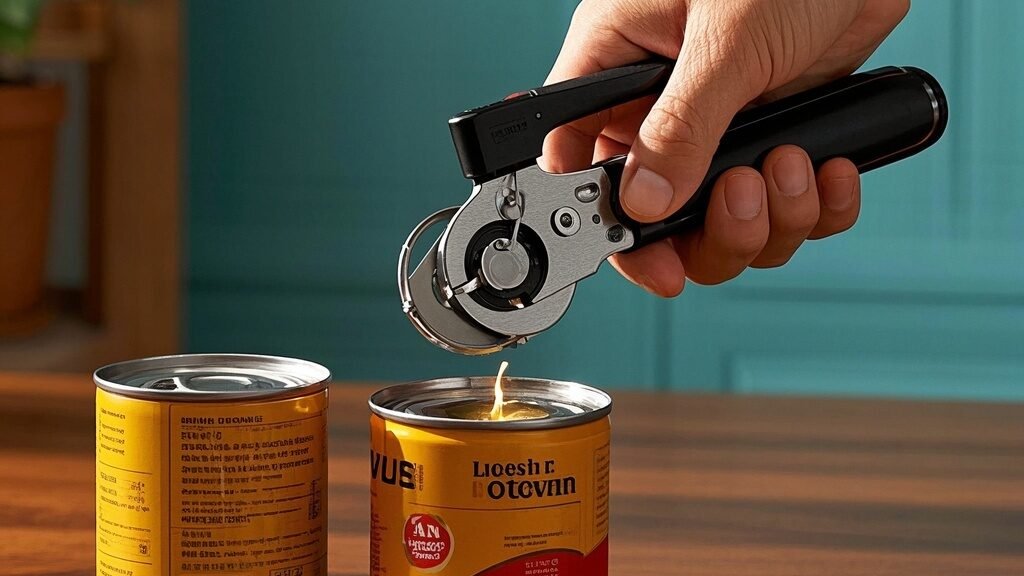
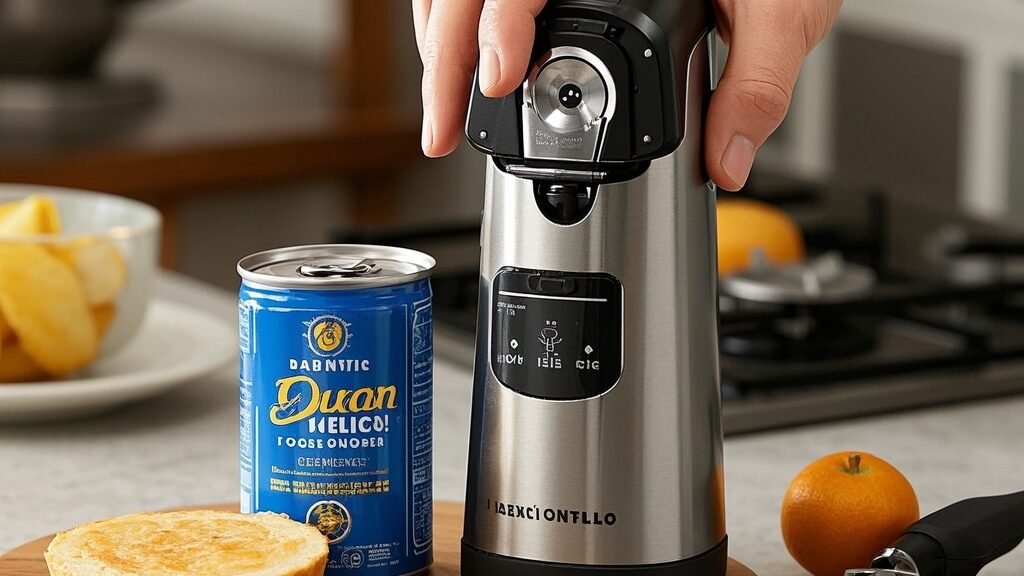
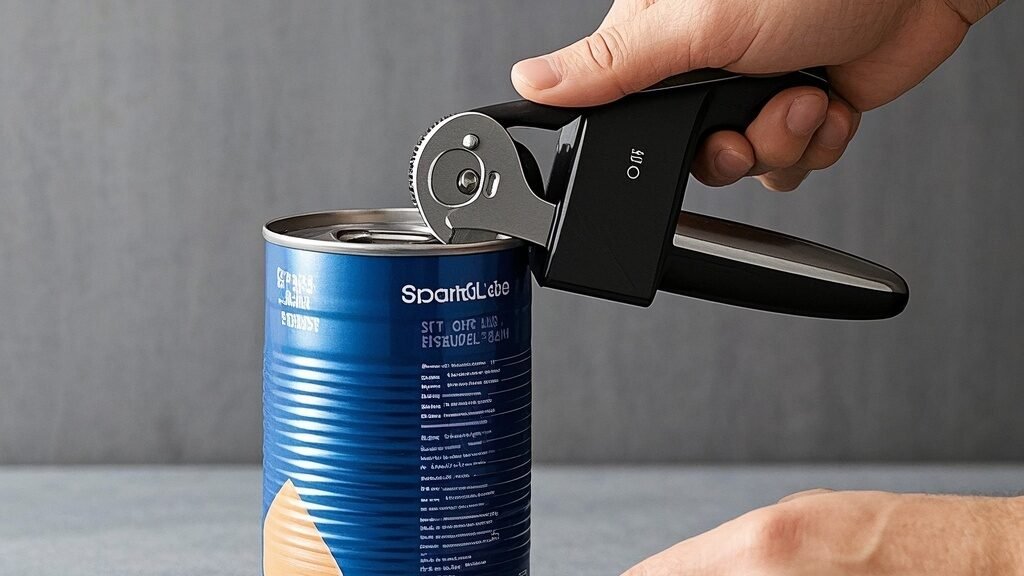
Imagine your kitchen during a hectic dinner prep. You’re juggling multiple pots, the timer is beeping, and you finally reach for that can of tomatoes—the final ingredient. With a sigh of relief, you place it under your automatic can opener, press the button, and… nothing happens. The battery is dead. Suddenly, the gadget marketed as the pinnacle of convenience has become the epicenter of frustration. This scene underscores a quiet truth in our quest for kitchen automation: sometimes, simpler is better. While automatic can openers promise effortless operation, their drawbacks often go unmentioned in glossy advertisements. From frustrating design flaws to surprising inefficiencies, these devices can complicate the simple task of opening a can.
The Hidden Costs of Convenience
The most immediate disadvantage of an automatic can opener is its dependency on power. Unlike a trusty manual opener that works in any situation, an electric model is useless during a power outage or with dead batteries. This might seem like a minor point, but it highlights a vulnerability in our kitchens. Furthermore, these devices come with a higher upfront cost and long-term expenses. You’re not just buying the tool; you’re committing to potential battery replacements or constant electricity use. They also introduce maintenance that a manual opener doesn’t require. According to manufacturer guides, the cutting mechanism and gears need regular cleaning to prevent food gunk and rust from jamming the motor. If it breaks, repair is rarely an option, leading to more electronic waste. Suddenly, the “convenience” comes with a tether to … Read the rest