What is the best hands-free can opener for seniors?

What is the best hands-free can opener for seniors?

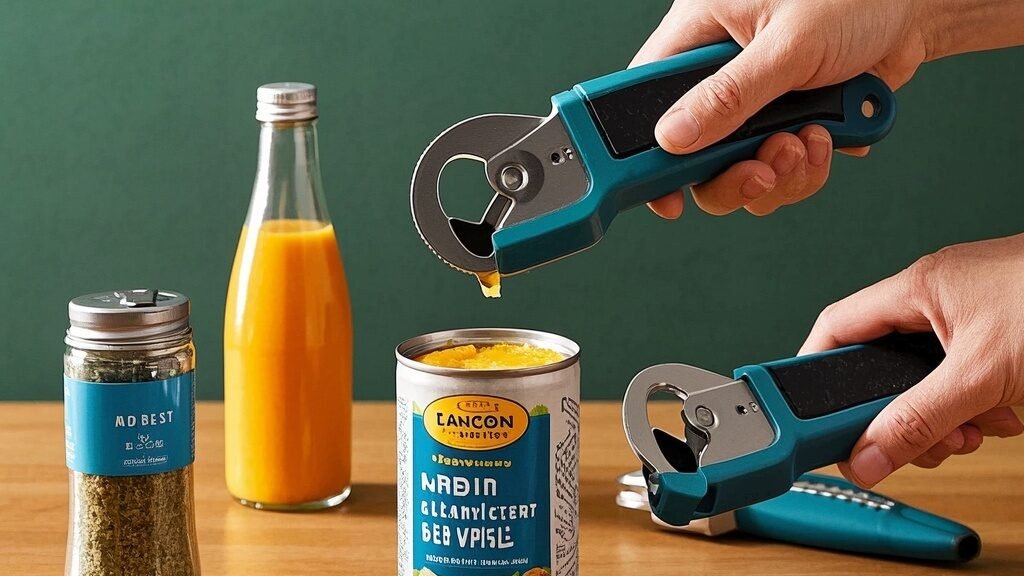
Imagine standing in the kitchen, a simple can of soup in hand. Your fingers, perhaps stiff from arthritis, struggle to grip a traditional manual opener. The wrist-twisting motion feels awkward, even painful. For many older adults, this everyday task transforms from a minor chore into a significant hurdle, a small but frustrating reminder of waning dexterity or strength. This common scenario underscores why finding the right kitchen tools isn’t just about convenience—it’s about maintaining independence and joy in daily routines. The quest for the best hands-free can opener for seniors stems from this very need, shifting the focus from physical effort to simple, reliable function. It’s a solution that prioritizes safety, ease, and reclaiming the pleasure of preparing a meal without strain.

Key Features That Define a Senior-Friendly Opener

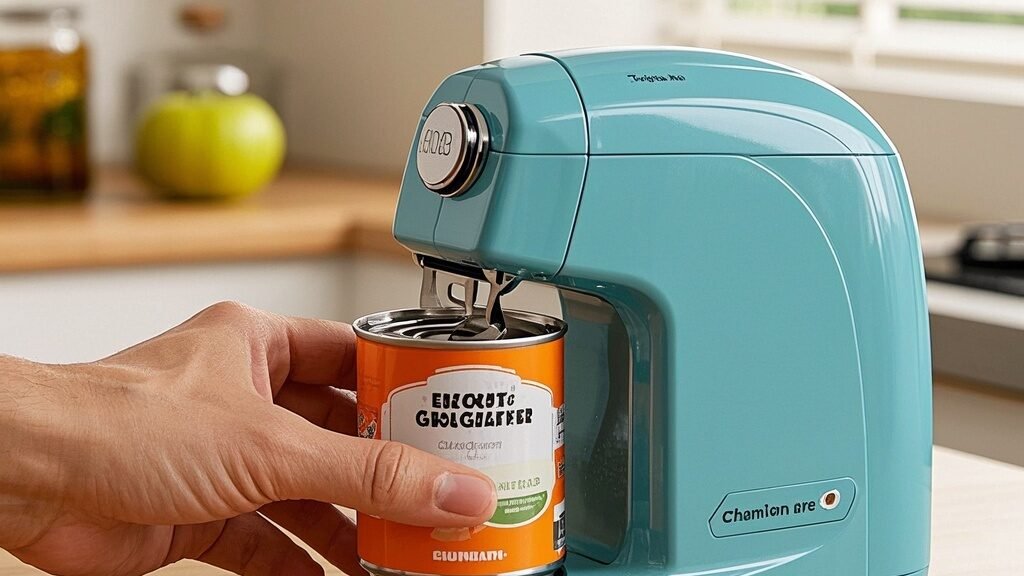
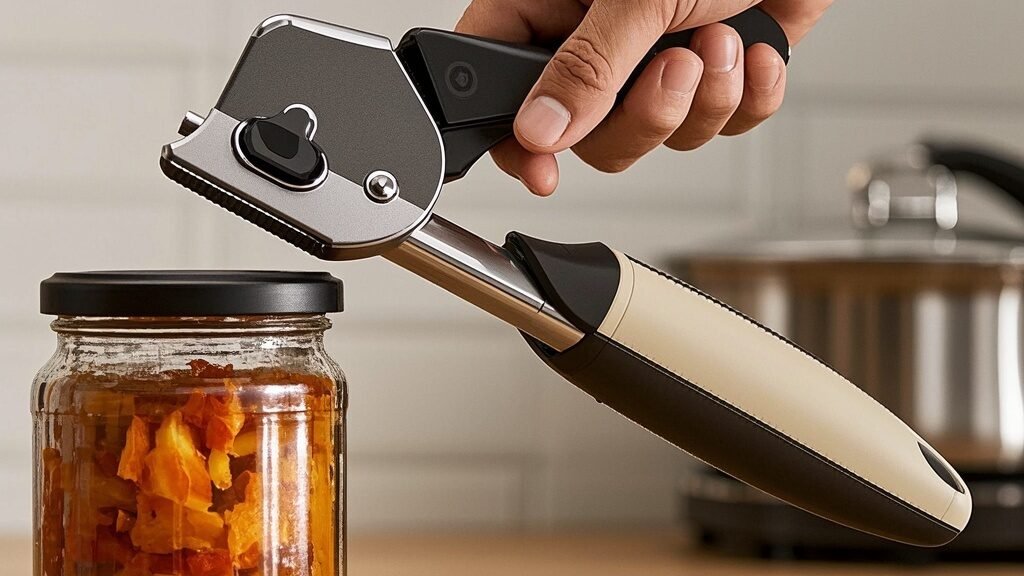
Not all hands-free openers are created equal, especially when considering the specific needs of older users. The ideal model acts as a true kitchen ally. First and foremost, ease of use is paramount. Look for a one-touch or automatic start function—once the can is locked in place, a single button press does all the work. The mechanism should be easy to align; a magnetic lid holder is a fantastic feature, as it safely removes and holds the cut lid, eliminating the need to pry out a sharp edge. Stability is another critical factor. A heavy, non-slip base ensures the unit won’t wobble or “walk” across the counter during operation. Finally, consider maintenance. A design that’s easy to clean, with detachable, washable cutting … Read the rest
What can opener requires no gripping?

What can opener requires no gripping?

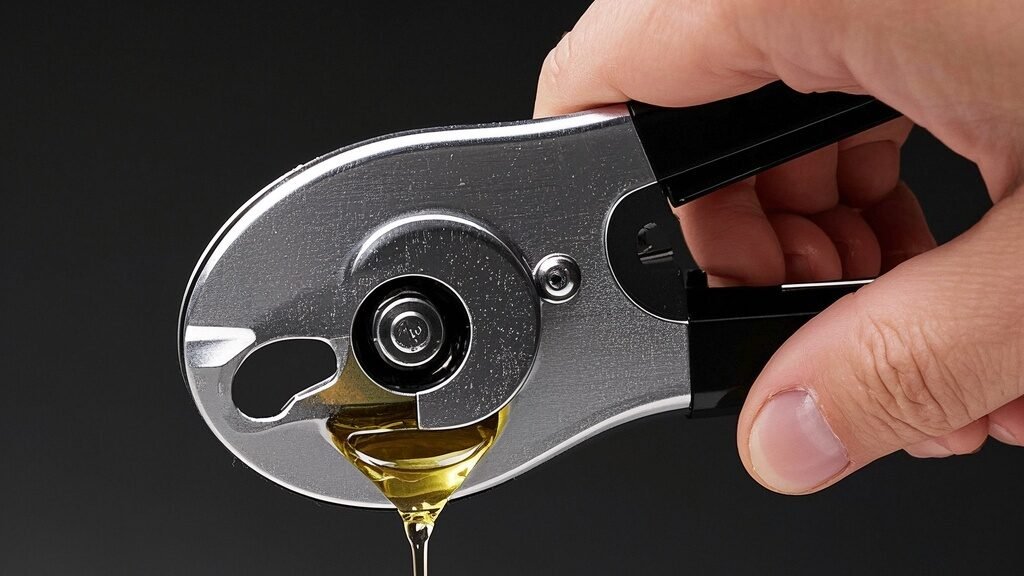
Picture this: you’re halfway through a long-awaited recipe. The sauce is simmering, the music is playing, but the simple act of opening a can of tomatoes becomes a frustrating battle. Your hands ache from gripping and twisting a stubborn manual opener, or worse, your wrist twinges with the familiar strain of an awkward motion. For millions, especially those with arthritis, limited hand strength, or simply a desire for kitchen ease, this small task is a significant hurdle. The traditional solution—more force, a better grip—is exactly the problem. But what if the solution required no grip at all? Enter the realm of a can opener that requires no gripping. This isn’t about a minor design tweak; it’s a fundamental reimagining of a century-old tool, shifting the effort from your hands and wrists to smarter mechanics. It directly challenges our muscle-memory assumption that opening a can must be a manual, hand-centric struggle.

The Mechanics of Effortless Access

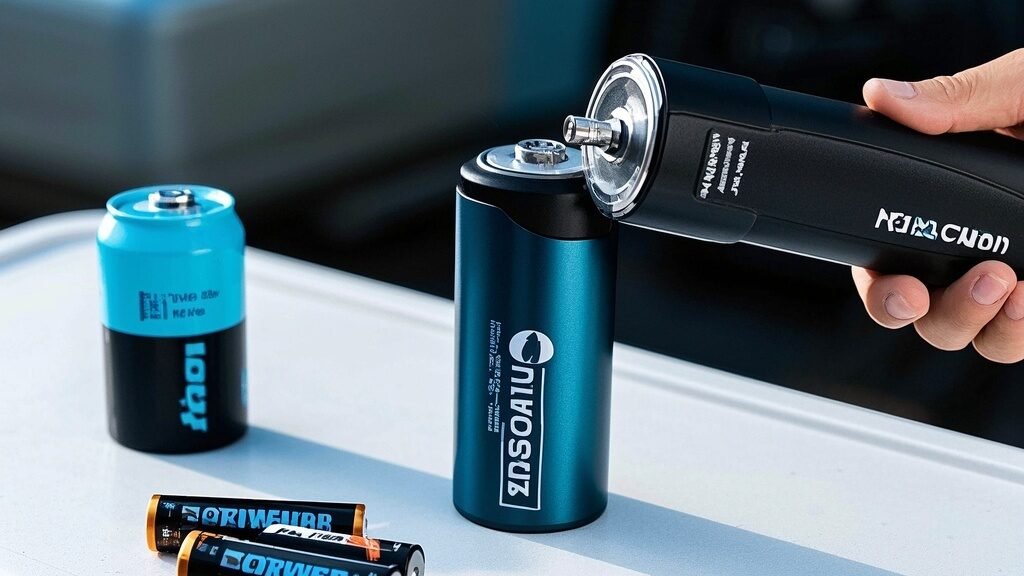
So, how does a no-grip can opener actually work? The most common and effective design is the countertop or side-mounted electric opener. Instead of you clamping and turning, you place the can onto a magnetic drive hub, lower a lever, and press a button. The machine does the rest: it grips the can, pierces the lid, and rotates it cleanly around the rim, cutting the lid from the side with a smooth, hands-free motion. The user’s role is reduced to placement and activation—no pinching, no twisting, no sustained pressure. Another variant is the wall-mounted manual opener, where you … Read the rest

What is the easiest can opener to use?

What is the easiest can opener to use?

You’re standing in your kitchen, a can of soup in one hand and a stubborn, old-fashioned can opener in the other. After a minute of awkward clamping, slipping, and strained wrist movements, you finally puncture the lid—only to be greeted by a jagged, hazardous edge. The simple task of accessing your food feels like a minor battle. This shared frustration is precisely why the quest for the easiest can opener to use is more than just a search for a tool; it’s a pursuit of effortless convenience in our daily routines. In a world that constantly promises to simplify our lives, why should such a basic kitchen staple be a source of annoyance? The answer lies in moving beyond the traditional gear-and-wheel design we’ve grudgingly accepted for decades.

The Contenders: From Manual to Electric
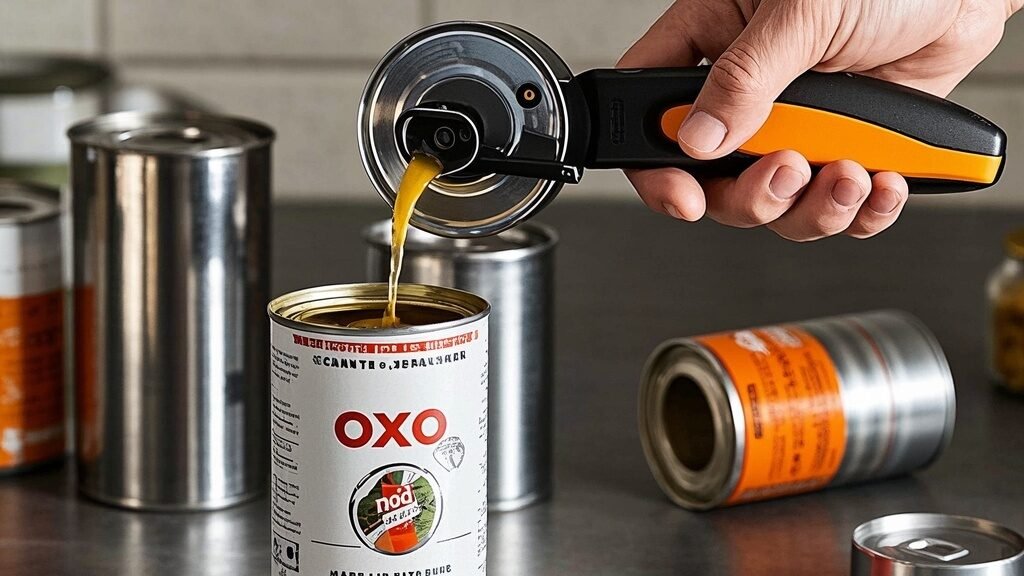
When evaluating ease, the first major fork in the road is power source. Manual openers have evolved significantly. The classic side-cutting design requires coordination and some hand strength, often leaving sharp edges. In contrast, modern manual options like smooth-edge openers, which roll the lid off without cutting, and ergonomic “lift-and-turn” models have changed the game. Brands like OXO Good Grips lead here, with large, soft handles that provide leverage and comfort, reducing strain for those with arthritis or weaker grip. They typically lock onto the rim with a simple squeeze and require a straightforward turning motion, making the process intuitive and far less physically demanding than the openers of the past.

On the other hand, electric can openersRead the rest

Are there hands-free can openers?

Are there hands-free can openers?

You’re in the middle of preparing a big family chili. The recipe calls for three cans of tomatoes and two of beans. Your hands are already a bit slick from handling ground beef, and as you fumble with the stubborn, old manual can opener—cranking, twisting, struggling with a slippery grip—you feel a familiar twinge of frustration. It’s a mundane task, yet it consistently interrupts kitchen flow. This minor inconvenience sparks a bigger question: in our era of smart appliances and voice-activated everything, are there hands-free can openers that truly liberate us from this chore? The answer is a definitive yes, and they represent more than just a novelty; they are a thoughtful response to universal needs for accessibility, efficiency, and sheer convenience.

How Hands-Free Openers Actually Work

Let’s demystify the technology. Unlike the traditional twin-wheel manual opener, most electric or automatic models operate on a simple but effective principle. You typically place the can onto a magnetic holder or a docking station, align the lid under a cutting mechanism, and press a button or lever. A motor then engages, spinning the can while a cutting wheel cleanly severs the lid along the rim. The process takes about 10-15 seconds, and the best part? You don’t touch the can or the sharp lid during operation. The opener does the work while your hands remain free—and clean. Most models are corded for consistent power, though some offer battery options. The result is a perfectly opened can with a smooth, safe edge, and often, the lid is held … Read the rest

What can opener is best after hand surgery?

What can opener is best after hand surgery?

The frustration is palpable. There, on your kitchen counter, sits an innocent can of soup—your planned, easy meal for recovery. But the simple act of feeding yourself now feels like an insurmountable obstacle. Your hand is bandaged, weak, or painfully stiff, and the thought of wrestling with a traditional, crank-style can opener sends a fresh wave of helplessness through you. Post-surgery life demands adaptation, especially in the kitchen where independence matters most. In this new reality, the humble can opener transforms from a basic tool into a critical piece of recovery equipment. Choosing the best one isn’t about features; it’s about restoring autonomy, safety, and dignity during a vulnerable time. The right opener minimizes strain, maximizes leverage, and works with your temporary limitations, not against them.

Key Features That Make a True Difference

Forget everything you know about standard can openers. Post-surgery, the criteria shift dramatically. The primary goal is to eliminate twisting, pinching, and gripping motions that strain healing tendons and joints. This immediately rules out most manual openers with small, textured knobs. Instead, look for designs that utilize larger handles or levers, distributing force across your palm or allowing you to use your forearm strength. Weight is another factor; a heavier, stable base can be beneficial as it anchors the device, so you’re not fighting to hold it down. Electric openers become a prime contender, as they typically require only a push of a button. However, not all are created equal. Some still demand significant downward pressure to engage the … Read the rest

Which can opener needs the least effort?

Which can opener needs the least effort?

You’re in the middle of making your famous chili. The recipe is coming together perfectly—until you get to the canned tomatoes. You grab your trusty, slightly rusty manual can opener. The first turn of the knob is stiff. The second requires a firm grip. By the third, your wrist is already complaining, and you’re wrestling with a jagged lid that refuses to let go. In that moment of culinary frustration, a single thought crosses your mind: there must be an easier way. This universal kitchen struggle brings us directly to the core question: which can opener needs the least effort? The answer isn’t as straightforward as you might think, because “effort” encompasses physical strain, mental hassle, cleanup, and even long-term reliability.

The Effort Spectrum: From Manual Muscle to Electric Ease

At its heart, effort is about energy expenditure. On one end of the spectrum, you have the classic manual opener. While affordable and space-efficient, it demands direct physical labor. The “side-cutting” or “smooth-edge” models, which separate the lid from the can’s side seam without leaving a sharp edge, often require more initial force to puncture the metal but then rotate smoothly. Traditional “cutting-wheel” openers that pierce the top can be easier to start but leave hazardous, jagged lids. The effort here is purely physical and can be significant for those with hand strength, arthritis, or mobility issues. Consistency is also a factor; a dull blade or misaligned gears on a cheap manual opener can turn a simple task into a full-on arm workout.… Read the rest

What is the most effortless can opener?

What is the most effortless can opener?

You’re in the middle of cooking dinner, a recipe you’ve been excited to try. The final step calls for a can of tomatoes. You grab your trusty, slightly rusty manual opener, hook it onto the rim, and start cranking. The handle slips, the gears grind unevenly, and a jagged piece of metal lid dangles precariously over your beautiful sauce. A wave of frustration hits. In our quest for kitchen efficiency, we’ve embraced air fryers and instant pots, yet many of us still wrestle with a tool that hasn’t fundamentally changed in decades. This daily minor annoyance highlights a simple question: in a world of automation and smart gadgets, what is the most effortless can opener truly available today? The answer isn’t about finding a tool that merely works, but one that disappears into the task entirely, making the process feel less like a chore and more like a non-event.

The Evolution of Effortlessness: From Muscle to Motor

The journey to effortless opening began with the abandonment of pure muscle power. Traditional manual openers, while inexpensive, require coordination, grip strength, and a bit of luck. The first major leap was the electric can opener. By replacing the crank with a motor, it eliminated physical exertion. You simply position it and press a button. The best models take it further with auto-stop features that disengage the magnet once the cut is complete, lifting the lid away automatically. This hands-free operation is a significant step toward true effortlessness—you don’t even need to touch the sharp lid. … Read the rest

Can people with limited mobility open cans easily?

Can people with limited mobility open cans easily?

Picture a kitchen cabinet stocked with nutritious soups, beans, and fruits—all sealed securely in cans. For many, these represent convenience and choice. But for an individual with arthritis, reduced hand strength, or the tremors of Parkinson’s, that simple pantry staple can become a daily symbol of frustration and lost independence. The physical act of prying open a metal lid, an afterthought for some, transforms into a significant hurdle. The core question isn’t just about tools, but about autonomy in everyday life: Can people with limited mobility open cans easily? The honest answer is a nuanced one. While the traditional manual can opener often presents a formidable challenge, the landscape of kitchen tools has evolved dramatically. True ease isn’t a universal given, but it is an achievable reality through informed choice and innovative design.

The Challenge of Conventional Tools

Let’s first understand the barrier. Standard can openers, whether the classic manual turn-key model or even many “easy-grip” versions, demand a specific combination of actions: firm, sustained grip strength to hold the device steady, precise wrist rotation to turn the key, and often, a separate pulling motion to remove the cut lid. For someone with arthritic joints, weakened hands from conditions like carpal tunnel or aging, or limited dexterity, each step can be painful or impossible. The required force can cause strain, while slippery handles and small knobs become difficult to manipulate. This isn’t a minor inconvenience; it’s a gatekeeper to nutrition and the simple joy of preparing a meal for oneself. It can … Read the rest

Are electric can openers good for one-handed use?

Are electric can openers good for one-handed use?

Imagine trying to prepare a quick dinner with one hand occupied—perhaps holding a fussy child, managing a walking cane, or simply dealing with a temporary injury. The simple task of opening a can transforms into a frustrating puzzle of leverage, pressure, and sharp edges. For millions managing arthritis, limited mobility, or just the chaotic multitasking of daily life, this isn’t an occasional inconvenience; it’s a regular hurdle. This is where the promise of the electric can opener truly gets tested. The core question isn’t just about automation, but about genuine accessibility: Are electric can openers good for one-handed use? The answer is a qualified yes, but with crucial caveats that separate the genuinely helpful models from the merely convenient.

The Mechanics of One-Handed Operation

At their best, electric can openers are engineered for minimal physical input. The ideal process is straightforward: with one hand, you place the can onto a magnetic holder or a stabilizing platform, align the cutter head (often automatically), and press a single lever or button. The machine does the rest—gripping the can, rotating it, cleanly cutting the lid, and retracting. The magnetic lid lifter is a star feature here, as it removes the cut lid without needing a second hand to pry it off. This entire sequence can theoretically be completed with one steady hand. However, the reality depends heavily on design. Some models require you to hold down a button for the entire cycle, which can be tiring for those with hand weakness. Others have poorly designed … Read the rest

Do safety can openers really prevent sharp edges?

Do safety can openers really prevent sharp edges?

You’re in a rush to get dinner ready. The can of tomatoes is the last step. With a twist of your old opener, the lid comes off, and without thinking, your finger brushes against the freshly cut rim. A sharp sting, a bead of blood—another small kitchen battle scar. It’s a universal moment of minor frustration, one that makes you wonder if there’s a better way. This exact pain point is what safety can openers promise to eliminate. But do they truly deliver on preventing those sharp edges, or is it just clever marketing? Let’s slice through the claims and look at the mechanics.

How Traditional Openers Create the Problem
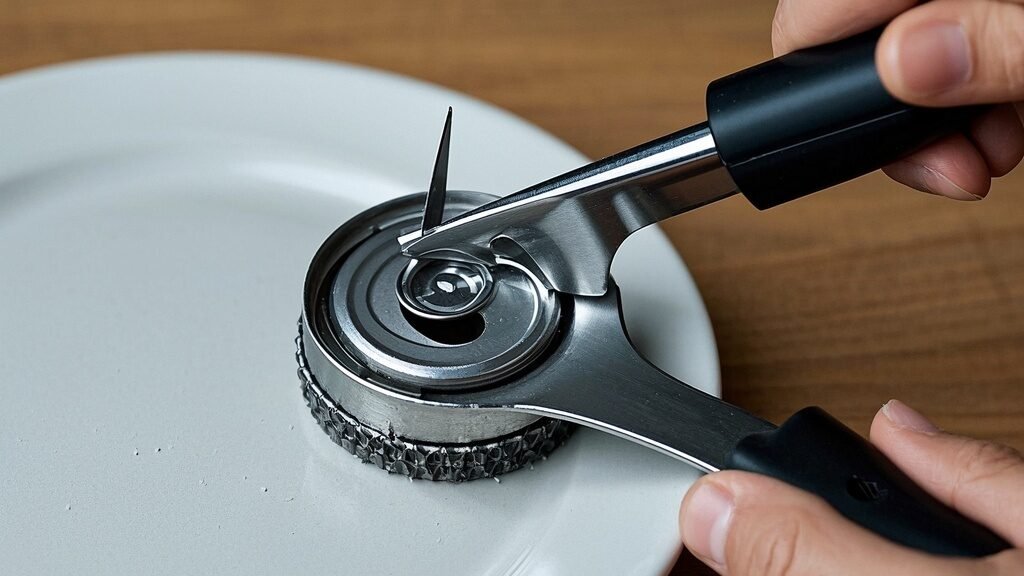
To understand the solution, we need to see the problem. Standard manual can openers work by piercing the lid and then cutting *through* the metal from the top, following the rim’s curve. This action leaves behind a lid with a notoriously sharp, serrated edge and a can body with a similarly hazardous rim. The cutting wheel essentially creates two dangerous pieces: the detached lid and the now-exposed can edge. You’re left handling a small, jagged metal disc and reaching into a container that can easily nick your fingers. The risk isn’t a flaw; it’s an inherent byproduct of the design’s cutting method. This is the “sharp edge” reality we’ve all accepted for decades.

The Safety Opener Mechanism: A Different Approach
Safety can openers, often called smooth-edge or lid-lifting openers, tackle the issue by fundamentally changing *where* and *how* they cut. Instead of … Read the rest