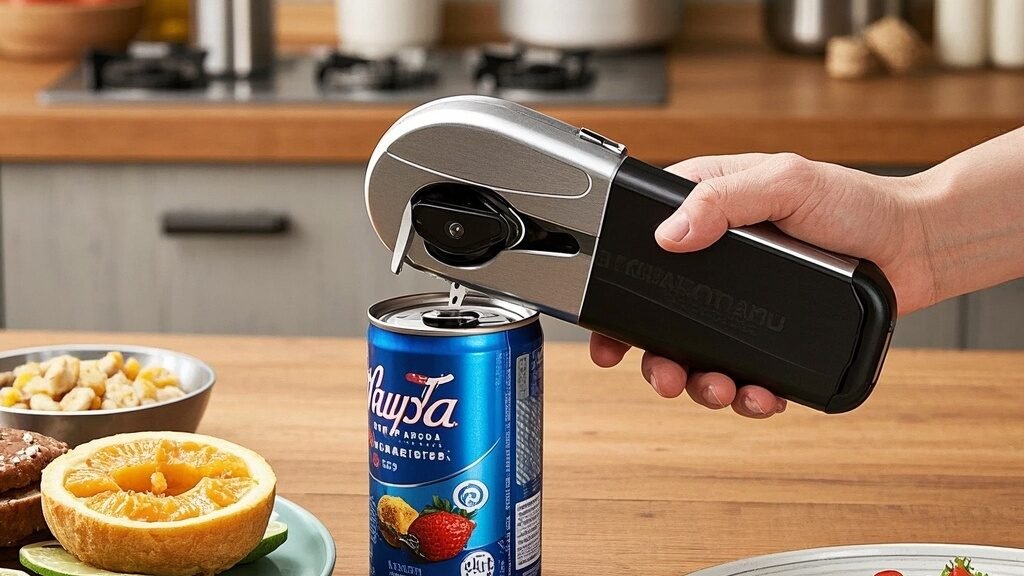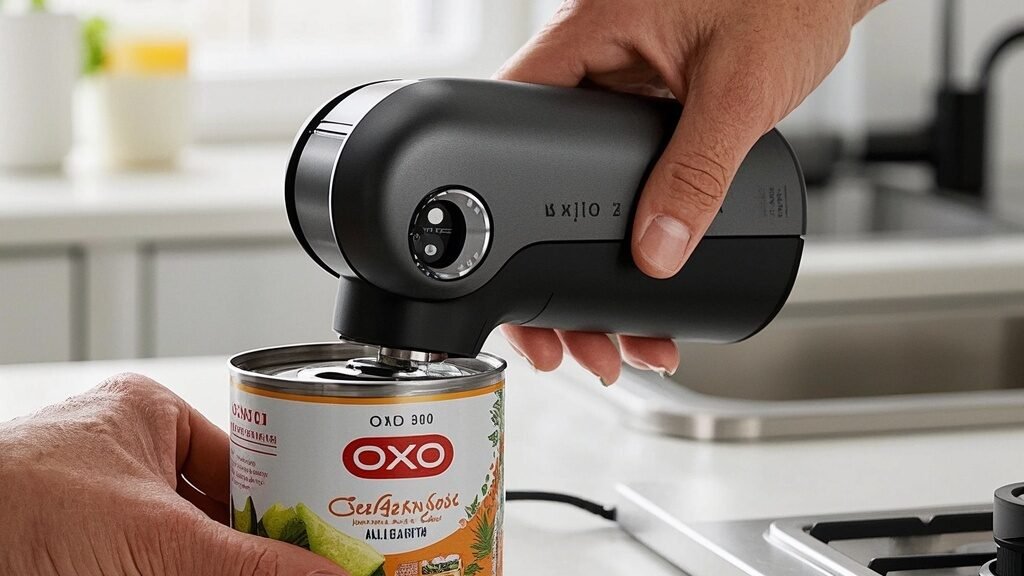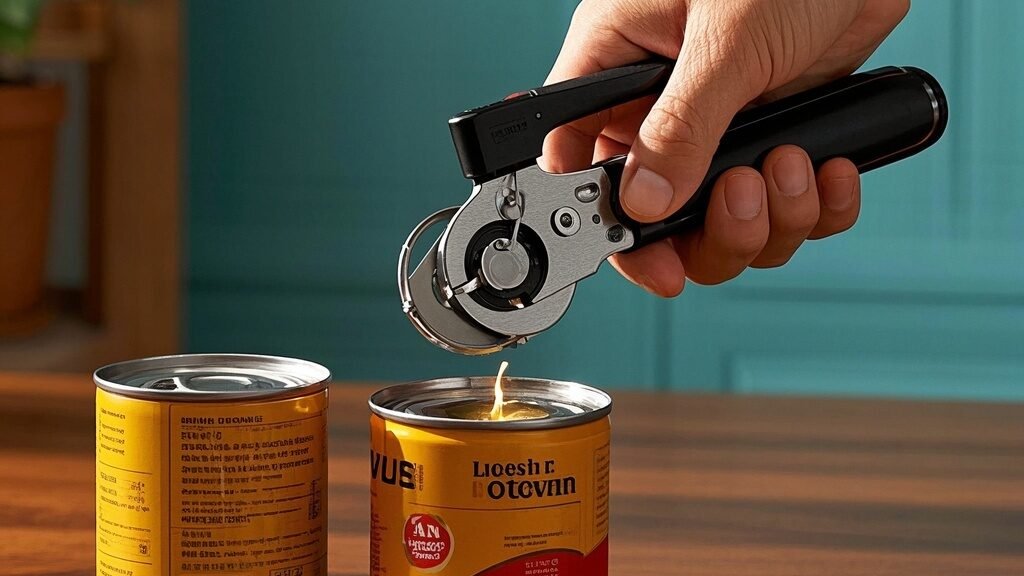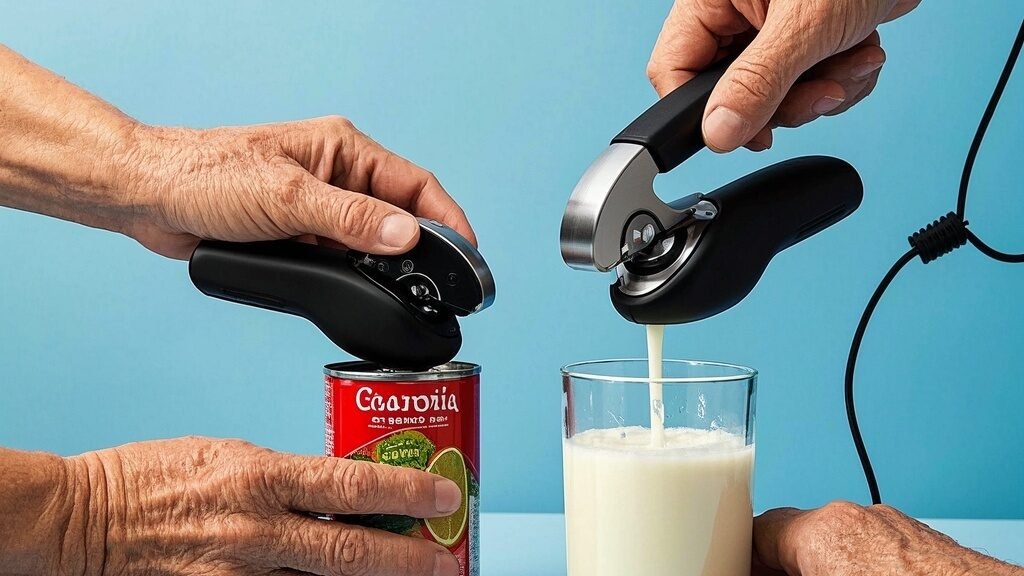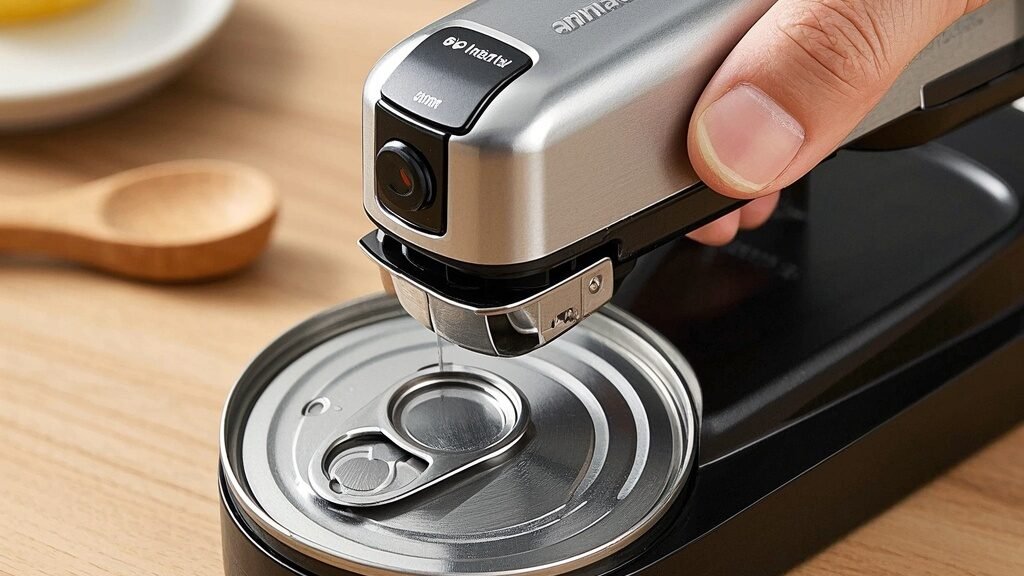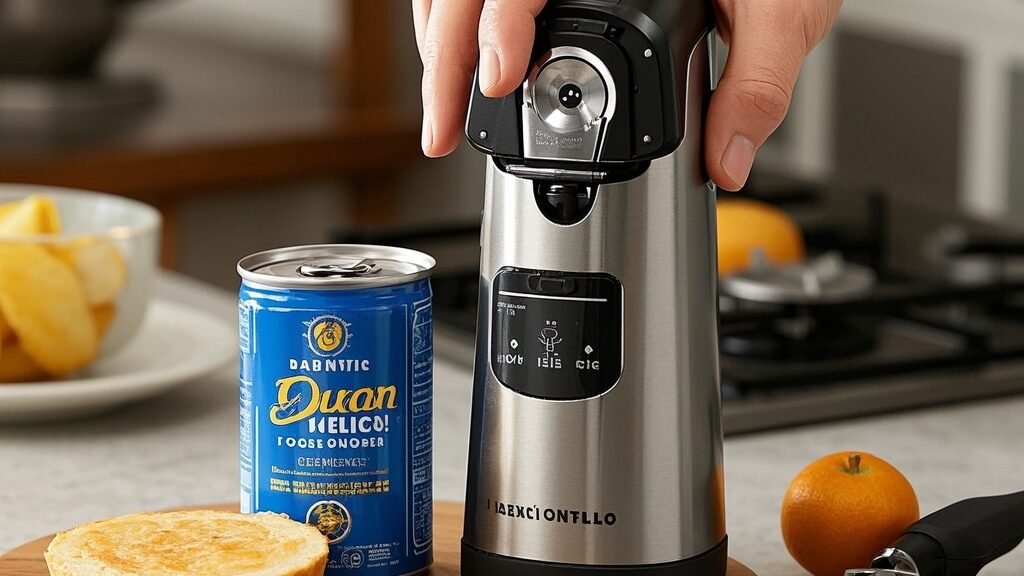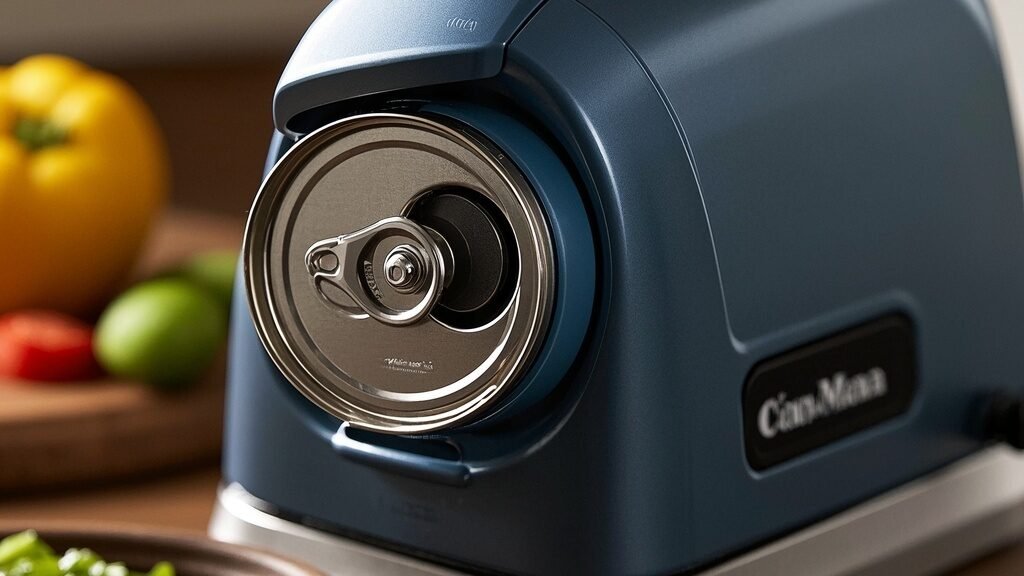
What is a safety can opener?

What is a safety can opener?

You’re in the middle of preparing dinner, a can of tomatoes in one hand and that trusty, slightly rusty manual can opener in the other. You wrestle with the knob, the gears grind unevenly, and finally, a jagged, razor-sharp lid pops free. Now you’re faced with the familiar dance of carefully prying it up without slicing a finger, followed by the frustrating search for a safe place to dispose of the hazardous disc. This common kitchen ritual, repeated millions of times daily, hints at a fundamental flaw in a tool we rarely question. The traditional can opener is, ironically, a minor safety hazard in the very place we cultivate nourishment. This brings us to a simple yet transformative question: What is a safety can opener? At its core, it’s a redesign of a century-old tool focused on eliminating these routine risks, turning a mundane task from a potential nuisance into a seamless, secure experience.

From Sharp Edges to Smooth Seals: The Core Mechanism

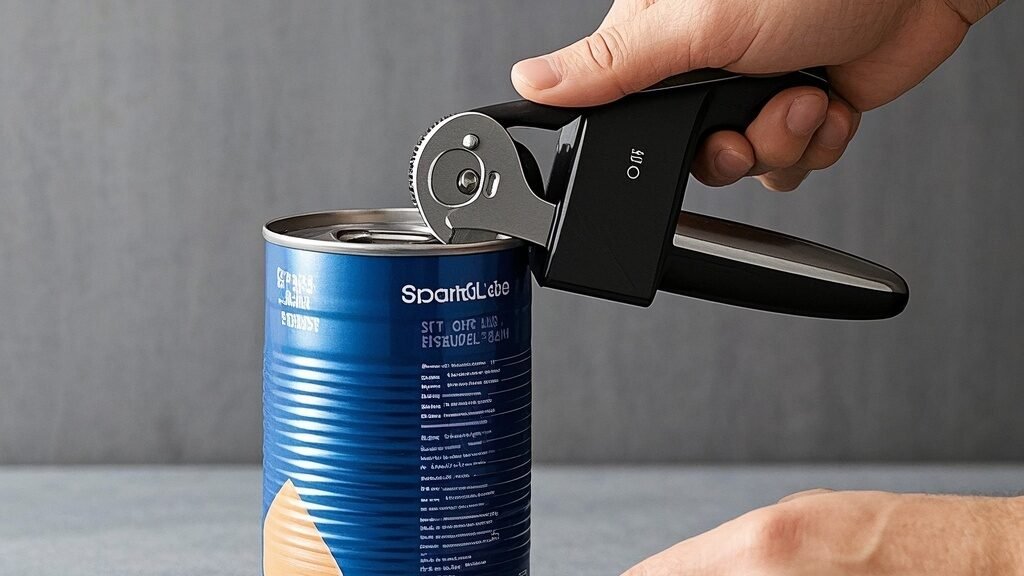
A safety can opener, often called a smooth-edge or no-sharp-edge opener, works on a fundamentally different principle than the traditional wedge-and-cut model. Instead of cutting through the lid’s top, it uses a precision wheel to cleanly separate the lid from the can at its very seam, right under the rim. Imagine it not as a cutter, but as a precision key. It rolls the metal seam apart, leaving the lid attached by a tiny, intact hinge. The result is a completely smooth lid with no raw, sharp edges, and a can … Read the rest
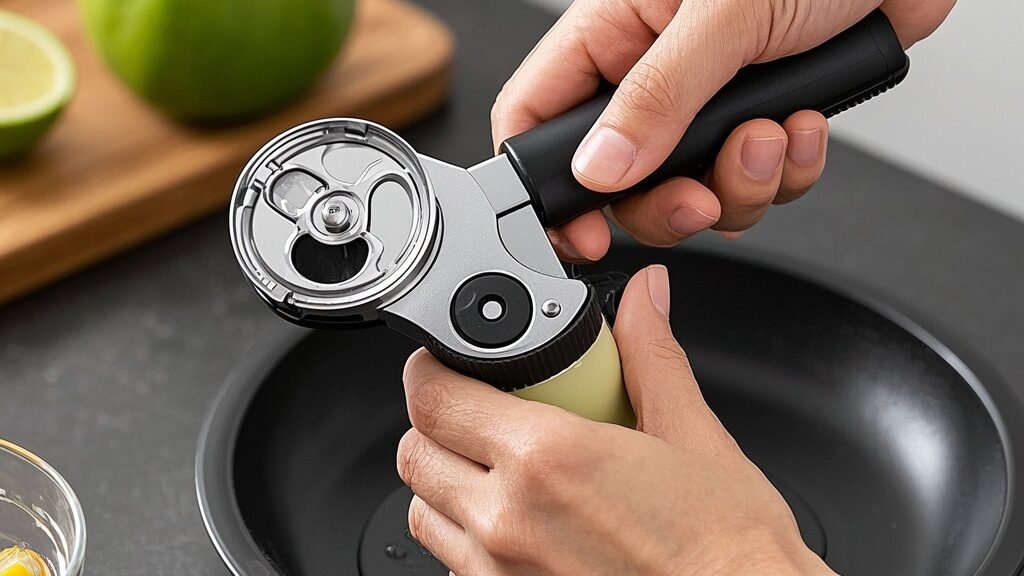
Are smooth-edge can openers better?

Are smooth-edge can openers better?

You’re in the middle of cooking dinner, a can of diced tomatoes in hand. The familiar, slightly rusty manual opener feels clumsy. As you crank the handle, you wince at the screech of metal and watch the jagged, razor-sharp lid fall perilously into the food. Later, while washing up, your finger brushes against the discarded can’s edge—a tiny, surprising sting and a bead of blood appears. This mundane kitchen moment highlights a silent, widespread annoyance. In the quest for a safer, simpler solution, many home cooks are asking a pointed question: are smooth-edge can openers better? Moving beyond the traditional design that has dominated drawers for decades, these modern tools promise not just to open but to transform the entire experience.

The Mechanics Behind the Smooth Edge

To understand the appeal, we need to look at how these openers work. A traditional can opener uses a sharp, rotating wheel to pierce and cut through the metal lid from the top, leaving a serrated, often dangerous edge on both the can and the detached lid. In contrast, a smooth-edge model (often called a safety or side-cutting opener) operates differently. It grips the rim of the can from the side. Instead of cutting through the lid, its blade rolls underneath the lid’s outer seam, cleanly separating it from the body of the can. The result? A lid that pops off with a completely smooth rim and a can body with a safe, rounded edge. No sharp hazards, no metal shavings contaminating your food. It’s a fundamental redesign … Read the rest

What is the safest can opener for children and seniors?

What is the safest can opener for children and seniors?

Imagine a simple, daily task that suddenly feels fraught with hidden danger. For an older adult with arthritic hands, the sharp, slippery edge of a traditional can lid is a genuine hazard. For a curious child eager to help in the kitchen, the exposed gear and cutting wheel of a standard opener are an accident waiting to happen. This common household tool, often an afterthought, becomes a point of anxiety and risk for our most vulnerable family members. This reality forces us to re-examine a basic question: what is the safest can opener for children and seniors? The answer isn’t found in a single brand, but in a specific category of design engineered to eliminate traditional risks, turning a moment of potential fear into one of effortless independence and safe inclusion.

The Shift to Safety-First Design

Gone are the days when “safe” merely meant “less sharp.” The safest openers today are defined by a complete reimagining of the opening process itself. The primary innovation is the automatic or hands-free can opener. These devices, often electric or battery-operated, completely remove the user’s hands from the cutting mechanism and the lid. The user simply places the opener magnetically onto the can, presses a button, and the machine does the rest, cleanly slicing around the perimeter and leaving a smooth, safe edge. There is no contact with sharp metal, no need for grip strength, and no risk of pinched fingers from turning a crank. For seniors with limited dexterity, vision, or strength, … Read the rest

Can safety can openers cut fingers?

Can safety can openers cut fingers?

You’re in the middle of meal prep, the kitchen humming with activity. One last can to open. You reach for the familiar, slightly rusty manual opener, applying the usual force. Suddenly, the grip slips, your hand jerks, and the jagged, freshly-cut lid metal grazes your knuckle. It’s a small cut, but it stings—a mundane reminder of a mundane tool’s hidden danger. This everyday moment underscores a persistent kitchen worry: how safe are our tools, really? It leads directly to the core question: Can safety can openers cut fingers? The answer is more nuanced than a simple yes or no, hinging on design, user awareness, and what we truly mean by “safety.”

The Anatomy of a “Safe” Design

First, let’s define “safety can opener.” Typically, this refers to models that remove the lid from the side or top without leaving a sharp, detached metal edge. The most common types are smooth-edge openers (which separate the lid from the can seam, leaving it attached and rounded) and electric openers that magnetically hold the lid. Their primary safety claim is eliminating the traditional hazardous, detachable sharp lid. So, regarding the main cutting hazard—slicing a finger on the lid’s edge—these openers significantly reduce, and often eliminate, that specific risk. However, “safe” doesn’t mean “accident-proof.” Poorly maintained electric units with exposed gears, forceful handling of a malfunctioning smooth-edge opener, or even pinching a finger in a lever mechanism are still possible, albeit less likely, avenues for injury. The safety is highly focused, addressing the most common and severe cut … Read the rest

How do safety can openers work?

How do safety can openers work?

You’re in a hurry to get dinner ready. The old can opener slips, crushing the rim of the can and leaving a jagged, dangerous edge. As you wrestle with it, a fleeting thought crosses your mind: “There has to be a better way.” This common kitchen frustration isn’t just about convenience—it’s a genuine safety hazard. Traditional openers leave sharp lids and metal shavings behind, turning a simple task into a risk for cuts and contamination. This is precisely where the safety can opener transforms the experience, not by being a stronger tool, but by being a smarter one. Its unique mechanism completely reimagines the act of opening a can, prioritizing safety and cleanliness above all else.

The Core Mechanism: Cutting from the Side, Not the Top

To understand how a safety can opener works, you first need to forget everything about the standard, wheel-and-gear opener. A traditional opener cuts by forcing a sharp wheel down *through* the top lid of the can, shearing the metal along the inner rim. This leaves the severed lid with a razor-sharp edge and often deposits tiny metal filings—”can shavings”—into your food. A safety opener, in contrast, is a lateral thinker. Instead of attacking from above, it uses a different blade geometry and gear system to cut *along the side* of the can, just beneath the top rim. It grips the outer lip of the can and cleanly severs the lid from the sidewall, leaving the lid’s top edge completely untouched and smooth. The result is a lid that … Read the rest

What can opener leaves no sharp edges?

What can opener leaves no sharp edges?

You’ve just finished prepping dinner, the final step being a can of diced tomatoes for the sauce. With a familiar *pop-hiss* and a twist of the wrist, the lid comes off. As you go to dispose of it, a razor-sharp edge catches your finger. A tiny cut, a drop of blood, and a wave of annoyance. It’s a universal, mundane frustration—one of those minor domestic grievances we’ve just accepted as part of life. But what if it didn’t have to be? What if the tool itself was designed to solve the problem it creates? This brings us to a simple yet revolutionary question: What can opener leaves no sharp edges? The answer isn’t a magic trick; it’s a fundamental shift in design philosophy, moving from merely opening to opening *safely*.

The Puncture vs. The Peel: Understanding the Mechanism

Traditional can openers work on a puncture-and-cut principle. A sharp wheel pierces the lid and then travels around the seam, shearing through the metal from above. This action leaves behind a lid and a can rim with freshly cut, often jagged, edges. It’s efficient but inherently dangerous. The innovation that changes the game operates on a different principle: the roll-and-peel. Openers like the popular side-cutting or “safety” can openers attack the problem from a new angle—literally. Instead of cutting into the top of the lid, they use a different gear and blade configuration to cut *along the side*, right under the rim. The result? The lid is removed not by a violent puncture, but by … Read the rest

What is the best smooth-edge can opener?

What is the best smooth-edge can opener?

You’ve just brought home the perfect ingredients for a long-awaited homemade meal. The final step? Opening a can of crushed tomatoes. You reach for your trusty, decades-old piercing can opener. The familiar, slightly stiff rotation begins, leaving behind a jagged, sharp-edged lid and a rim of metal flecks in your sauce. As you carefully dispose of the hazardous lid and rinse the can, a thought nags: in an era obsessed with kitchen safety, efficiency, and eliminating waste, why are we still using this archaic, dangerous tool? This mundane frustration highlights the quiet revolution in a humble kitchen drawer staple: the smooth-edge can opener. Moving beyond the basic question of function, the quest for the best smooth-edge can opener becomes a search for safety, cleanliness, and modern convenience.

The Mechanics Behind the Magic: How It Works

Unlike traditional openers that pierce and cut through the metal, leaving a rough edge, smooth-edge models (often called safety or side-cutting openers) work on a different principle. They use a hardened steel wheel to grip and sever the lid *just* under the rim, at the seam where the lid is bonded to the can. This process leaves the lid with a rounded, safe edge and the can itself completely smooth. There’s no sharp metal left on either piece. The detached lid can often be placed back on top for storage, and since the cutting mechanism never touches the food, it eliminates the risk of metal shavings contaminating your ingredients. It’s a cleaner, smarter approach. However, this mechanism requires … Read the rest

Is a safety can opener worth it?

Is a safety can opener worth it?

Imagine this: it’s a busy Tuesday evening, and you’re rushing to get dinner ready. You grab a can of tomatoes, fumble with the old, slightly rusty opener, and apply pressure. Suddenly, your hand slips. A sharp, jagged lid edge stares back at you, and a thin line of red appears on your finger. The minor cut is more an annoyance than an emergency, but it perfectly encapsulates a daily risk we’ve all accepted. For decades, the traditional can opener has been a kitchen staple, yet its fundamental design—creating a hazardous, sharp-edged lid—has gone largely unquestioned. This brings us directly to the modern solution: is a safety can opener worth it? It’s not just a minor upgrade; it’s a re-evaluation of a tool we use almost on autopilot, prioritizing prevention over the familiar, risky routine.

The Hidden Cost of the Classic Design

Let’s start by acknowledging what a traditional can opener actually does. It uses a cutting wheel to pierce and shear through the metal seam of the lid, leaving the detached lid with a razor-sharp perimeter. This design is effective for one job—opening the can—but fails entirely at user safety. The risks are numerous: cuts from handling the lid, accidental nicks while washing the opener itself (those trapped food particles harbor bacteria), and the danger of leaving the lid partially attached, poised to fall into the food. For households with children, seniors with less grip strength, or anyone with dexterity concerns, these aren’t just hypotheticals. The safety can opener addresses this primary flaw … Read the rest

Why are safety can openers recommended for seniors?

Why are safety can openers recommended for seniors?

Picture this: it’s dinnertime, and a simple task like opening a can of soup becomes a frustrating battle. Slippery hands struggle to grip a traditional opener, wrists ache from twisting, and a sharp, exposed lid waits to cut a finger. This isn’t just an inconvenience; it’s a real barrier to independence and nutrition. For many older adults, the humble kitchen can become an arena of unexpected challenges. That’s precisely why safety can openers are recommended for seniors. They aren’t merely a niche kitchen gadget but a crucial tool designed to address the physical changes that come with aging, transforming a potential hazard back into a simple, empowering task.

The Hidden Risks of a Common Kitchen Tool

Most of us don’t think twice about using a standard manual can opener. It requires a firm grip, significant wrist rotation, and decent hand strength to puncture and turn. For seniors experiencing arthritis, decreased hand strength, or reduced fine motor control, this can be painful or outright impossible. The greater danger, however, often comes after opening. Traditional openers leave a jagged, razor-sharp metal edge on both the can and the detached lid. Handling these poses a serious laceration risk, especially for those with thinner, more fragile skin or diminished sensation in their fingertips. A moment of carelessness can lead to a deep cut. A safety can opener is engineered to eliminate these specific risks, prioritizing ease of use and physical safety above all else.

Key Features That Make a Difference

So, what sets these openers … Read the rest

Are Electric Can Openers Worth Buying for Elderly Users?

Are Electric Can Openers Worth Buying for Elderly Users?

The simple act of opening a can of soup becomes a different challenge altogether when your hands don’t grip like they used to, when arthritis makes twisting painful, or when vision changes turn a tiny dial into a blur. For many seniors, maintaining independence in the kitchen is a deeply valued part of daily life, yet small tasks can present outsized obstacles. This is where a modern assistive tool enters the conversation, prompting a practical question: Are electric can openers worth buying for elderly users? The answer isn’t a simple yes or no, but a consideration of safety, independence, and the very real physical challenges that come with aging.

The Case for Independence and Safety

For an elderly user, the primary value of an electric can opener transcends mere convenience; it’s about empowerment and risk reduction. Manual openers require significant hand strength, precise wrist action, and firm grip to puncture and rotate the can. Conditions like arthritis, Parkinson’s tremors, or reduced dexterity can make this process difficult, frustrating, and even dangerous. Slippery hands can lead to cuts from sharp lids or the opener itself. An electric model operates with the press of a single, often large, button. It does the hard work of gripping and rotating the can automatically, eliminating the twisting motion and much of the physical strain. This not only preserves energy but also minimizes the risk of injury. The regained ability to easily access canned goods—a pantry staple for easy meals—can significantly boost a senior’s confidence and sense … Read the rest