What Is the Best Hands-Free Can Opener for Seniors?

What Is the Best Hands-Free Can Opener for Seniors?

Imagine finally getting that favorite soup for lunch, but the simple act of opening the can becomes a frustrating battle. Your grip isn’t what it used to be, your wrist aches from twisting, and the sharp lid is a safety hazard. This daily struggle is a quiet reality for many, turning a basic task into a source of dependence and frustration. Fortunately, kitchen tool innovation has stepped in, shifting the focus from sheer grip strength to smart, supportive design. The answer for many lies in finding the best hands-free can opener for seniors, a device that prioritizes safety, ease, and regained independence above all else.

Why Hands-Free Design is a Game-Changer for Accessibility

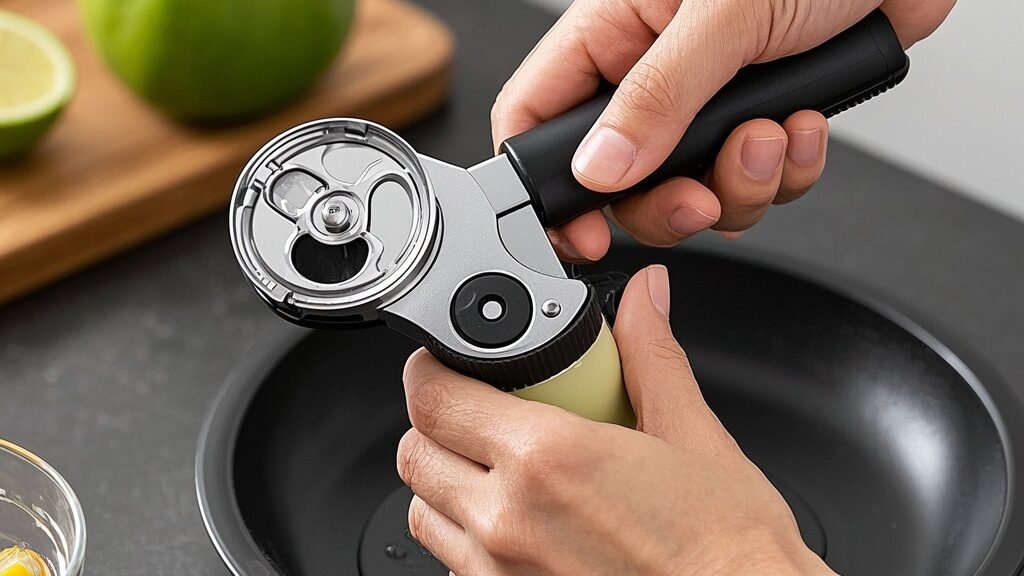
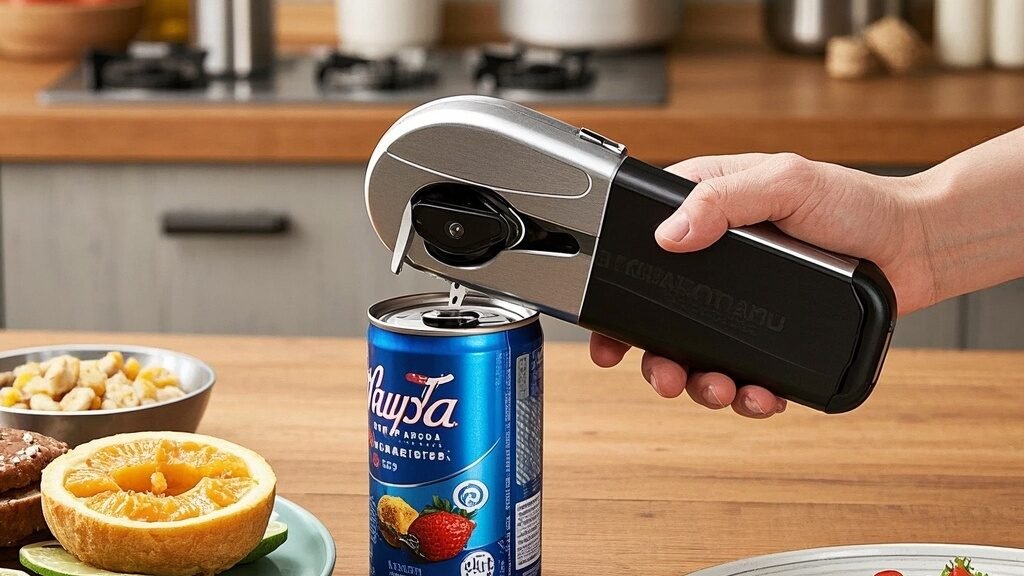
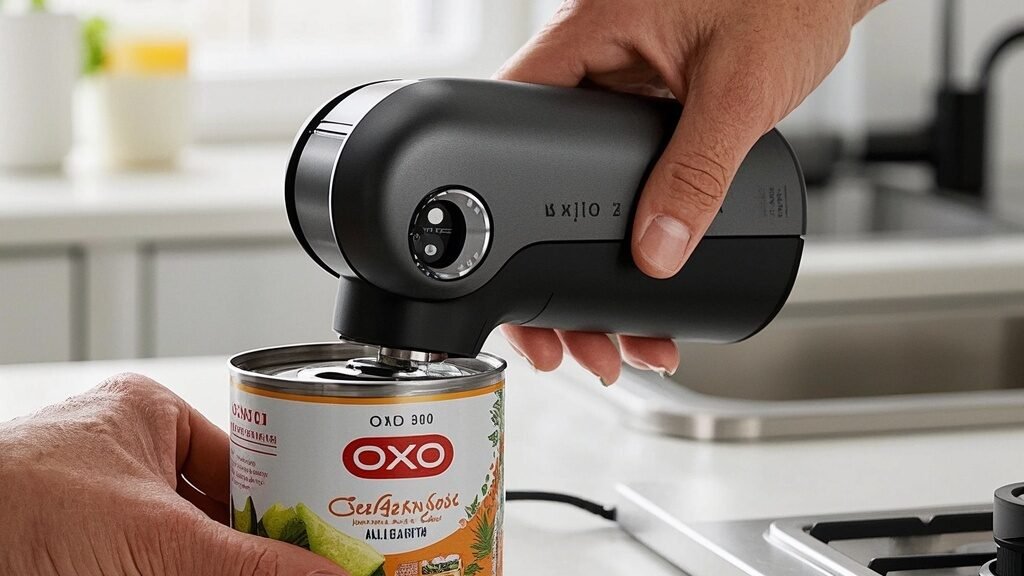
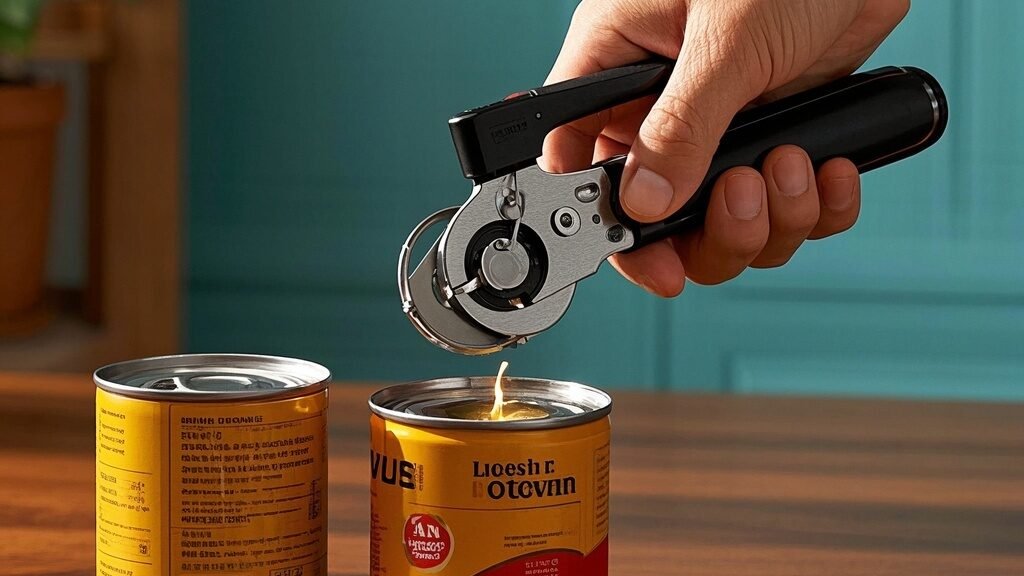
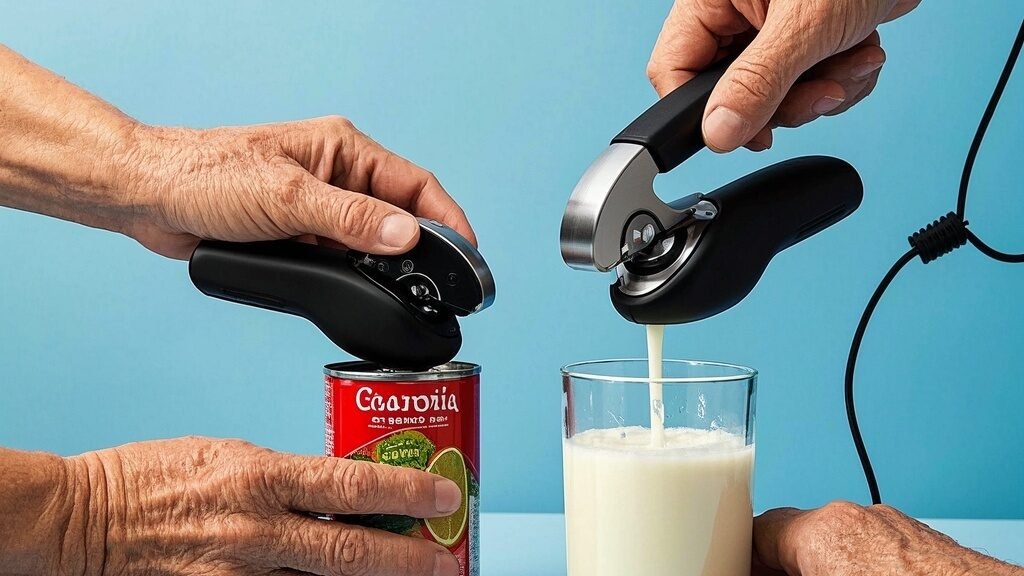
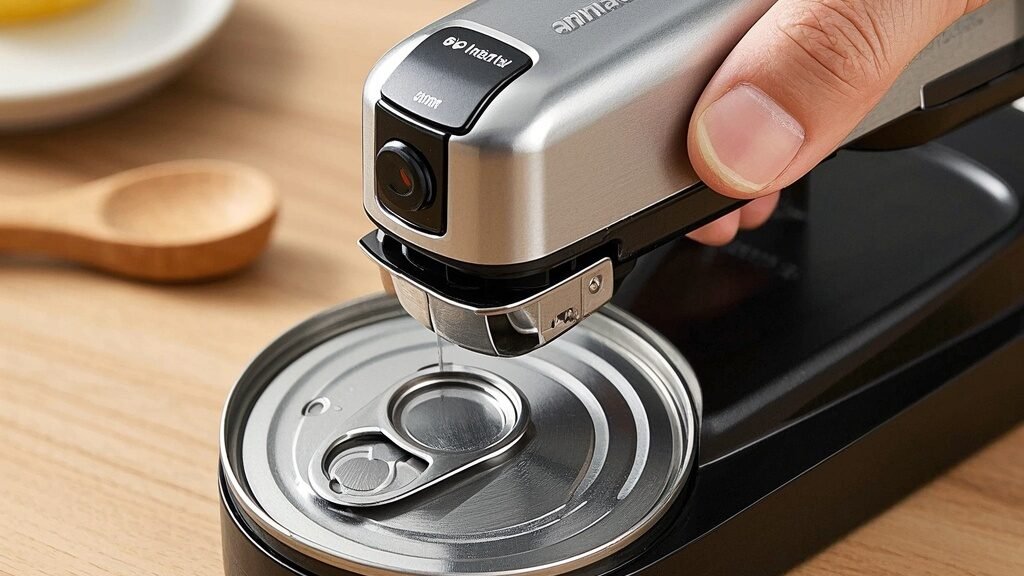
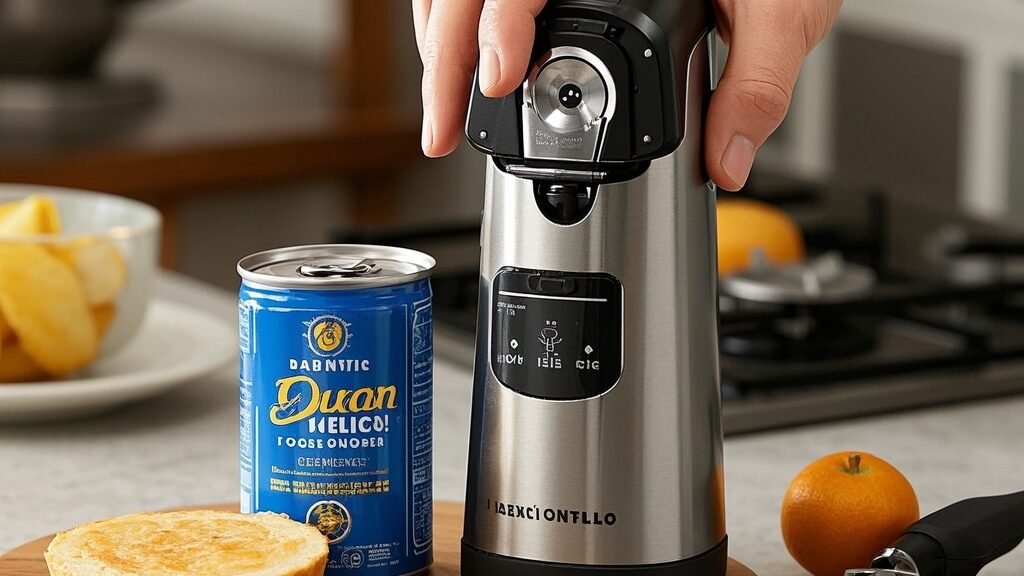
Traditional can openers require significant hand strength, precise grip, and a steady twisting motion—actions that can be challenging due to arthritis, reduced dexterity, or conditions like Parkinson’s. A true hands-free can opener fundamentally reimagines this process. Instead of you providing the force, the device does the work. You typically clamp it onto the can, press a button or lever, and it automatically magnetically grips and rotates the can, cutting the lid around the sides with almost no effort from you. This isn’t just a minor convenience; it’s a restoration of autonomy. It minimizes pain, eliminates the risk of cuts from jagged lids (as most leave a smooth edge), and reduces the fatigue associated with meal prep. For seniors and anyone with limited mobility, this design transforms a daunting task back into the simple, quick activity it should … Read the rest
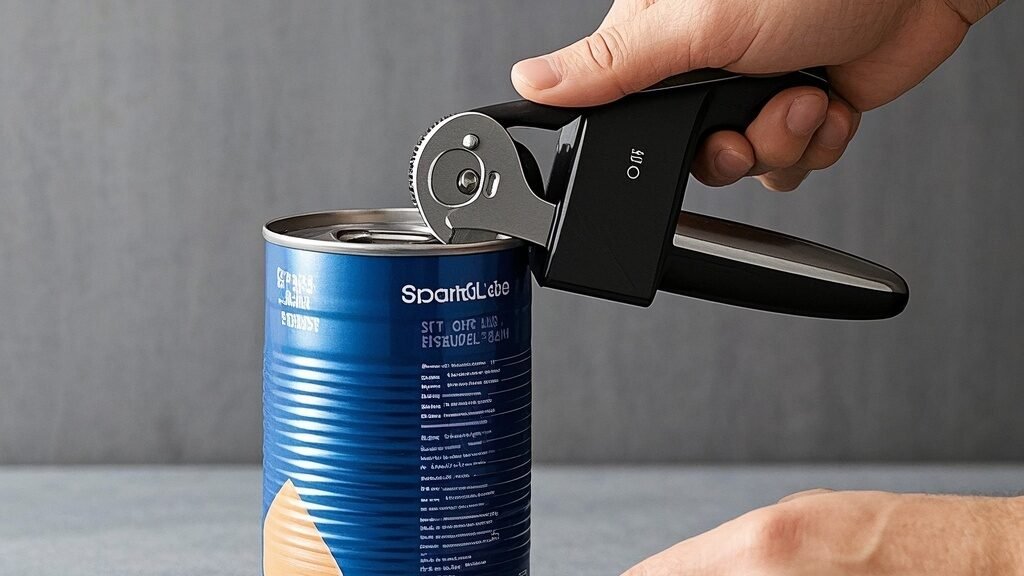

What Is the Most User-Friendly Can Opener for Elderly People?

What Is the Most User-Friendly Can Opener for Elderly People?

Imagine standing in your own kitchen, a simple can of soup in hand. Your fingers, perhaps stiff with arthritis or unsteady from diminished grip strength, struggle to align a traditional opener. The metal is slippery, the mechanism requires a firm, sustained pressure you can no longer muster, and the fear of a sharp lid or a tool slipping is all too real. This daily frustration is a quiet barrier to independence for many seniors. The quest for tools that restore ease and safety to these fundamental tasks is more than just about convenience; it’s about dignity and autonomy. This brings us directly to the core question: what is the most user-friendly can opener for elderly people? The answer isn’t found in a single feature, but in a design philosophy that prioritizes physical comfort, cognitive clarity, and sheer reliability above all else.

Defining “User-Friendly” in Senior-Friendly Design

For an older adult, user-friendliness transcends basic functionality. It’s a holistic experience. First and foremost is ergonomic handling. The best openers feature large, soft-grip handles that contour to the hand, requiring minimal pinching or squeezing. They should be lightweight yet sturdy, eliminating strain on wrists and arthritic joints. Secondly, safety is paramount. Designs that automatically grip the can, magnetically capture the cut lid, and create smooth, non-jagged edges are crucial to prevent cuts. Finally, operational simplicity wins over complexity. A clear, one-step locking mechanism or a simple push-button operation is far superior to a multi-step, fiddly process. Power becomes a major advantage … Read the rest

How Safe Are Automatic Can Openers Compared to Manual Types?

How Safe Are Automatic Can Openers Compared to Manual Types?

Imagine a simple weeknight: you’re preparing dinner, a bit rushed, and your hand slips just slightly while turning that stubborn manual can opener. A sharp edge, a small nick, and suddenly a mundane task leaves a mark. This common kitchen friction highlights a silent debate between tradition and convenience, centered on a tool we rarely question until something goes wrong. At the heart of this debate lies the core question: How safe are automatic can openers compared to manual types? While manual openers have graced drawers for generations, their automated counterparts promise a touch-free, effortless experience. But does removing physical effort inherently mean removing risk? The answer is more nuanced than a simple yes or no, intertwining design, user behavior, and the very nature of kitchen safety.

The Manual Opener: Controlled but Exposed

Let’s start with the classic manual can opener. Its safety profile is direct and hands-on. You control every rotation, feeling the resistance of the metal. The primary risk here is physical contact with the can itself. After cutting, the lid often has a razor-sharp edge, and the can’s rim can become jagged. Users must carefully lift the lid off, risking cuts. There’s also the risk of the opener slipping during use if it doesn’t grip properly. On the other hand, this control is a safety feature for some. You can see and manage the process entirely, ensuring the cut is clean and the food’s seal is broken without contaminating it with metal shavings. High-quality manual openers that … Read the rest

Are Automatic Can Openers Good for Arthritis?

Are Automatic Can Openers Good for Arthritis?

Imagine standing in your kitchen, a simple can of soup in hand. Your wrists ache, your fingers feel stiff and uncooperative, and the thought of wrestling with a manual can opener—gripping, twisting, applying pressure—turns a basic task into a daunting challenge. This daily friction is a reality for millions living with arthritis, where joint pain and reduced grip strength can make independence in the kitchen feel out of reach. For those navigating this pain, the question isn’t just about convenience; it’s about reclaiming ease and autonomy. Are automatic can openers good for arthritis? The answer, resoundingly, is yes. These devices transform a potentially painful, joint-stressing chore into a simple push-button operation, acting not merely as a kitchen gadget but as a genuine tool for accessibility and empowerment.

How Arthritis Affects Kitchen Tasks and Where Openers Help

Arthritis, particularly osteoarthritis and rheumatoid arthritis, often targets the hands and wrists. Key challenges include reduced grip strength, pain in the thumb and finger joints, limited range of motion, and morning stiffness. A traditional manual opener requires a firm grip for clamping, sustained rotational force through the wrist and hand, and often a final prying action—each step posing a potential hurdle. An automatic can opener eliminates nearly all these demands. By using a motor to do the cutting and turning, it requires only the light pressure of a finger to activate. This minimizes strain on the small joints of the hand and significantly reduces the torque and repetitive motion required from the wrist. It effectively outsources the … Read the rest

What Automatic Can Opener Is Best for People with Hand Pain?

What Automatic Can Opener Is Best for People with Hand Pain?

Imagine a simple act of independence—preparing a meal for yourself. Now picture a standard manual can opener: the twisting, the gripping, the pressure required to puncture that metal lid. For millions dealing with arthritis, tendonitis, carpal tunnel, or general hand weakness, this everyday tool becomes a barrier, a source of frustration and even pain before the cooking even begins. The quest for autonomy in the kitchen leads directly to one essential question: what automatic can opener is truly best for people with hand pain? The answer isn’t just about power; it’s about thoughtful design that prioritizes accessibility, safety, and ease over brute force.

Key Features That Make a Real Difference

Not all automatic openers are created equal, especially when hand strength and dexterity are limited. The best models transform the task from a two-handed wrestling match into a one-touch operation. Look for a hands-free design as the non-negotiable cornerstone. This means the machine itself grips and rotates the can—your only job is to place it and press a button or lever. This eliminates the need for any gripping, twisting, or squeezing motions that aggravate hand joints.

Beyond being hands-free, the magnetized lid holder is a silent hero. It securely lifts the cut lid away from the can and holds it, so you never have to pry off a sharp, slippery lid with trembling or weak fingers. This feature is a major safety and convenience win. Finally, consider the size and grip of the machine itself. A model with … Read the rest

Do Automatic Can Openers Work on Large and Small Cans?

Do Automatic Can Openers Work on Large and Small Cans?

Imagine it’s the night before a big potluck, and you’re preparing your famous chili. The recipe calls for both standard 15-ounce tomato cans and a large, 28-ounce can of kidney beans. Your old manual opener is struggling, leaving jagged edges on the small can and failing to grip the large one entirely. In moments like these, the promise of an automatic can opener seems like a kitchen savior. But a practical doubt creeps in: can a single, countertop device reliably handle the full spectrum of can sizes in your pantry? The question of whether automatic can openers work on large and small cans is central to their value proposition. The answer isn’t a simple yes or no; it’s a mix of clever engineering, specific design limitations, and understanding your own cooking habits.

Understanding the Mechanism: How Automatic Openers Grip and Cut

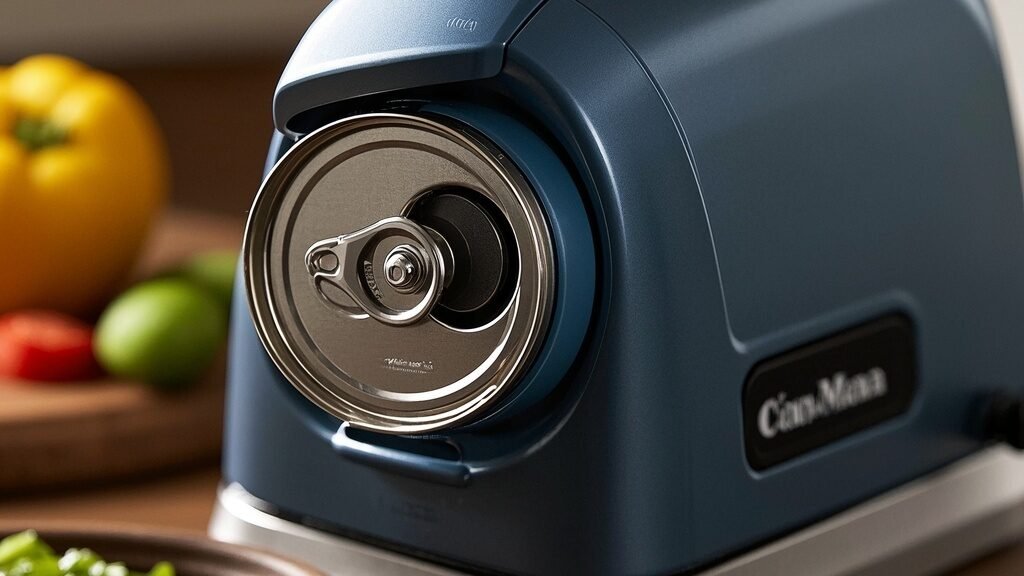
To grasp their versatility, we need to know how they operate. Unlike manual openers where you control the pressure and angle, automatic models use a motorized drive. You place the can under a cutting head, lower a lever, and the device does the rest: it magnetically grips the lid’s rim, rotates the can, and cuts along the perimeter. This design is inherently adaptable. The cutting assembly typically adjusts to accommodate different can diameters. For the vast majority of standard cans—from small tuna cans (around 3-4 inches in diameter) to large soup or vegetable cans (approximately 4 inches)—automatic can openers perform consistently well. They remove lids cleanly, leaving smooth … Read the rest

What Should Seniors Know Before Buying an Automatic Can Opener?

What Should Seniors Know Before Buying an Automatic Can Opener?

Picture this: it’s dinnertime, and a favorite soup or a can of beans is on the menu. For many older adults, the simple act of using a manual can opener—the twisting, the gripping, the wrist strain—can transform a moment of anticipation into one of frustration or even physical challenge. Arthritis, diminished hand strength, or simply a desire for more convenience are common realities. This is where the modern kitchen steps in with a clever solution: the automatic can opener. But moving from a simple, decades-old tool to an electric appliance involves more than just pressing a button. What should seniors know before buying an automatic can opener? The answer goes beyond basic functionality to touch on safety, ease of use, and finding a model that genuinely simplifies life.

Key Features for Safety and Ease of Use

Not all automatic openers are created equal, especially when considering the specific needs of seniors. The primary goal is to reduce effort and risk. First, look for hands-free operation. The best models firmly grip and rotate the can automatically, requiring you only to place the can and press a lever. This eliminates the need to hold a heavy can steady or apply pressure, a significant benefit for those with shaky hands or weak grip strength. Second, consider the magnet feature. Many openers have a built-in magnet that lifts the lid away after cutting, so you never have to touch the sharp, detached lid. This prevents cuts and keeps hands clean. Finally, evaluate … Read the rest

What Is the Best One-Touch Can Opener for Home Use?

What Is the Best One-Touch Can Opener for Home Use?

Imagine your kitchen during a busy weeknight. You’re trying to get dinner ready, your hands are a bit greasy from seasoning, and you reach for a can of tomatoes. The old manual opener feels clunky, the electric one you have requires button-holding and precise alignment, and frustration starts to simmer alongside your meal prep. This mundane moment highlights a silent quest in modern kitchens: the pursuit of true convenience. It’s in this search that the one-touch can opener has emerged not just as a gadget, but as a potential game-changer for fluidity in cooking. But with several models promising effortless operation, how do you identify the best one for your home? The answer lies not just in the promise of simplicity, but in durability, design, and how seamlessly it integrates into your real-life routine.

Performance and Real-World Use: Beyond the Single Button

The core appeal is undeniable: place the opener on a can, press a button, and it automatically magnetically locks, pierces, and rotates until the lid is cleanly cut. The best models, like the Hamilton Beach Smooth Touch Can Opener or the Kitchen Mama Electric Can Opener, execute this flawlessly on standard steel and aluminum cans. However, real-world testing reveals nuances. Performance can vary with can size—some openers struggle with very short or tall, slender cans. Noise level is another factor; while not excessively loud, they produce a distinct humming grind. The most reliable units offer a consistent speed and don’t stall on tougher seams. According to the … Read the rest

What Is the Best Can Opener for Seniors with Arthritis?

What Is the Best Can Opener for Seniors with Arthritis?

Imagine standing in your kitchen, a simple can of soup in hand. Your fingers, stiff and aching, refuse to cooperate with the familiar twist of a manual opener. That small, daily act of independence suddenly feels like an insurmountable challenge. This frustrating scenario is a quiet reality for millions. The quest for a tool that restores ease and dignity to this basic task is more than a shopping trip—it’s a search for autonomy. The best can opener for seniors with arthritis isn’t a luxury; it’s a crucial ally in the kitchen, transforming a source of pain into one of effortless function.

Key Features That Make a Real Difference

Not all can openers are created equal, especially when dexterity and hand strength are concerns. The right design prioritizes ergonomics and simplicity over fancy features. First, look for large, soft-grip handles. These require minimal force to squeeze and provide a secure, comfortable hold without straining tender joints. Electric openers are often a top recommendation because they remove the need for twisting and gripping altogether—you simply position the device and press a button. Another game-changer is magnetic lid lifters. This small feature safely holds the cut lid, eliminating the need for fingers to pry under a sharp, slippery edge. Finally, consider stability. Openers with a strong locking mechanism that firmly anchors to the can prevent slipping and the jarring motions that can cause pain. Weight and ease of cleaning are also practical points; a heavy, complicated-to-clean model will likely end up … Read the rest

How Can Seniors Open Cans Without Hurting Their Hands?

How Can Seniors Open Cans Without Hurting Their Hands?

The simple act of opening a can of soup or beans is something most of us take for granted—until the day it becomes a struggle. For many seniors, arthritis, diminished grip strength, or hand pain can transform this basic kitchen task into a source of frustration and even danger. Slippery lids, blunt openers, and the sheer force required can lead to strain, cuts, or simply the defeat of putting the can back in the cupboard. Fortunately, finding safe and effective ways for seniors to open cans without hurting their hands is entirely possible with the right tools and techniques. It’s not just about convenience; it’s about maintaining independence and dignity in the kitchen.

Understanding the Challenge: Why Traditional Openers Fall Short

First, it’s crucial to understand why standard manual can openers often fail older adults. The classic design requires significant grip strength to clamp onto the can and sustained rotational force to turn the key. For hands affected by arthritis or weakness, this combination is a perfect storm for pain. The handles are often thin and hard, pressing uncomfortably into the palms and fingers. Additionally, these openers usually leave a sharp, jagged lid edge, posing a cut hazard when removing the lid or handling the can afterward. This isn’t a minor inconvenience; it’s a legitimate barrier to nutrition and meal preparation. Recognizing this flaw is the first step toward a solution, shifting the focus from sheer force to leverage, ergonomics, and smarter mechanics.

The Power of Ergonomic and Electric Assist

This … Read the rest