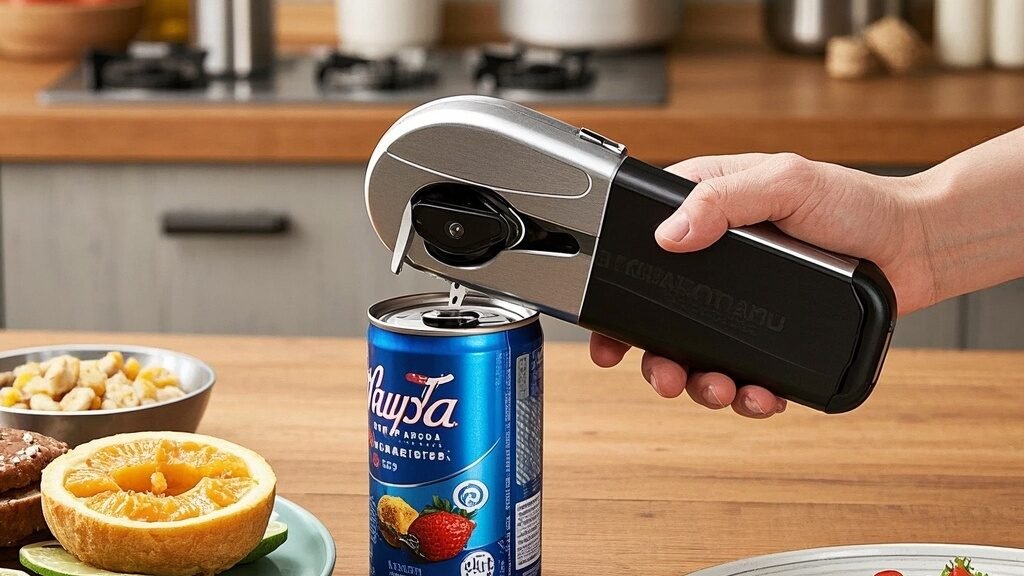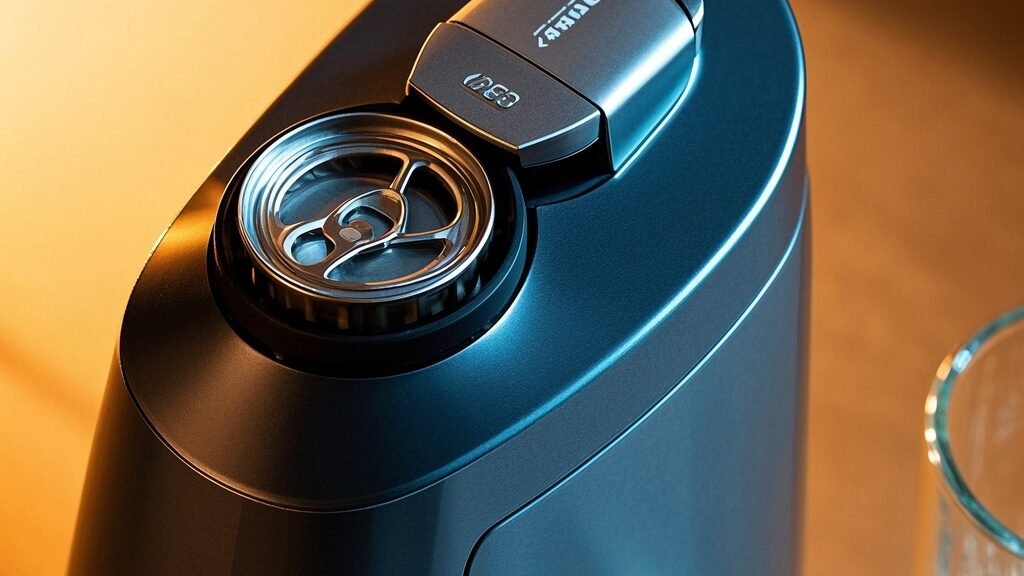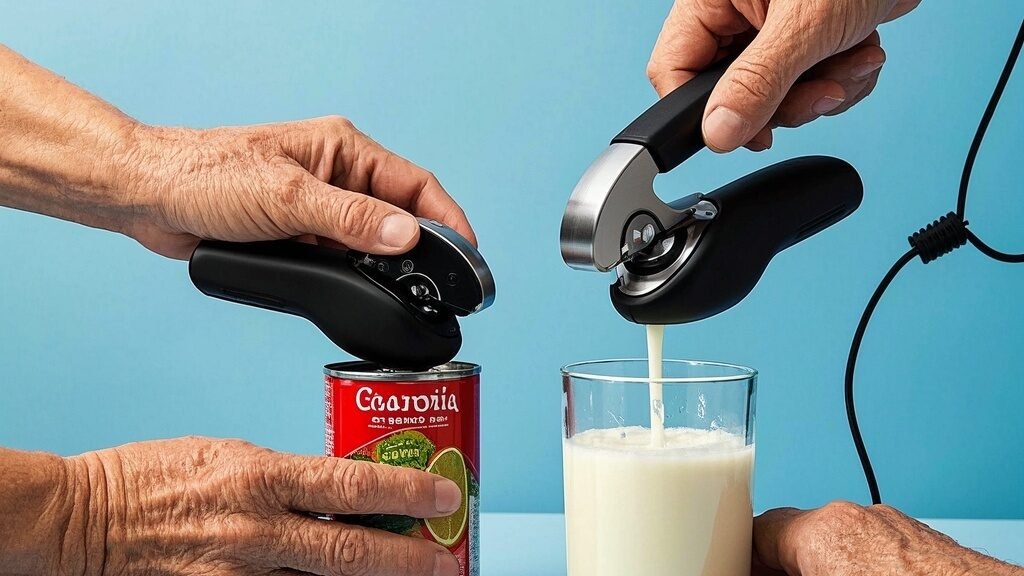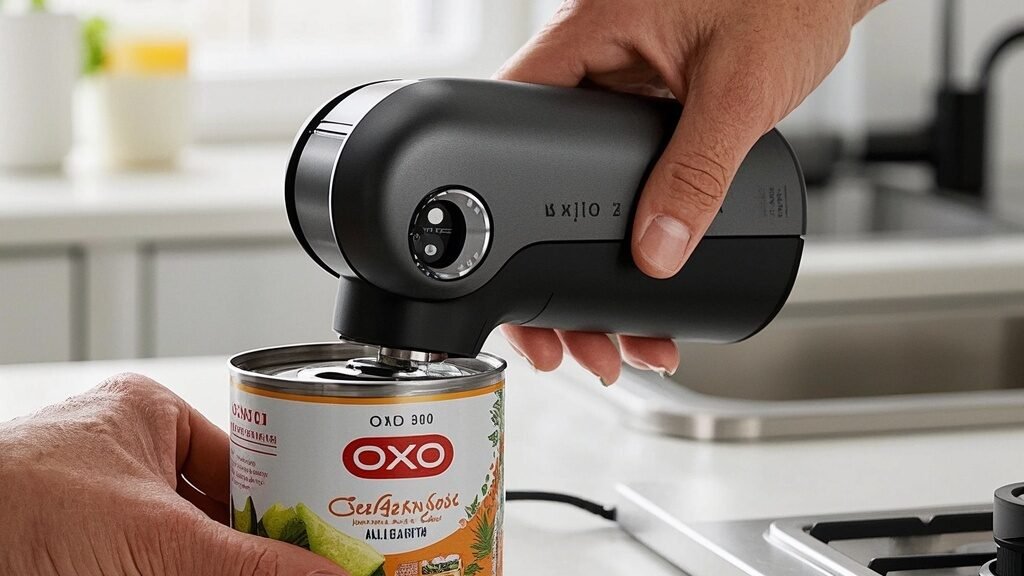
What Is the Best Lightweight Can Opener for Elderly People?

What Is the Best Lightweight Can Opener for Elderly People?

Picture this: it’s dinner time, and a simple can of soup stands between you and a warm meal. For many older adults, this everyday task isn’t just a minor inconvenience—it can be a source of real frustration and even a risk. Arthritic hands, weakened grip strength, or limited wrist mobility can transform a basic kitchen tool into an intimidating obstacle. The struggle isn’t just about opening the can; it’s about maintaining independence and dignity in one’s own kitchen. This is where finding the best lightweight can opener for elderly people transitions from a casual purchase to a meaningful quality-of-life upgrade. It’s not merely a tool; it’s a key to easier, safer, and more confident cooking.

Why Lightweight and Ergonomic Design Isn’t a Luxury—It’s a Necessity

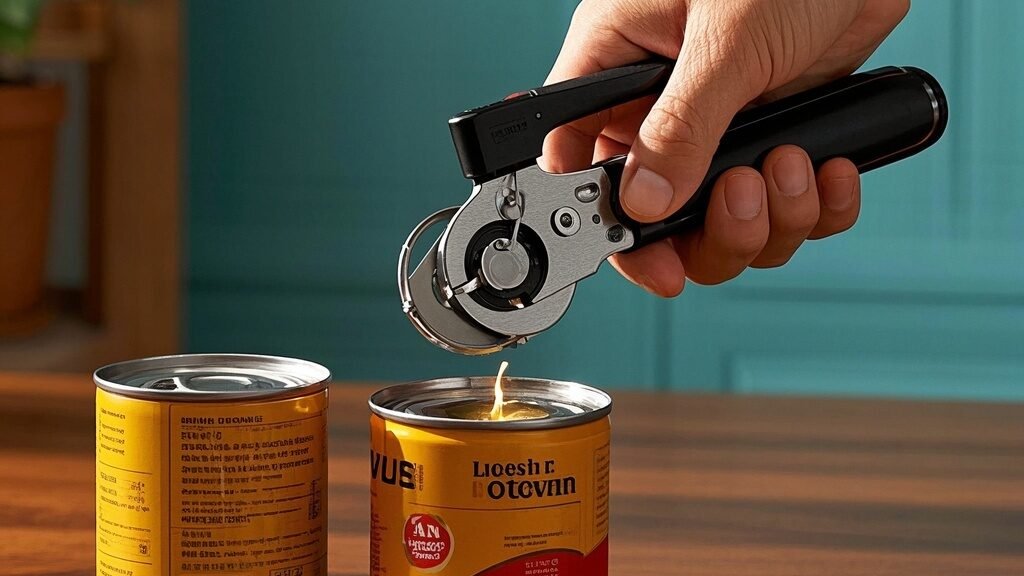
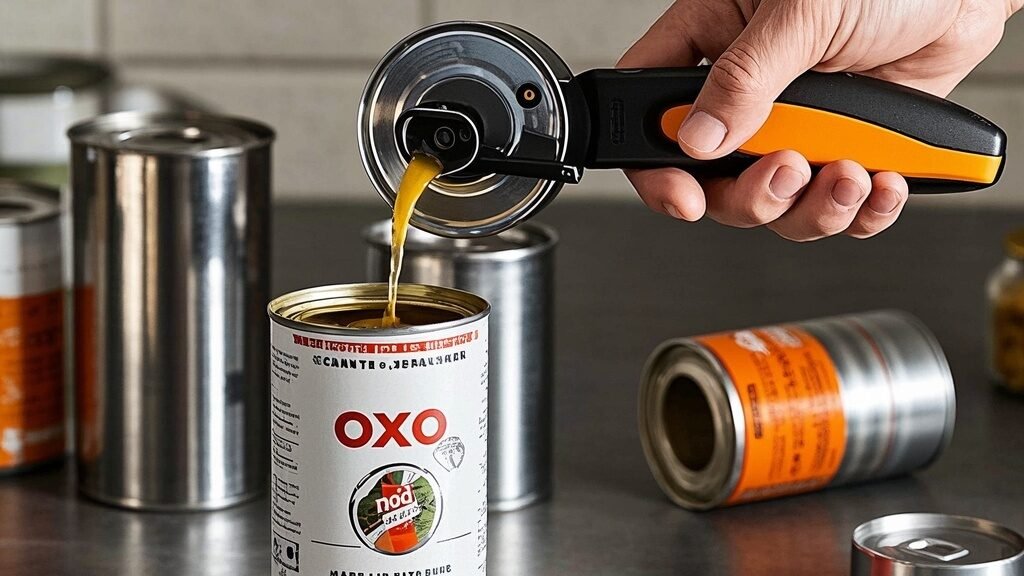
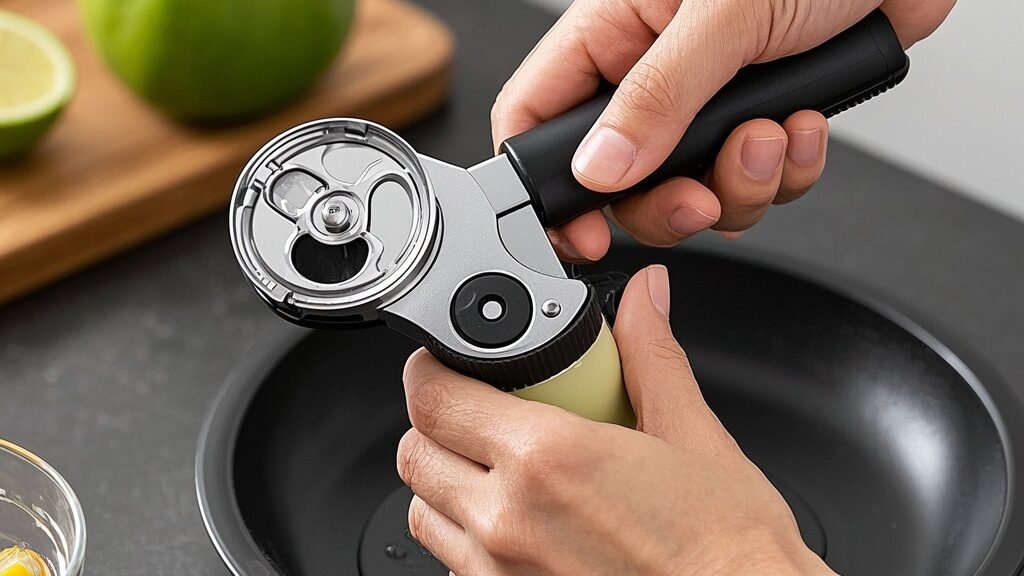
When we talk about “lightweight” for seniors, we’re discussing more than just grams and ounces. A heavy, clunky opener requires more muscle and stabilizer effort, leading to quick fatigue or shaky handling. The ideal opener feels almost effortless to lift and maneuver. But weight is only half the equation. Ergonomics—how the tool fits and works with the human hand—is critical. Look for features like large, soft-grip handles that cushion the palm and fingers, reducing pressure points. Contoured shapes that fit naturally in a curled hand are easier to hold than slim, straight metal bars. Some of the best models also incorporate wider turning knobs or levers, minimizing the fine motor skill and grip strength needed to operate them. This combination of light heft and thoughtful … Read the rest
How Do Seniors Choose the Right Can Opener?

How Do Seniors Choose the Right Can Opener?

Picture this: it’s dinnertime, and a simple recipe calls for a can of beans. For many seniors, this mundane task can become a frustrating battle—hands that don’t grip like they used to, wrists that ache with twisting, or eyes that strain to align a clunky, old-fashioned opener. The independence that comes from preparing your own meal shouldn’t be undermined by a kitchen tool. This daily hurdle highlights why choosing the right can opener is less about opening cans and more about preserving autonomy, safety, and ease in the kitchen. The perfect model acts as a seamless extension of the user, not a test of strength or dexterity.

Key Factors: Safety, Ease, and Physical Comfort

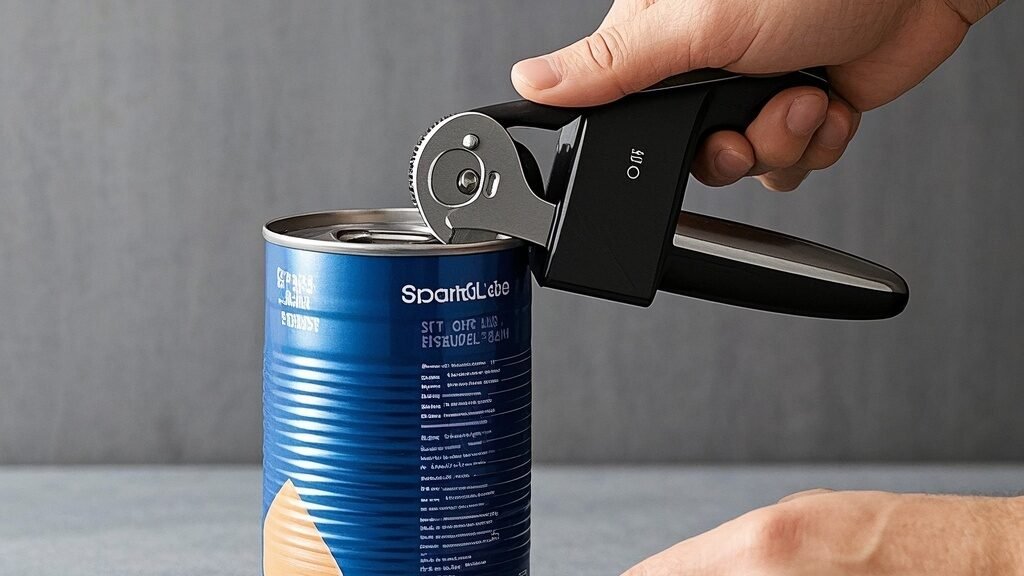
The primary goal is to minimize physical effort and maximize safety. Manual dexterity, arthritis, reduced grip strength, and limited vision are the main considerations. Electric openers are often the top recommendation because they require only the push of a button, eliminating gripping and twisting motions entirely. For manual options, look for large, soft-grip handles that are easy to hold and require minimal force to squeeze. Stability is also crucial; a heavy-base or wall-mounted opener that secures the can itself does the work for you, preventing slips and dangerous jabs from sharp lids. Finally, consider the cutting mechanism. Side-cutting or “safety” openers leave smooth edges, while traditional top-cutters can leave a sharp, jagged rim—a minor detail that makes a major difference in preventing cuts.

Types of Openers: A Clear Breakdown

Understanding the categories simplifies the choice. Electric Can OpenersRead the rest

Are Hands-Free Can Openers Good for Seniors?

Are Hands-Free Can Openers Good for Seniors?

Imagine standing in your kitchen, a simple can of soup in hand. Your fingers, perhaps stiff from arthritis, struggle to grip a traditional can opener. The wrist-twisting motion feels awkward, the pressure painful. For many older adults, this mundane task transforms into a frustrating barrier to independence and nutrition. It’s in these everyday moments that a seemingly small tool can make a profound difference. This brings us directly to the question at hand: Are hands-free can openers good for seniors? The answer, for a significant number of older adults and caregivers, is a resounding yes. These devices aren’t just a novelty; they address real physical challenges, offering safety, ease, and a renewed sense of autonomy in the kitchen.

The Core Benefits: Safety, Ease, and Independence

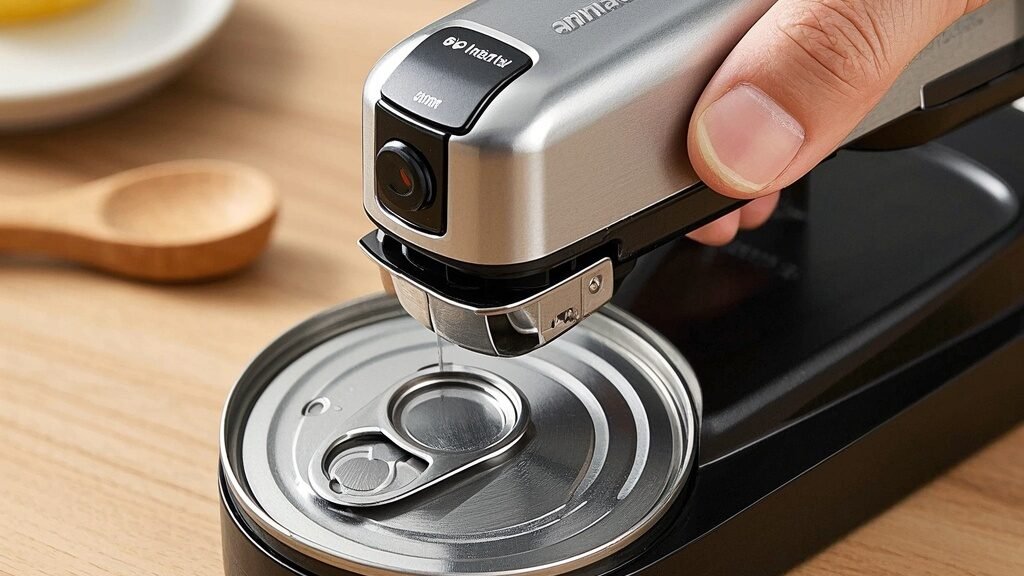
The primary advantage of a hands-free, or automatic, can opener is its fundamental redesign of the task. Instead of requiring coordinated hand strength, grip, and a twisting motion, the user simply places the can onto a magnetic holder, aligns it, and presses a button or lever. The machine does the rest, cleanly cutting the lid from the side without leaving a sharp edge. For seniors with arthritis, Parkinson’s disease, reduced hand strength, or limited dexterity, this eliminates pain and struggle. It also dramatically improves safety. Slipping blades and jagged lids are common hazards with manual openers; a hands-free model contains the cutting mechanism and often leaves a smooth edge, minimizing the risk of cuts. This safety and ease directly support independent living, allowing seniors to prepare their own … Read the rest

Can Seniors Safely Use Automatic Can Openers?

Can Seniors Safely Use Automatic Can Openers?

The simple act of opening a can of soup can become a quiet battlefield in many kitchens. Arthritic hands struggle to grip a manual opener, weakened wrists falter during the twisting motion, and a once-routine task morphs into a source of frustration and even risk. For an aging population determined to maintain independence, these daily hurdles are deeply personal. Enter the modern automatic can opener, a device that promises liberation with the push of a button. But its whirring motor and perceived complexity naturally lead to an important question: Can seniors safely use automatic can openers? The answer is a resounding yes, but with crucial considerations that transform this kitchen gadget from a potential hazard into a powerful tool for empowerment.

Understanding the Real Risks and Built-In Safeguards

At first glance, an electric appliance with a spinning blade near one’s hands seems inherently risky. The core safety concerns for seniors often involve sharp edges, device stability, and operational complexity. Reputable modern automatic can openers are designed with these exact concerns in mind. Key safety features include hands-free operation, where the machine grips and orbits the can itself, requiring no manual holding. The cutting mechanism is typically fully enclosed, preventing direct contact with the blade. Many models feature strong magnetic lid lifters that remove the sharp lid completely from the can and hold it securely, eliminating the need to fish it out with fingers. Furthermore, automatic openers eliminate the physical strain of twisting and applying pressure, which is a significant benefit for those … Read the rest

What Can Opener Is Recommended for Aging Hands?

What Can Opener Is Recommended for Aging Hands?

Imagine standing in your kitchen, holding a can of your favorite soup. It’s lunchtime, but the simple act of accessing that meal feels like a daunting puzzle. Your fingers, perhaps stiff from arthritis or weakened over time, struggle to grip a traditional, bulky opener. The force required to puncture the metal seems immense, and the fear of slipping or pain turns a routine task into a source of frustration and lost independence. This daily hurdle is why finding the right can opener for aging hands isn’t just about convenience—it’s about dignity, safety, and maintaining the joy of preparing your own meals. The recommended tool isn’t a mere kitchen gadget; it’s a key to reclaiming ease and confidence.

The Core Challenges: Grip, Strength, and Stability
For seniors or anyone with conditions like arthritis, reduced grip strength, or hand tremors, a standard manual can opener is often the worst enemy. The primary pain points are threefold. First, grip requirement: small, slippery handles demand a tight, pinching grasp that can be painful or impossible. Second, application of force: the cranking motion requires sustained wrist rotation and downward pressure, straining joints. Third, stability and safety: a can that wobbles or an opener that slips poses a cut risk. Therefore, the ideal can opener for aging hands must directly address these issues by minimizing grip force, leveraging mechanical advantage, and ensuring secure operation. It’s engineering focused on ergonomics, not just function.

Top Feature Breakdown: What to Look For
When evaluating options, several design features … Read the rest

What Is the Best Can Opener for Elderly People in 2025?

What Is the Best Can Opener for Elderly People in 2025?

Picture a simple Wednesday dinner. A grandparent stands at the kitchen counter, hands that have told a lifetime of stories now struggling with a stubborn tin of soup. The familiar frustration of slippery grips, stiff levers, or blunt blades turns a small task into a daunting challenge. This daily friction point is exactly why finding the right kitchen tools matters more than we often acknowledge. For seniors, maintaining independence in everyday rituals like cooking is deeply tied to dignity and well-being. In 2025, the quest for the best can opener for elderly people isn’t just about opening cans; it’s about opening doors to easier, safer, and more joyful self-sufficiency. The market has finally moved beyond mere functionality, offering solutions that thoughtfully address arthritis, reduced grip strength, and visual clarity.

Prioritizing Safety and Ease of Use

When evaluating openers for seniors, safety and simplicity are non-negotiable. The ideal model minimizes physical effort and maximizes security. Look for designs with large, textured handles that are easy to grip, not just for arthritic hands but also for wet ones. Automatic or electric openers are top contenders as they require only the push of a button, eliminating the need for hand-cranking and wrist torque. A major safety advancement in 2025 models is the magnetic lid lifter. This feature securely holds the cut lid, removing the risk of sharp edges and eliminating the need for users to touch the metal at all. Furthermore, stability is key. Openers with strong suction cup bases or those … Read the rest

What Features Should Seniors Look for in a Can Opener?

What Features Should Seniors Look for in a Can Opener?

Imagine standing in your kitchen, a simple can of soup in hand, ready for a warm lunch. Your fingers don’t grip like they used to, and a bit of arthritis makes twisting and pressing a genuine challenge. That mundane tool, the can opener, transforms from a helper into a formidable adversary. This daily friction point is why choosing the right kitchen tool isn’t about luxury; it’s about maintaining independence and ease. Selecting the perfect can opener becomes a critical decision, directly impacting safety, comfort, and the simple joy of preparing a meal without struggle.

Prioritizing Ease of Use and Ergonomics

Forget complicated mechanisms or gadgets requiring a manual. The primary goal is effortless operation. Look for can openers with large, easy-to-turn knobs or levers. These provide better leverage, reducing the strain on hands and wrists. Ergonomic, soft-grip handles are a must. They cushion the hand, improve control, and prevent slipping, which is crucial if your hands are damp or if grip strength has diminished. The best models operate smoothly with minimal pressure—think of a gentle squeeze or a simple push-down motion rather than a strenuous crank. Weight matters, too. A unit with a solid, stable base (often called a side-mounted or “can opener that sits on the counter”) means you don’t have to hold it steady while turning, freeing your hand for the easier task of rotating the knob. This design effectively turns a two-handed coordination task into a simpler, one-handed operation.

Safety and Accessibility Features Are Non-Negotiable

Safety is … Read the rest

What Is the Best Can Opener for Weak Hands?

What Is the Best Can Opener for Weak Hands?

Imagine a simple kitchen task turning into a daily frustration. Your hands, perhaps stiff from arthritis, weakened by injury, or simply not as strong as they used to be, struggle to grip and turn a traditional can opener. The effort required makes a quick meal prep feel like a chore, stealing the joy from cooking. For millions, this isn’t just an occasional inconvenience; it’s a persistent barrier to independence in the kitchen. The quest for the best can opener for weak hands isn’t about luxury—it’s about reclaiming ease, safety, and dignity in everyday life. It hinges on finding tools that replace brute force with intelligent design, turning a moment of struggle into one of effortless function.

Ergonomics and Ease of Use: The Foundation of Design

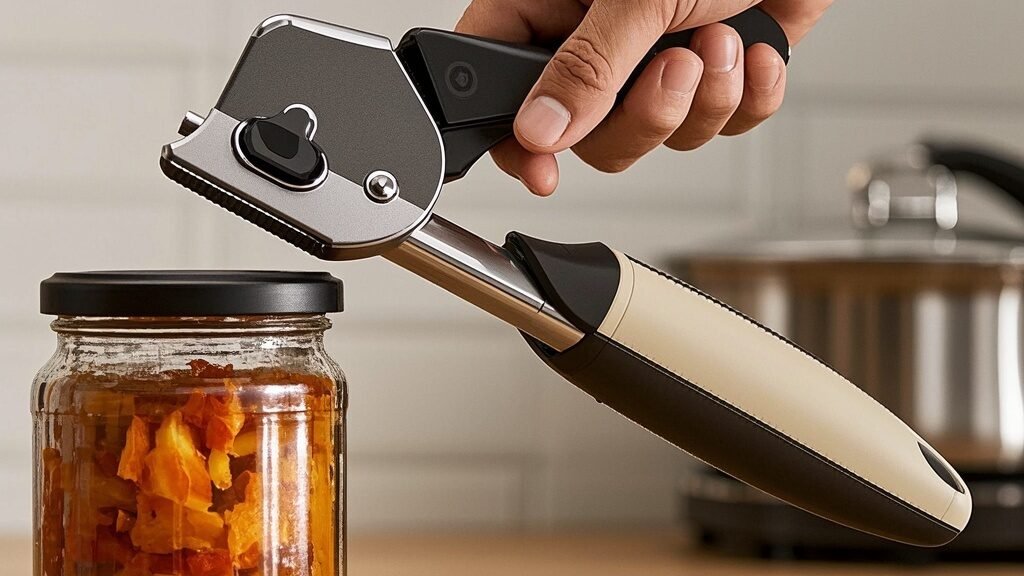
When searching for the right tool, ergonomics is paramount. This goes beyond just having “comfortable handles.” The best models are engineered to minimize grip strength and wrist rotation. Look for openers with large, soft-grip handles that contour to your palm, distributing pressure evenly. Lever-style or “side-swing” openers are often top contenders because they utilize a longer handle to create a mechanical advantage—think of it like using a crowbar versus your bare hands. You press down a lever, which does the hard work of driving the cutting wheel and turning the can. This motion requires significantly less hand strength and dexterity than the traditional twin-knob, twist-and-turn model. Another key feature is stability; many ergonomic openers lock onto the can’s rim automatically. This “hands-free” operation means you don’t … Read the rest

Can You Open Cans with One Hand?

Can You Open Cans with One Hand?

Picture this: a bustling kitchen, steam rising from a pot, and you’re trying to juggle a phone, a crying toddler, or a recipe book. Your other hand is occupied, but dinner needs to happen now. The simple task of opening a can suddenly feels like a circus act. This everyday friction is where innovation often sparks. The quest for convenience has quietly revolutionized even the most mundane tools. At the heart of this evolution lies a straightforward yet powerful question: Can you open cans with one hand? The answer is reshaping kitchens and empowering individuals, turning a two-handed chore into a seamless moment of independence.

The Evolution of a Kitchen Staple
For over a century, the classic manual can opener required a firm grip, a steady twist, and two cooperating hands. It was a design that went largely unchallenged. However, shifting lifestyles—from faster meal prep demands to a growing awareness of accessibility—have pushed for change. The market now answers with a variety of one-handed openers, employing clever mechanics like side-cutting wheels, magnetic lid lifters, or electric auto-feed systems. These devices aren’t just novelties; they address real user pain points. For an elderly person with arthritis, a parent holding an infant, or someone with a temporary injury, this functionality is transformative. It’s a small tool upgrade that delivers outsized impact, proving that good design removes barriers, one “click” at a time.

Performance and Real-World Use
So, how do these openers actually perform? In our testing, quality one-handed models excel in simplicity and reliability. Electric … Read the rest

What Can Opener Requires No Gripping Strength?

What Can Opener Requires No Gripping Strength?

Picture this: you’ve just gotten home, your hands are full of groceries, and dinner needs to happen now. You reach for a can of tomatoes, only to wrestle with a stubborn, old-fashioned opener. Your wrist aches, the handle slips, and frustration mounts. For millions, especially those with arthritis, limited hand strength, or simply a desire for effortless convenience, this small daily task is a genuine hurdle. But what if the solution wasn’t about gripping harder, but about not gripping at all? The answer lies in a simple yet transformative question: What can opener requires no gripping strength? The emergence of hands-free, electric, and side-cutting openers has fundamentally redefined this humble tool, shifting the focus from manual force to intelligent design.

The Mechanics of Effortless Access

So, how does a no-grip can opener actually work? The key is eliminating the need for the user to provide squeezing force and continuous twisting motion. Traditional openers require you to clamp down on the can’s rim and maintain that pressure while turning a knob. Modern alternatives fall into two main categories. First, electric openers do all the work. You place the can on a base, align the cutting mechanism (often magnetically), and press a button. A motor drives the cutter around the rim automatically, lifting the lid and usually holding it magnetically. Your hands are only for placement and button-pressing. Second, side-cutting or “safe” openers use a different mechanical principle. Instead of cutting from the top rim, they pierce the side of the can and roll along … Read the rest