How Do You Open Cans Without Using Hand Strength?

How Do You Open Cans Without Using Hand Strength?

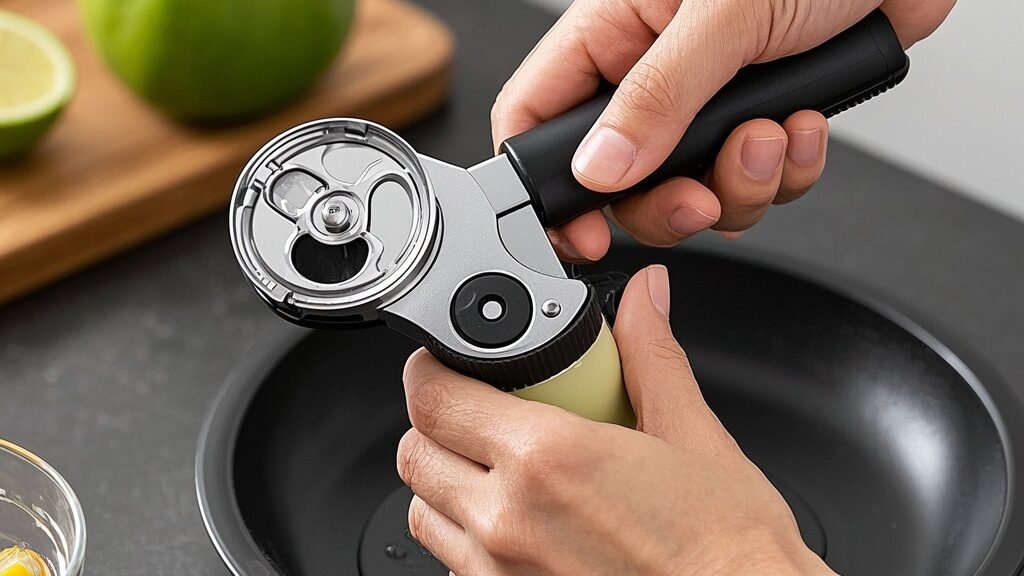
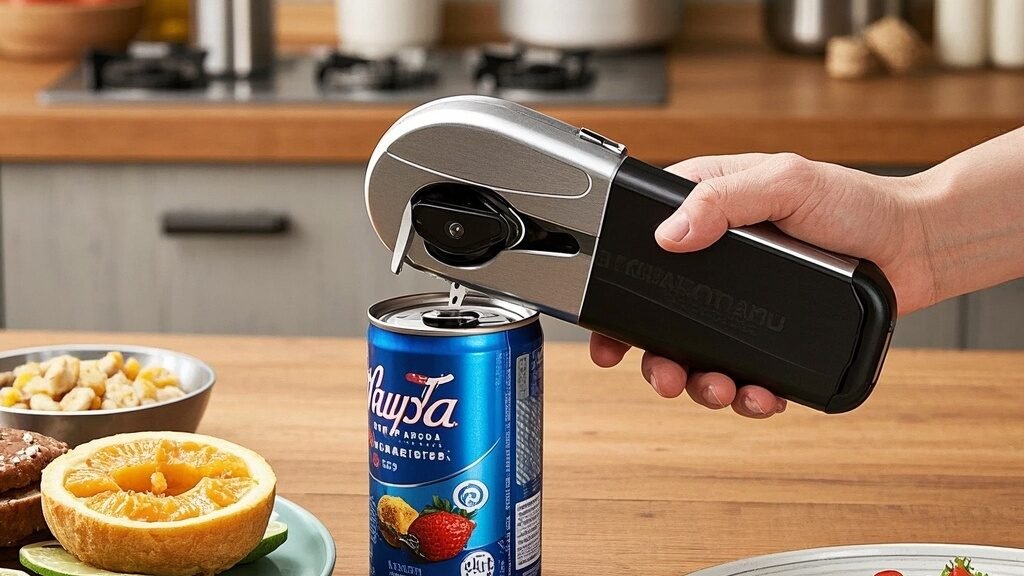
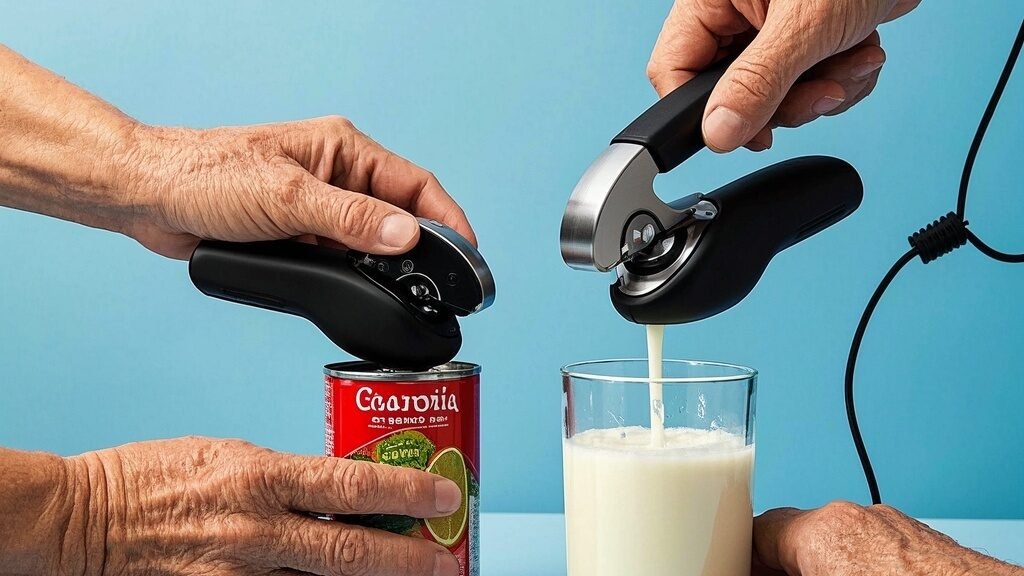
Imagine facing a simple pantry staple—a can of soup or beans—and feeling a wave of frustration. For millions dealing with arthritis, limited hand mobility, aging, or temporary injuries, this daily task becomes a significant barrier. The traditional manual can opener, requiring a firm grip and twisting force, might as well be a medieval torture device. It’s a quiet, common struggle that turns independence in the kitchen into a daunting challenge. Fortunately, answering the question of how to open cans without using hand strength is easier than you might think, thanks to innovative tools designed for effortless access. This isn’t just about convenience; it’s about reclaiming autonomy and joy in everyday activities.

The Modern Electric Can Opener: Hands-Free Efficiency

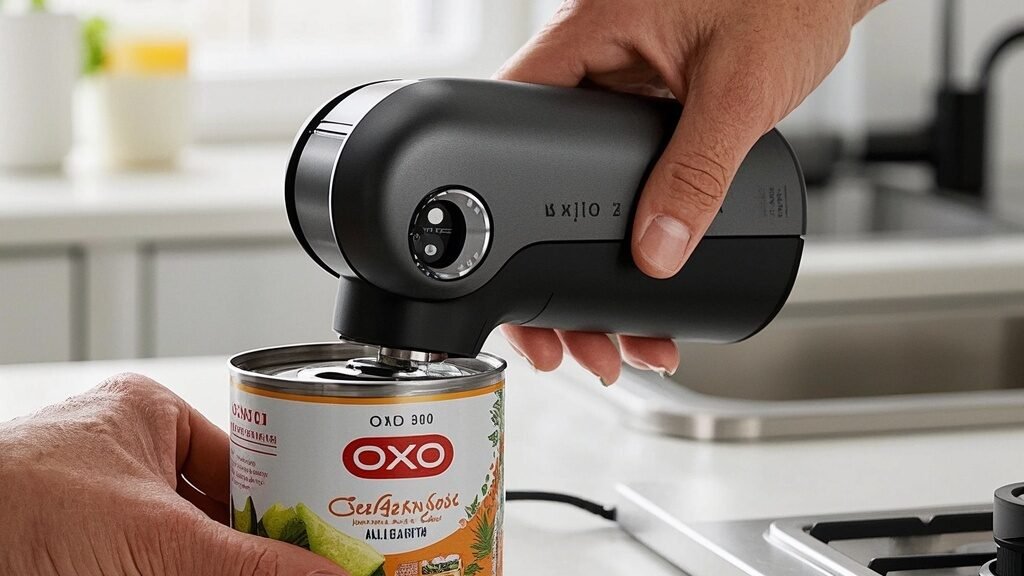
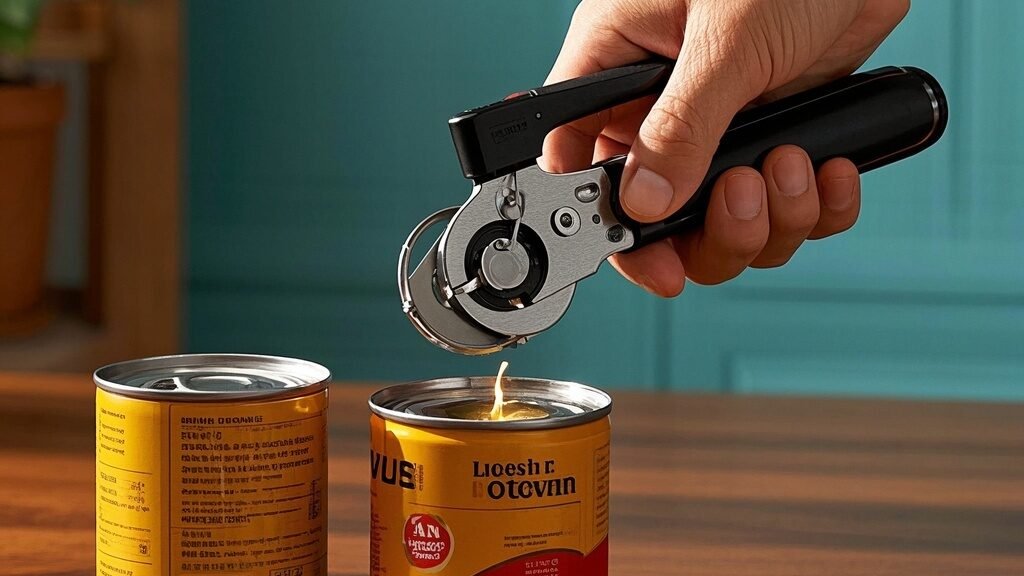
The most straightforward solution is an electric can opener. This device removes human force from the equation almost entirely. You simply place the can under the cutting mechanism, press a button or lever, and the magnetized lid is lifted away automatically. It requires minimal downward pressure and zero twisting or squeezing. Modern models are sleek, easy to clean, and often include additional functions like knife sharpeners. The primary advantage is complete operational ease. However, the drawbacks include needing counter space, access to a power outlet, and the device itself may be heavier to move and store. For individuals with very limited hand strength or those who open cans frequently, this is often the top recommendation. It transforms a difficult chore into a one-touch task.

Lever-Style and Side-Mounted Manual Openers: Maximizing Mechanics

If you … Read the rest
What Is the Best Can Opener for Chronic Hand Pain?

What Is the Best Can Opener for Chronic Hand Pain?

Imagine standing in your kitchen, staring at a simple can of soup. It’s a mundane object, yet it feels like an insurmountable barrier. Your hands, stiff and aching from arthritis, tendonitis, or another chronic condition, protest at the mere thought of gripping and twisting a traditional opener. That quick task becomes a painful ordeal, a small but daily reminder of limitation. For millions, this isn’t a rare scenario; it’s a routine challenge. The quest for independence in everyday tasks often starts with finding the right tools, and few are as symbolically and practically important as a reliable can opener. Identifying the best can opener for chronic hand pain isn’t about luxury; it’s about reclaiming ease, safety, and dignity in a fundamental kitchen ritual.

Key Features That Make a Difference

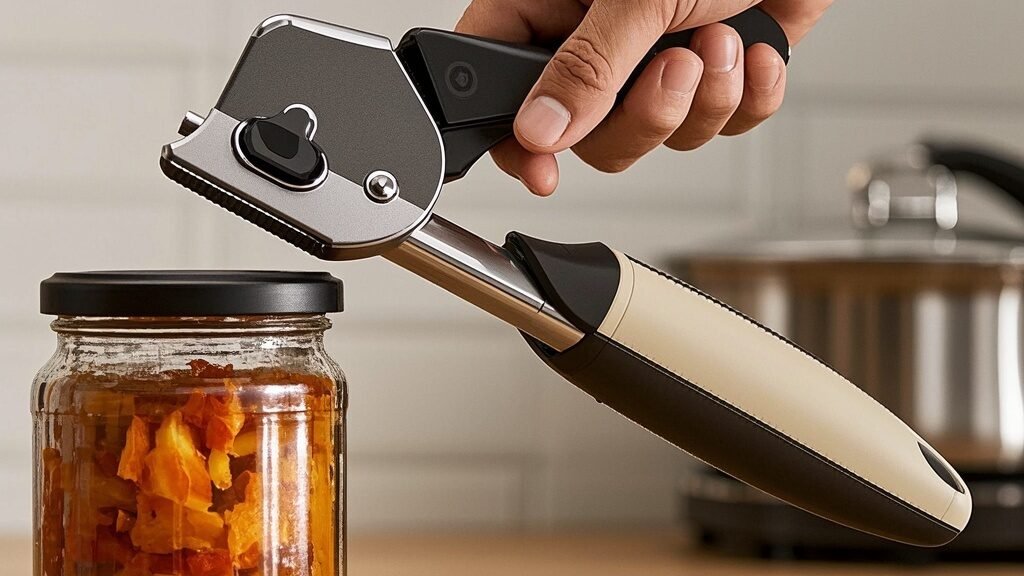
Not all openers are created equal, especially when hand strength and comfort are priorities. The ideal tool addresses pain points—literally—through intelligent design. First and foremost is leverage and mechanical advantage. Openers that use a side-cutting or pendulum mechanism often require significantly less force than traditional knob-twirling models. They transfer the effort from your fingers and wrists to a longer lever arm, allowing a smooth, downward press to do the work. Next is ergonomic grip. Look for handles coated in soft, non-slip rubber that are large enough to distribute pressure across your palm, not just your fingers. This reduces strain points and prevents slipping. Finally, consider stability and automation. Electric openers eliminate manual force almost entirely, while sturdy, wall-mounted … Read the rest

What Are the Best Hands-Free Can Openers for Weak Hands?

What Are the Best Hands-Free Can Openers for Weak Hands?

Imagine finally sitting down to make a favorite soup recipe, only to find your grip has given out before you can even start. That simple can of tomatoes becomes a fortress, its ring pull a cruel joke, and the standard manual opener a device requiring more strength than you can muster. This daily frustration is a quiet reality for millions dealing with arthritis, reduced grip strength, or conditions like carpal tunnel. The quest for independence in the kitchen often hinges on finding the right tools. Today, the solution isn’t about mustering more force; it’s about smarter technology designed to do the hard work for you. This is where the best hands-free can openers transform a struggle into a simple, safe, and effortless task, specifically engineered to empower weak hands.

How a Hands-Free Design Changes Everything

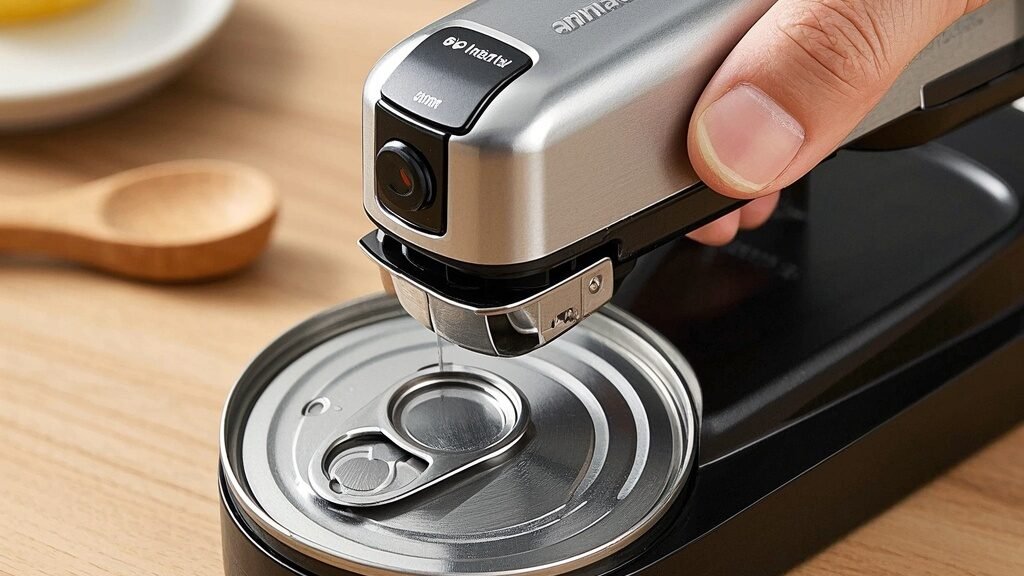
The core innovation of a true hands-free can opener is the complete removal of gripping, twisting, and applying sustained pressure. Unlike traditional or even some “easy-grip” models that still require you to hold, squeeze, and turn, a fully hands-free unit operates more like an appliance. You typically place the can on a base, lower a cutting mechanism with a simple lever press, and press a button. The machine magnetically secures the can, automatically rotates it, and cleanly cuts the lid from the rim. This process addresses the three major pain points for weak hands: grip strength (no squeezing), wrist torque (no twisting), and fine motor control (no precise alignment). The result isn’t just convenience; it’s … Read the rest

Do Safety Can Openers Really Prevent Sharp Edges?

Do Safety Can Openers Really Prevent Sharp Edges?

Imagine this: you’ve just finished preparing a hearty chili. As you go to clean up, you reach into the sink and—ouch! A familiar, sharp sting. You’ve been nicked by the jagged lid of the can you opened earlier. It’s a minor kitchen injury, but it’s a reminder of a hidden, everyday hazard. For decades, the traditional can opener has left behind a treacherous, serrated edge, a design flaw we’ve all accepted as a necessary evil. But a new category of kitchen tools promises to change that, leading many to ask: Do safety can openers really prevent sharp edges? The answer isn’t just a simple yes; it’s a fascinating look at how a humble tool has been re-engineered for genuine safety.

How Traditional Openers Create the Problem

To understand the solution, we need to see the problem. A standard swing-arm can opener works by piercing the lid and then cutting through the metal seam around the top of the can. The cutting wheel shears the metal from above, pressing the severed lid down and leaving its raw, cut edge pointing outward. This edge is often razor-sharp and uneven. When you remove the lid, you’re handling a small, flexible disc of metal with a dangerously keen perimeter. Even discarded in the sink, it poses a cut risk. This design prioritizes mechanical simplicity and low cost over user safety, a trade-off we’ve lived with because, until recently, there was no mainstream alternative.

The Mechanics of a Safer Cut

So, how does a safety can opener … Read the rest

What Is a Safety Can Opener and How Does It Work?

What Is a Safety Can Opener and How Does It Work?

Picture a typical weekday evening: you’re rushing to get dinner ready, grab a can of tomatoes, and wrestle with that old, stubborn manual opener. As you twist and force the handle, the lid finally detaches—jagged, razor-sharp, and dangling precariously over the food. You carefully pry it off, trying to avoid cutting your fingers, and then immediately search for a safe way to dispose of the hazardous metal lid. This small, repeated kitchen moment is more than just an annoyance; it’s a genuine safety risk. Enter the safety can opener, a tool designed specifically to eliminate this exact problem. Unlike traditional openers, it redefines the simple act of opening a can by prioritizing user safety and convenience, turning a mundane task into a secure, clean, and effortless process. But what exactly makes it different, and how does it achieve this?

The Core Design: How a Safety Can Opener Works

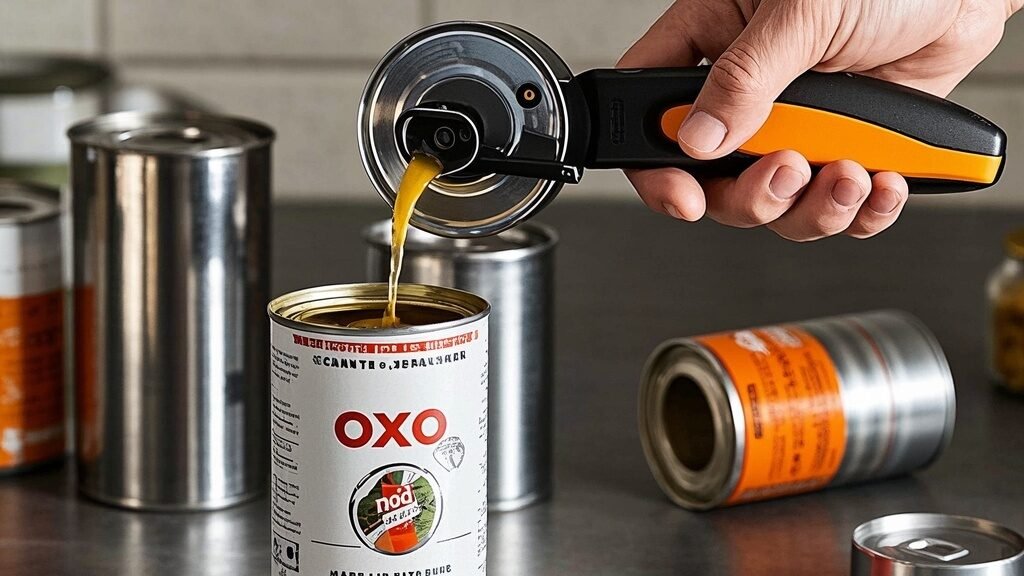
At its heart, a safety can opener operates on a fundamentally different principle than the classic puncture-and-tear method. Instead of cutting through the top lid along the inner rim, it rolls the seam between the lid and the can’s sidewall. Here’s a typical step-by-step breakdown of how it works, according to manufacturers:

1. Magnetic Engagement: You place the device’s cutting wheel under the can’s lip. A strong magnet, usually housed in the rotating mechanism or a separate arm, holds the lid firmly in place.
2. Seam Rolling, Not Cutting: As you turn the handle (or the device operates automatically if … Read the rest

Are Smooth-Edge Can Openers Better Than Traditional Ones?

Are Smooth-Edge Can Openers Better Than Traditional Ones?

For decades, the familiar twist of a manual can opener and the metallic *crunch* of a punctured lid have been kitchen soundtrack staples. But alongside that classic tool, a new contender has quietly earned space in the drawer: the smooth-edge can opener. This modern design doesn’t cut through the metal; it pries the lid off from below the rim, leaving a perfectly smooth edge and a lid that can be placed back on for storage. The fundamental question for any home cook now is whether this innovative approach represents a genuine upgrade or is merely a clever solution in search of a problem. Are smooth-edge can openers better than traditional ones? The answer isn’t a simple yes or no, but a matter of matching the tool to your specific needs, safety concerns, and how you interact with food in your daily life.

Safety and User Experience: A Clear Divide

The most immediate and compelling advantage of the smooth-edge opener is safety. Traditional openers cut through the lid, leaving a jagged, often sharp edge on both the can and the detached lid. This poses a genuine risk of cuts, especially when cleaning up or reaching into the recycling bin. Smooth-edge models completely eliminate this hazard. The sealed lid has a rounded, safe edge, and the can’s rim remains untouched and smooth. For households with children, older adults, or anyone prone to nicks and cuts, this benefit alone can be decisive. Beyond safety, the user experience differs. Smooth-edge openers typically require more initial hand … Read the rest

What Can Opener Leaves No Sharp Edges?

What Can Opener Leaves No Sharp Edges?

Imagine finishing a simple task—opening a can of soup for dinner—and facing a small, yet oddly consequential, moment of dread. It’s not about the can’s contents, but the aftermath. You rinse the lid, go to toss it into the recycling bin, and there it is: that razor-sharp, serrated edge glinting under the kitchen light. One careless move and it could mean a nasty cut. This mundane hazard is so common we’ve almost accepted it as a necessary evil of pantry staples. But what if the design of a basic kitchen tool could completely eliminate this risk? The answer lies in rethinking the mechanism itself. The quest for a can opener that leaves no sharp edges isn’t just about minor convenience; it’s a thoughtful upgrade to daily safety and tidiness.

The Mechanics of a Safer Open

Traditional can openers work by piercing the lid and cutting along the perimeter, leaving behind a jagged, separated metal disc. The innovation behind a no-sharp-edge model is fundamentally different. These openers, often called “safety” or “smooth-edge” openers, don’t cut through the metal. Instead, they use a rolling mechanism to cleanly separate the lid at its seam, right below the rim. It pries the lid off from the inside, leaving it attached by a tiny hinge. The result? A perfectly smooth rim on the can and a lid with no raw, dangerous edges. According to manufacturers, this process seals the cut edge by folding it under, creating a blunt, safe border. In our testing, the difference is immediately apparent. … Read the rest

Can Safety Can Openers Cut Your Fingers?

Can Safety Can Openers Cut Your Fingers?

Imagine this: it’s a busy Tuesday evening. You’re rushing to get dinner ready, wrestling with a stubborn can of tomatoes. The old, rusty opener slips, the lid comes off jagged and sharp, and in your haste, your thumb brushes against the raw metal edge. A small cut, a sting, a muttered curse. It’s a universal kitchen nuisance we’ve all accepted. But what if the very tool designed to solve this problem—the modern safety can opener—introduces its own hidden risks? The question isn’t as absurd as it sounds: Can safety can openers cut your fingers? The answer delves deeper than a simple yes or no, revealing a fascinating interplay between design intention, user complacency, and the physics of everyday objects.

The Illusion of “Safety” and How It Bites Back

Let’s dismantle the term “safety can opener.” Typically, it refers to openers that leave a smooth lid edge, separating the lid from the can’s side seam without creating sharp, serrated rims. Brands like OXO and KitchenAid have popularized this design. The primary safety benefit is real: no more dangerously sharp can tops. However, this very feature can cultivate a false sense of security. Users, believing the tool and the result are entirely safe, may become less mindful. The risk shifts from the lid to the *process*. Your fingers are now in close proximity to the cutting wheel—a small, but potent, blade that does the actual work. Applying excessive force, slipping while turning a stiff handle, or attempting to pry a stuck opener can lead to … Read the rest

What Is the Best Smooth-Edge Can Opener in 2025?

What Is the Best Smooth-Edge Can Opener in 2025?

Imagine finally freeing that last bit of artichoke hearts from its tin, only to find your countertop littered with tiny, razor-sharp metal shards. The modern kitchen strives for seamless efficiency, yet this primitive, century-old problem persists. In 2025, the quest for a truly clean, safe, and effortless kitchen experience has zeroed in on one pivotal tool: the smooth-edge can opener. This isn’t just about opening cans; it’s about eliminating a hidden source of frustration and danger in our daily routines, proving that the best kitchen innovations often solve the simplest problems.

The Shift from Cutting to Seamless Opening

For decades, the standard can opener worked by cutting through the metal lid’s rim, leaving behind a jagged edge on both the can and the detached lid. The smooth-edge (or safety-edge) can opener takes a fundamentally different approach. Instead of cutting, it uses a rolling mechanism to cleanly separate the lid at the factory-sealed seam, right below the rim. The result? A perfectly smooth can edge that’s safe to touch and a lid that sits neatly back on top. In our testing, the immediate benefits are clear: no risk of cuts, no metal fragments contaminating food, and lids that seal leftovers more effectively. This technology has evolved from a niche novelty to a mainstream essential, driven by a growing consumer focus on kitchen safety, waste reduction (fewer accidental injuries mean fewer bandages and less waste), and a sheer appreciation for hassle-free tools.

Performance and Real-World Use

How do the top models of 2025 … Read the rest

Why Are Safety Can Openers Recommended for Seniors?

Why Are Safety Can Openers Recommended for Seniors?

Picture a simple kitchen task you’ve done a thousand times: making a pot of soup. For many older adults, that routine can become a moment of genuine hesitation. The familiar manual can opener, perhaps a little rusty or stiff, requires a firm grip, sustained wrist rotation, and dealing with a sharp, jagged lid. What was once effortless now demands concentration and effort, turning a quick meal prep into a frustrating, even risky, chore. This everyday challenge is precisely why safety can openers have moved from a niche gadget to a highly recommended essential for aging in place. They address fundamental changes in strength, dexterity, and safety concerns, transforming a simple tool into a key supporter of independence and confidence in the kitchen.

The Physical Challenges of Traditional Opening

Aging often brings natural changes that make standard can openers difficult to use. Arthritis can stiffen finger joints and make gripping a small, textured handle painful. Reduced hand strength and endurance make the twisting motion of a manual opener tiring, sometimes impossible for tougher cans. Conditions like Parkinson’s or neuropathy can introduce tremors or a loss of sensation, making it dangerously easy to slip onto the sharp edge of a freshly cut lid. Furthermore, declining vision can make it hard to align the opener correctly or see the sharp rim. The traditional process—applying pressure, rotating steadily, and prying up a razor-edged metal disc—becomes a multifaceted obstacle. A safety can opener is engineered specifically to eliminate these pain points, turning a task that requires fine … Read the rest