What Is the Best Child-Safe Can Opener?

What Is the Best Child-Safe Can Opener?

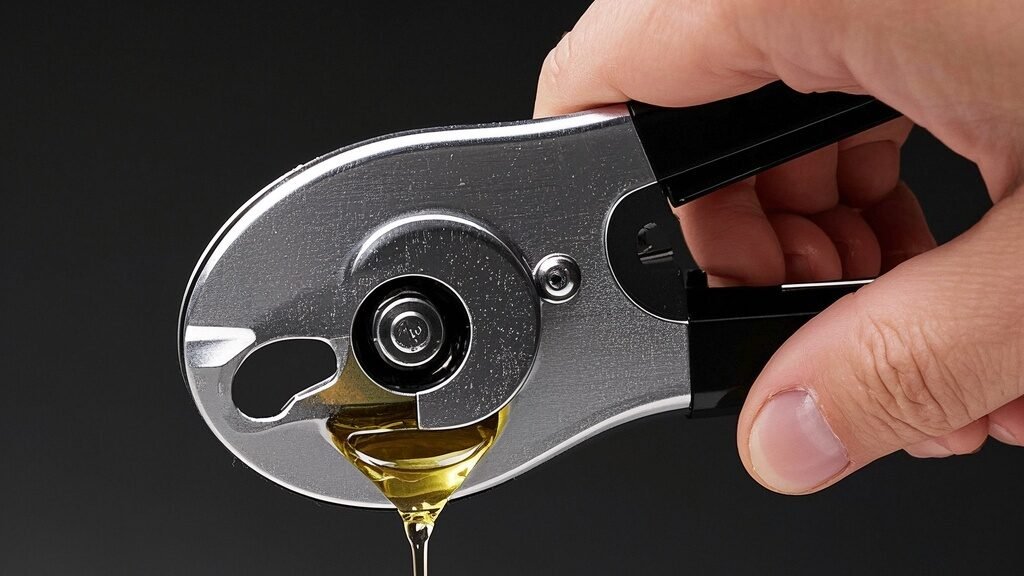
Picture your kitchen after a hurried dinner prep: the counter holds a classic, manual can opener, its cutting wheel glinting under the light. It’s a tool you’ve used for years, reliable yet unremarkable. But in that same quiet moment, your toddler’s curious fingers reach for it, exploring its sharp edges and moving parts. Suddenly, this everyday object transforms into a potential hazard. This silent shift in perspective is what drives the search for a truly effective child-safe can opener. It’s not merely about opening cans; it’s about re-engineering a common tool to create a safer home environment, seamlessly blending security with daily function.

Understanding “Child-Safe” Beyond the Label

The term “child-safe” is often used broadly, but in the realm of kitchen tools, it demands specific design philosophies. A truly child-safe can opener typically incorporates one or more of these key features: safety locks or mechanisms that prevent accidental activation, often requiring a specific sequence of presses or turns; fully enclosed cutting mechanisms that completely shield the sharp blade and gear from little fingers, even during use; auto-retracting cutting wheels that immediately withdraw after the can is opened; and a smooth, rounded design with no accessible sharp edges or pinch points. The goal is to create a device that is intuitive for an adult to use but presents a significant, built-in barrier to unintended operation by a child. It’s a shift from reactive safety (keeping it in a drawer) to proactive design (making the tool itself inherently safer).

Performance and Real-World Use

Safety … Read the rest
What Safety Can Opener Is Best for Arthritis?

What Safety Can Opener Is Best for Arthritis?

Picture this: a simple can of soup, a quick lunch. But for millions with arthritis in their hands, wrists, or shoulders, that humble can transforms into a formidable opponent. The twisting, the gripping, the pressure—it’s not just inconvenient; it’s a painful reminder of physical limitations. The quest for independence in daily tasks becomes paramount, turning ordinary kitchen tools into critical allies. This is where finding the best safety can opener for arthritis isn’t about minor convenience; it’s about reclaiming ease and dignity in everyday routines. The right tool can turn a moment of frustration into one of effortless victory.

Key Features That Make a Difference

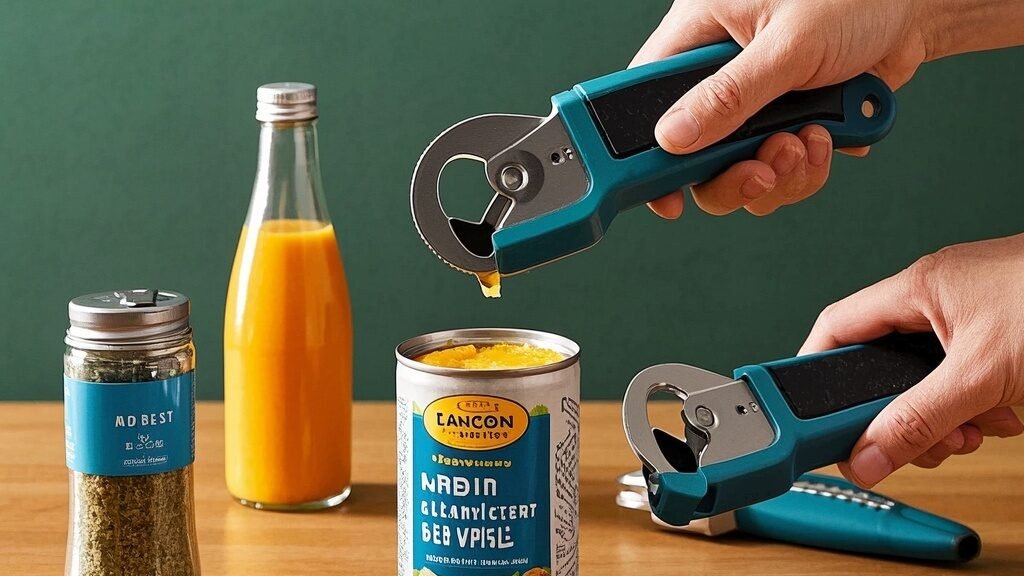
Not all “easy” openers are created equal when arthritis is involved. The goal is to minimize strain on vulnerable joints. Look for designs that prioritize ergonomic handles. These are often thicker, softer, and contoured to fit the palm, distributing pressure and reducing the need for a tight, painful grip. Next, consider the driving mechanism. Traditional side-turn models require significant wrist rotation and strength. A superior choice is a top-mounted, lever-style or automatic opener. These allow you to use the stronger muscles of your forearm and the leverage of your whole hand, sparing delicate finger joints and wrists. Finally, magnetic lid holders are a non-negotiable safety and convenience feature. They lift the lid away automatically, eliminating the need for sharp, slippery fingers to pry it out—a common pinch-point and hazard.

Top Contender: The Lever-Style “Smooth Touch” Opener

In our assessment, one design consistently stands out: the … Read the rest

What Makes a Can Opener “Safe”?

What Makes a Can Opener “Safe”?

Imagine a simple weeknight: you’re making chili, the game is about to start, and hunger is mounting. You grab a can of tomatoes, position the old, slightly rusty opener, and start cranking. Then it happens—a jagged metal edge snags your palm, or the lid drops into the food, leaving a hidden, razor-sharp threat. Suddenly, a mundane task feels perilous. This common frustration points to a deeper question we rarely ask about humble kitchen tools: what does true safety actually mean in a can opener? It’s far more than just avoiding cuts; it’s a design philosophy that considers every step of the interaction, from first touch to final cleanup.

Beyond the Blade: Rethinking Cutting Mechanics

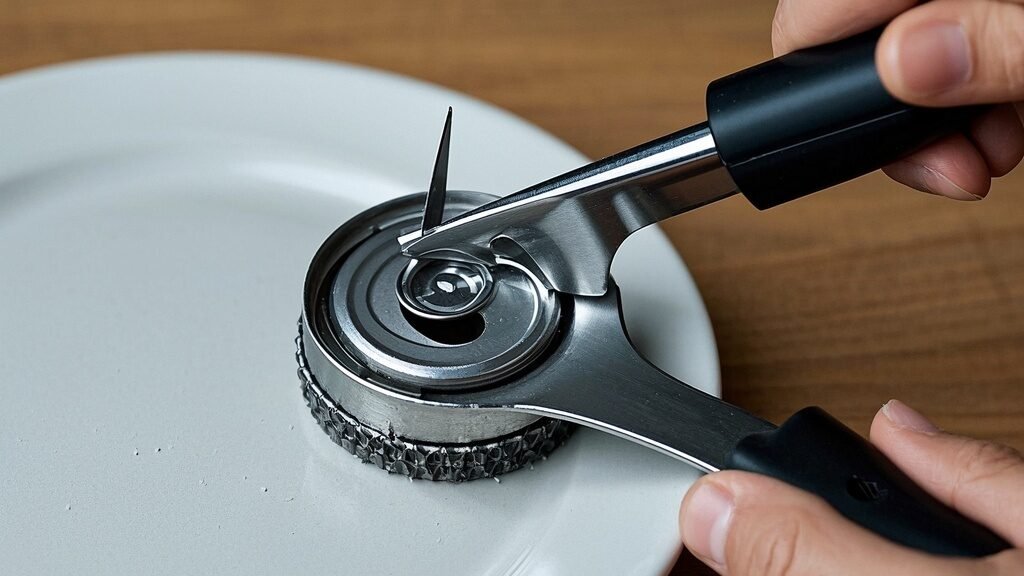
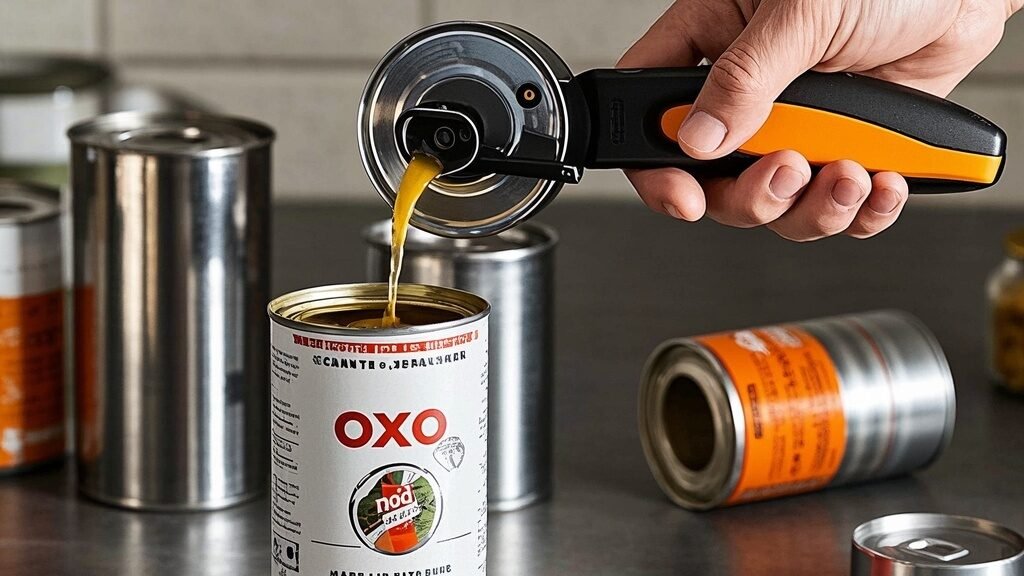
Traditional openers often create a familiar hazard: the cut lid itself. They slice along the inner rim, leaving a sharp, detached metal disk that can fall into food or require careful handling. A genuinely safe can opener re-engineers this process. Modern safety models, particularly side-cutting or “smooth-edge” openers, work by removing the lid from underneath the seam. Instead of creating a jagged edge, they leave a perfectly smooth rim on both the can and the detached lid. This eliminates the risk of laceration from the lid’s edge. Furthermore, the lid itself often remains magnetically attached to the opener, so your fingers never need to touch it, and it doesn’t plunge into your dinner. This fundamental shift in mechanics addresses the most obvious physical danger, proving that safety starts with how the tool fundamentally performs its core task.

Ergonomics and Read the rest

Are Safety Can Openers Easier to Use?

Are Safety Can Openers Easier to Use?

Picture a quiet Tuesday evening in your kitchen. You’re preparing a quick dinner, reaching for a can of tomatoes. With a standard opener, you wrestle with a slippery handle, apply awkward pressure, and finally pry off a jagged, razor-sharp lid you immediately worry about disposing of safely. It’s a mundane task, yet it’s often punctuated by minor frustration and a subconscious alertness to danger. This common experience is precisely why the safety can opener was invented. But does its promise of enhanced safety actually translate to a simpler, more effortless user experience? The answer reveals a fascinating trade-off between innovation and habit, challenging our assumptions about what “easy to use” really means.

The Mechanics of Safety: Redefining “Easy”

At first glance, a safety can opener (often called a smooth-edge or side-cutting opener) seems more complex. Instead of cutting through the top lid’s rim, it punctures the side and rolls the seam, leaving the lid itself intact and attached, with a perfectly smooth edge. The immediate benefit is obvious: no sharp metal to handle. But is this process easier? For many, the initial learning curve is the main hurdle. Traditional openers rely on a familiar, brute-force motion. Safety models require correct alignment and a steady, continuous cranking motion. Once mastered, however, the action becomes remarkably smooth and consistent. It requires less grip strength and downward pressure, as the tool does the work by leveraging the can’s side. For individuals with arthritis, weaker grip, or simply a desire for a more controlled motion, this design … Read the rest

Do Safety Can Openers Work on All Can Types?

Do Safety Can Openers Work on All Can Types?

You’re in the middle of preparing dinner, a can of your favorite soup in hand. The familiar pull of a traditional opener feels routine, until a sudden slip sends a sharp, jagged lid flying—a tiny, dangerous reminder of an everyday risk we often ignore. This common kitchen moment highlights why many are turning to safety can openers, designed to eliminate sharp edges entirely. But as you eye that collection of cans in your pantry—standard soup, petite corn, quirky sardine tins, and maybe a pull-tab bean can—a practical question arises: Do safety can openers work on all can types? The promise of universal safety is compelling, but the reality in a diverse kitchen is worth a closer look.

Understanding the Safety Can Opener Mechanism

First, let’s clarify what makes an opener “safe.” Unlike traditional openers that cut through the lid’s top, leaving a razor-sharp edge, a safety (or smooth-edge) opener works differently. It typically uses a rolling blade or gear that punctures and then rolls under the lid’s rim, severing the seal between the lid and the can body. The result? A lid that pops off completely with a smooth, rounded edge, and a can body that remains blunt. This mechanism is fantastic for eliminating cuts and is generally easier on the hands. However, its effectiveness is inherently tied to the can’s design. It requires a specific, standardized rim to grip and roll under. According to the manufacturer, most safety openers are engineered for standard steel or tinplate cans with a defined, … Read the rest

What Is the Best Safety Can Opener for Weak Hands?

What Is the Best Safety Can Opener for Weak Hands?

Opening a simple can of soup shouldn’t feel like an upper-body workout. Imagine holding a traditional, bulky can opener, your fingers straining to grip the small, stiff handles, your wrist twisting awkwardly as you struggle to puncture the lid. For millions with arthritis, limited grip strength, hand pain, or simply less hand power due to aging, this everyday task ranges from frustrating to impossible. It transforms a moment of independence into one of reliance. This common struggle highlights why finding the right tool isn’t just about convenience—it’s about reclaiming ease and safety in daily routines. The quest for the best safety can opener for weak hands is fundamentally a search for autonomy, focusing on designs that prioritize ergonomics, leverage, and stable operation over brute force.

Ergonomics and Design: The Foundation of Comfort

The core of any tool designed for weak hands lies in its ergonomics. This goes beyond just being “easy to use”; it’s about how the device fits the human hand and mechanics. The worst offenders are the classic manual openers with two small, parallel handles you must pinch together repeatedly. These require significant grip strength and repetitive motion, which can be painful. Superior models for low hand strength feature large, contoured handles that distribute pressure across the palm rather than concentrating it on the fingers. Look for handles coated in soft, non-slip rubber—they provide a secure grip even with sweaty or shaky hands. The shape is also crucial. Some of the best designs resemble a large, comfortable “U” … Read the rest

What Safety Can Opener Should You Buy for Elderly Parents?

What Safety Can Opener Should You Buy for Elderly Parents?

Picture this: a simple Wednesday night, a desire for a comforting bowl of soup. But in the kitchen, frustration mounts. Arthritic fingers struggle to grip a slippery handle, a tremor makes aligning the cutting wheel a challenge, and a blunt opener requires dangerous force. This isn’t just an inconvenience; it’s a moment where independence meets a very real risk of cuts or strain. For many older adults, the humble can opener transforms from a basic tool into a significant barrier. The quest for the right safety can opener for elderly parents is, therefore, not about a minor kitchen upgrade—it’s about preserving dignity, ensuring safety, and offering genuine peace of mind to the whole family. It’s a small appliance that carries a heavy weight of care.

Key Safety Features to Prioritize

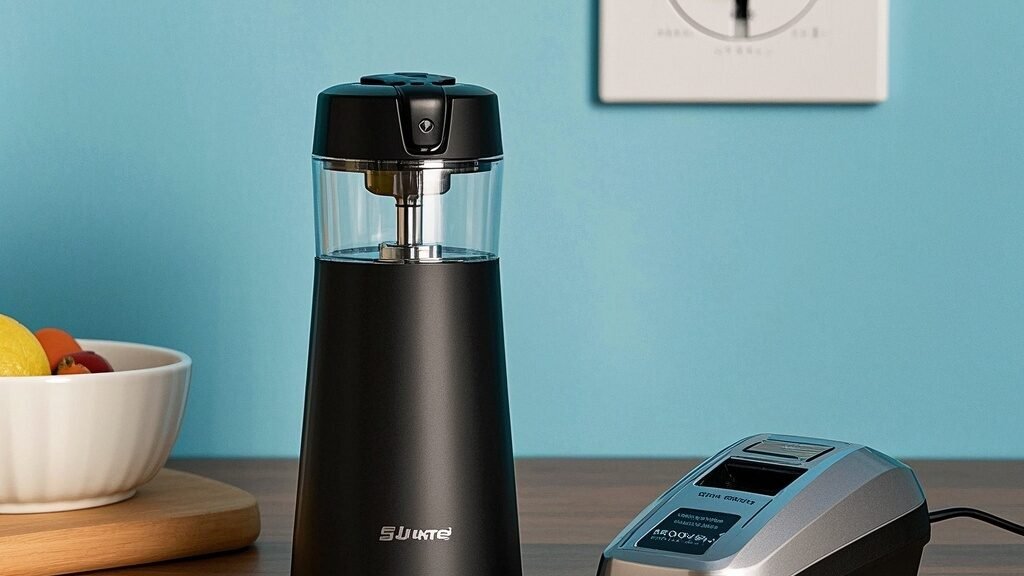
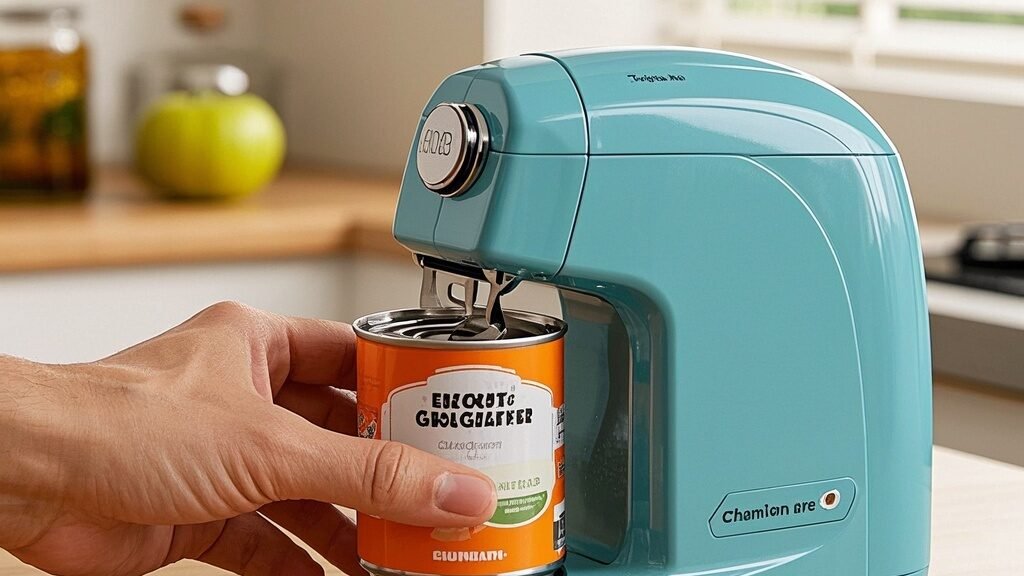
When evaluating options, move beyond brand names and focus on specific design elements that address common age-related challenges. Automatic operation is the top-tier feature for safety. These electric openers do all the work: they magnetically grab the lid, rotate the can, and release the lid, all with the push of a button. This eliminates the need for grip strength, hand-crank coordination, and any sharp-edge contact, making it the safest choice for those with severe arthritis, Parkinson’s, or limited dexterity.

For a more traditional but assisted approach, look for large, ergonomic handles. These should be contoured, soft-grip, and require minimal squeezing force. A stable, non-slip base is non-negotiable; it prevents the can from spinning and reduces the need for one … Read the rest

What Are the Pros and Cons of Safety Can Openers?

What Are the Pros and Cons of Safety Can Openers?

Imagine a kitchen drawer containing a relic of frustration: a standard manual can opener, its blade dulled and gears crusted with old tomato sauce, next to a small, smooth-edged lid it violently detached moments ago. That sharp, hazardous disc is a tiny, daily reminder of a risk we’ve accepted for decades. But what if opening a can didn’t end with a sharp metal lid and a struggle to pry it off? Enter the safety can opener, a device designed to rewrite this routine chore. Moving beyond the basic twist-and-pierce mechanism, these openers promise a safer, cleaner, and often easier experience. But like any specialized tool, they come with trade-offs. Understanding the pros and cons of safety can openers is key to deciding if this kitchen innovation is a must-have or an unnecessary complication for your countertop.

The Core Advantage: Redefining “Safe” in the Kitchen

Let’s start with the obvious: the name says it all. The primary pro of a safety can opener is its fundamental redesign to eliminate the number one hazard of traditional opening—the sharp, detached lid. Instead of cutting through the top seam of the can, most safety models use a different mechanism. They typically pierce the side of the lid and roll it open from beneath, leaving the lid firmly attached, smooth-edged, and sitting neatly on top of the can. This means no more searching for sharp edges to avoid cuts, and it’s a game-changer for households with children, individuals with dexterity challenges like arthritis, or … Read the rest

What is the safest can opener for elderly hands?

What is the safest can opener for elderly hands?

Imagine standing in your kitchen, a simple can of soup in hand. Your fingers, perhaps stiff with arthritis or unsteady from neuropathy, fumble with the familiar metal tab or a bulky, old-fashioned opener. What should be a quick task becomes a frustrating, sometimes painful, battle against slippery surfaces and stubborn mechanisms. This daily struggle is a quiet reality for many seniors who value their independence. The quest for a truly safe and manageable kitchen tool isn’t about luxury; it’s about preserving dignity and ease in everyday rituals. Finding the safest can opener for elderly hands becomes crucial, transforming a moment of frustration into one of effortless accomplishment.

Understanding the Real Risks of Traditional Openers
Before exploring solutions, it’s important to recognize why standard can openers pose problems. Manual models with small, sharp cutting wheels and thin, twisting handles require significant grip strength and precise downward pressure—a challenge for weakened hands or those with limited dexterity. Electric openers, while powerful, often have complex clamping mechanisms or small buttons that are difficult to operate. The primary hazards include slips that can lead to cuts, the strain of repetitive motion, and the sheer difficulty of applying enough force. Safety, therefore, isn’t just about avoiding sharp edges; it’s about ergonomic design that minimizes physical effort, intuitive operation that requires no confusing steps, and stable construction that keeps the can secure during the process. A safe opener effectively removes the user’s hands from the danger zone and the strain equation altogether.

Key Features That Define True Read the rest

What is the best can opener for weak hands?

What is the best can opener for electric can openers?

You’re standing in your kitchen, a simple can of soup or beans in one hand, and a traditional manual can opener in the other. You brace yourself, grip the handles, and start twisting. Your wrists ache, your fingers feel weak and slippery, and that familiar frustration bubbles up. This daily task, something so many take for granted, becomes a small battlefield. For millions with arthritis, limited grip strength, hand injuries, or simply the natural changes that come with age, the humble can opener is anything but simple. It’s a barrier to independence and a source of daily frustration. The quest, then, isn’t just for a can opener; it’s for a tool that returns ease and autonomy to the kitchen. So, what is the best can opener for weak hands? The answer lies not in a stronger grip, but in smarter design that does the hard work for you.

The Core Principles: What Makes a Can Opener “Easy-Use”

Forget brute force. The best openers for weak hands eliminate the need for squeezing, twisting, and precise coordination. They rely on a few key principles. First is leverage. Side-mounted or “smooth-edge” openers that pierce the lid’s side and roll it off provide a stable, ratcheting action. You turn a large, easy-grip knob, which requires minimal finger strength compared to squeezing handles together. Second is stability. A strong magnetic lid lifter is crucial. It removes the need to pry up a sharp lid with fingernails or a utensil—a common pain point and … Read the rest