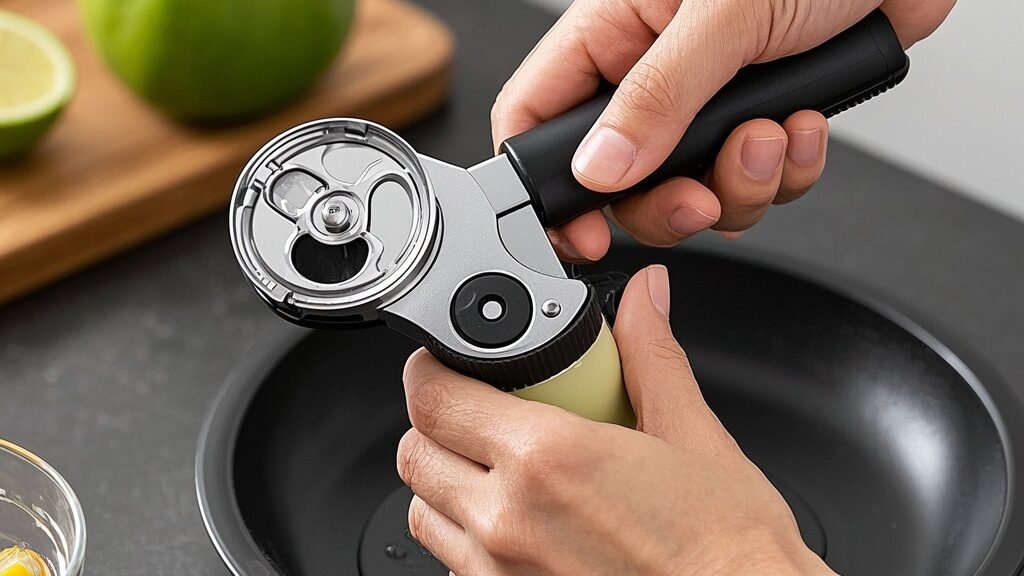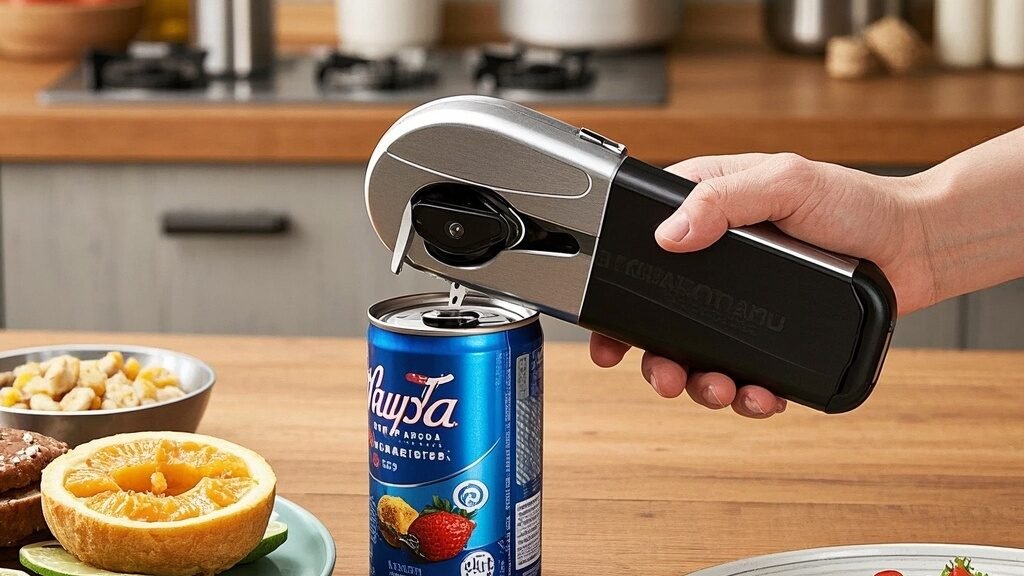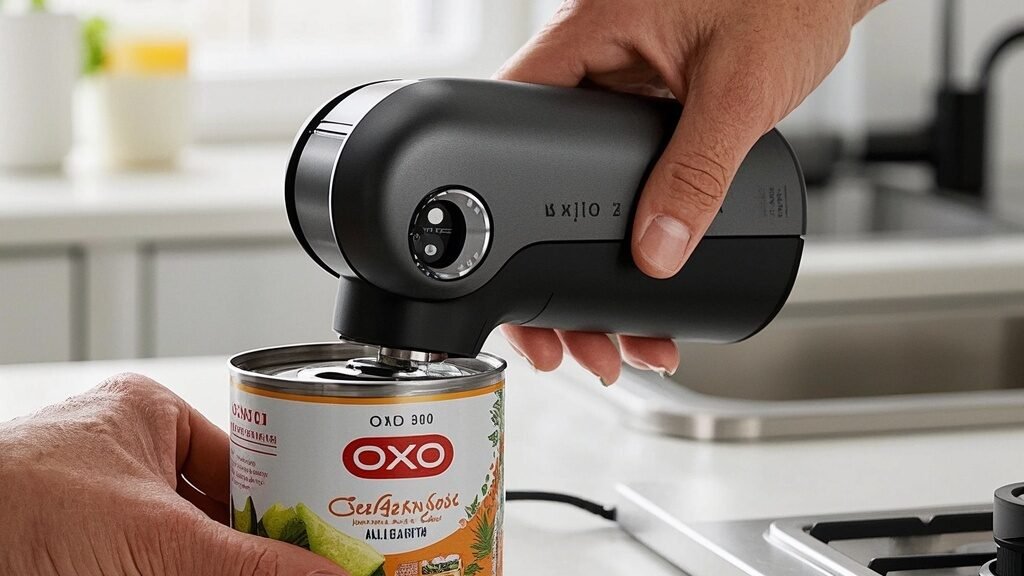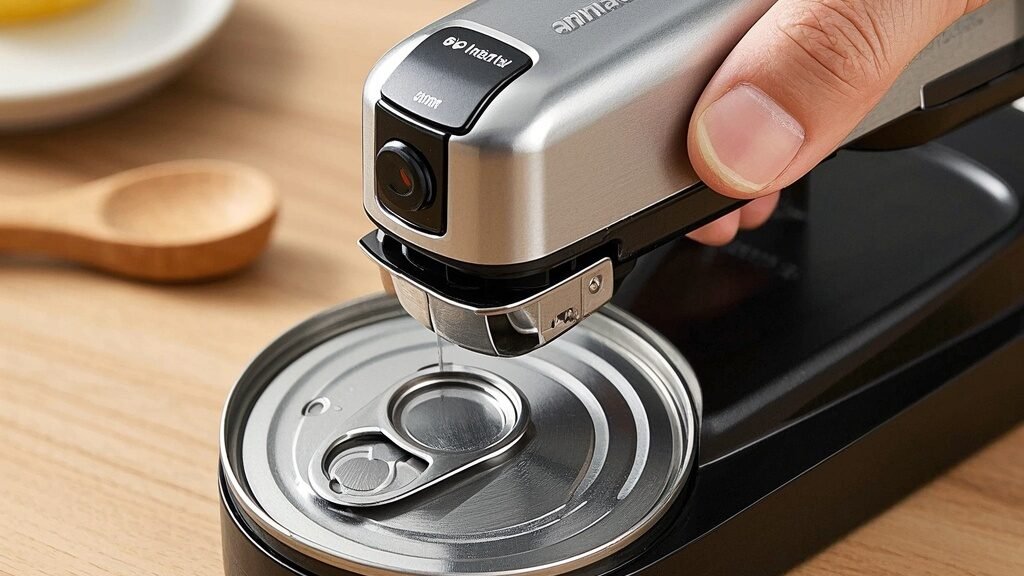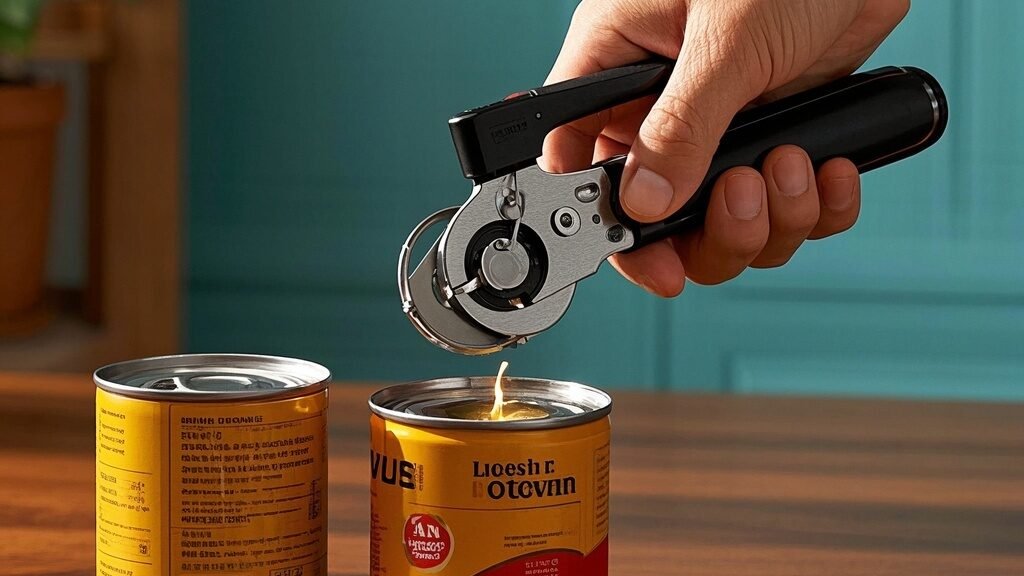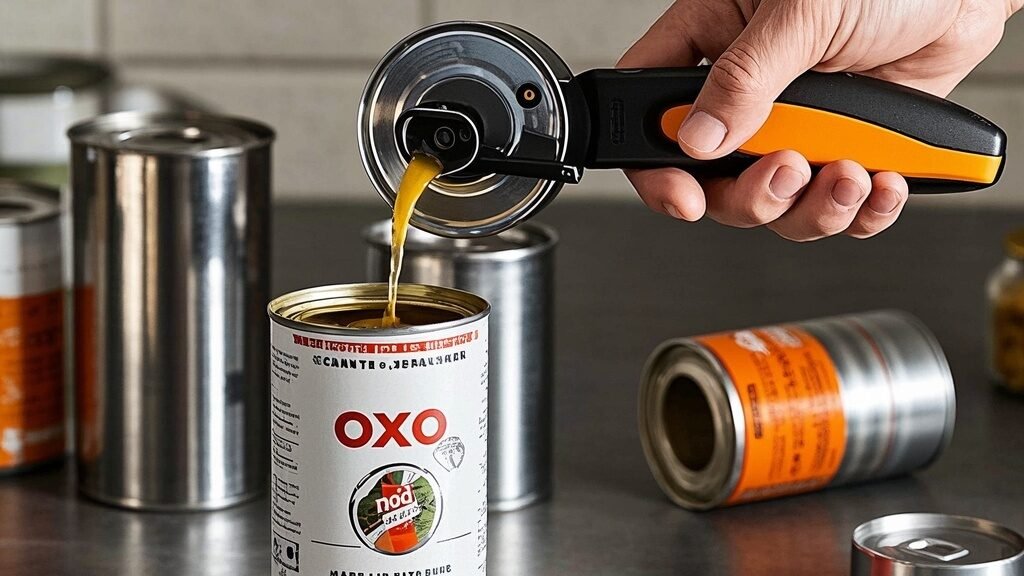
What is the best manual portable can opener for travel?

What is the best manual portable can opener for travel?

Imagine this: you’re finally at that dreamy, remote campsite or settling into a cozy vacation rental. You’ve planned the perfect meal, only to realize the kitchen lacks one crucial tool. The can of beans or emergency soup sits there, a shiny, impenetrable fortress. Power is out or non-existent, and your trusty electric opener is miles away. This minor hiccup can deflate the moment. It’s in these precise scenarios that a humble hero emerges—the manual portable can opener. But not all are created equal for life on the go. Finding the best manual portable can opener for travel isn’t about settling for any pocket-sized gadget; it’s about unlocking reliability, ease, and packability when you’re far from home.

Key Features to Demand from Your Travel Companion

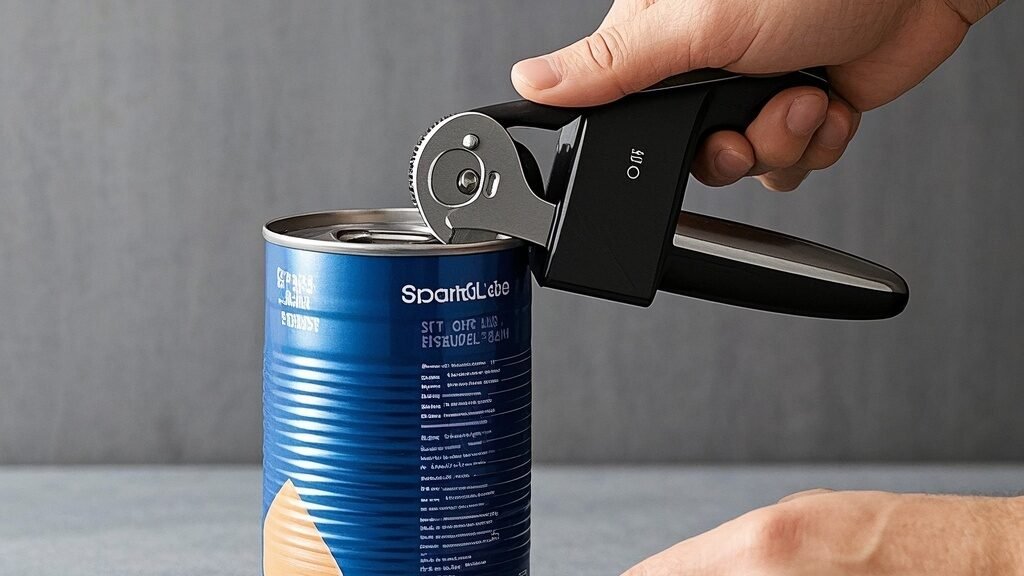
When space is premium and every ounce counts, your can opener must earn its place in your bag. First and foremost, size and weight are non-negotiable. The ideal candidate is compact, often folding into itself to avoid snagging on other gear, and lightweight enough that you’ll forget it’s there until you need it. Durability is next. It should withstand being tossed in a drawer, backpack, or glove box without breaking. Look for sturdy materials like stainless steel or robust aluminum alloys. The opening mechanism is also critical. A smooth, consistent gear action that requires minimal hand strength is far superior to a clunky, jerky motion that turns opening a can into an upper-body workout. Finally, consider ease of cleaning. Travel often means limited washing facilities, … Read the rest
Are there manual can openers with non-slip handles?

Are there manual can openers with non-slip handles?

Picture this: it’s dinnertime, and you’re rushing to get a meal on the table. You grab a can of tomatoes, only to find your trusty manual can opener has, once again, left your palms aching and your grip slipping with every awkward turn. The frustration is real—a simple task made needlessly difficult by a tool that seems to fight against you. This common kitchen annoyance highlights a critical, yet often overlooked, detail in tool design: grip. Are there manual can openers with non-slip handles? The answer is a resounding yes, and their existence transforms a mundane chore into an exercise in effortless control. Moving beyond the basic, slippery metal handles of traditional models, a new generation of openers prioritizes ergonomics and safety, directly addressing the pain points of everyday users.

The Evolution of Grip: More Than Just Rubber

The journey from the classic, all-metal opener to today’s ergonomic models is a lesson in user-centered design. Early openers focused purely on the cutting mechanism, treating the handles as an afterthought—often just two thin, cold, and smooth metal loops. The innovation of non-slip handles began with simple rubber or thermoplastic elastomer (TPE) sleeves. These provided a basic improvement, but the evolution didn’t stop there. Modern designs incorporate deeply contoured, soft-touch grips that conform to the shape of your hand. Some feature wide, palm-fitting handles that distribute pressure, while others have textured, finger-indented patterns that lock your hand in place. This isn’t just about adding rubber; it’s about engineering handles that actively work with your … Read the rest

Are left handed can openers ergonomically designed?

Are left handed can openers ergonomically designed?

Imagine this familiar kitchen struggle: you’re holding a can, ready to prepare a quick meal, but the opener in your hand just won’t cooperate. It slips, requires awkward wrist contortions, and turns a simple task into a minor battle. For the roughly 10% of the population that is left-handed, this isn’t an occasional nuisance—it’s a frequent reality with a tool most take for granted. The core issue often lies in a fundamental design oversight. This brings us to a critical question: are left-handed can openers truly ergonomically designed, or are they merely mirrored versions of right-handed tools? True ergonomics goes beyond simple reversal; it involves thoughtful engineering that reduces strain, improves comfort, and aligns with natural movement. Fortunately, the market is evolving, offering specialized tools that finally acknowledge the left-handed user’s needs.

The Ergonomic Challenge for Left-Handed Users
Traditional can openers are predominantly designed for right-handed operation. They are typically mounted on the right side of the can and require a clockwise turning motion that feels intuitive for right-handers but is awkward and inefficient for lefties. Using such a tool forces left-handed individuals to adopt an unnatural grip, often leading to wrist strain, reduced control, and a higher risk of slippage or incomplete cuts. Ergonomics, by definition, aims to optimize human well-being and system performance. Therefore, a genuinely ergonomic left-handed can opener must address these specific pain points. It’s not just about flipping the design; it involves rethinking the grip, the turning mechanism (often counterclockwise for left-handed models), and the force distribution to … Read the rest

Are there electric can openers that work with one hand?

Are there electric can openers that work with one hand?

You’re in the middle of cooking dinner, one hand holding a simmering pot, the other possibly steadying a wobbly toddler or simply tangled in a kitchen towel. The recipe calls for a can of tomatoes, and the thought of wrestling with a manual opener—jabbing, twisting, and straining—feels like a monumental, two-handed chore. In these moments, the promise of kitchen technology feels most tangible: a tool that simply works. This is where a very specific question emerges from the chaos of daily life: Are there electric can openers that work with one hand? The answer is a resounding yes, and they represent more than just a convenience; they are a meaningful step toward universal design and reclaiming a slice of independence in the kitchen.

The Mechanics of One-Handed Operation

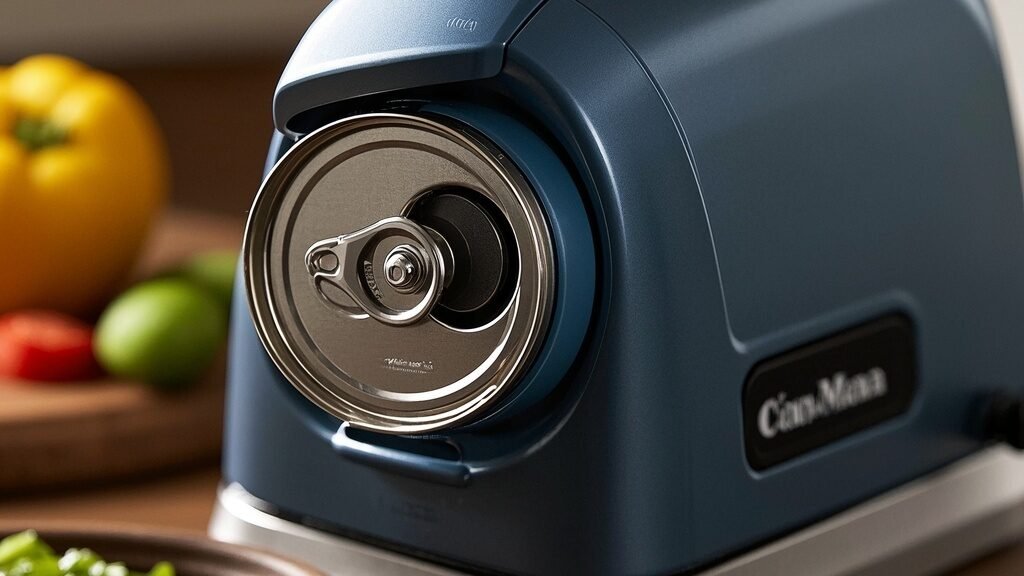
Let’s clarify what “one-handed operation” truly means for an electric can opener. It isn’t about a magical, touch-free device (though some modern designs come close). Typically, it involves a hands-free or automatic feeding mechanism. You place the can onto a magnetic lid holder or a geared wheel, press a lever or button with a single finger, and the machine does the rest: it grips the can, pierces the lid, rotates it cleanly around the rim, and stops automatically. Your one hand is only needed for placement and initiation. Some advanced models, like the Hamilton Beach Smooth Touch Can Opener, even feature a side-cutting design that leaves no sharp edges and uses a simple “push-down” action to start, eliminating the need to … Read the rest

Is the best can opener also the most expensive?

Is the best can opener also the most expensive?

Imagine standing in your kitchen, staring at a wall of gleaming, high-end gadgets, each promising to revolutionize your cooking. The sleek, minimalist electric can opener with a premium price tag catches your eye, whispering promises of effortless luxury. Meanwhile, tucked away on a lower shelf, a simple, sturdy manual opener sits quietly, its design unchanged for decades and its cost a mere fraction. This common kitchen dilemma forces us to question a deeply held belief about consumer goods: does a higher price inherently buy you a better tool? When it comes to the humble can opener, the answer is far more nuanced than a simple yes or no. The quest to find the best can opener often leads us past the price tag and into the practical realities of durability, ease of use, and personal need.

Performance and Real-World Use Trump Price

A can opener’s primary job is simple: cleanly, safely, and reliably open cans. Extensive testing and user reviews consistently reveal that the most expensive model is not always the top performer. In fact, many top-rated and best-selling openers are mid-range or even budget-friendly manual models. Their effectiveness comes from thoughtful design—like sharp, high-carbon steel blades that cut smoothly, oversized knobs for comfortable grip, and robust all-steel construction that withstands years of use. For instance, some highly-rated commercial-grade manual openers, while sturdy, are not the most expensive options on the market. They excel because they are built for heavy-duty, frequent use in kitchens where reliability is non-negotiable. Conversely, a high-priced … Read the rest

Can smooth edge can openers open thick-walled cans?

Can Smooth Edge Can Openers Open Thick-Walled Cans?

You’re staring at a premium can of whole tomatoes or a sturdy container of broth, the kind with noticeably thicker, heavier steel. Your old can opener struggles, leaving jagged edges and strained metal. You’ve heard about smooth edge (or safety edge) can openers that cut the side seam, leaving a perfectly smooth lid and no sharp edges. They seem elegant and safe, perfect for your kitchen upgrade. But a practical, nagging question holds you back: can this sleek-looking tool handle the real heavyweight champions in your pantry? The direct answer is yes, a quality smooth edge can opener is fully capable of opening thick-walled cans, but its performance hinges on specific engineering and your technique.

The Mechanics Behind the Power

First, let’s demystify how these openers work. Unlike traditional openers that pierce and shear through the lid from above, smooth edge models use a different principle. They have a primary drive wheel that grips the can’s underside rim and a cutting wheel that precisely rolls and separates the lid from the body at the seam—the thinnest and weakest point of any can, regardless of wall thickness. This is the key. According to manufacturers, this focused cutting action requires less brute force and more consistent, applied pressure. Think of it like using a precision seam ripper on tough fabric versus trying to tear it apart. The force is concentrated exactly where it needs to be. High-quality models feature hardened steel or ceramic cutting wheels, robust gears, and stable, often wider, turning knobs … Read the rest

Are battery-powered can openers better for arthritis?

Are battery-powered can openers better for arthritis?

Imagine facing a simple can of soup for dinner, but the thought of wrestling with a manual opener sends a jolt of pain through your hands and wrists. This daily frustration is a reality for millions living with arthritis, where diminished grip strength and joint pain turn basic kitchen tasks into daunting challenges. In this search for kitchen independence, the question arises: could switching to a battery-powered tool make a tangible difference? Specifically, are battery-powered can openers genuinely better for managing arthritis? The answer extends beyond mere convenience, touching on ergonomics, safety, and reclaiming ease in daily living.

How Arthritis Affects Kitchen Tasks

Arthritis, particularly osteoarthritis and rheumatoid arthritis, often targets the hands and wrists. Key symptoms like joint stiffness, swelling, and reduced grip strength directly conflict with the mechanics of a traditional can opener. These devices require significant downward pressure, a firm twisting grip, and precise wrist rotation—all actions that can exacerbate pain and fatigue. For many, the effort leads to abandoned meals or reliance on others, subtly chipping away at independence. This makes the kitchen a primary battleground where assistive tools can have an outsized impact on quality of life.

The Ergonomic Advantages of Battery-Powered Openers

This is where battery-operated can openers shift the paradigm. Their core benefit is the drastic reduction of physical exertion. Instead of forceful twisting, operation typically involves placing the opener on a can and pressing a single, often large, button. The motor does all the work, rotating the cutter around the rim automatically and hands-free. This … Read the rest

Are there can openers for seniors with large buttons?

Are there can openers for seniors with large buttons?

Imagine standing in your kitchen, holding a can of soup you’d love for lunch. Your hands, perhaps stiff from arthritis or simply not as strong as they once were, struggle to grip the small, slippery knob of a traditional can opener. The frustration builds—a simple task becomes a barrier to independence. This daily challenge faced by many seniors and individuals with limited hand strength is precisely why the kitchen tool industry has responded with innovative solutions. The answer is a resounding yes: can openers designed specifically for seniors with large, easy-to-use buttons and handles are not only available but are evolving to be more effective and safer than ever.

The Evolution of Assistive Kitchen Tools

Gone are the days when adaptive tools were purely medical and utilitarian. Today, they represent a fusion of universal design principles and consumer-friendly aesthetics. The trend towards aging-in-place and maintaining independence at home has driven demand for products that are both highly functional and seamlessly integrated into modern kitchens. Can openers, a staple in most households, have been at the forefront of this shift. Manufacturers now prioritize features that reduce the need for grip strength, dexterity, and sustained force. This means moving beyond just larger buttons to comprehensive ergonomic designs—contoured handles that distribute pressure, locking mechanisms for stability, and automated operations that eliminate twisting altogether. These advancements transform a potentially painful chore into a simple, one-step process, empowering users to prepare meals with confidence and ease.

Key Features to Look For: Beyond Just Size

When searching … Read the rest

Do automatic can openers have a magnet to hold the lid?

Do automatic can openers have a magnet to hold the lid?

Imagine this: you’ve just used your sleek, new electric can opener. It whirred smoothly, cutting a perfect seam around the tomato can. But as the final click sounds, the severed lid drops—not into the waiting grip of the machine, but straight into the savory sauce below, sending a splash of red across your counter and your shirt. A chorus of groans echoes in kitchens everywhere, turning a moment of convenience into a messy cleanup. This common frustration leads directly to a pivotal design question that separates basic models from truly thoughtful kitchen tools. Indeed, the presence and function of a magnet to hold the lid is a small but critical feature that defines the modern automatic can opener experience. It’s not just about opening the can; it’s about mastering the entire process from start to finish.

The Magnet Mechanism: More Than a Simple Attachment

So, do they have one? The answer is: it depends on the model. This isn’t a universal standard. Many mid-range to high-end automatic can openers incorporate a small but strong neodymium magnet in the cutting assembly. The principle is straightforward: as the cutter wheel completes its revolution and severs the lid, the magnet, positioned nearby, captures and holds the metal lid firmly in place. This keeps it from falling into the food or onto the counter. It’s a brilliantly simple solution to a messy problem. However, it’s crucial to check product specifications or reviews before purchasing, as many budget-friendly or older automatic openers lack this … Read the rest

Is a battery-powered can opener easier to use than electric?

Is a battery-powered can opener easier to use than electric?

Picture this: you’re in the middle of preparing a quick weeknight dinner, a can of tomatoes in one hand, and you reach for the electric can opener plugged in by the counter. It whirs to life, then sputters and stops—the motor’s burnt out, or perhaps the cord is just frustratingly short, leaving you awkwardly maneuvering the appliance. In moments like these, the humble kitchen gadget question transforms from a minor curiosity into a real-world dilemma. The quest for genuine convenience in our daily tools often leads us past the obvious choices. When it comes to liberating the contents of a tin, the debate between a battery-powered can opener and its electric cousin is more nuanced than it appears, touching on portability, reliability, and the very definition of “easy.”

Defining “Easy”: More Than Just Push-Button

When we call a tool “easy to use,” we’re often bundling a set of expectations: it should be quick, require minimal physical effort, and work reliably without fuss. The traditional electric can opener excels at the first two. You place the can, press a lever, and the machine does the work, delivering a consistent, hands-off operation. Its primary limitation is its tether—the power cord dictates where you can use it, usually right next to an outlet. This makes it a stationary fixture. A battery-powered model, by its very design, redefines “easy” by eliminating that cord. It offers the same motorized assistance but with complete portability. You can use it on any kitchen surface, take it to … Read the rest