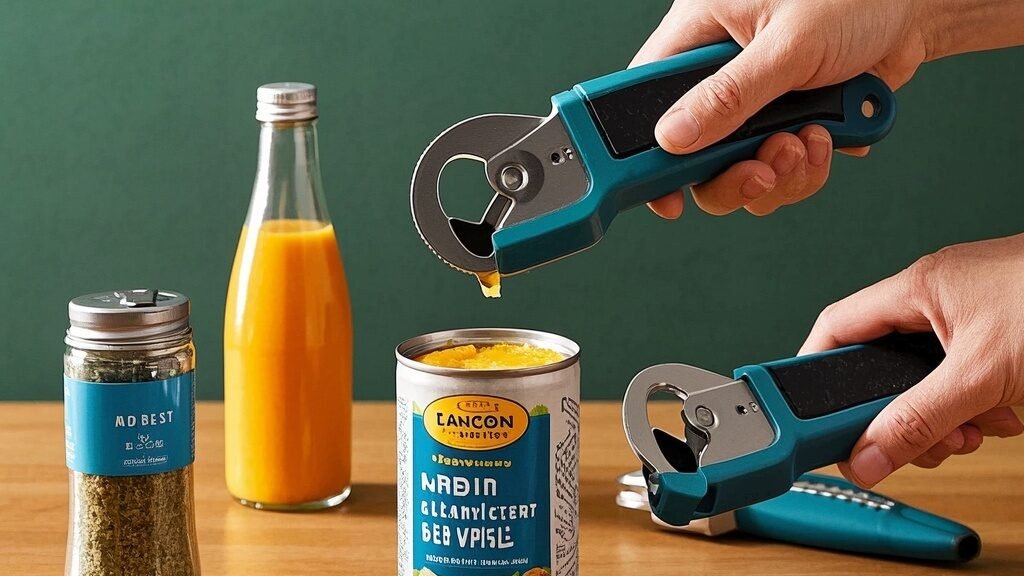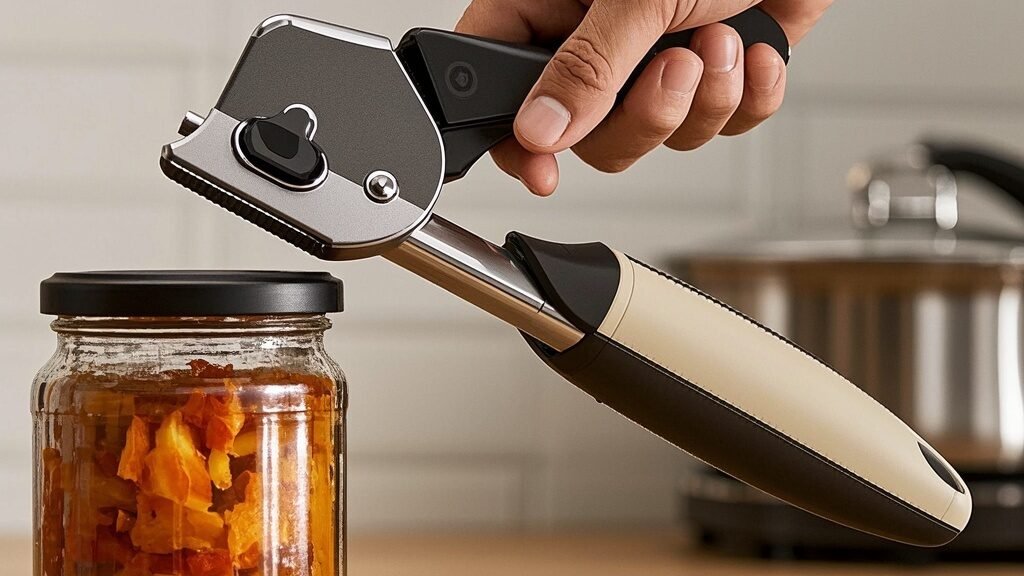
What material is used for ergonomic can opener handles?

What material is used for ergonomic can opener handles?

Imagine this: it’s dinnertime, you’re rushing to get a meal on the table, and your hand starts cramping as you struggle with a stubborn can. That familiar ache in your palm or the slipping grip isn’t just annoying—it’s a sign that your tool isn’t working with you. This common kitchen frustration highlights why the choice of material for an ergonomic can opener handle is more than a minor detail; it’s the difference between a chore and a seamless experience. The right handle material directly tackles these pain points, offering comfort, control, and safety. Today, ergonomic handles are designed from specific materials to transform this basic task, prioritizing user comfort and accessibility for everyone, from busy home cooks to individuals with arthritis or reduced hand strength.

The Core Trio: Plastics, Rubber, and Soft-Touch Coatings

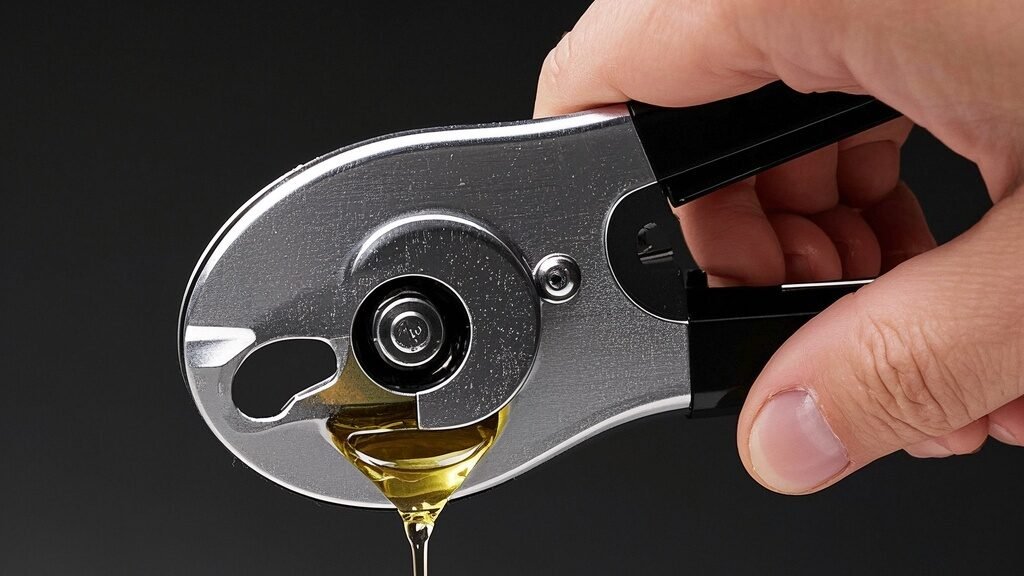
When you pick up a modern ergonomic can opener, the comfort you feel is usually the result of a strategic combination of materials. The most common foundation is a durable plastic or nylon handle. These materials are favored because they are inherently lightweight, which reduces hand fatigue during use, and they are easy to clean and resistant to corrosion. However, plastic alone can be slippery. This is where the second critical component comes in: a soft-touch overmold or a rubberized coating.

This layer is often made from thermoplastic elastomers (TPE) or similar soft, flexible compounds. It is bonded over the plastic core to create a non-slip, cushioned grip. This textured, slightly soft surface increases friction, ensuring the tool … Read the rest

How to mount a heavy duty can opener to the counter?

How to mount a heavy duty can opener to the counter?

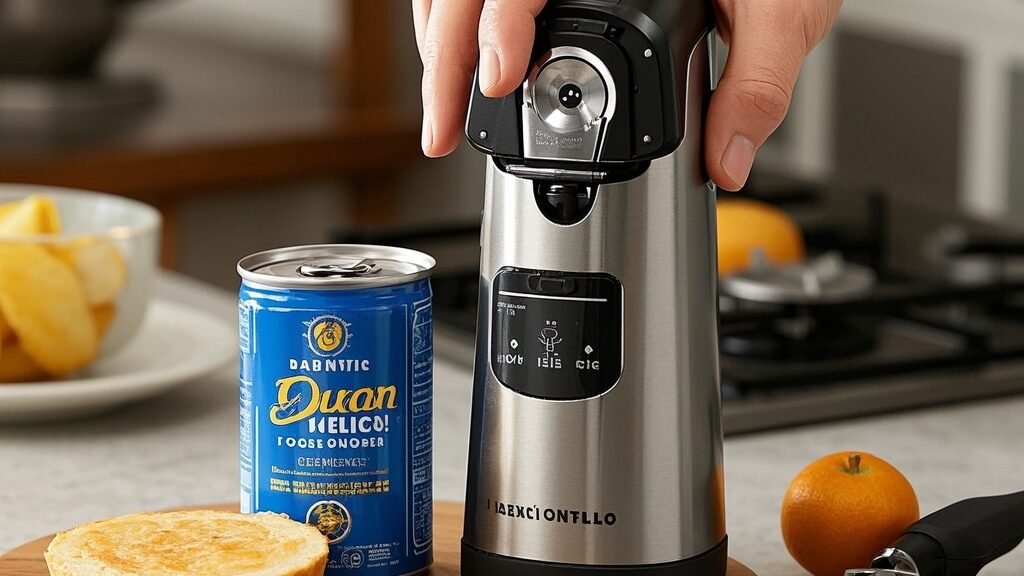
Imagine you’ve finally found it—the indestructible, commercial-grade can opener that laughs in the face of pull-tabs and stubborn lids. You picture effortless meal prep, no more wrist strain, and a kitchen tool that might just outlive you. But then the box arrives, and you’re holding a hunk of gleaming metal with a ominous-looking base plate and a bag of bolts. Suddenly, the dream hits a very literal wall: your pristine countertop. Drilling into it feels as appealing as a root canal. This moment of hesitation, where a powerful tool meets the fear of permanent installation, is where most heavy-duty can openers go from game-changer to garage-sale item. But securing this powerhouse doesn’t require a contractor or a degree in engineering. With the right approach, mounting a heavy duty can opener to the counter becomes a straightforward weekend project that unlocks years of seamless utility.

Gathering Your Tools and Prepping the Space

First, silence the panic. You’re not building a deck; you’re making a very secure, very purposeful connection. Start by consulting the manufacturer’s manual—it’s your blueprint. Typically, you’ll need a power drill, specific drill bits (often masonry for tile or standard for laminate/wood), a screwdriver, the provided mounting hardware, and maybe a pencil and tape measure. The star of the show is often a strong adhesive or a specialized mounting bracket. Now, play a game of countertop detective. What’s your surface made of? A thick granite or quartz slab behaves differently than laminate over particleboard or a stainless steel … Read the rest

Is a side-cutting can opener better than a top-cutting one?

Is a side-cutting can opener better than a top-cutting one?

Imagine reaching for a can of soup on a busy weeknight, only to wrestle with a stubborn opener that leaves a jagged, dangerous lid and spills precious broth all over the counter. This common kitchen frustration lies at the heart of a quiet but significant debate: the choice between a side-cutting and a top-cutting can opener. While both aim to grant access to your pantry staples, their approaches—and outcomes—differ dramatically, influencing safety, convenience, and even food preservation. Understanding these differences is key to transforming a mundane task into a seamless kitchen experience.

How They Work: A Tale of Two Mechanisms

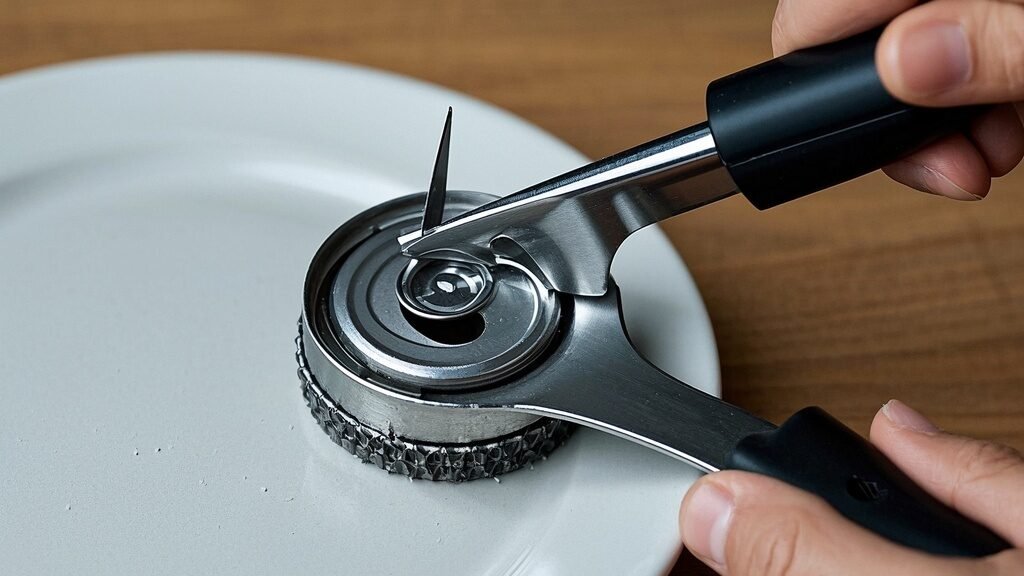
Fundamentally, the distinction lies in where the cutting happens. A traditional top-cutting can opener, often the classic manual type with a turning knob, pierces and cuts through the lid itself from above. It essentially removes the entire top of the can. In contrast, a side-cutting can opener (sometimes called a smooth-edge or under-the-rim opener) operates by clamping onto the side of the can and cutting through the outer rim, just below the lid. This action cleanly separates the lid from the can’s body while leaving the lid’s top surface completely intact. Think of it as the difference between cutting a cake from the top versus neatly slicing around its base to lift the slice out.

Safety and Cleanliness: The Clear Edge

When it comes to safety and maintaining a clean kitchen, side-cutting openers generally hold a significant advantage. The traditional top-cutting method often leaves behind a sharp, serrated edge on … Read the rest

Which quiet electric can opener has the best reviews?

Which quiet electric can opener has the best reviews?

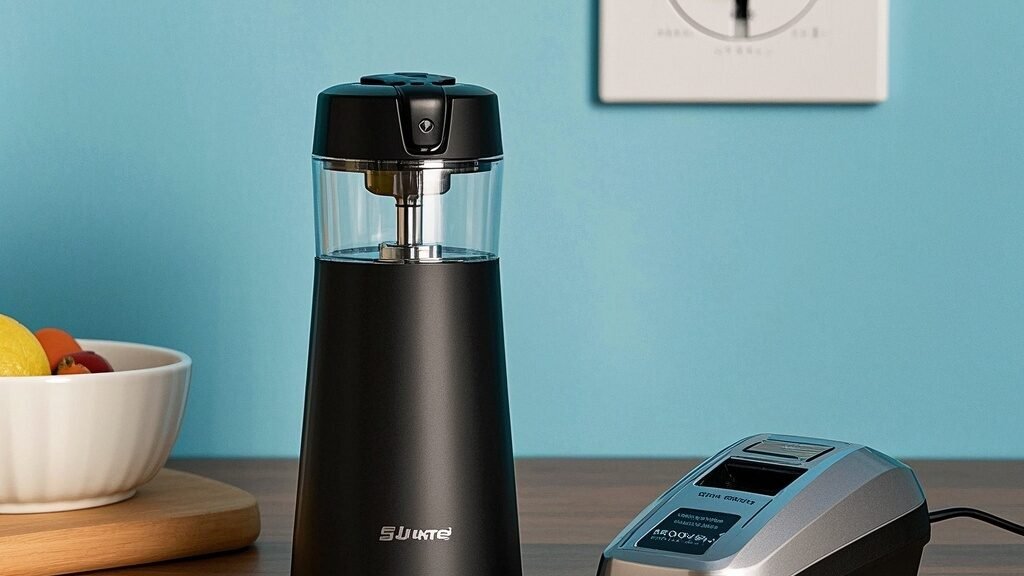
Let’s face it, the kitchen symphony isn’t always a pleasant one. Between the blender’s roar, the mixer’s whir, and the dreaded, grating screech of a manual can opener, meal prep can feel more like an industrial job than a peaceful ritual. For those seeking a quieter kitchen, perhaps early in the morning or late at night, or for anyone sensitive to jarring noises, finding a truly quiet electric can opener becomes a specific and meaningful quest. The answer often feels buried in a sea of online opinions. So, which quiet electric can opener has the best reviews? Diving into thousands of user testimonials and expert analyses reveals a clear frontrunner, but also some important nuances about what “quiet” and “best” really mean in this humble yet essential category.

The Frontrunner: Consistent Praise for Cuisinart

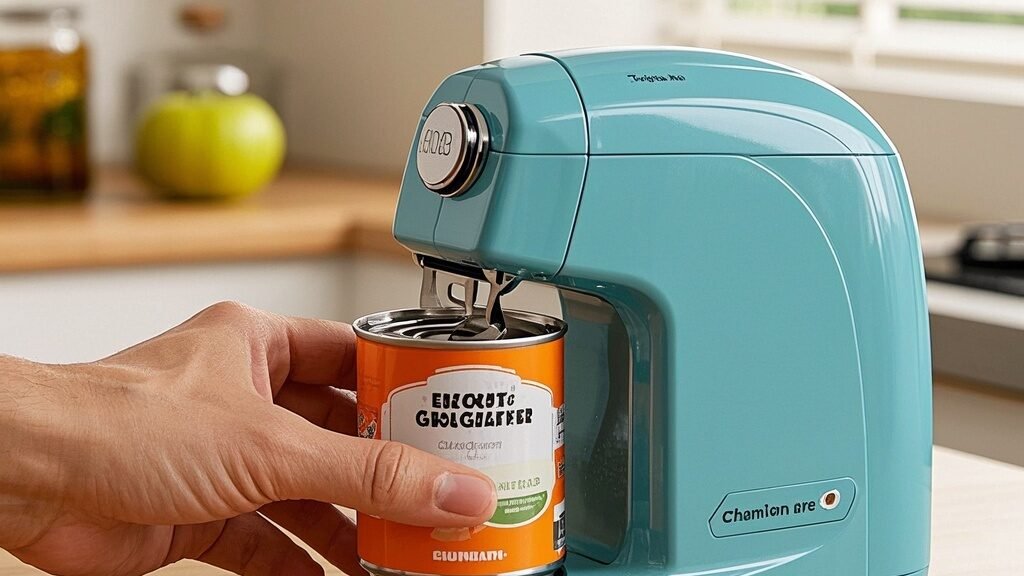
When aggregating reviews from major retailers, independent review sites, and consumer forums, one model consistently rises to the top for its combination of quiet operation and overall reliability: the Cuisinart Deluxe Electric Can Opener. Its reputation isn’t built on being whisper-silent—no motorized opener truly is—but on being significantly and noticeably quieter than the grating, grinding alternatives. Reviewers frequently use words like “smooth,” “low hum,” and “gentle” to describe its sound profile. Beyond the decibel level, it earns high marks for its sturdy build, the “hands-free” operation that lifts the lid away automatically, and its sleek design that doesn’t look like an appliance from a previous decade. The primary critique in otherwise glowing reviews tends to be … Read the rest

Do battery powered can openers make noise?

Do battery powered can openers make noise?

Picture a hectic Tuesday evening. You’re trying to get dinner on the table, wrestling with a stubborn manual can opener that’s leaving jagged edges on the lid. Your wrist aches, the dog is barking, and a headache is brewing. In this moment of minor chaos, the promise of a simple, automated solution is incredibly appealing. This is the exact scenario that pushes many to consider a modern kitchen helper: the battery powered can opener. But a practical question often gives people pause before purchasing one. In a world where we increasingly value quiet appliances—from silent blenders to noiseless dishwashers—it’s natural to wonder about the auditory footprint of these devices. Do battery powered can openers make noise? The short answer is yes, but the nature, level, and impact of that noise tell a more nuanced story about their place in your kitchen.

The Mechanics Behind the Hum

To understand the noise, you need to know what’s happening inside. Unlike a manual opener where *you* provide the grinding force, a battery-powered model uses a small, built-in electric motor. When you press the button or lever, this motor engages. It performs two main actions: it magnetically secures the can lid, and it drives a cutting wheel around the can’s rim. The sound you hear is primarily the whirring of this motor combined with the grinding friction of the cutter against the metal. According to manufacturers, most models operate between 65 and 75 decibels during use. For context, that’s louder than a normal conversation (about 60 … Read the rest

Do electric can openers come with a built-in bottle opener?

Do electric can openers come with a built-in bottle opener?

Picture your kitchen drawer. It’s likely a jumble of single-purpose gadgets—a can opener here, a bottle opener there, perhaps a knife sharpener rattling around in the back. In our quest for convenience, we’ve often created clutter. Now, imagine streamlining that with one countertop appliance that tackles multiple tasks. This shift towards multi-functional kitchen tools isn’t just a passing trend; it’s a response to the modern desire for efficiency and minimalist design. And at the heart of this movement lies a practical question about a common tool: do electric can openers come with a built-in bottle opener? The answer is a resounding yes for many modern models, transforming them from a niche tool into a versatile kitchen companion.

The Rise of the Multi-Tasker

Gone are the days when an electric can opener’s sole job was to, well, open cans. Today’s leading models are frequently designed as compact kitchen stations. It’s common to find electric can openers that integrate a bottle opener and a knife sharpener into a single unit. This design philosophy addresses a real need for space-saving solutions without sacrificing functionality. For instance, several best-selling and well-reviewed units on the market proudly feature this 3-in-1 capability. They operate on a simple principle: a powerful motor drives a stainless steel blade to cleanly cut around a can’s lid, often with a magnetic holder to safely contain the cut lid. In that same sleek body, a leveraged notch for prying off bottle caps and a slot for honing knife blades are seamlessly … Read the rest

Can a portable travel can opener open all can sizes?

Can a portable travel can opener open all can sizes?

Picture this: you’re on a remote camping trip, miles from the nearest store, or settled into a cozy vacation rental with a kitchen that has… almost everything. You reach for that can of hearty stew or beans, ready for a quick meal, only to realize there’s no can opener in sight. It’s a universal moment of frustration that has launched a thousand items into shopping carts. Portable travel can openers promise a solution, packing the utility of a kitchen essential into a pocket-sized form. But a critical question remains for any savvy traveler or outdoor enthusiast: can these compact heroes truly handle the wide variety of can sizes and types we encounter, from a standard soup can to a petite tuna tin or a large can of tomatoes?

The short answer is: it depends heavily on the type of portable opener you choose. While the ideal of a single, universal tool is appealing, the reality involves trade-offs between size, mechanism, and capability. Understanding these differences is key to ensuring your mini-tool doesn’t let you down when you need it most.

The Mechanics Behind the Miniature Magic

To understand their limitations, it helps to know how they work. Most portable can openers fall into two main categories: manual folding models (like the classic P38 military-style opener or small Japanese-made designs) and compact electric/battery-operated versions.

Manual travel openers, such as the stainless steel Japanese manual opener or the military-style P38, typically work via a punching or piercing mechanism. They are simple, durable, … Read the rest

How many cans can a manual can opener handle per day?

How many cans can a manual can opener handle per day?

Imagine you’re prepping for a large community dinner or stocking the pantry for a busy restaurant service. As you face a towering stack of canned goods, a practical yet often overlooked question surfaces: just how much can your trusty manual can opener really handle before it becomes the bottleneck in your workflow? This isn’t just about opening a single can of soup for dinner; it’s about efficiency, durability, and understanding the limits of a fundamental kitchen tool. The answer to how many cans a manual can opener can handle daily is more nuanced than a simple number—it hinges on a blend of engineering, ergonomics, and real-world use.

Performance and Real-World Use
When assessing daily capacity, it’s crucial to differentiate between theoretical endurance and practical, sustainable use. A well-constructed, heavy-duty manual can opener crafted from solid steel and stainless steel blades is built for resilience. In terms of mechanical capability, such a tool could physically cycle through dozens, even hundreds, of cans in a 24-hour period without immediate failure. However, the primary limiting factor isn’t the tool’s breaking point, but human ergonomics and the purpose of use. For a single household, processing even 10-15 cans in one session would be an unusually high volume, making any quality opener more than sufficient. The design focus for home models is on comfort and ease over extreme endurance, featuring improved handles for grip and smooth operation to reduce hand strain during occasional use.

Factors That Determine Daily Capacity
Several key factors directly influence … Read the rest

How to clean the blade of an electric can opener?

How to clean the blade of an electric can opener?

It sits on your countertop, a humble kitchen workhorse summoned for everything from chili night to impromptu cookie-baking sessions. Over weeks and months of faithful service, a subtle residue builds up—a mix of food particles, microscopic metal shavings, and moisture. You might not notice until one day, the familiar whirr sounds labored, or a faint, unpleasant odor whispers from the mechanism. This isn’t just about aesthetics; a neglected blade compromises performance and hygiene. Proper maintenance is the key, and it all centers on one crucial task: learning how to clean the blade of an electric can opener effectively and safely. It’s a five-minute ritual that extends the life of your appliance, ensures your food’s safety, and restores that smooth, effortless operation you rely on.

Safety First: Unplug and Assess

Before your fingers go anywhere near the cutting assembly, the non-negotiable first step is to unplug the appliance from the wall outlet. This eliminates any risk of accidental activation. Next, take a moment to consult your user manual. Manufacturers design models differently—some allow for partial disassembly for cleaning, while others strictly advise against removing the blade unit. If the manual is long gone (a common scenario), a visual inspection will guide you. Can you see visible screws holding a cutting assembly cover? Does the blade module look like it’s meant to pop out? If anything feels stubborn or requires tools not mentioned in manual instructions, stop. For non-removable blades, your cleaning will be a meticulous “in-place” process. The golden rule is: … Read the rest

Where to buy a left handed can opener?

Where to buy a left handed can opener?

Picture this: you’re in your kitchen, a can of your favorite soup in one hand and a perfectly functional can opener in the other. You clamp it on, start turning the knob, and… it’s awkward. Your wrist bends at a strange angle, the gears seem to fight you, and a simple task becomes a minor battle. For roughly 10% of the population, this isn’t a matter of poor technique; it’s the daily reality of using tools designed for a right-handed world. The quest for a truly comfortable kitchen experience often leads to a surprisingly tricky question: where to buy a left handed can opener that actually works with your natural motion, not against it?

The Hidden Hurdles of a Right-Handed World

Most standard can openers are engineered with a right-handed user in mind. The primary cutting mechanism and the turning knob are positioned for optimal leverage when held and operated with the right hand. When a left-handed person uses it, they often have to use their non-dominant hand to apply the crucial turning force or contort their wrist to operate it “backwards.” This isn’t just about minor inconvenience; it can lead to discomfort, less control, and even difficulty getting a clean cut around the entire lid. The market for specialized left-handed tools has grown significantly, moving beyond novelty items into genuine ergonomic solutions. Finding these tools, however, requires knowing where to look beyond the typical big-box store aisle, where right-handed designs still dominate the shelf space.

Specialty Retailers and Online Marketplaces: Your Read the rest