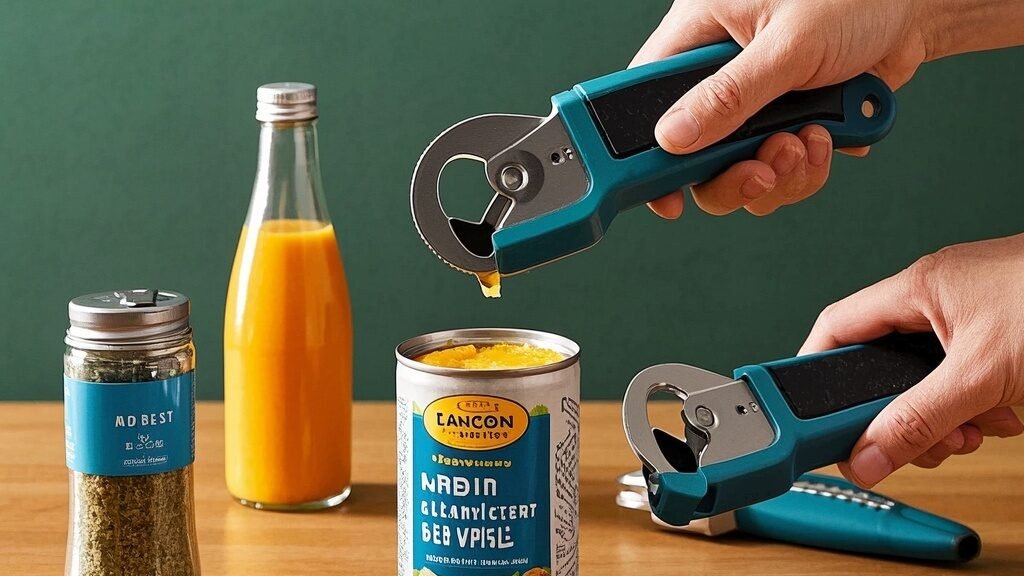
Which can opener requires the least pressure for arthritis?
The simple act of opening a can shouldn’t feel like a battle. For millions living with arthritis, however, the stiffness, pain, and weakened grip in their hands can turn this everyday kitchen task into a source of frustration and even risk. The twisting force required by a traditional can opener isn’t just inconvenient; it can exacerbate joint pain, making independence in the kitchen feel out of reach. This challenge has fueled a quiet revolution in kitchen tool design, shifting the focus from mere functionality to accessibility and ergonomic relief. The quest for the most arthritis-friendly can opener is not about finding the strongest tool, but the smartest one—the design that minimizes pressure and maximizes leverage. Which can opener requires the least pressure for arthritis? The answer lies in a combination of innovative engineering, thoughtful materials, and user-centric features that transform effort into ease.
Key Features that Minimize Effort
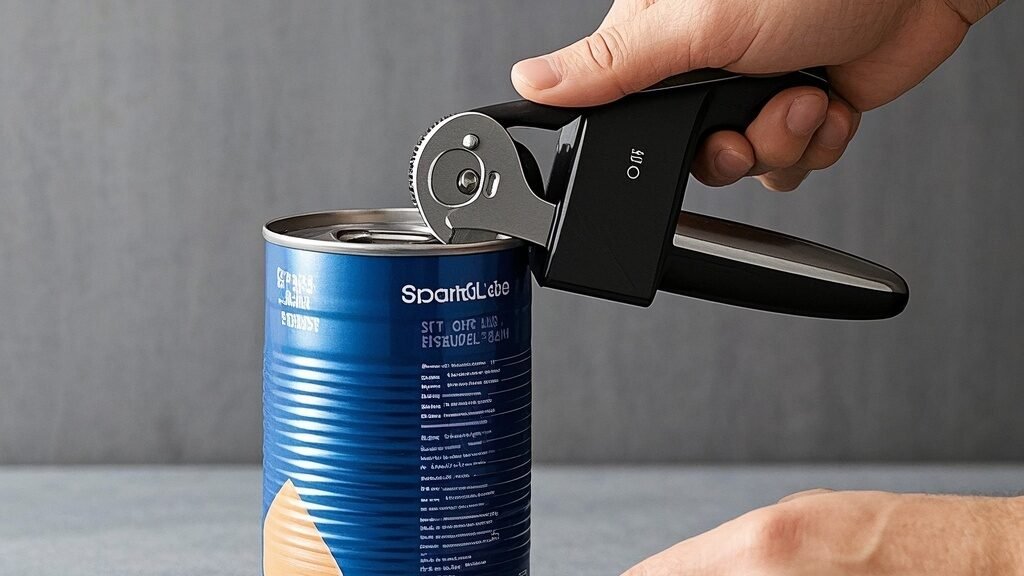
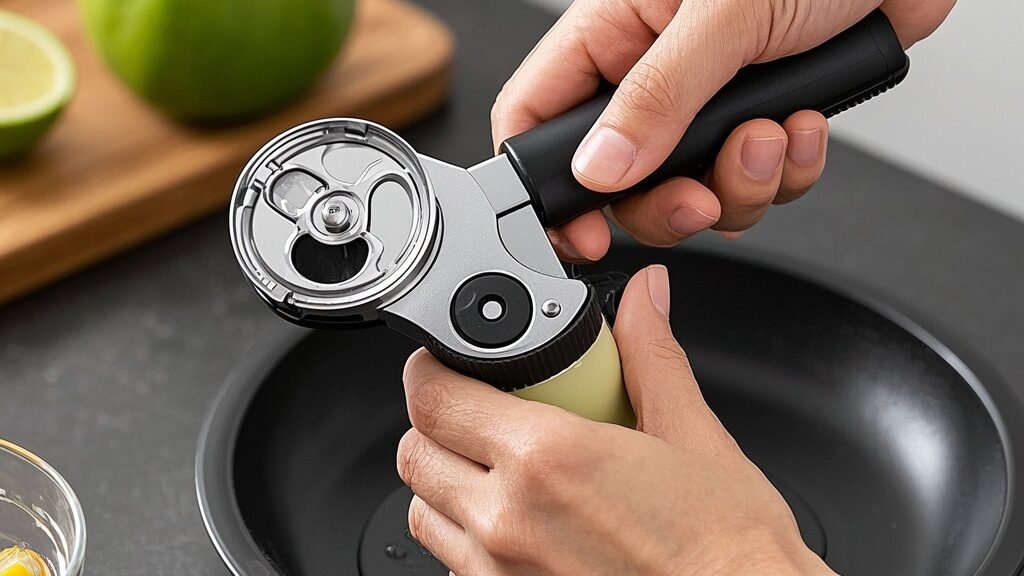
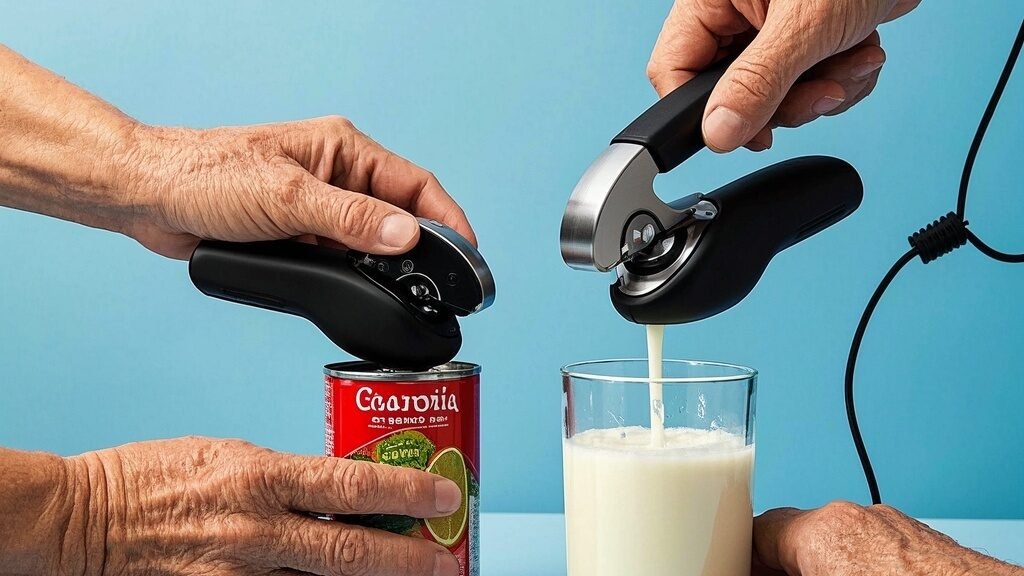
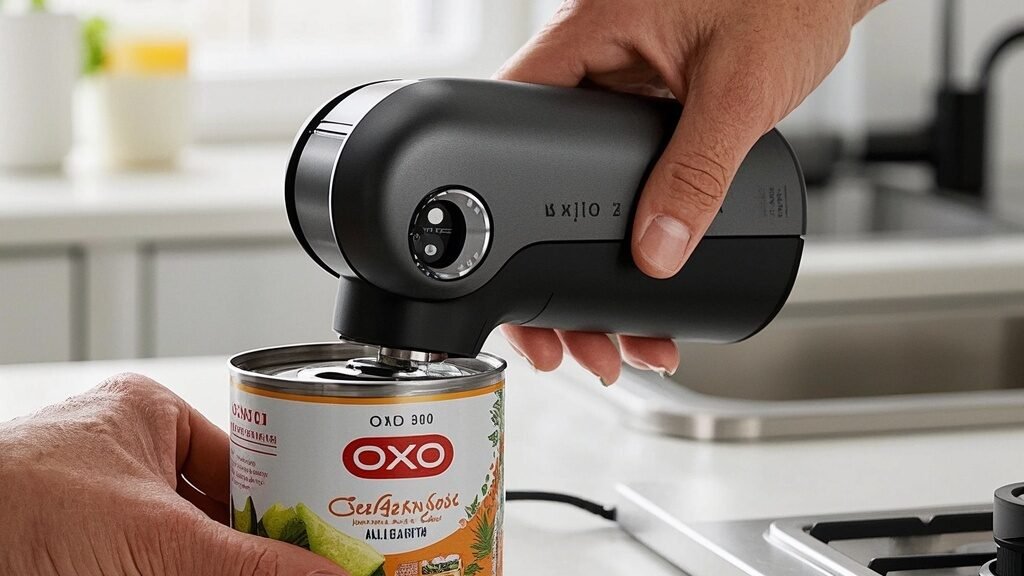
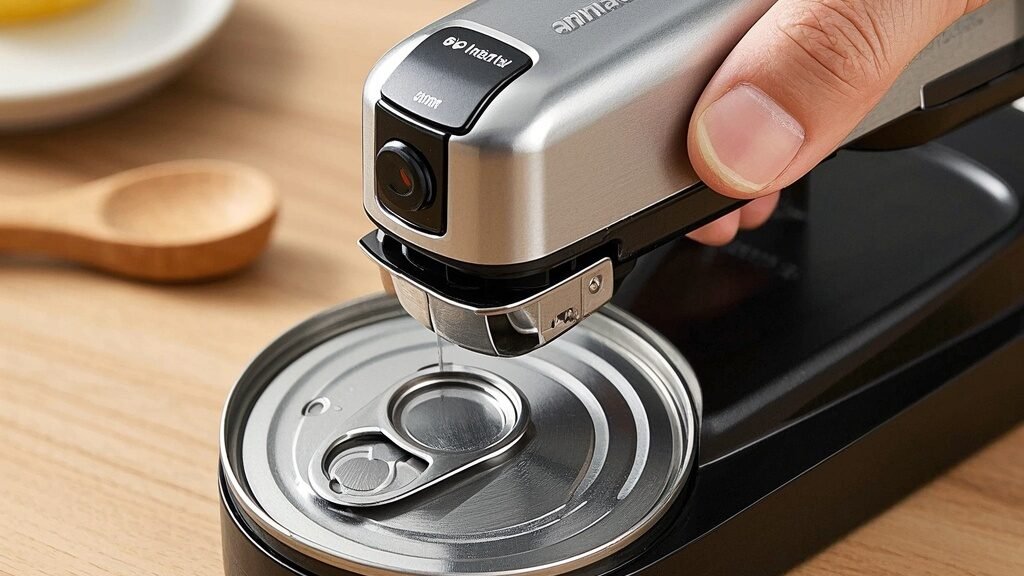
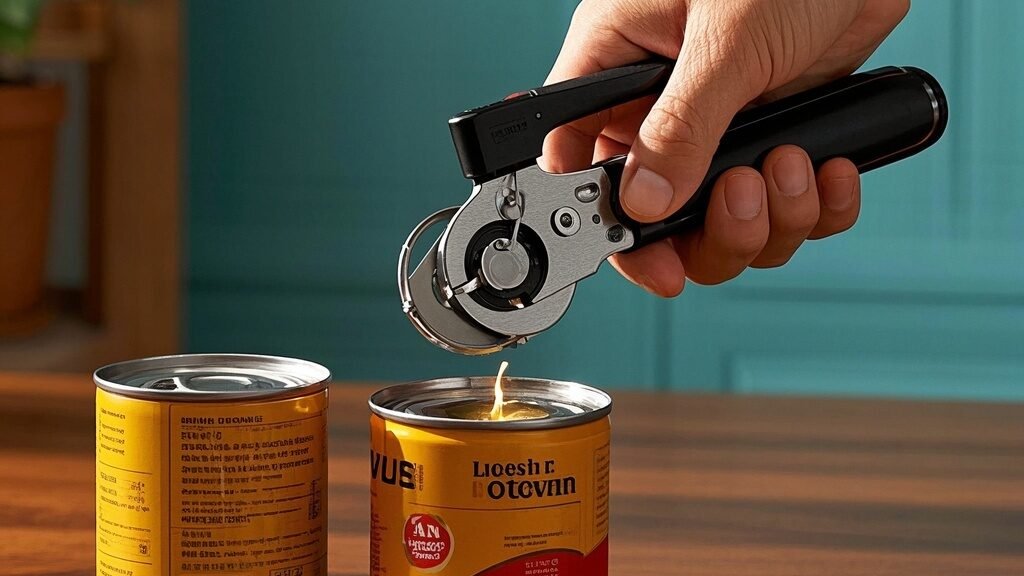
The primary goal of an arthritis-friendly can opener is to reduce the amount of force your hands and wrists must generate. Several design elements work together to achieve this. First, look for Ergonomic Handle Design. Handles with large, soft, non-slip rubber grips are paramount. These contours fit comfortably in the palm, distributing pressure over a wider area instead of concentrating it on painful finger joints. The padding also reduces slippage, meaning you don’t have to squeeze as tightly to maintain control. Many top-rated models feature oversized, easy-to-turn knobs or wings that allow you to use the full strength of your palm or … Read the rest