How to stop an automatic can opener mid-operation?

How to stop an automatic can opener mid-operation?

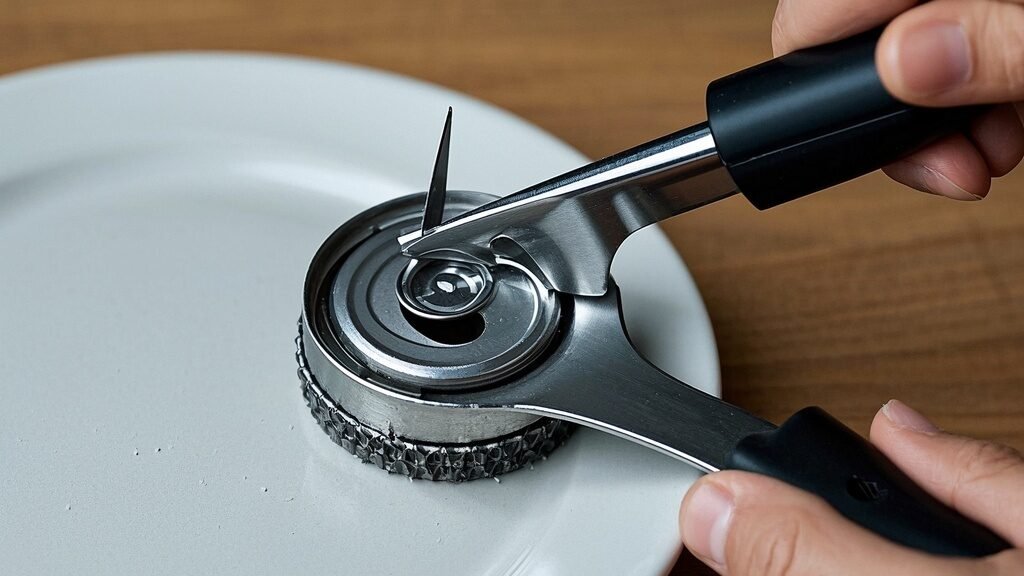
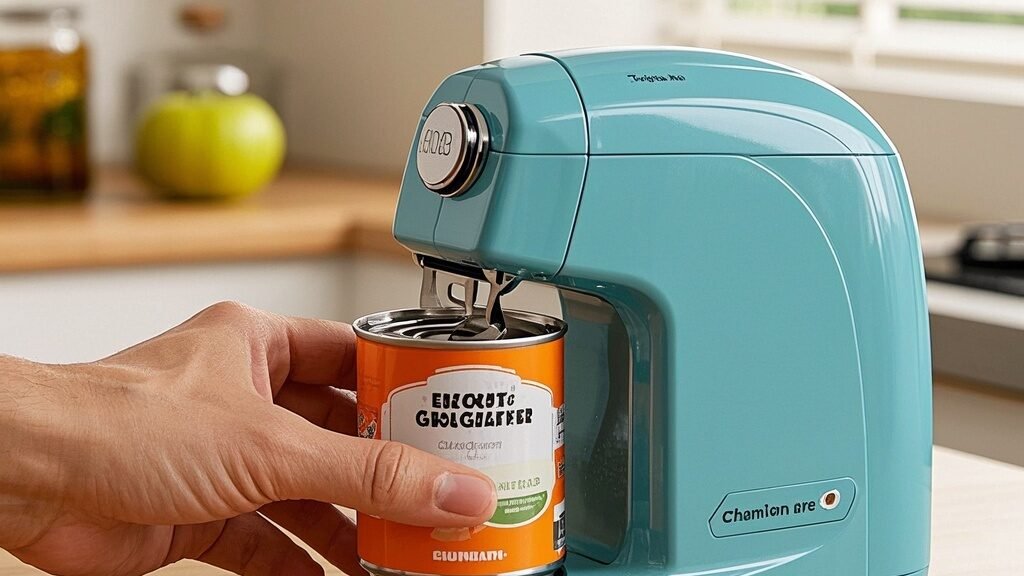
Picture this: the rhythmic whirring of your automatic can opener fills the kitchen as it glides around a can of soup. Suddenly, the phone rings, a child calls out, or you realize you’ve grabbed the wrong can. Your hand instinctively shoots toward the machine, then freezes. Is it safe to just… stop it? That moment of hesitation is more common than you think. We trust these gadgets to handle the sharp edges we avoid, yet their simple “on” and “off” buttons can leave us puzzled during the “in-between.” Knowing how to stop an automatic can opener mid-operation isn’t just about convenience; it’s a small but crucial piece of kitchen safety and control. It transforms the device from a one-track automated tool into an appliance you can confidently command.

Understanding the “Pause” Versus “Reset” Dilemma

First, let’s clarify a key point: most automatic can openers are not designed with a formal “pause” function. Their operation is typically a linear process—once initiated, they aim to complete a full 360-degree rotation. Therefore, stopping mid-operation is usually about emergency interruption, not pausing and resuming. The method varies significantly between models. The most universal and safest first step is to press the “Open” or “Start” button again. Many models treat a second press as a stop command, halting the motor and the cutting wheel. If that doesn’t work, your next move is to lift the cutting mechanism’s lever or arm. This physically disengages the cutter from the can and almost always breaks the magnetic hold and … Read the rest
Can a can opener cut through stainless steel cans?

Can a can opener cut through stainless steel cans?

Imagine this: you’ve finally scored that premium, artisan tomato sauce or exotic coconut milk, the kind packaged in a sleek, sturdy stainless steel can. It promises superior taste and quality. But as you reach for your trusty, old can opener, a nagging doubt creeps in. This container feels different, heavier, more permanent. Your standard opener struggles, skidding off the impossibly hard surface, leaving a jagged, dangerous edge behind. Frustration mounts. This kitchen standoff highlights a common modern dilemma. Can a can opener cut through stainless steel cans? The short, crucial answer is no—but understanding why reveals the surprising engineering and specialized tools needed to conquer today’s packaging.

The Mismatch of Materials and Mechanics

To grasp why your everyday opener fails, you need to understand what it’s designed to do. The classic manual or electric can opener found in most homes is engineered for *tinplate steel*—the standard material for cans holding beans, soups, and sodas. This material has a thin layer of tin coating over mild steel, making it relatively soft and magnetic. Traditional openers work by puncturing the lid with a sharp, rotating cutting wheel and then shearing or rolling the metal along its seam. Stainless steel, however, is a different beast. It’s an alloy containing chromium, which forms an invisible, hard oxide layer that resists corrosion and, importantly, deformation. It’s significantly harder, tougher, and often non-magnetic. The cutting wheel on a standard opener simply cannot get enough purchase or apply sufficient force to penetrate this hardened metal. Instead of cutting, … Read the rest

What is the difference between standard and heavy duty can openers?

What is the difference between standard and heavy duty can openers?

You’re in the middle of meal prep, a line of cans waiting on the counter. The first one—a standard tuna can—yields easily to your trusty, decade-old opener. Next up: a dense can of crushed tomatoes for sauce. You clamp on the same opener, but the handle feels sloppy, the wheel slips, and you’re left wrestling with a half-opened, jagged lid. This common kitchen frustration highlights a decision most of us make without much thought: choosing between a standard and a heavy-duty can opener. While both tools serve the same fundamental purpose, understanding their differences is the key to transforming a daily minor annoyance into an effortless task. The choice between a standard and heavy-duty can opener isn’t about can opening; it’s about matching the tool to your real-life cooking demands and durability expectations.

Construction and Durability: What Are They Made Of?
This is the core divergence. A standard can opener is typically designed for light to moderate, occasional use. Think of it as the reliable compact car of the kitchen drawer. Its construction often involves more plastic components in the body and handles, and the cutting wheel and gear mechanism are made from lighter-gauge or less-hardened metals. They work perfectly well for standard aluminum cans—soups, vegetables, fruits—but are not engineered for sustained stress. Over time, especially when used on tougher steel cans, these components can wear down, leading to a dull cutting wheel or a loose, wobbly handle mechanism.

In contrast, a heavy-duty can opener is built like a … Read the rest

Is a rechargeable battery powered can opener better?

Is a rechargeable battery powered can opener better?

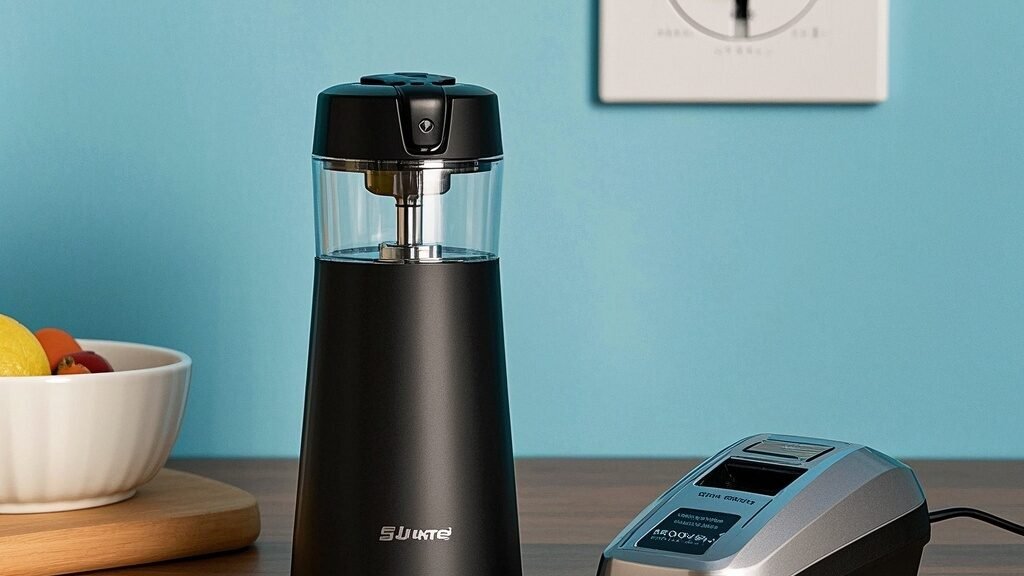
Imagine reaching for a can of soup on a hectic weeknight, only to wrestle with a stubborn manual opener that slips, strains your wrist, and leaves a jagged, dangerous edge. This common kitchen frustration is becoming a relic of the past, thanks to a quiet revolution on our countertops. The shift towards cordless, rechargeable appliances is redefining convenience, and the humble can opener is no exception. This brings us to the core question many are now asking: Is a rechargeable battery powered can opener better? The answer isn’t a simple yes or no, but an exploration of how this modern tool stacks up against its traditional counterparts in terms of safety, convenience, and overall value.

Performance and Real-World Use

Let’s talk about what actually happens when you use one. A rechargeable battery powered can opener is designed for effortless operation. You typically place it on the can, press a button, and it does the work for you, rotating the can to make a clean, 360-degree cut. The key advantage here is consistency and reduced physical strain. For individuals with arthritis, weakened grip strength, or simply after a long day, this hands-free operation is a significant benefit. Many models utilize upgraded blade technology that creates a smooth edge on the lid, eliminating sharp metal shavings and reducing the risk of cuts—a notable safety improvement over many manual openers. According to the manufacturer specifications of several popular models, a powerful built-in lithium-ion battery (often around 2000mAh) can open numerous cans on a single charge, … Read the rest

Do ergonomic can openers reduce wrist strain?

Do Ergonomic Can Openers Reduce Wrist Strain?

Imagine it’s the end of a long day, and you’re preparing a quick dinner. You reach for a can of beans, but the simple act of twisting a manual opener sends a sharp twinge through your wrist, turning a mundane task into a moment of frustration. This common scenario highlights a silent kitchen struggle many face. The quest for pain-free meal prep has brought ergonomic kitchen tools into sharp focus, with one question at the forefront: do ergonomic can openers truly reduce wrist strain? The answer, supported by design innovation and user experience, is a resounding yes, offering a blend of biomechanical relief and practical safety.

The Mechanics of Strain and Ergonomic Intervention

Traditional manual can openers often require a combination of forceful grip, repetitive wrist rotation, and sustained pressure. This motion can strain the tendons and muscles in the wrist and forearm, particularly for individuals with conditions like arthritis or carpal tunnel syndrome. Ergonomic can openers are specifically engineered to counteract these stressors. Their primary defense is in the handle design. Unlike slim, hard metal handles, ergonomic models feature oversized, soft-grip handles that contour to the palm. This design achieves two key goals: it distributes pressure over a larger surface area, reducing point stress, and provides a secure, non-slip grip that minimizes the need for excessive squeezing force from your fingers and hand. According to manufacturer specifications and user testimonials, this thoughtful contouring allows the hand to maintain a more neutral, comfortable position, significantly lowering the muscular effort required to puncture and … Read the rest

Can a heavy duty can opener open industrial-sized cans?

Can a heavy duty can opener open industrial-sized cans?

Imagine the bustling kitchen of a popular downtown diner during the Sunday brunch rush. The head chef calls for #10 cans of tomatoes and peaches, their standard industrial size. A line cook, sweating under the pressure, grabs a flimsy, dime-store can opener. After a few strained turns, the handle bends, the gear slips, and the opener is rendered useless beside an unyielding steel cylinder. This scene highlights a critical question many in food service, catering, or even ambitious home kitchens eventually face: when standard tools fail, what’s the real capability of equipment marketed as “heavy duty”? Specifically, can a heavy duty can opener open industrial-sized cans? The answer is a definitive yes, but with crucial caveats about design, construction, and intended use that separate true commercial-grade tools from merely sturdy consumer models.

Defining “Heavy Duty” in the World of Can Openers

Not all heavy-duty labels are created equal. In this context, “heavy duty” refers to a class of manual can openers engineered for high-frequency use and demanding applications beyond the occasional soup can. These units are typically characterized by robust, often full-metal construction using materials like commercial-grade stainless steel, which resists corrosion and maintains integrity under repeated stress. The cutting mechanisms are fortified with oversize, sharp, and durable blades or cutting wheels, paired with heavy-gear systems that provide significant mechanical advantage. This design philosophy prioritizes longevity, reliability, and consistent performance, whether opening a small can of olives or a large can of beans. While consumer models might use plastics or thinner … Read the rest

What is the difference between a can opener and a tin opener?

What is the difference between a can opener and a tin opener?

Picture this: you’ve just moved into your first apartment, standing in a kitchen aisle staring at a wall of kitchen gadgets. Your hand hovers between two nearly identical tools, both designed to open sealed metal containers. One is labeled “can opener,” the other “tin opener.” A moment of genuine confusion sets in. Is there a real, functional difference, or is this just a trick of language? This tiny lexical puzzle is a perfect gateway into the fascinating world of linguistic evolution, regional dialects, and how everyday objects become cultural markers. At its heart, the difference between a can opener and a tin opener is primarily one of geography, not mechanics.

A Tale of Two Terms: It’s All About Location

Let’s crack this open. In practical function, there is no mechanical difference between the device an American calls a “can opener” and what a Brit calls a “tin opener.” Both refer to a tool—whether manual, electric, or attached to a multi-tool—that cuts through the lid of a container preserving food. The divergence is purely linguistic. In the United States and Canada, the term “can” is king for describing these metal receptacles. Thus, the tool is logically a “can opener.” Across the Atlantic, in the United Kingdom, Ireland, Australia, and other Commonwealth nations, “tin” is the preferred word for the same container (think “tin of beans” or “tin of tuna”). Consequently, the tool is a “tin opener.” This is a classic example of a dialectal variation, where two regions speaking … Read the rest

What decibel level is considered a quiet electric can opener?

What decibel level is considered a quiet electric can opener?

Morning light filters into the kitchen, the coffee is brewing, and you’re preparing a quick breakfast. Then, you press the button on your electric can opener. Suddenly, a grating, high-pitched whirr shatters the calm, startling the cat, waking a sleeping child, and making you wince. This daily sonic intrusion is a common, yet often overlooked, household annoyance. It turns a simple task into a jarring experience. In our pursuit of quieter, more peaceful homes, the noise level of everyday appliances has moved from an afterthought to a key buying criterion. This brings us to a specific and practical question: What decibel level is considered a quiet electric can opener? The answer isn’t just a number; it’s about understanding how sound impacts our daily comfort and what true quiet means in a practical kitchen tool.

Decoding the Decibels: From Jet Engines to Kitchen Whirs

First, let’s ground ourselves in what a decibel (dB) actually measures. It’s a logarithmic scale, meaning an increase of 10 dB represents a sound that is perceived as roughly twice as loud to the human ear. A normal conversation hovers around 60 dB. A typical, older-model electric can opener can scream its way to 75-85 dB or even higher, which is comparable to the noise of a busy city street or a vacuum cleaner. At that level, it’s disruptive. So, what’s “quiet”? In our testing and according to manufacturers specializing in low-noise appliances, a quiet electric can opener typically operates between 50 and 65 decibels. … Read the rest

What type of batteries do battery powered can openers use?

What type of batteries do battery powered can openers use?

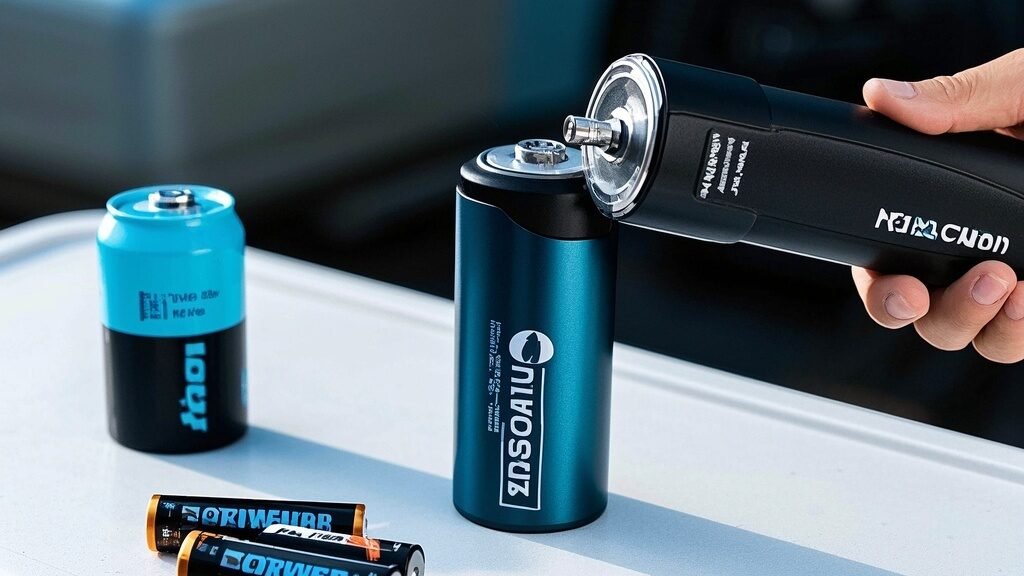
Imagine you’re in the middle of preparing a quick dinner, only to find your trusty wall-plug can opener powerless during a kitchen outlet shortage. Or perhaps you’re helping an elderly relative who struggles with manual openers and tangled cords. In these moments, the humble battery-powered can opener becomes a silent hero, offering liberation from outlets and physical strain. But this cordless convenience hinges on one core component: the batteries. So, what exactly fuels these handy kitchen gadgets? The answer revolves predominantly around the ubiquitous AA battery, with a growing trend towards built-in rechargeable units, defining the practicalities of modern, hassle-free food preparation.

The Reigning Champion: AA Batteries

When you think of battery-operated appliances, the classic cylindrical AA battery likely comes to mind, and for good reason. It’s the standard power source for the vast majority of battery-powered can openers on the market. Most models are designed to operate on either two or four AA batteries. This design choice is driven by practicality. AA batteries are inexpensive, universally available at any grocery or convenience store, and easy for virtually anyone to replace. Typically, the battery compartment is discreetly hidden under a slide-off cover, often marked by the brand’s logo, making the swap process straightforward.

The use of AA batteries aligns perfectly with the core value proposition of these devices: portability and simplicity. They free the can opener from being tethered to a specific countertop near an outlet, allowing you to use it anywhere, from a cramped apartment kitchen to an … Read the rest

What is the best multi-functional can opener with bottle opener?

What is the best multi-functional can opener with bottle opener?

You’re in the middle of preparing a hearty chili. The beans are simmering, the spices are blooming, but the final can of crushed tomatoes stands defiant. You rummage through the “everything” drawer, pushing past loose batteries and old takeout menus, only to find a can opener with a wobbly crank. Then you remember the bottle of craft beer meant for the recipe. Another tool to find. This tiny, chaotic moment highlights a modern kitchen truth: we crave simplicity and efficiency without sacrificing capability. This quest for a streamlined toolkit brings us directly to the core question: what is the best multi-functional can opener with a bottle opener? It’s not just about opening cans; it’s about eliminating clutter and solving multiple problems with a single, reliable device.

Beyond the Basic Turn: What Multi-Functionality Really Means

When we talk about a multi-functional can opener, the immediate thought is the classic manual opener with a built-in bottle opener tab on the handle. That’s the baseline. But the best contenders today expand this utility. Some integrate a sturdy, ergonomic handle that works as a comfortable bottle lever. Others might include a sharp lid-lifter for prying off stubborn jar lids, a screw cap opener, or even a pointed end for piercing sealed plastic packaging or foil lids. The key isn’t an overwhelming Swiss Army knife approach, but a thoughtful consolidation of the most common kitchen gripes. The ideal tool seamlessly transitions from cutting through a steel can rim to popping off a bottle cap, all … Read the rest