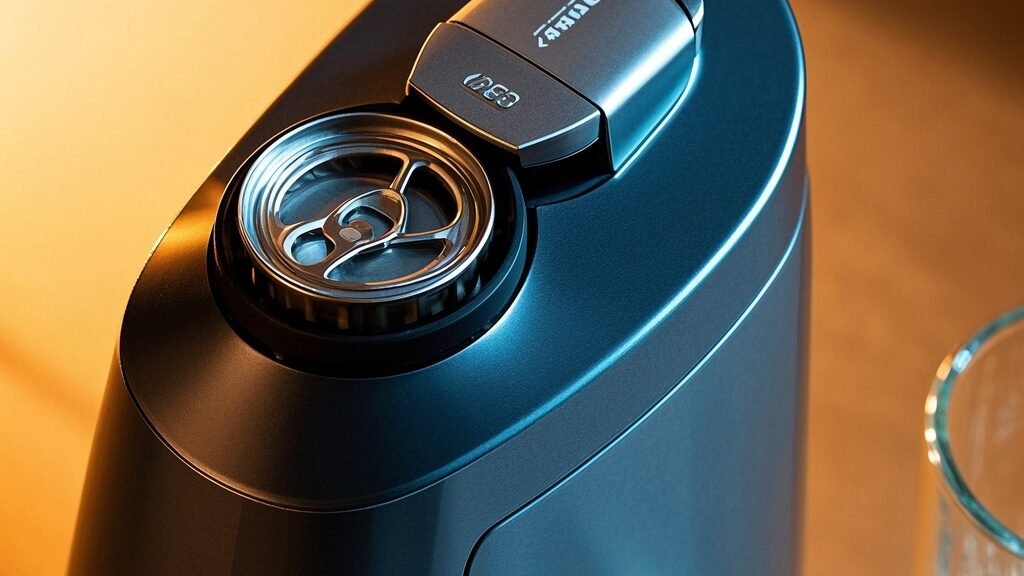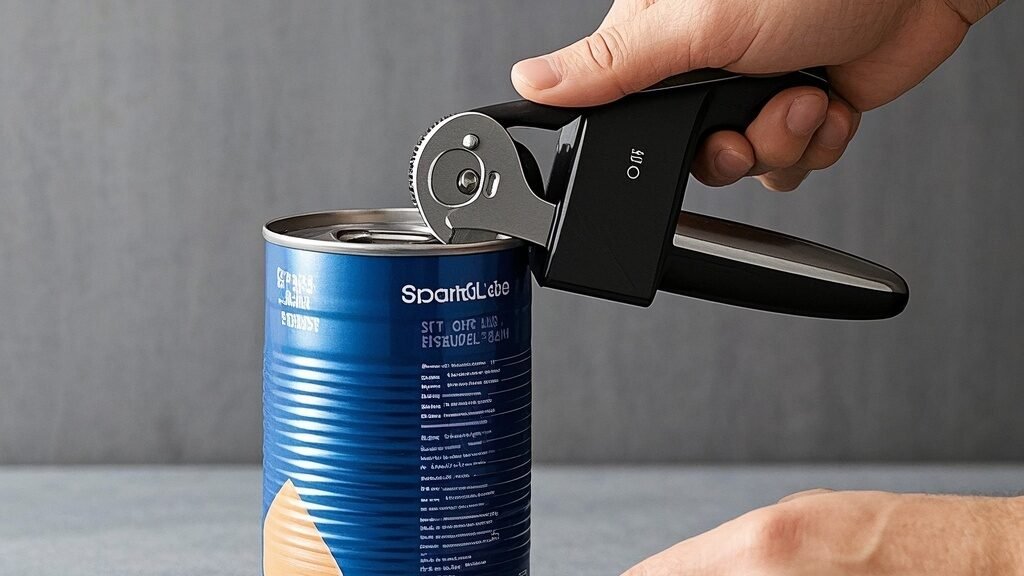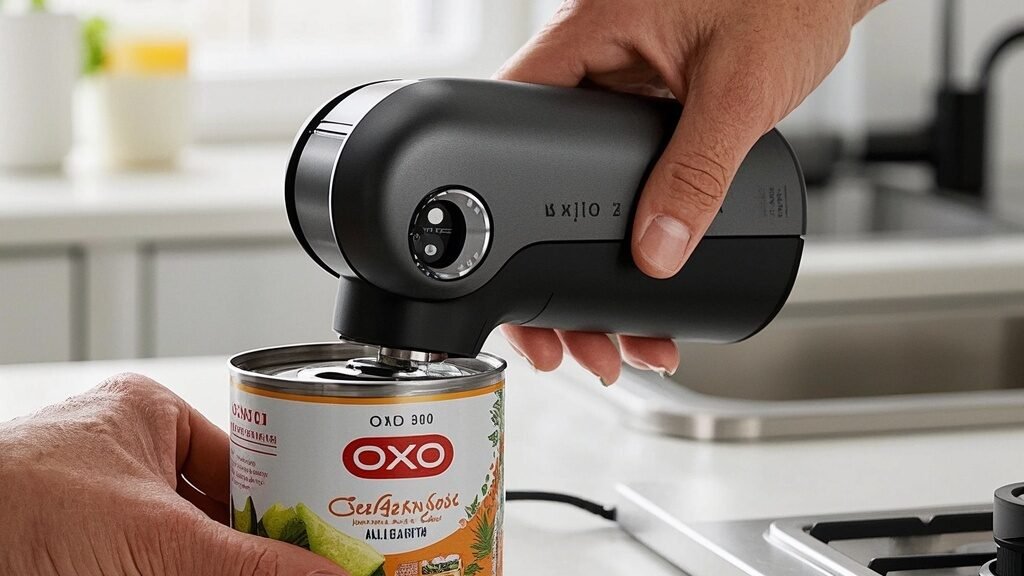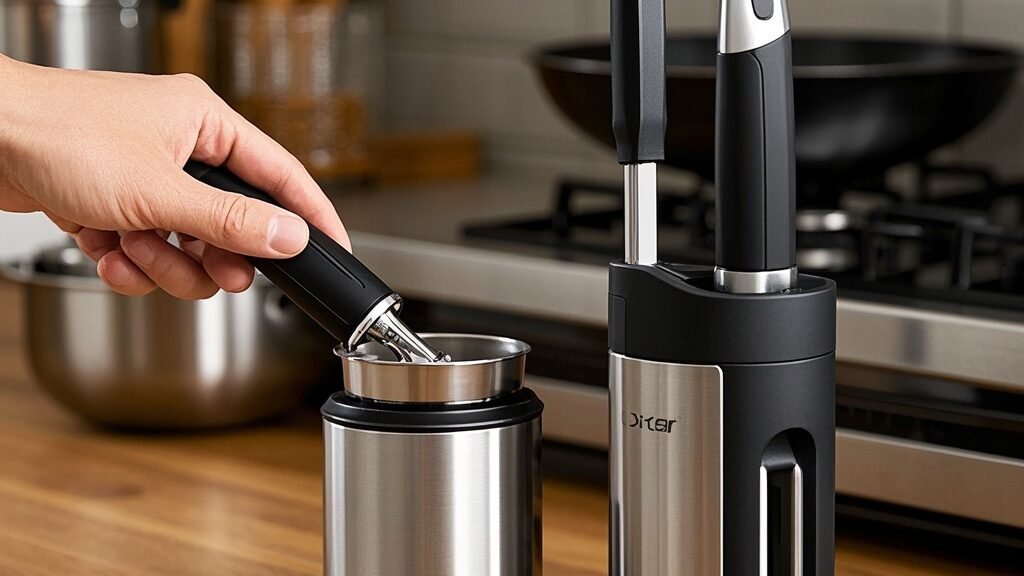
What is the best left handed electric can opener?

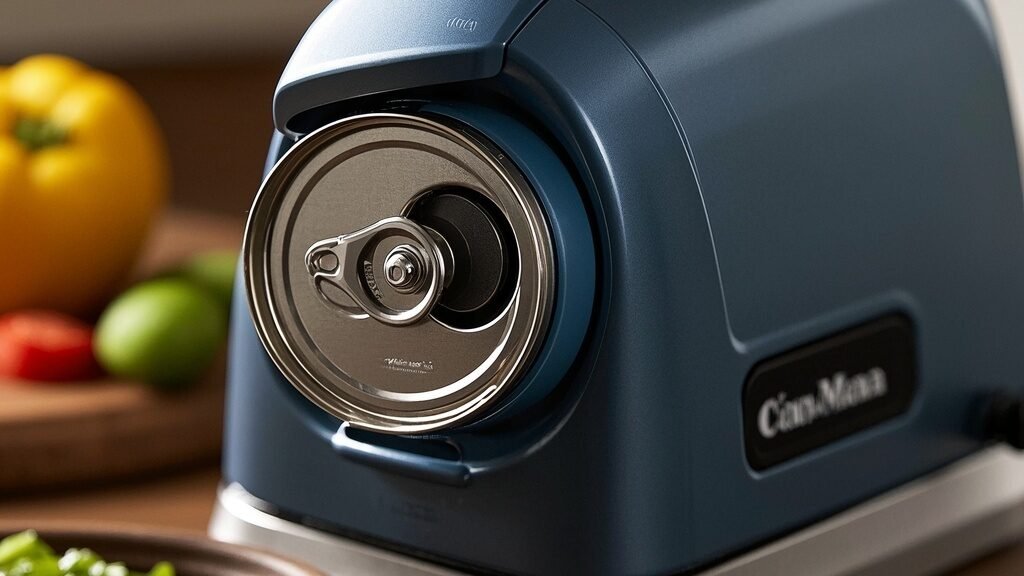
What is the best left handed electric can opener?

For generations, left-handed individuals have navigated a world designed for the right-handed majority, and the kitchen is often a prime battleground. Few tools exemplify this daily friction more than the humble can opener, a device whose fundamental mechanism has remained stubbornly right-centric since its invention. The struggle to awkwardly crank with your non-dominant hand or contort your wrist is a shared, silent frustration. This brings us to a pressing question for modern lefties: in an age of smart appliances and ergonomic innovation, is there finally a truly seamless solution? The quest isn’t just for any tool, but for the best left handed electric can opener—a device that promises to erase this decades-old inconvenience with the simple press of a button.

The Shift from Manual Struggle to Electric Ease

The core advantage of a dedicated left-handed electric can opener lies in its fundamental rethinking of the opening process. Traditional manual openers, even some “left-handed” models, require secure grip strength, precise downward pressure, and a consistent rotating motion—all actions that can be challenging for those with arthritis, limited hand mobility, or who simply desire effortless operation. A well-designed electric model transforms this physical task into a simple, one-touch automated function. You typically just align the cutter head, press a lever or button, and the device magnetically secures and cleanly cuts the lid without requiring you to hold or turn the can. This hands-free operation is not merely a convenience; it’s a game-changer for accessibility, making it equally suitable for left-handed users, seniors, … Read the rest

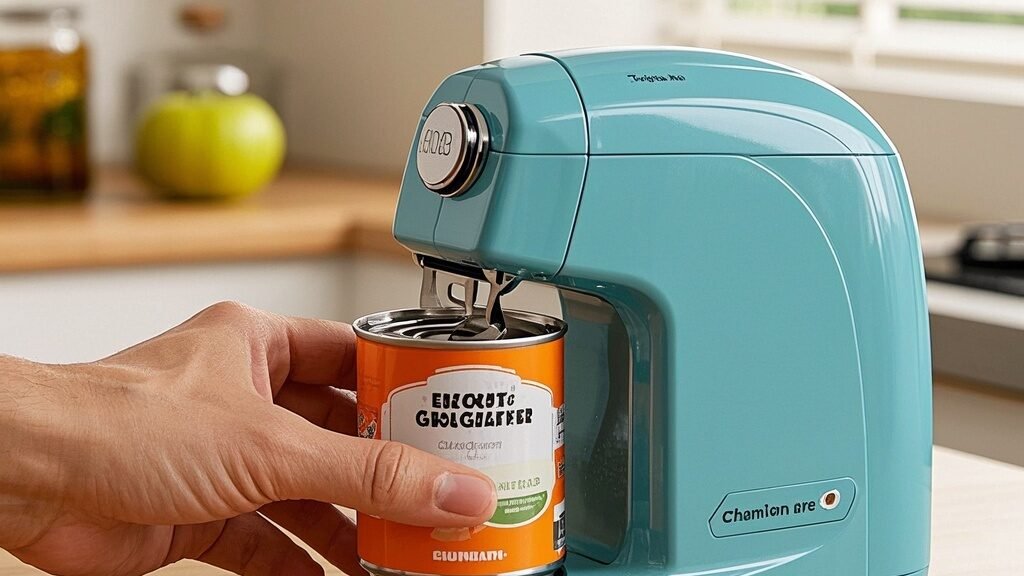
Is a battery powered portable can opener good for travel?

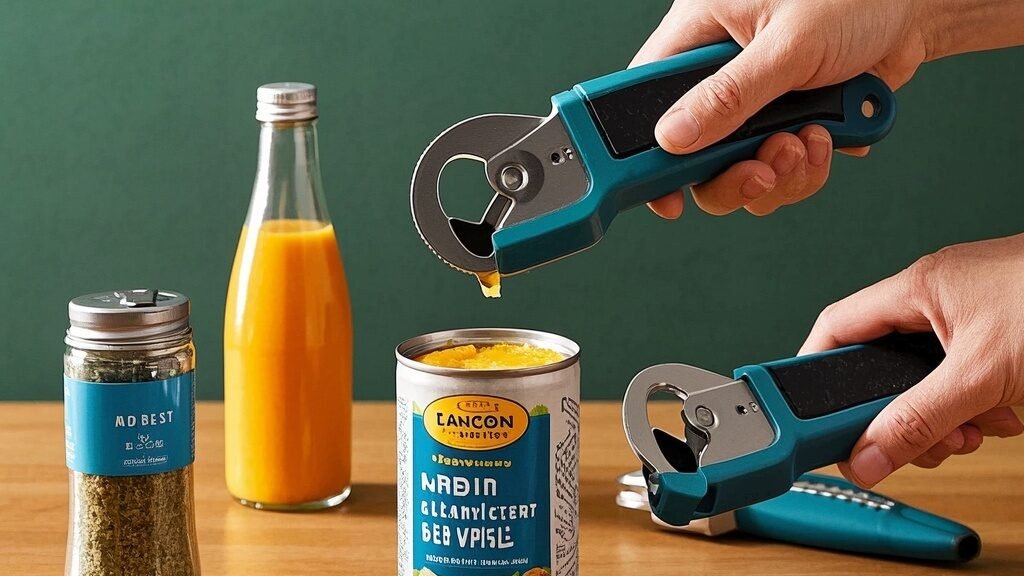
Is a battery powered portable can opener good for travel?

Imagine you’re finally on that dream camping trip or settling into a cozy vacation rental. You’ve planned the perfect meal, only to realize the kitchen lacks one crucial tool: a can opener. That moment of frustration, fumbling with a knife or a cheap, flimsy opener, is a universal travel headache. In our era of minimalist packing and on-the-go convenience, the traditional kitchen gadget is getting a serious rethink. This brings us to a modern solution that’s sparking curiosity: a battery-powered portable can opener. It promises to turn a mundane task into a effortless click, but does it truly earn a spot in your luggage?

The Allure of Cordless Convenience
Let’s face it, the core appeal is undeniable. A battery-operated can opener is the epitome of hands-free, push-button convenience. There’s no cranking, no straining your wrist, and it requires minimal counter space—a boon in cramped hotel kitchens or picnic tables. For individuals with arthritis or limited hand strength, this can be a game-changer, transforming a challenging chore into an accessible one. Modern models are designed to be compact and lightweight, often not much larger than your smartphone, making them relatively easy to tuck into a suitcase or backpack. The promise is simple: insert the can, press a button, and watch the magnet securely lift the lid away, leaving a smooth edge behind.

Weighing the Practicalities on the Road
However, the “good for travel” question isn’t so straightforward. The first major consideration is power dependency. Unlike a manual opener that works … Read the rest

How to fix a jammed electric can opener?

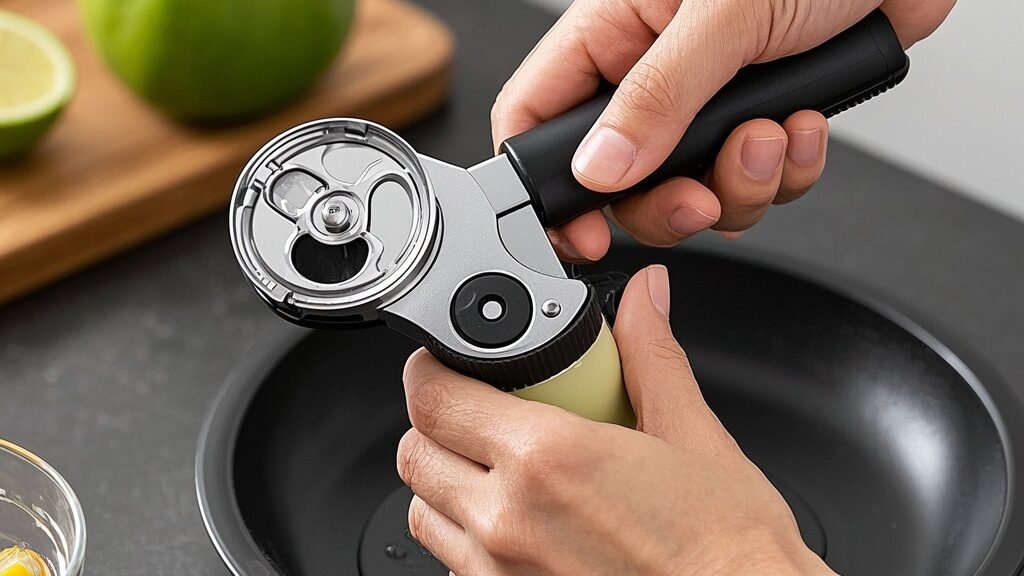
How to Fix a Jammed Electric Can Opener?

Picture this: you’re in the middle of preparing a quick dinner, a can of your favorite soup or beans in hand. You place it under the cutter, press the button, and instead of the smooth whirring sound, you hear an unpleasant grinding noise—or worse, complete silence. The machine is stuck, the can is trapped, and your meal prep grinds to a halt. This common kitchen hiccup can test anyone’s patience, but before you consider wrestling with a manual opener or worse, damaging the appliance, know that resolving a jammed electric can opener is usually straightforward. Understanding why these handy gadgets get stuck and how to safely free them can save your dinner plans and extend the life of your tool.

Understanding the Jam and the Immediate Fix

Most modern electric can openers, especially one-touch or automatic models, are designed with user-friendly troubleshooting in mind. The most common cause of a jam is the cutter wheel becoming misaligned with the can’s rim, often due to a dent or deformity on the can itself. The first and safest step is to locate the control button. On many models, pressing the main operating button a second time activates a reverse function. This simple action tells the motor to spin backwards, disengaging the cutter wheel and releasing the can back to its starting position. Always ensure the motor has completely stopped before you attempt to remove the can or inspect the device. If the reverse function doesn’t work, check if your model has a dedicated reset … Read the rest

What is the best ergonomic electric can opener?

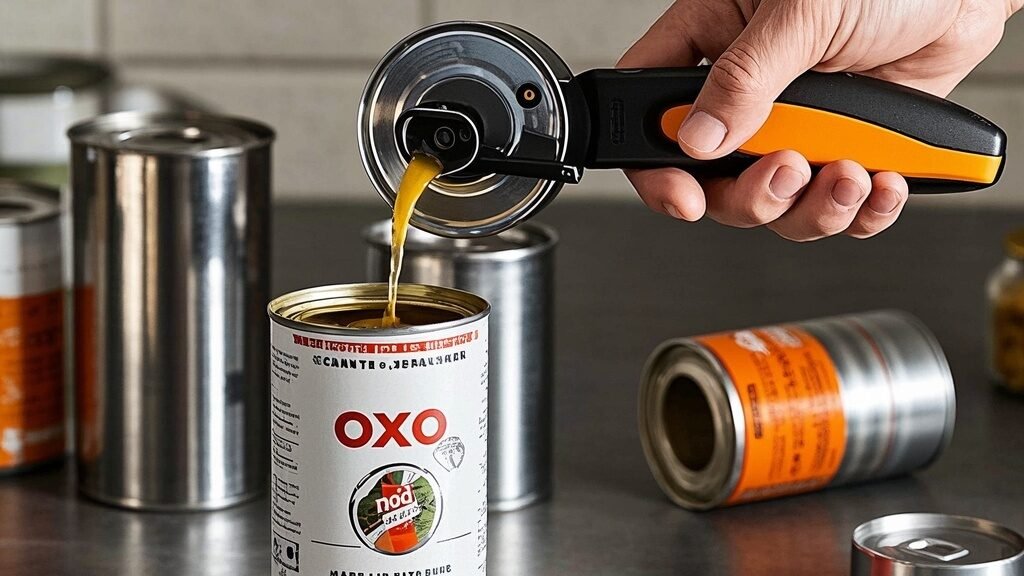
What is the best ergonomic electric can opener?

You’re in the middle of preparing dinner, maybe a hearty chili or a quick tuna salad. You reach for a can, position the opener, and then—the familiar struggle begins. A twist of the wrist, an awkward grip, a slip, or the frustrating resistance of a stubborn lid. For individuals with arthritis, reduced hand strength, or simply the wear and tear of daily life, this mundane task can become a genuine barrier in the kitchen. It’s a quiet pain point that turns a simple act into a reminder of physical limitation. This is where the right tool doesn’t just add convenience; it restores independence and ease. The best ergonomic electric can opener addresses this exact struggle, transforming a chore into a seamless, one-touch operation. It’s not merely about opening cans; it’s about designing kitchen tools that work harmoniously with the human body, not against it.

Beyond the Twist: What Defines True Ergonomics

When we talk about an “ergonomic” electric can opener, it goes far beyond having a comfortable grip. True ergonomics considers the entire user interaction from start to finish. First, the form factor is crucial. The best models feature a lightweight, contoured body that fits naturally in your palm, requiring no pinching or tight grasping. Buttons should be large, responsive, and intuitively placed, operable with a gentle press from a thumb or the side of a hand—not requiring precise finger dexterity. Second, consider the operation flow. A superior ergonomic opener automates the entire process: you place the can (often with a … Read the rest

Are automatic can openers suitable for all can shapes?

Are automatic can openers suitable for all can shapes?

Picture your kitchen counter after a busy day. You’ve got a recipe calling for chickpeas, a can of diced tomatoes for sauce, and maybe some condensed milk for dessert. The cans are all different—standard cylinders, shorter squat ones, tall and slender. You reach for your trusty manual can opener, but your wrist already aches at the thought. An automatic can opener promises a one-touch solution, a dream of effortless cooking. But a nagging question pops up as you eye that oddly-shaped olive oil can or that petite tuna tin: Does this convenience come with a catch? Are automatic can openers truly suitable for all can shapes? The answer, much like our diverse pantries, is more nuanced than a simple yes or no.

How Automatic Can Openers Actually Work

To understand their limits, we need to look under the hood. Most mainstream automatic openers use a magnetic drive system. You place the can on a base, lower a cutting assembly onto the rim, and press a button. A motor then rotates the can while a stationary blade cuts through the lid’s perimeter. This design is brilliant for standard cylindrical cans with a consistent diameter and a classic, slightly recessed top rim. The machine gets a firm grip and a clean, circular cut. However, this very mechanism relies on specific geometry. The can needs to fit on the base platform, its height must allow the cutter to engage properly, and its shape must allow for smooth rotation. Irregularities disrupt this automated dance. So, … Read the rest

What type of batteries do battery powered can openers use?

What type of batteries do battery powered can openers use?

Imagine you’re in the middle of preparing a quick dinner, only to find your trusty wall-plug can opener powerless during a kitchen outlet shortage. Or perhaps you’re helping an elderly relative who struggles with manual openers and tangled cords. In these moments, the humble battery-powered can opener becomes a silent hero, offering liberation from outlets and physical strain. But this cordless convenience hinges on one core component: the batteries. So, what exactly fuels these handy kitchen gadgets? The answer revolves predominantly around the ubiquitous AA battery, with a growing trend towards built-in rechargeable units, defining the practicalities of modern, hassle-free food preparation.

The Reigning Champion: AA Batteries

When you think of battery-operated appliances, the classic cylindrical AA battery likely comes to mind, and for good reason. It’s the standard power source for the vast majority of battery-powered can openers on the market. Most models are designed to operate on either two or four AA batteries. This design choice is driven by practicality. AA batteries are inexpensive, universally available at any grocery or convenience store, and easy for virtually anyone to replace. Typically, the battery compartment is discreetly hidden under a slide-off cover, often marked by the brand’s logo, making the swap process straightforward.

The use of AA batteries aligns perfectly with the core value proposition of these devices: portability and simplicity. They free the can opener from being tethered to a specific countertop near an outlet, allowing you to use it anywhere, from a cramped apartment kitchen to an … Read the rest

What decibel level is considered a quiet electric can opener?

What decibel level is considered a quiet electric can opener?

Morning light filters into the kitchen, the coffee is brewing, and you’re preparing a quick breakfast. Then, you press the button on your electric can opener. Suddenly, a grating, high-pitched whirr shatters the calm, startling the cat, waking a sleeping child, and making you wince. This daily sonic intrusion is a common, yet often overlooked, household annoyance. It turns a simple task into a jarring experience. In our pursuit of quieter, more peaceful homes, the noise level of everyday appliances has moved from an afterthought to a key buying criterion. This brings us to a specific and practical question: What decibel level is considered a quiet electric can opener? The answer isn’t just a number; it’s about understanding how sound impacts our daily comfort and what true quiet means in a practical kitchen tool.

Decoding the Decibels: From Jet Engines to Kitchen Whirs

First, let’s ground ourselves in what a decibel (dB) actually measures. It’s a logarithmic scale, meaning an increase of 10 dB represents a sound that is perceived as roughly twice as loud to the human ear. A normal conversation hovers around 60

Can a heavy duty can opener open industrial-sized cans?

Can a heavy duty can opener open industrial-sized cans?

Imagine the bustling kitchen of a popular downtown diner during the Sunday brunch rush. The head chef calls for #10 cans of tomatoes and peaches, their standard industrial size. A line cook, sweating under the pressure, grabs a flimsy, dime-store can opener. After a few strained turns, the handle bends, the gear slips, and the opener is rendered useless beside an unyielding steel cylinder. This scene highlights a critical question many in food service, catering, or even ambitious home kitchens eventually face: when standard tools fail, what’s the real capability of equipment marketed as “heavy duty”? Specifically, can a heavy duty can opener open industrial-sized cans? The answer is a definitive yes, but with crucial caveats about design, construction, and intended use that separate true commercial-grade tools from merely sturdy consumer models.

Defining “Heavy Duty” in the World of Can Openers

Not all heavy-duty labels are created equal. In this context, “heavy duty” refers to a class of manual can openers engineered for high-frequency use and demanding applications beyond the occasional soup can. These units are typically characterized by robust, often full-metal construction using materials like commercial-grade stainless steel, which resists corrosion and maintains integrity under repeated stress. The cutting mechanisms are fortified with oversize, sharp, and durable blades or cutting wheels, paired with heavy-gear systems that provide significant mechanical advantage. This design philosophy prioritizes longevity, reliability, and consistent performance, whether opening a small can of olives or a large can of beans. While consumer models might use plastics or thinner … Read the rest

What is the difference between a can opener and a tin opener?

What is the difference between a can opener and a tin opener?

Picture this: you’ve just moved into your first apartment, standing in a kitchen aisle staring at a wall of kitchen gadgets. Your hand hovers between two nearly identical tools, both designed to open sealed metal containers. One is labeled “can opener,” the other “tin opener.” A moment of genuine confusion sets in. Is there a real, functional difference, or is this just a trick of language? This tiny lexical puzzle is a perfect gateway into the fascinating world of linguistic evolution, regional dialects, and how everyday objects become cultural markers. At its heart, the difference between a can opener and a tin opener is primarily one of geography, not mechanics.

A Tale of Two Terms: It’s All About Location

Let’s crack this open. In practical function, there is no mechanical difference between the device an American calls a “can opener” and what a Brit calls a “tin opener.” Both refer to a tool—whether manual, electric, or attached to a multi-tool—that cuts through the lid of a container preserving food. The divergence is purely linguistic. In the United States and Canada, the term “can” is king for describing these metal receptacles. Thus, the tool is logically a “can opener.” Across the Atlantic, in the United Kingdom, Ireland, Australia, and other Commonwealth nations, “tin” is the preferred word for the same container (think “tin of beans” or “tin of tuna”). Consequently, the tool is a “tin opener.” This is a classic example of a dialectal variation, where two regions speaking … Read the rest

What is the best multi-functional can opener with bottle opener?

What is the best multi-functional can opener with bottle opener?

You’re in the middle of preparing a hearty chili. The beans are simmering, the spices are blooming, but the final can of crushed tomatoes stands defiant. You rummage through the “everything” drawer, pushing past loose batteries and old takeout menus, only to find a can opener with a wobbly crank. Then you remember the bottle of craft beer meant for the recipe. Another tool to find. This tiny, chaotic moment highlights a modern kitchen truth: we crave simplicity and efficiency without sacrificing capability. This quest for a streamlined toolkit brings us directly to the core question: what is the best multi-functional can opener with a bottle opener? It’s not just about opening cans; it’s about eliminating clutter and solving multiple problems with a single, reliable device.

Beyond the Basic Turn: What Multi-Functionality Really Means

When we talk about a multi-functional can opener, the immediate thought is the classic manual opener with a built-in bottle opener tab on the handle. That’s the baseline. But the best contenders today expand this utility. Some integrate a sturdy, ergonomic handle that works as a comfortable bottle lever. Others might include a sharp lid-lifter for prying off stubborn jar lids, a screw cap opener, or even a pointed end for piercing sealed plastic packaging or foil lids. The key isn’t an overwhelming Swiss Army knife approach, but a thoughtful consolidation of the most common kitchen gripes. The ideal tool seamlessly transitions from cutting through a steel can rim to popping off a bottle cap, all … Read the rest