What is the best left handed electric can opener?

What is the best left handed electric can opener?

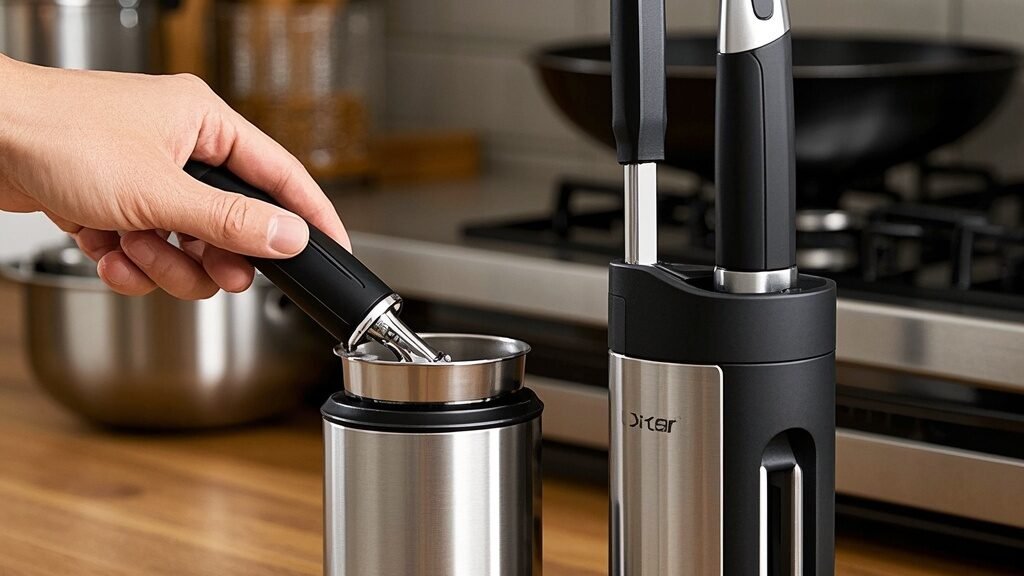
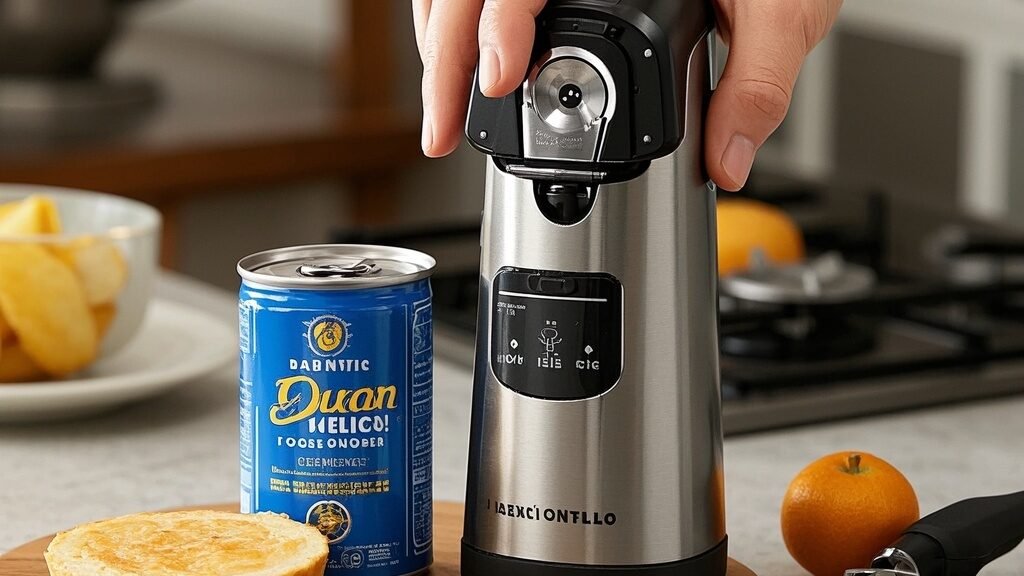
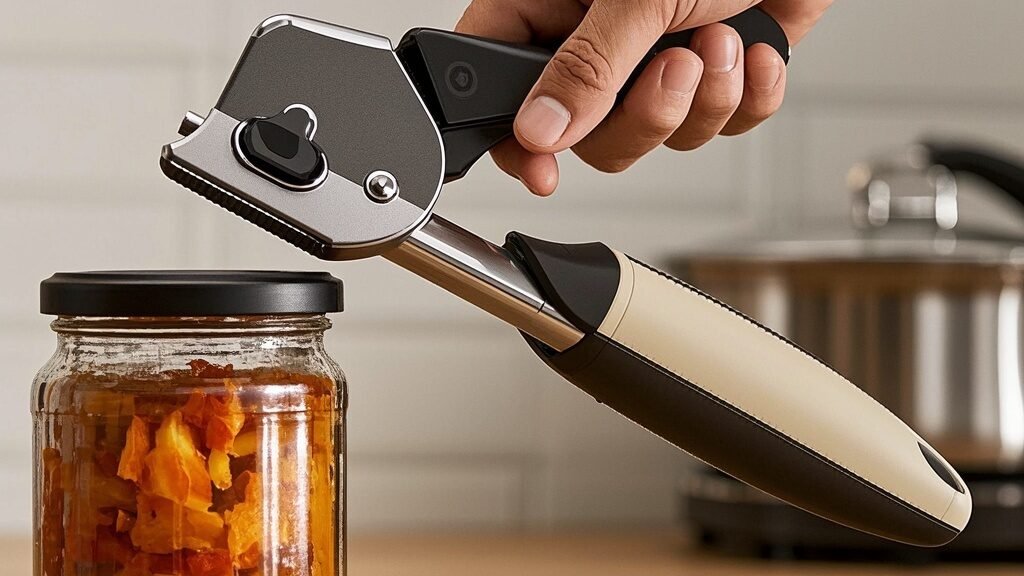
For generations, left-handed individuals have navigated a world designed for the right-handed majority, and the kitchen is often a prime battleground. Few tools exemplify this daily friction more than the humble can opener, a device whose fundamental mechanism has remained stubbornly right-centric since its invention. The struggle to awkwardly crank with your non-dominant hand or contort your wrist is a shared, silent frustration. This brings us to a pressing question for modern lefties: in an age of smart appliances and ergonomic innovation, is there finally a truly seamless solution? The quest isn’t just for any tool, but for the best left handed electric can opener—a device that promises to erase this decades-old inconvenience with the simple press of a button.

The Shift from Manual Struggle to Electric Ease

The core advantage of a dedicated left-handed electric can opener lies in its fundamental rethinking of the opening process. Traditional manual openers, even some “left-handed” models, require secure grip strength, precise downward pressure, and a consistent rotating motion—all actions that can be
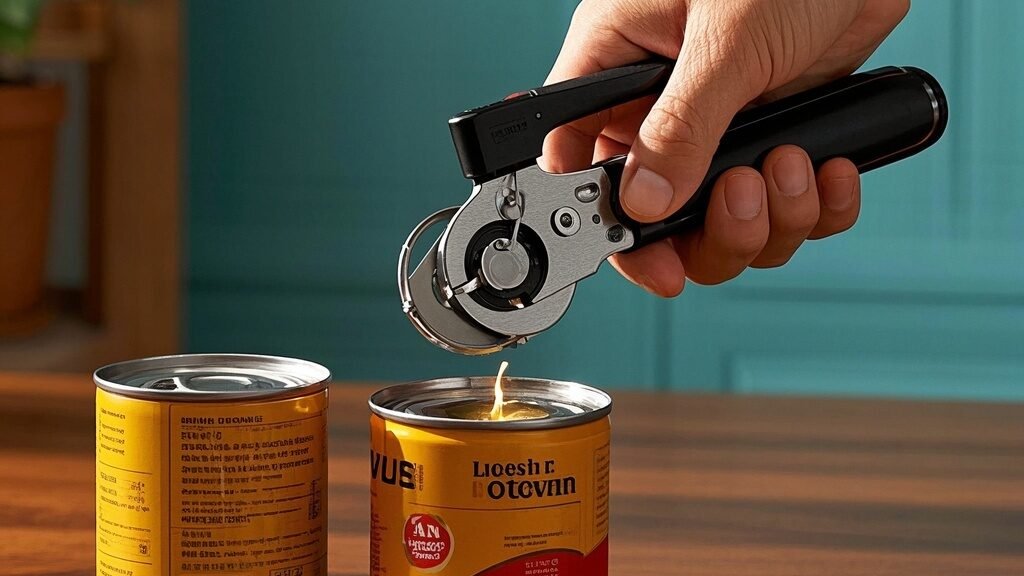
Is a battery powered portable can opener good for travel?

Is a battery powered portable can opener good for travel?

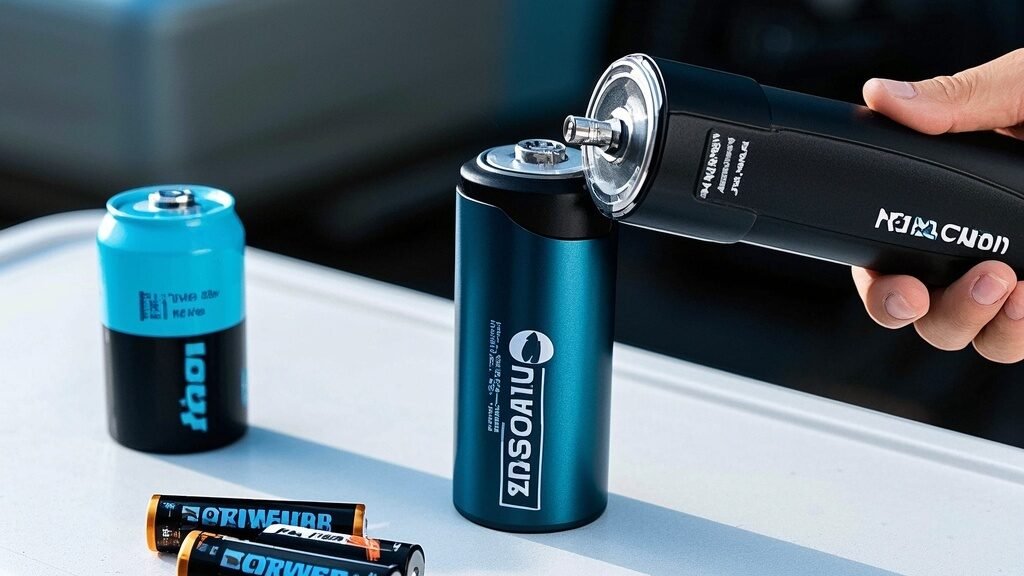
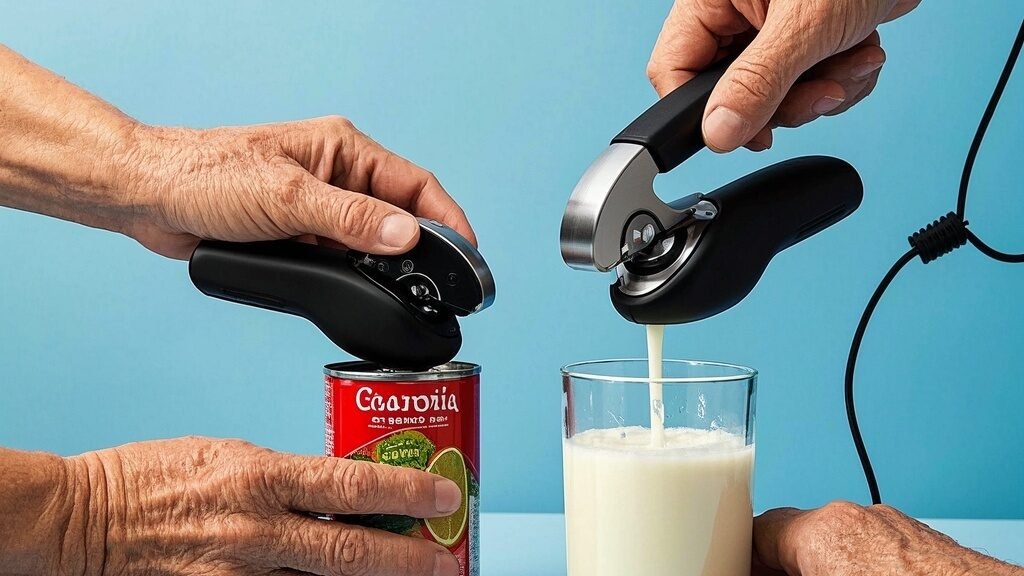
Imagine you’re finally on that dream camping trip or settling into a cozy vacation rental. You’ve planned the perfect meal, only to realize the kitchen lacks one crucial tool: a can opener. That moment of frustration, fumbling with a knife or a cheap, flimsy opener, is a universal travel headache. In our era of minimalist packing and on-the-go convenience, the traditional kitchen gadget is getting a serious rethink. This brings us to a modern solution that’s sparking curiosity: a battery-powered portable can opener. It promises to turn a mundane task into a effortless click, but does it truly earn a spot in your luggage?

The Allure of Cordless Convenience
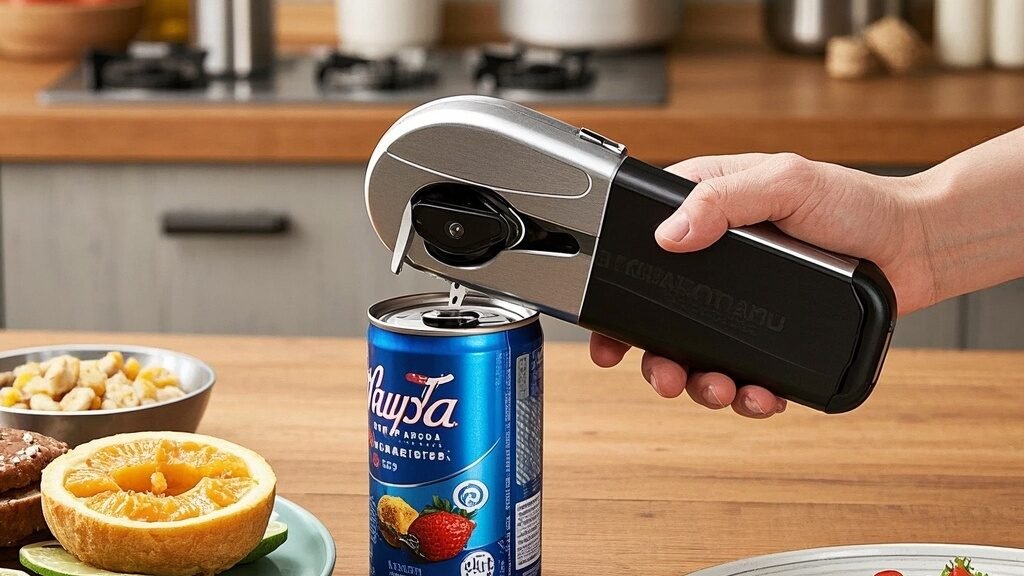
Let’s face it, the core appeal is undeniable. A battery-operated can opener is the epitome of hands-free, push-button convenience. There’s no cranking, no straining your wrist, and it requires minimal counter space—a boon in cramped hotel kitchens or picnic tables. For individuals with arthritis or limited hand strength, this can be a game-changer, transforming a challenging chore into an accessible one. Modern models are designed to be compact and lightweight, often not much larger than your smartphone, making them relatively easy to tuck into a suitcase or backpack. The promise is simple: insert the can, press a button, and watch the magnet securely lift the lid away, leaving a smooth edge behind.

Weighing the Practicalities on the Road
However, the “good for travel” question isn’t so straightforward. The first major consideration is power dependency. Unlike a manual opener that works … Read the rest

Can a manual can opener open dented cans?

Can a manual can opener open dented cans?

The satisfying *crunch-thwick* of a can opener piercing a pristine lid is a kitchen soundtrack we all know. But picture this: you’re halfway through cooking a hearty chili, you reach into the pantry for the last can of kidney beans, and your heart sinks. There it is—a can with a noticeable dent on its side. The age-old kitchen dilemma surfaces immediately: is this safe to use? More pressingly, even if it is safe, can your trusty manual can opener handle the job, or are you moments away from a frustrating, possibly dangerous struggle with sharp edges and spilled food? This isn’t just about convenience; it’s about practicality and safety colliding at dinnertime. The question at the heart of this common struggle is precise: Can a manual can opener open dented cans? The answer, as with most things in life, is not a simple yes or no. It’s a nuanced dance between the type of dent, the design of your opener, and a critical understanding of food safety.

The Critical Safety Check: When a Dent is More Than a Cosmetic Flaw

Before we even attempt to answer the operational question, we must address the paramount issue: food safety. A manual can opener’s capabilities are irrelevant if the contents inside are compromised. According to the U.S. Department of Agriculture (USDA), the safety of a dented can depends entirely on its location and severity. Small, shallow dents on the body or rim that are smooth to the touch are usually harmless. The real danger lies … Read the rest

What is the easiest can opener for beginners?

Ever stared at a can of beans, your shiny new can opener in hand, only to end up with a jagged lid, a sore wrist, and a mild sense of defeat? You’re not alone. Choosing your first can opener can feel like a rite of passage in the kitchen. The good news? The easiest option for beginners isn’t about fancy features or high tech—it’s about simplicity, reliability, and getting the job done without a fuss.

For someone just starting out, the unanimous winner is a well-designed manual can opener with a side-cutting mechanism. Forget the electric models that need counter space and an outlet, or the bulky commercial ones. A simple, sturdy hand-crank opener is your best friend. Why? It’s affordable, easy to control, and teaches you the basic mechanics without any hidden complexities. The key is finding one that minimizes effort and maximizes smooth operation.

So, what makes a manual opener “easy”? Based on the latest kitchen gear reviews and top-selling models, here are the non-negotiable features to look for:

First, a sharp, high-carbon steel cutting wheel is crucial. A dull blade will slip and require you to muscle through, which is frustrating and potentially dangerous. The best openers use professional-grade or hardened blades that pierce the lid effortlessly and roll it open smoothly. Think of it like a good knife—it should do the work for you.

Next, pay attention to ergonomics. This is where beginner-friendly models really shine. Look for features like oversized, comfortable crank knobs and extra-long handles. These give you better leverage and … Read the rest

Are there hands-free can openers for arthritis sufferers?

Let’s be real: opening a can shouldn’t feel like an Olympic event. For the millions of Americans living with arthritis, hand pain, or reduced grip strength, that simple kitchen task can be a daily source of frustration and even pain. The good news? The days of wrestling with a manual opener are over. The answer is a resounding yes—hands-free and automatic can openers are not only available, but they’re game-changers designed specifically to restore independence and ease in the kitchen.

So, What Exactly Are These Gadgets?

Forget everything you know about traditional openers. We’re talking about a new generation of electric kitchen helpers. These devices are typically battery-operated or rechargeable, featuring a one-touch automatic operation. You place the can, press a button, and the machine does all the work—no twisting, no squeezing, no straining those sore joints. It’s that simple. Many models pride themselves on being truly “hands-free,” holding and rotating the can for you from start to finish.

But the innovation doesn’t stop at ease of use. A key feature that sets many of these openers apart is the smooth-edge design. Instead of cutting through the top lid and leaving a dangerous, jagged rim, they magnetically seal and cut along the side of the can. The result? A perfectly smooth rim that eliminates the risk of cuts and allows you to safely place a lid back on for storage. It’s a smarter, safer way to open cans.

Why They’re a Lifesaver for Arthritic Hands

The benefits are crystal clear. First and foremost, they eliminate pain and strainRead the rest

Are electric or manual can openers better for seniors?

Let’s be honest, opening a can shouldn’t feel like an upper-body workout. Yet for many seniors, that simple kitchen task can become a frustrating, sometimes painful, challenge. With stiff hands, reduced grip strength, or arthritis, wrestling with a manual can opener is far from ideal. So, when it comes to choosing a kitchen helper, is it time to go electric, or does the trusty manual model still have a place? Let’s break it down.

The Case for Electric Can Openers: Effortless Independence

For seniors prioritizing ease and safety, electric can openers are often the clear winner. Think of them as the power steering of the kitchen—they do the heavy lifting for you.

The biggest advantage is the dramatic reduction in physical effort. You simply place the opener on the can, press a button, and it does the work. This is a game-changer for those with arthritis, limited hand strength, or conditions like Parkinson’s. There’s no twisting, no squeezing, and significantly less strain on the wrists and hands.

Safety is another major plus. Most electric models are designed to leave a smooth, safe lid edge, unlike the sharp, jagged rims left by some manual openers. This minimizes the risk of cuts. Furthermore, many feature hands-free operation or magnetic lid lifters, so you never have to touch the sharp lid at all. For seniors with tremors or vision issues, this controlled, automated process is inherently safer.

Convenience features also add up. Many electric openers can also function as bottle openers or knife sharpeners, reducing kitchen clutter. They’re simply easier to operate with … Read the rest

What is the best heavy duty electric can opener?

Let’s be real—nobody wants to wrestle with a can at dinner time. Whether you’re a busy parent trying to get food on the table, a senior who values ease and safety, or just someone who hates that awkward struggle with a manual opener, a reliable heavy-duty electric can opener can be a total kitchen game-changer. But with so many options out there, how do you pick the best one? Let’s break it down.

First off, what makes an electric can opener “heavy-duty”? It’s not just about power. A true heavy-duty model is built like a tank, designed to handle daily use without a hiccup. We’re talking commercial-grade materials like cast iron steel or reinforced stainless steel that promise longevity. The best ones are workhorses that can breeze through everything from small sauce cans to large family-sized tins without breaking a sweat. The goal is effortless operation, turning a mundane task into a simple one-touch affair.

When shopping for a top-tier model, several key features should be on your radar. Ease of use is paramount. Look for designs with one-touch operation and hands-free functionality. These features are not just convenient; they’re a blessing for seniors or anyone with arthritis or limited hand strength, making kitchen prep safer and less of a chore. Safety is another critical factor. The ideal opener should leave you with a smooth, safe lid edge, eliminating the risk of nasty cuts from sharp metal—a common pain point with cheaper or manual openers. Durability and Build come next. A sturdy construction using materials like commercial-grade cast iron or … Read the rest

Do smooth edge can openers leave metal shavings?

Picture this: you’re in your kitchen, ready to whip up a quick chili or a batch of tuna salad. You grab a trusty can opener, give it a few twists, and pop the lid—only to find tiny, glitter-like metal bits clinging to the rim. Not exactly the kind of extra “crunch” anyone wants in their dinner, right? For decades, this has been a nagging worry with traditional can openers. But what about the newer models everyone’s talking about—the so-called “smooth edge” or “safety” can openers? Do they solve this pesky problem, or are they just another kitchen gadget hype? Let’s dig in.

First off, let’s clear up how these things work. A traditional can opener is like a tiny saw. It uses a sharp, toothed wheel to hack through the metal lid from the top, creating that familiar jagged, and frankly dangerous, edge. This cutting action can, and often does, produce fine metal shavings or splinters. While the risk of ingesting a significant amount is low, finding those silvery specks is unsettling and poses a real cut hazard when you’re handling the lid or cleaning the can.

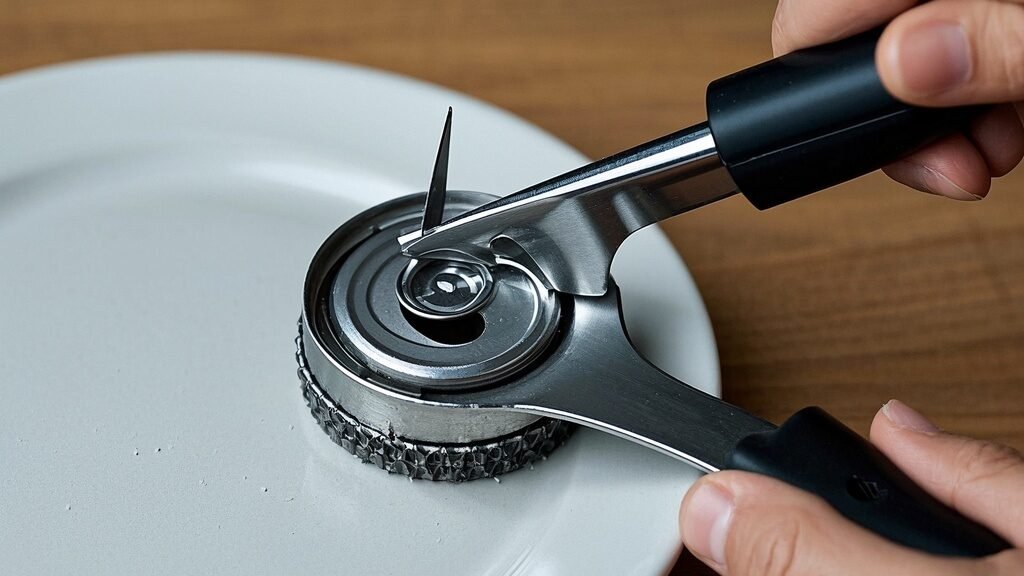
Enter the smooth edge can opener, the cool new kid on the kitchen block. Instead of attacking the lid from above, this clever tool works from the side. It doesn’t cut the metal at all. Instead, it slips its blade under the lid’s outer rim and cleanly “uncrimps” or pries the seal between the lid and the can’s body. Think of it as gently lifting the lid off its seat rather than sawing … Read the rest

Do electric can openers need to be plugged in all the time?

Let’s be real—when you picture an electric can opener, you probably imagine a clunky gadget permanently hogging a spot on your kitchen counter, cord dangling from the outlet. But here’s the thing: that’s not the whole story anymore. So, do these handy helpers really need to stay plugged in 24/7? The short answer is: it depends entirely on what kind you own.

The classic electric can opener most of us grew up with is indeed a plug-in model. You know the drill—you place it on your countertop, plug it into the nearest outlet, and it’s ready for action whenever a can of soup or beans calls your name. These workhorses are powered by your home’s electricity. To use one, you simply position the can so its rim sits between the cutting blade and the drive gear, press and hold the start button for a second, and let the machine do its thing. It rotates around the lid automatically and cleanly severs it, often using a built-in magnet to lift the lid away safely, so your fingers never touch a sharp edge. For these types, yes, they need to be plugged in to operate. Unplugging them after each use is a common safety and energy-saving practice, but they don’t function without that power cord connected.

But hold on—kitchen tech has evolved. Enter the game-changer: the battery-operated electric can opener. This is where the “always plugged in” assumption gets tossed out the window. These sleek, modern devices are designed for ultimate convenience and portability. Powered typically by standard AA batteries, they … Read the rest

What is a left handed can opener?

Ever found yourself wrestling with a can of beans, the opener slipping awkwardly in your hand, while your right-handed friend breezes through theirs without a second thought? If you’re a lefty, you know the struggle is real. From scissors to spiral notebooks, the world is often designed with right-handed users in mind. The humble can opener is a classic culprit. So, what exactly is a “left-handed can opener”? It’s not some exotic, mirrored gadget. It’s a simple yet thoughtful design adaptation that makes a world of difference for the roughly 10% of the population who lead with their left.

The core issue with standard manual can openers lies in their mechanics. A typical handheld model requires you to hold the main body steady with one hand while turning a crank handle with the other. For right-handed people, the natural motion is to hold the opener’s body in their stronger right hand and turn the handle with their left. This design positions the cutting mechanism to cleanly pierce and travel around the can’s rim from the right side. When a left-handed person tries to use the same tool, they often instinctively hold it in their left hand and crank with their right. This reversed motion can feel unnatural, provide less leverage, and sometimes cause the cutter to misalign or detach from the can’s edge, making the process frustrating and even unsafe with risks of jagged edges.

A true left-handed can opener addresses this by reversing the orientation of the cutting wheel and the drive gear. This allows a left-handed user to … Read the rest