What features make a can opener portable for travel?

Ever been on a road trip or setting up camp, staring at a can of beans, only to realize you forgot the one tool that gets you to dinner? We’ve all been there. That’s where a truly portable can opener becomes a game-changer—not just a smaller version of your kitchen gadget, but a thoughtfully designed piece of gear built for life on the move. So, what exactly should you look for to ensure your travel can opener doesn’t let you down?

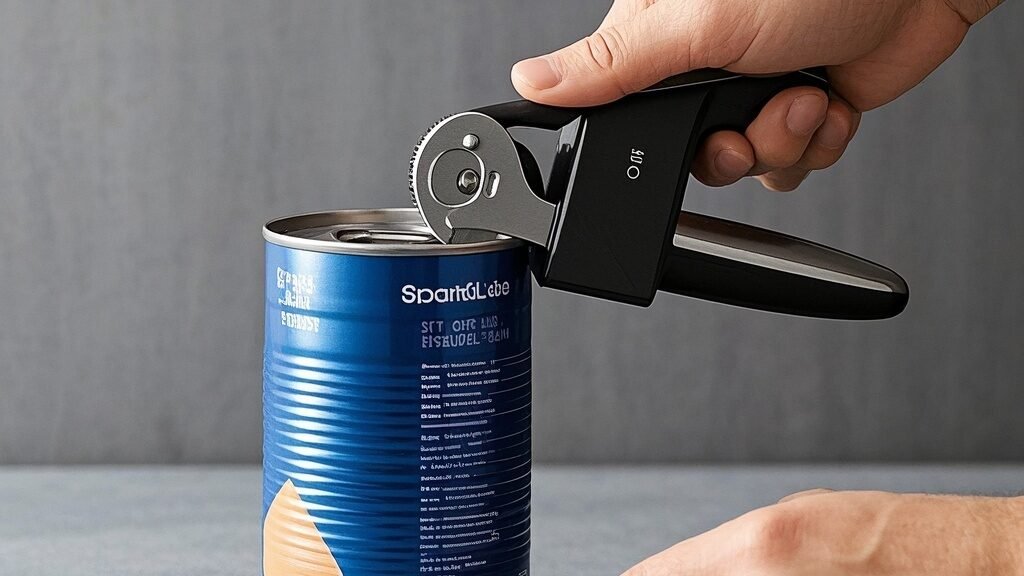
First and foremost, size and weight are king. A portable opener needs to be genuinely compact and lightweight, small enough to tuck into a backpack’s side pocket, a camping cookset, or a picnic basket without adding bulk. Think about a tool that stores easily in a drawer at home but is just as ready for an adventure. This compactness is the foundation of travel-friendly design.

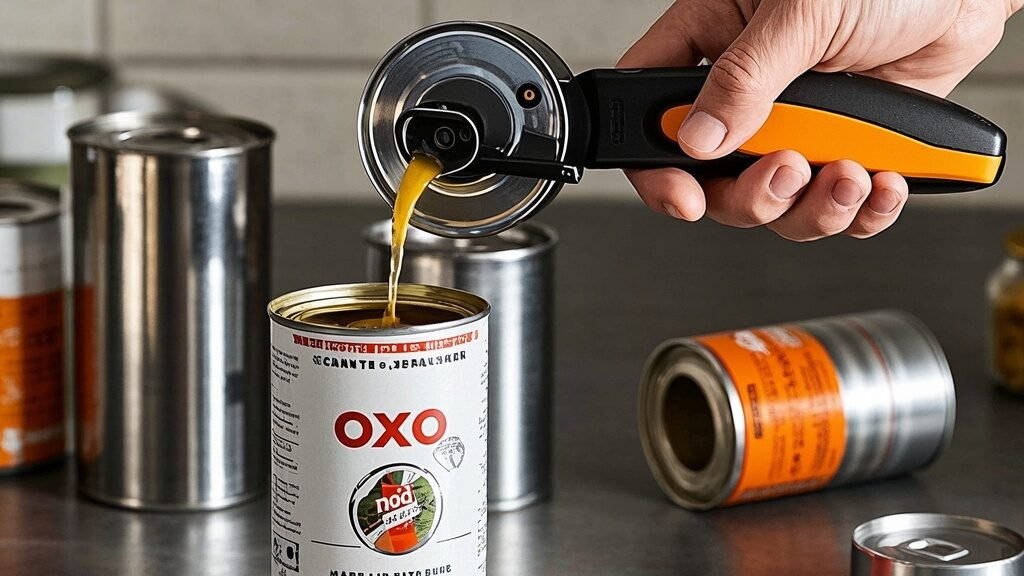
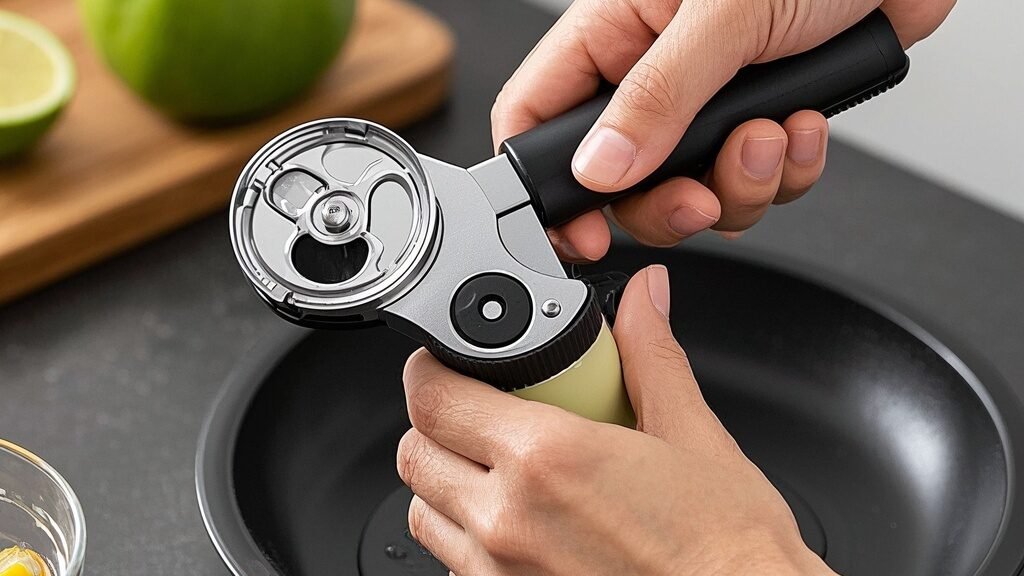
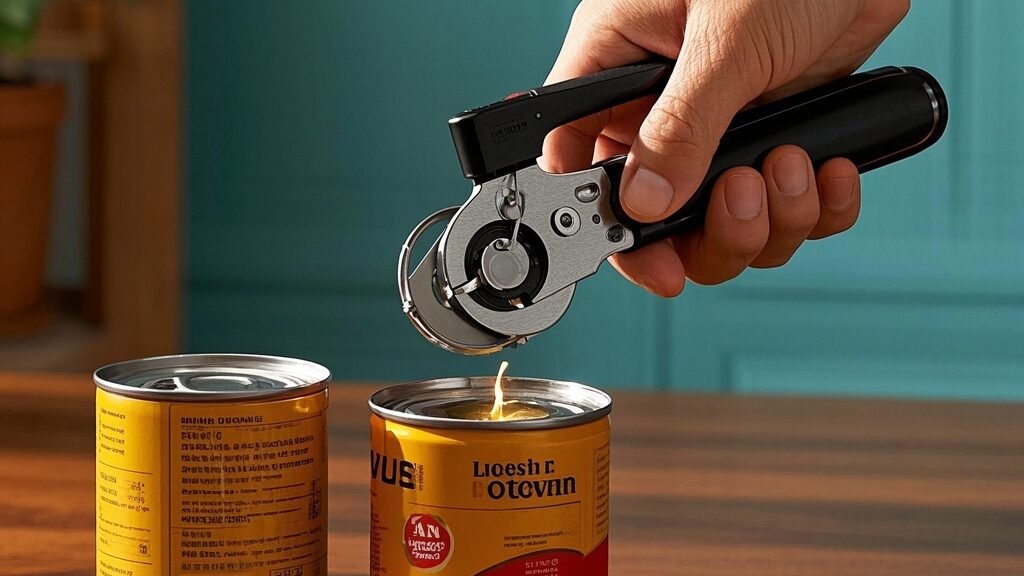
Closely tied to size is durability and construction. For life on the road, you need a workhorse. Stainless steel construction is a top choice for long-lasting use, resisting rust and wear from frequent packing and unpacking. But durability isn’t just about the cutting mechanism. Many models feature ergonomic, non-slip rubber grips. This isn’t just for comfort; it ensures a secure hold even if your hands are wet or you’re working on an uneven surface at a campsite, making the process safer and easier without needing extra force.

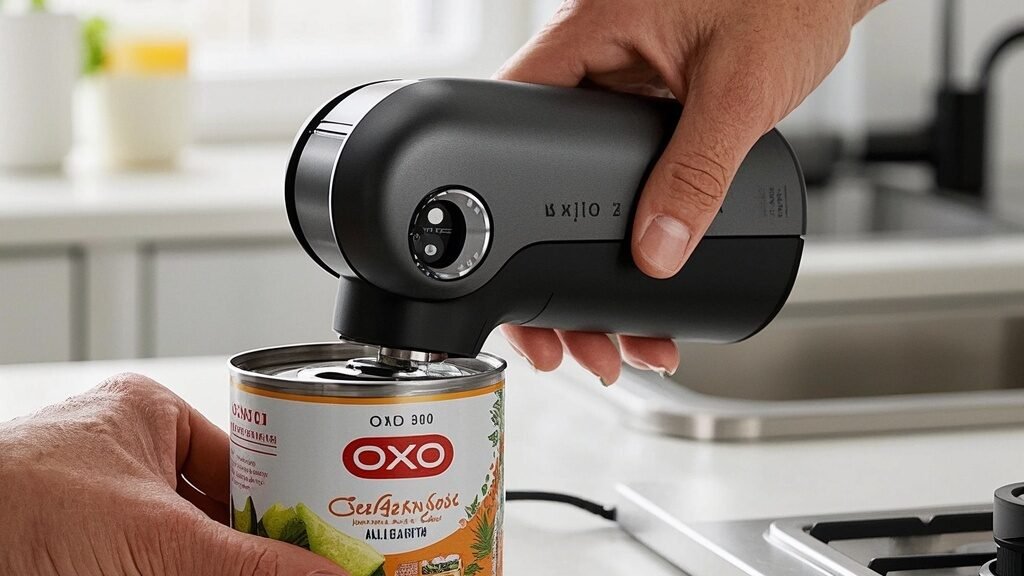
Next, consider the power source and operation. While electric openers with rechargeable batteries offer fantastic convenience at home, for true portability, manual is … Read the rest
How to sharpen a manual can opener?

Ever found yourself wrestling with a can of beans, the opener skidding pathetically around the rim like a confused toddler on ice skates? You push, you twist, you grunt… and all you get is a dented lid and a profound sense of betrayal. Before you curse the can, toss the opener, or resort to desperate measures involving a hammer and screwdriver (we’ve all been there), stop. The problem might not be your strength or patience—it might just be a dull blade. That’s right, your trusty manual can opener can lose its edge. But here’s the kicker: you can actually sharpen it. It’s easier than you think, and it’ll save you a few bucks and a whole lot of frustration.

First things first, you gotta play detective. How do you know your opener is dull? The telltale signs are pretty clear. Instead of slicing cleanly through the metal, it crushes it, leaving a ragged, sometimes sharp edge on the lid. It requires Herculean effort to turn the knob, and it might leave little metal shavings behind (a major no-no for your food). If it feels like you’re trying to open a can with a rusty spoon, it’s time for some TLC.

Now, for the main event. You don’t need fancy gear; you probably have the perfect tool already in your kitchen junk drawer: a simple ceramic mug or plate. Flip it over. See that unglazed, rough ring on the bottom? That’s your free, ready-made sharpening stone. American ingenuity at its finest—using everyday stuff to fix everyday problems.

Here’s the step-by-step, … Read the rest

Do can openers with bottle openers work well?

Let’s be real, we’ve all been there. You’re prepping for a backyard BBQ, the burgers are sizzling, and someone shouts for a cold drink. You reach into the drawer, fumbling past the garlic press and the mystery gadget, hoping to find one tool that can handle both the baked beans can and the soda bottle. Enter the multi-tasking hero: the can opener with a built-in bottle opener. But does this two-in-one combo actually deliver, or is it just a gimmick that complicates your kitchen life?

The short answer is a resounding yes—when you choose the right one. These hybrid tools have evolved from clunky afterthoughts into genuinely smart, efficient kitchen companions. The key lies in their design philosophy: consolidation without compromise.

For everyday kitchen use, a dedicated countertop or handheld model shines. Imagine a tool with an oversized, easy-turn knob that requires minimal effort, perfect for anyone with grip issues or just a desire for simplicity. Its razor-sharp stainless steel cutting wheel glides smoothly around cans, while a sturdy, integrated bottle opener lever is right there on the handle. This isn’t an add-on; it’s part of the tool’s ergonomic design, offering a comfortable, secure grip whether you’re opening soup or a craft beer. The beauty is in its space-saving genius. Instead of two separate tools hogging drawer space, you have one reliable gadget for most pantry and beverage tasks. It’s the dependable workhorse that makes quick work of weeknight dinners.

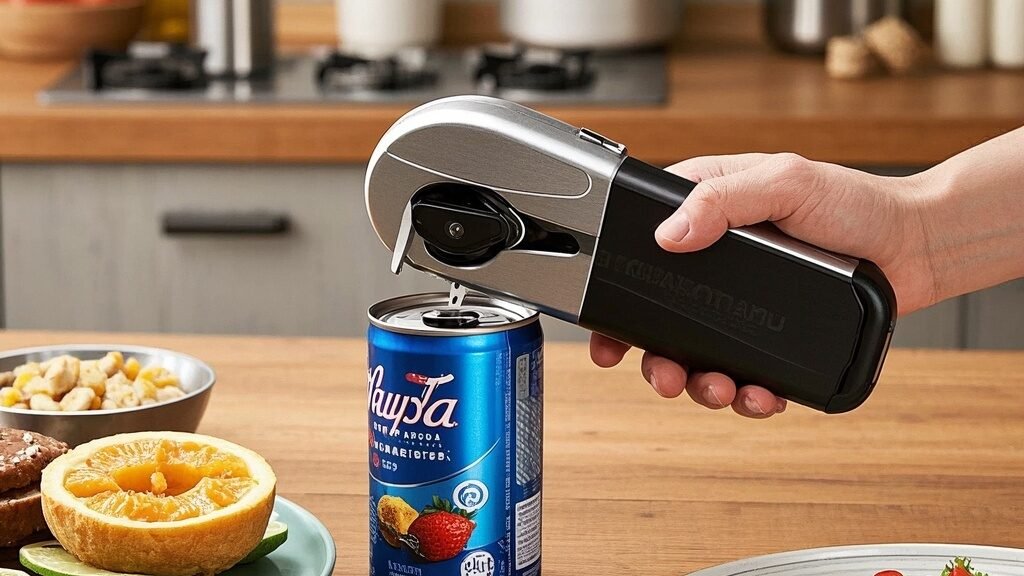
Where these combo tools truly become MVPs, however, is in the great outdoors. This is where the multifunctional design shifts … Read the rest

How to find a quiet electric can opener?

Let’s be real: opening a can shouldn’t sound like a construction zone in your kitchen. We’ve all been there—you’re trying to whip up a quick dinner or enjoy a peaceful moment, and then the grating, metallic screech of a can opener shatters the calm. If you’re on the hunt for a quieter kitchen helper, you’re not alone. Finding a truly quiet electric can opener requires a bit of know-how, as “quiet” is often a relative term in the world of small appliances. Here’s your straightforward guide to bringing some peace and quiet to your countertop.

First off, it’s crucial to manage expectations. Most electric can openers will make some noise—it’s a motor-driven blade cutting through metal, after all. The goal is to find one that operates with a low hum rather than a jarring grind. When researching, your best friends are customer reviews and professional testing roundups. Don’t just rely on the manufacturer’s description. Dig into the reviews on major retail sites. Look for specific keywords like “quiet,” “low noise,” “smooth,” and “not loud.” If multiple people consistently mention how surprisingly quiet a model is, that’s a strong signal.

Speaking of testing, expert reviews from reputable sources are invaluable. They put multiple models through their paces, often commenting directly on noise levels during operation. In recent evaluations, certain electric openers are highlighted not just for their effectiveness but for their relatively unobtrusive operation compared to older, clunkier designs. These tested picks often balance power with a more refined mechanism that reduces vibration and harsh sounds.

Now, let’s talk features. … Read the rest

How long do battery powered can openers last on one set of batteries?

Let’s be real, folks. In the hustle and bustle of everyday life, the last thing you want is your kitchen gadget calling it quits right when you need it. Whether you’re prepping a quick chili or opening a can of peaches for dessert, a battery-powered can opener is supposed to make life easier—not leave you stranded. So, the million-dollar question is: how long can you actually rely on one before those batteries give up the ghost?

First off, it’s important to understand that there’s no single, universal answer. Think of it like asking how many miles you can get on a tank of gas—it depends on the car, how you drive, and the conditions. For battery-powered can openers, the “mileage” you get from a set of batteries hinges on a few key factors.

The most significant factor is the type of batteries you use. Most models run on standard AA or AAA batteries. Using high-quality, name-brand alkaline batteries will almost always give you significantly more opens than bargain-bin or heavy-duty types. Lithium batteries, while more expensive, offer even better performance and longer shelf life, especially in colder environments (like a chilly pantry). Rechargeable batteries are a fantastic eco-friendly and cost-effective option over time, but their per-charge lifespan might be slightly shorter than a top-tier disposable alkaline.

Next up is frequency of use. This one’s straightforward. If you’re using your opener multiple times a day, every day, you’ll naturally need to swap batteries more often than someone who only uses it once a week. For an average household that might open … Read the rest

What is a heavy duty can opener used for?

Let’s be real for a second. We’ve all been there. You’re staring down a can of chili, the kind your grandpa swore by, with a lid that looks like it was welded shut by Thor himself. Your flimsy, dollar-store can opener starts to whine, the handle bends, and you’re left with a half-opened can and a serious craving. That, my friends, is your cue to meet the unsung hero of the kitchen arsenal: the heavy duty can opener.

So, what’s it *really* used for? In a nutshell, it’s for conquering. It’s the tool you call in when the job is too tough for the lightweight guys. Think of it as the difference between a sedan and a pickup truck. Both get you places, but when you need to haul some serious cargo, you want the truck.

First off, it tackles the tough customers. We’re talking about commercial-sized cans of tomatoes for your famous Sunday sauce, hefty tins of pineapple for the big barbecue, or that emergency stash of baked beans that could feed a small army. These cans have thicker seams and sturdier lids. A regular opener might slip, chew up the metal, or just give up the ghost. A heavy duty model, built with hardened steel gears and a powerful cutting wheel, powers through without breaking a sweat. It’s like having a can-opening bodybuilder in your drawer.

But it’s not just about size; it’s about endurance and reliability. These things are built to last, often with all-metal construction (goodbye, flimsy plastic gears!), comfortable, oversized handles that give … Read the rest

How to prevent a can opener from rusting?

Let’s be real: few kitchen gadgets are as humble—or as heroically reliable—as the trusty can opener. That is, until you pull it out one Tuesday night to make chili and spot that telltale reddish-brown gunk on the blade. Ugh. *Rust*. Suddenly, your dinner-prep mood sours faster than milk left in the sun. But here’s the good news: with a few simple, no-fuss habits, you can keep your can opener in fighting shape for years. Think of it not as a chore, but as giving your hardworking kitchen sidekick a little TLC.

First things first: understand the enemy. Rust is just iron oxide, formed when iron (or steel) meets moisture and oxygen. Your can opener is a prime target. It’s got cutting wheels and gears that trap tiny food particles and moisture from the cans themselves. Every time you pierce that tomato soup or coconut milk, you’re giving rust a free invitation to the party. So, the golden rule is simple: keep it clean and keep it dry. This isn’t rocket science, but consistency is key.

Right after use, give it a quick but thorough rinse under warm water. Don’t just toss it in the sink where it’ll stew in dishwater! Use an old toothbrush or a small brush to scrub around the cutting wheel and gears, dislodging any bits of food or residue. A drop of mild dish soap helps. This is the single most effective step you can take.

Now, onto drying. This is where most folks drop the ball. Shaking off the water isn’t enough. Take an extra Read the rest

Why should I choose an ergonomic can opener?

Let’s be real: opening a can shouldn’t feel like an upper-body workout. You know the drill. You wrestle with that clunky, old-school opener, your wrist aches, your fingers cramp, and halfway through, the stupid thing slips off, leaving a jagged edge that’s basically a lawsuit waiting to happen. Been there, done that, got the Band-Aid to prove it. So, why on earth would you stick with that hassle when there’s a better way? Choosing an ergonomic can opener isn’t about being fancy; it’s about giving your hands—and your sanity—a much-needed break.

First off, let’s talk comfort, because that’s the whole ball game. Traditional openers force your hand into a tight, pinching grip and require serious twisting force. After a few cans, your palm is screaming. An ergonomic opener, on the other hand, is designed with *your* body in mind. Think large, soft-grip handles that fit comfortably in your palm, requiring minimal squeezing. The mechanism does the heavy lifting, so you just apply gentle, steady pressure. It’s the difference between cranking a stubborn old car window and pushing a power button. For anyone with arthritis, weaker grip strength, or just the wear and tear of daily life, this isn’t a small upgrade—it’s a game-changer that brings back independence in the kitchen.

But it’s not just about feeling good; it’s about safety and results. Those old openers often leave behind those infamous sharp, serrated lids that are practically weaponized. You have to pry them off carefully, hoping you don’t slice a finger. Modern ergonomic openers frequently use a smoother, side-cutting mechanism that … Read the rest

How does an automatic can opener work?

Ever stared at a stubborn can of soup, wrestling with a manual opener and wishing for a little kitchen magic? You’re not alone. The automatic can opener is one of those humble appliances that feels almost miraculous in its simplicity, saving our wrists and our patience with the push of a button. But have you ever stopped to wonder what’s actually going on under that plastic hood? Let’s crack it open and take a look.

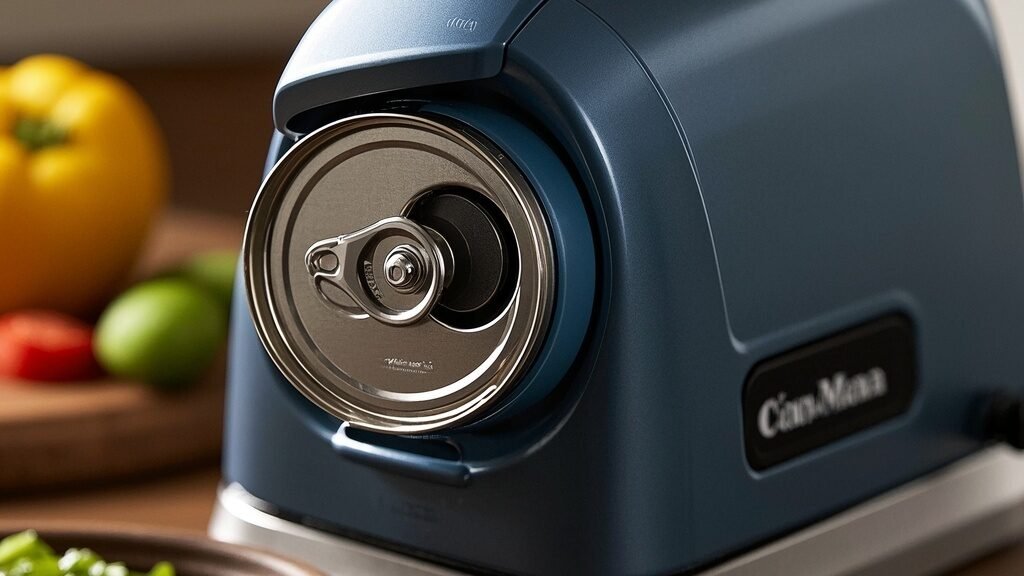
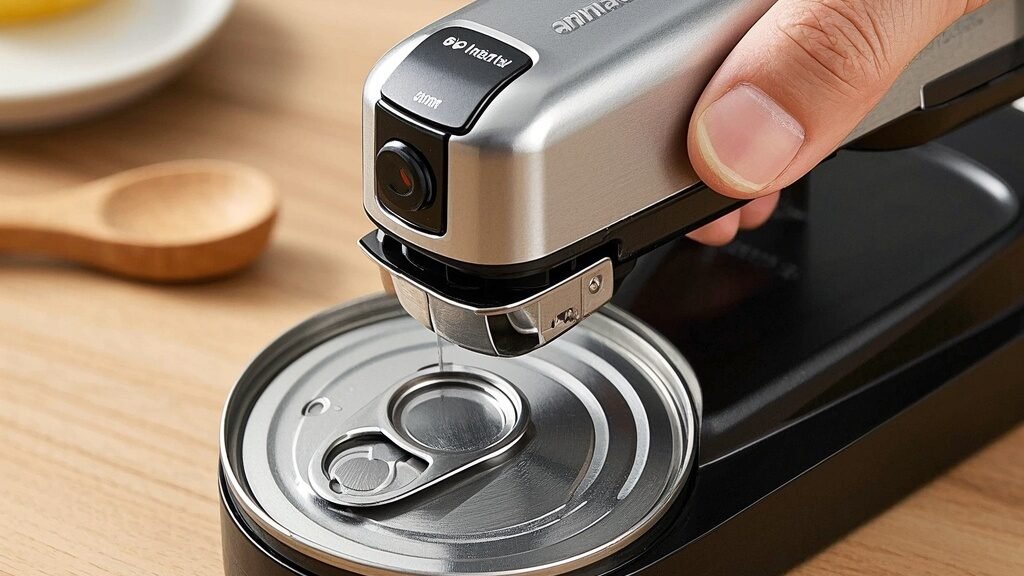
At its core, an automatic can opener’s job is straightforward: it needs to cleanly cut through the metal lid of a can without damaging the rim or letting any metal shavings fall into your food. To do this, most modern electric models use a clever, two-part mechanical system. When you place a can onto the base and lower the cutting assembly, a small, serrated cutting wheel is positioned to press against the inside edge of the can’s rim. Simultaneously, a toothed drive wheel (or magnet) grips the outer side of the rim. Once you press the button, a small electric motor springs to life.

This is where the real action happens. The motor turns a set of gears that rotate the drive wheel. As this wheel turns, it grips the can’s rim and spins the entire can in a smooth, continuous circle. The stationary cutting wheel, pressed firmly against the metal, neatly slices through the lid as the can rotates. Think of it like a key cutting machine or a precision lathe, but for your baked beans. This rotating-can method is key—it ensures a clean, … Read the rest

What features make a can opener easy to use?

Let’s be honest, wrestling with a stubborn can of beans shouldn’t feel like an upper-body workout. We’ve all been there: a dull opener that slips, a lid with jagged teeth waiting to draw blood, or the dreaded moment it gets stuck halfway. So, what separates a frustrating kitchen gadget from a truly easy-to-use lifesaver? It boils down to a few key features that tackle safety, effort, and everyday convenience head-on.

First and foremost, effortless operation is non-negotiable. The best openers minimize the physical work required. Electric models are the clear champions here. Imagine just placing the can, pressing a button, and watching it do its thing—no twisting, no straining. This is a game-changer for anyone with arthritis, limited hand strength, or simply after a long day. But even manual openers can score high if they have smooth-gearing mechanisms and require minimal force to turn. The goal is to make opening a can a one-touch or one-motion affair, not a chore.

Closely tied to effort is the critical feature of safety and clean cutting. A good opener should leave behind a smooth, safe lid edge, not a dangerous, jagged ring of metal. Modern designs, especially smooth-edge openers, cut along the side of the can, sealing the sharp metal away. This eliminates the risk of cuts and prevents tiny metal shavings from contaminating your food. You can safely handle the lid and the can itself without feeling like you’re defusing a bomb. It’s about peace of mind as much as it is about practicality.

Next up is reliability and problem-solving. … Read the rest