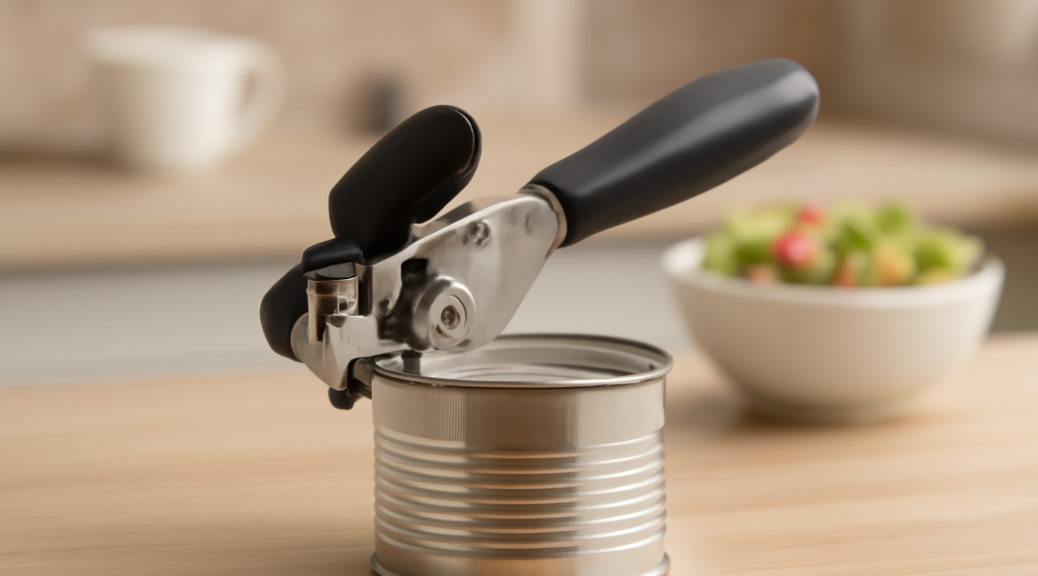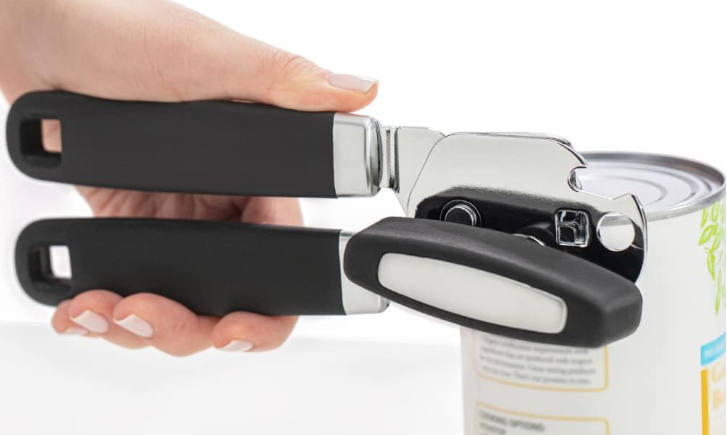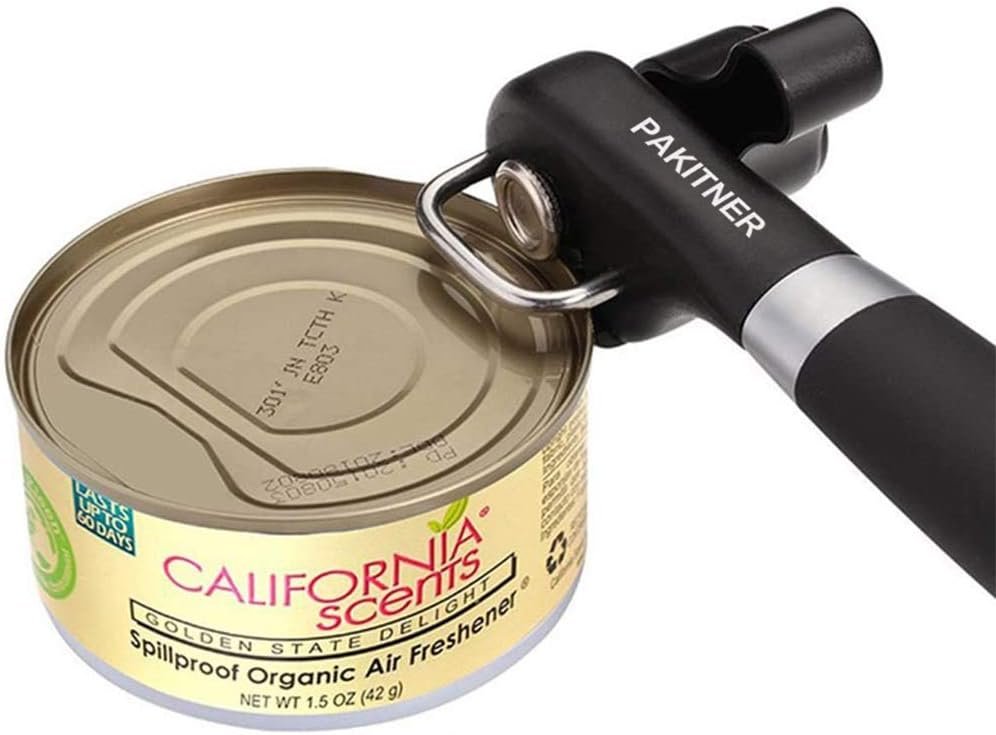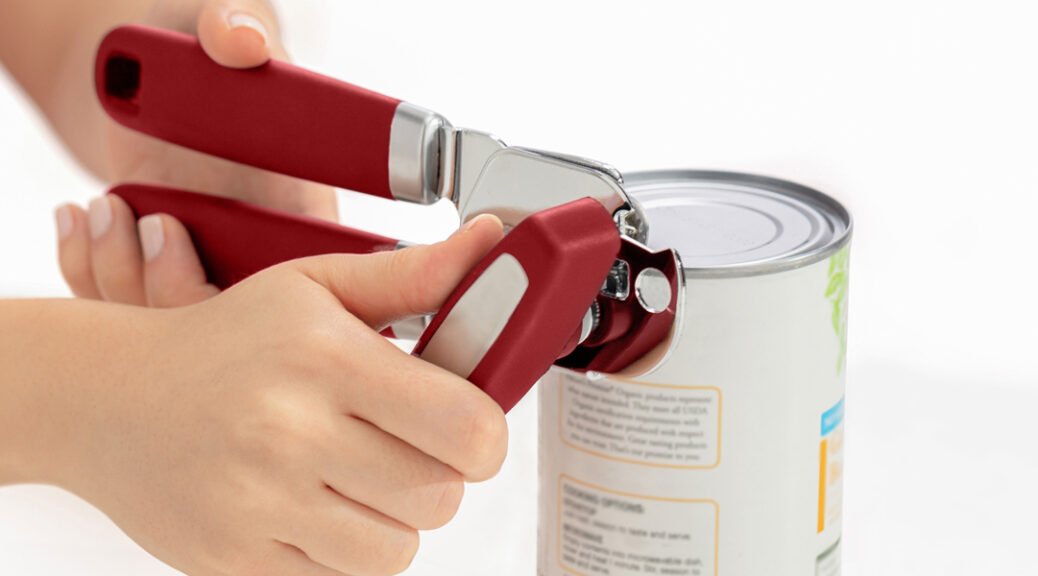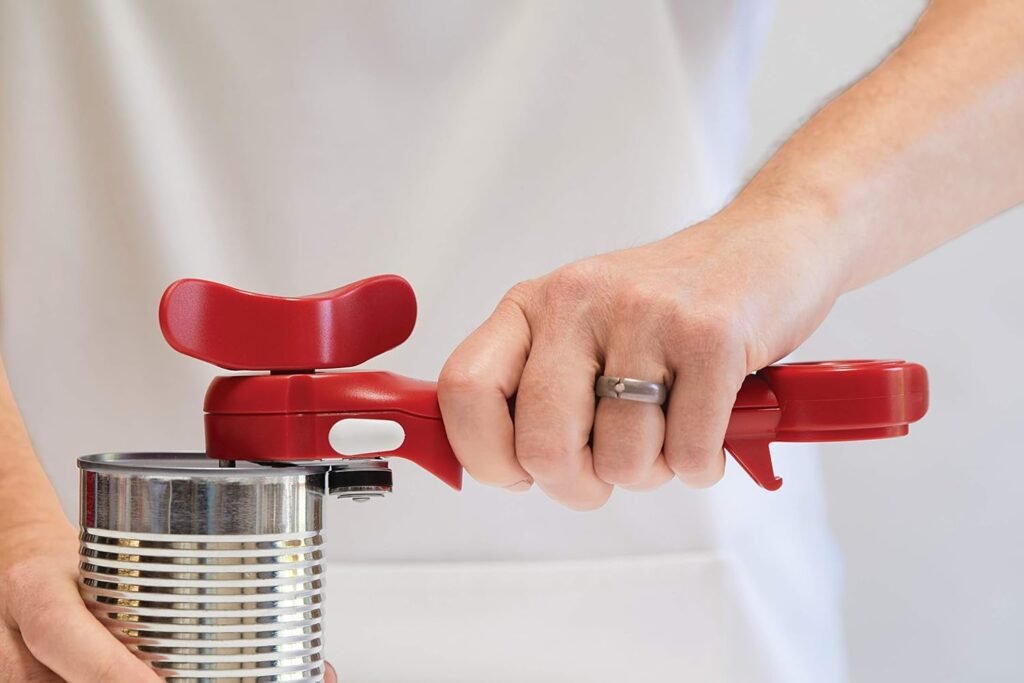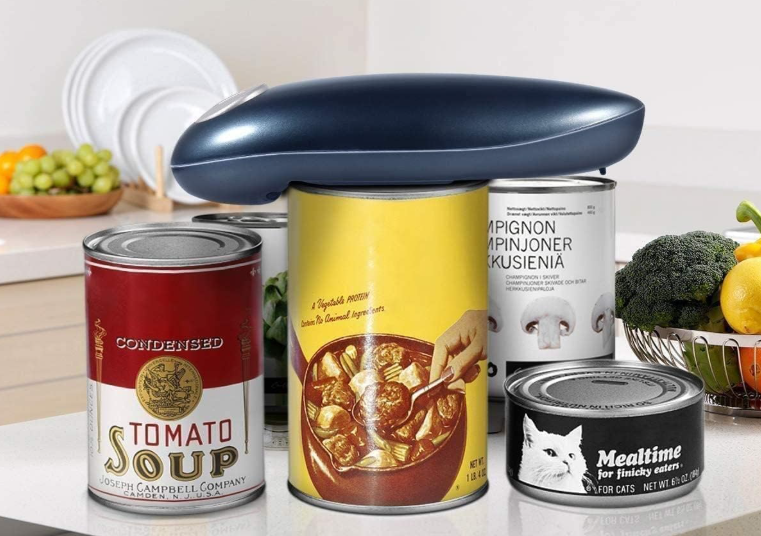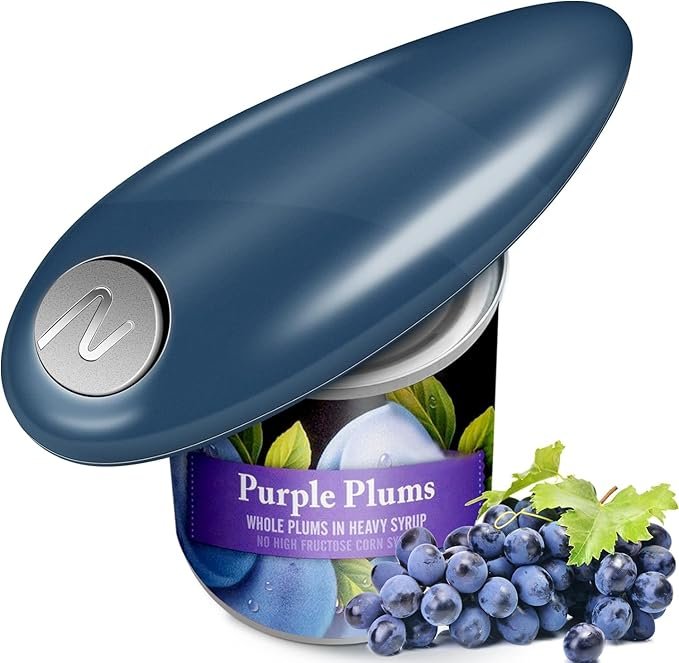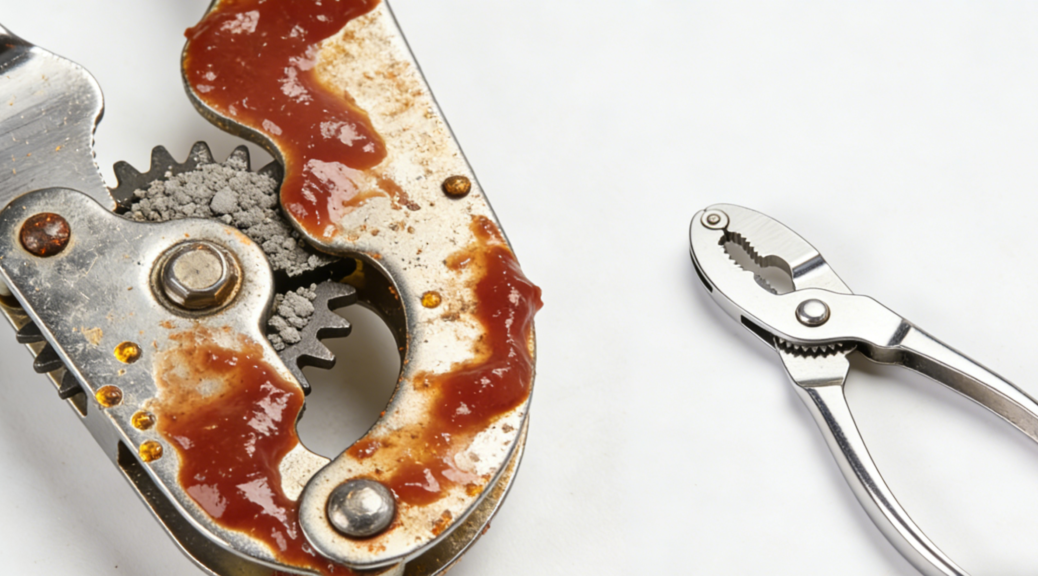
When you’re prepping a quick weeknight meal—whether it’s canned beans for chili, tuna for a sandwich, or broth for soup—your can opener is likely the last kitchen tool you think about cleaning. But this hardworking gadget harbors more grime than you’d expect, and a dirty can opener can silently ruin your food or even make you sick. Below are 5 surprising ways can openers get dirty, plus simple can opener cleaning tips to keep this essential tool sanitary for your next meal.
- Canned Food Residue Build-Up (The #1 Culprit)
Every time you pierce a can, tiny bits of food—think tomato sauce, tuna oil, bean juice, or starchy corn particles—stick to the opener’s blade and gears. Unlike plates or spoons that get washed right after use, can openers often get tossed back into a drawer while this residue is still wet. Over time, it dries into a sticky film that traps dust and bacteria, turning your go-to tool into a hidden germ hotspot. Even “dry” canned goods leave behind particles that accumulate, making regular can opener cleaning non-negotiable.
- Rust and Metal Shavings
Many budget can openers are made with low-grade steel that’s prone to rust, especially if you rinse them and leave them to air-dry without wiping. Rust flakes can mix with your next batch of canned food, posing a health risk, while even stainless steel models aren’t immune: friction from cutting creates micro metal shavings that cling to the tool’s surface. These shavings are invisible to the naked eye but can contaminate your meals—another reason why thorough can … Read the rest