Are Safety Can Openers Good for Daily Use?
Opening a can shouldn’t feel like a workout or a safety hazard. For many, especially seniors or those with conditions like arthritis, the simple act of using a traditional can opener can be a source of frustration, pain, or even anxiety. The sharp edges, the required grip strength, and the awkward twisting motion can turn a basic kitchen task into a daunting challenge. This is where the modern safety can opener steps in, promising a gentler, more secure experience. But does this specialized tool truly hold up to the demands of daily cooking, or is it just a niche gadget? Let’s explore how these innovative openers are designed not just for safety, but for restoring confidence and independence in the kitchen.
What Makes a Can Opener “Safe” and Senior-Friendly?
The core philosophy behind a safety can opener is to eliminate the risks and physical strain associated with conventional models. This isn’t about adding a rubber grip; it’s a complete redesign focused on accessibility.
Key Safety and Ease-of-Use Features:
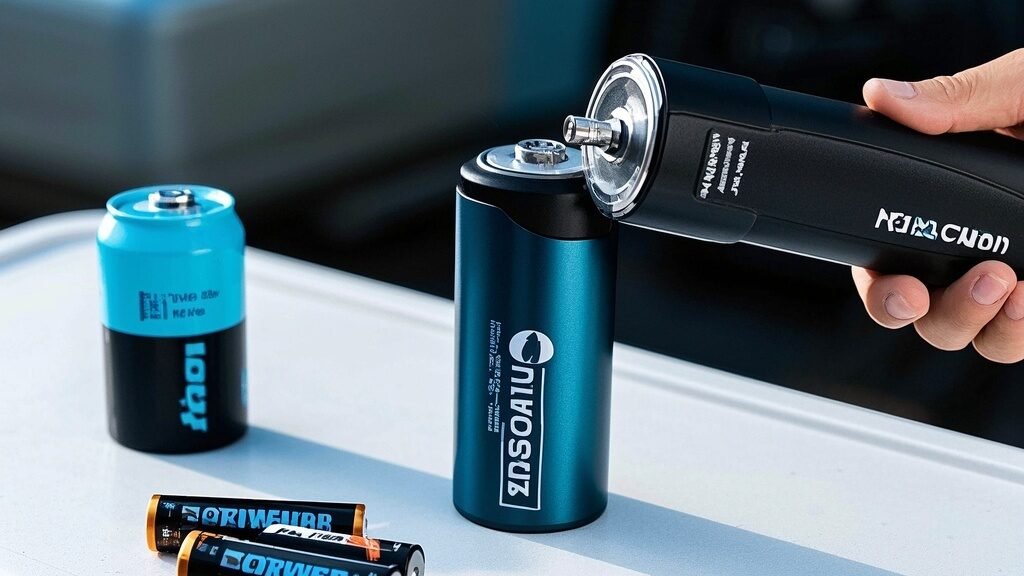
A true can opener for seniors or those with weak hands incorporates several critical design elements. First, it leaves a smooth, blunt edge on the can, completely removing the sharp, jagged lid that can cause cuts. Second, the operation is often powered by a large, easy-to-turn knob or a simple push-button mechanism, drastically reducing the grip strength and wrist torque needed. Many models are electric or battery-operated, requiring only the press of a lever. Third, they feature large, ergonomic handles that are comfortable to hold, even for arthritic hands. Finally, stability is key; a wide, non-slip base keeps the opener firmly in place on the counter, so the user doesn’t have to hold it down forcefully.
These features collectively transform the task. Instead of wrestling with a can, the user places it, activates the opener, and retrieves the contents safely. This thoughtful engineering directly addresses the pain points of limited hand mobility, making kitchen work less intimidating.
Evaluating Performance for Everyday Kitchen Tasks
For a tool to be good for daily use, it must be reliable, efficient, and easy to clean. In our testing of various safety-focused models, we’ve found that the best ones excel in these practical areas.
Performance and Real-World Use
High-quality safety can openers handle standard steel cans with consistent ease. The motor in electric models is typically strong enough to pierce the lid and travel smoothly around the rim without stalling. The process is hands-off and quiet. For manual safety models, the gearing is designed to provide significant mechanical advantage, making each turn of the knob feel effortless compared to a traditional opener. The result is a perfectly opened can with a lid that lifts off cleanly, often magnetically attached to the opener for disposal.
Maintenance and Durability
Durability is a common concern. While the cutting mechanism on safety openers (which often rolls the seam instead of cutting) can be more complex, reputable brands build them to last for years of regular use. Cleaning is straightforward: most cutting heads are detachable and dishwasher safe. The key is to rinse or wipe the roller mechanism after opening messy cans like tomatoes to prevent food buildup, which is a good practice for any can opener.
Practical Tips and Choosing the Right Model
Selecting the perfect opener involves matching specific needs with the right product features. Here are some considerations and recommendations.
Safety Considerations and User Tips
Even with a safety opener, good practices are essential. Always ensure the can and opener are on a stable, flat surface. For electric models, keep cords away from the edge of the counter. Teach users to always check that the can is fully disengaged before lifting it. For individuals with very limited dexterity, look for models with extra-large activation buttons or levers.
Product Recommendations for Different Needs
For maximum ease and minimal effort, a one-touch electric can opener is the top choice. Models from brands like Hamilton Beach or Cuisinart offer hands-free operation, automatic magnet lid removal, and a sleek design. For those who prefer manual control or want to avoid cords, a side-cutting manual safety opener (like the popular OXO Good Grips model) is excellent. Its large, soft knob and smooth edge mechanism require very little force. For users with extremely weak grip strength, investigate openers with a large, paddle-shaped lever that can be operated with a palm press or forearm.
Beyond Opening Cans: Supporting Kitchen Independence
A reliable safety can opener is often a gateway tool. It reduces the fear of injury and the frustration of being unable to perform a simple task, thereby encouraging greater independence. This confidence can extend to other adaptive kitchen tools, like jar openers, easy-grip utensils, and lightweight pots. The goal is to create a kitchen environment that supports ability, not highlights limitation.
Who Should Consider a Safety Can Opener? Anyone for whom a traditional can opener causes discomfort, anxiety, or difficulty—particularly seniors, individuals with arthritis, hand weakness, or limited mobility. It’s a practical, daily-use tool that delivers on its promise of safety, ease, and pain-free operation. Find the perfect can opener to reclaim your kitchen confidence below!
Related Guides:
- Best Rated Can Openers 2026 (All Categories)
- Best Can Opener for Seniors with Weak Grip (2026 Top Picks)
- Best Can Opener for Arthritis Patients (2026 Pain-Free Picks)
- Best Can Opener for Stroke Survivors (2026 Easy-Use Picks)
- Best Electric Can Opener (2026 Top-Rated Automatic Models)
- Best Hands-Free Can Opener (2026 No-Grip Effort Models)
- Best Manual Can Opener (2026 Ergonomic Low-Effort Models)
- Best Sharp-Edge-Free Can Opener (2026 Safe No-Cut Models)