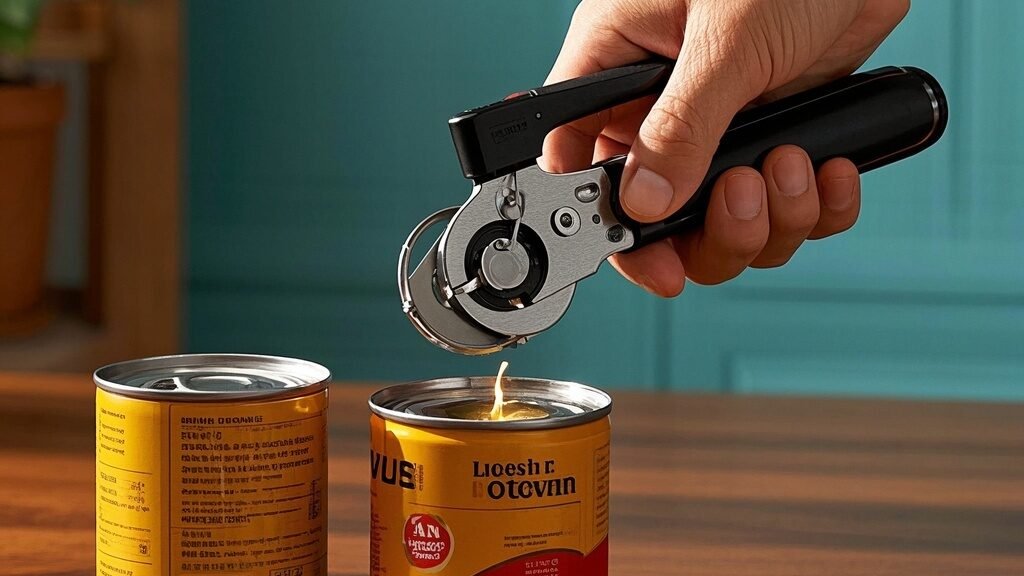
Are Safety Can Openers Suitable for Aging Hands?
Opening a simple can of soup shouldn’t feel like a battle, but for many seniors, it often does. Arthritic hands, weakened grip strength, and reduced dexterity can transform a basic kitchen task into a source of frustration and even pain. The familiar struggle with a manual opener—the twisting, the pressure, the sharp edges—can chip away at the confidence and independence that are so vital for well-being. This is where the modern safety can opener steps in, not just as a tool, but as a thoughtful solution designed specifically for aging hands and those with limited mobility.
Understanding the Challenges: Why Standard Openers Fail Seniors
To appreciate the value of a specialized opener, it’s important to recognize the specific hurdles faced by older adults. Traditional manual can openers require significant grip strength to clamp onto the lid and sustained rotational force to turn the key. For someone with arthritis, this motion can be excruciating. Tremors or reduced fine motor control make it difficult to align the cutter wheel precisely, leading to slips and potential contact with the dangerously sharp lid.
Key Pain Points for Seniors: The primary issues include the need for forceful pinching and twisting, handling jagged metal lids, and maintaining stability during the operation. These challenges don’t just make cooking harder; they can lead to reliance on others for a simple task, impacting a person’s sense of autonomy in their own kitchen.
Features That Make a Can Opener “Senior-Friendly”
Not all openers marketed as “easy” are created equal. A truly senior-safe model addresses the core physical challenges head-on. The hallmark of a good can opener for weak hands is its emphasis on leverage and stability over brute force.
Ergonomic Design and Power Assistance: Look for large, soft-grip handles that distribute pressure across the palm rather than concentrating it on the fingers. Electric or battery-powered openers are often the best choice, as they do all the work with the press of a single, large button. They eliminate twisting entirely. For manual options, side-mounted or under-the-cabinet openers that use a large turning knob provide superior leverage.
Safety-First Operation: The most critical feature is a mechanism that creates a smooth, safe edge. Many safety models are designed to open the can from the side, leaving a perfectly smooth rim and a lid that can be lifted off without sharp edges. This virtually eliminates the risk of cuts. Automatic magnet lid lifters are another excellent feature, retrieving the lid so fingers never have to touch it.
Practical Tips for Choosing and Using a Safety Can Opener
Selecting the right model involves considering the individual’s specific abilities and kitchen setup. For those with very limited hand strength or severe arthritis, a plug-in electric opener is usually the top recommendation. It requires minimal dexterity—just placement and a button press. Battery-operated models offer portability but require battery changes.
Setup and Maintenance for Success: Ensure the opener can be securely mounted or placed on a non-slip mat. Keep the cutting wheel clean and free of food debris to maintain smooth operation. Always test a new opener with supervision to build confidence. It’s also wise to have a backup manual safety opener in case of a power outage.
Top Considerations and Product Direction
While safety can openers for elderly users are transformative, it’s important to have realistic expectations. Electric models require an outlet and counter space. Some side-cutting models may not open all can sizes or shapes (like oval cans for tuna). The initial cost is higher than a basic opener, but the investment in safety and independence is invaluable.
When researching, focus on brands known for reliability and clear customer service. Read reviews from other seniors or caregivers. Key products to look into include one-touch electric openers, ergonomic manual lever models, and sturdy under-cabinet mounted openers. The best choice is the one that feels comfortable and secure for the individual to use consistently.
Beyond the Can Opener: Fostering Kitchen Independence
A good can opener is a cornerstone of an accessible kitchen. Pair it with other adaptive tools like jar openers, rocker knives, and easy-grip utensils to create a cooking environment that empowers rather than hinders. Encouraging the use of these tools helps maintain nutritional health by making meal preparation less daunting.
Safety extends beyond the tool itself. Always check expiration dates on canned goods. Ensure the senior user understands how to operate and clean their new opener properly. This holistic approach turns a single purchase into a meaningful step toward sustained self-reliance.
Who Should Consider a Safety Can Opener? These openers are ideal for seniors experiencing hand pain, arthritis, tremors, or general weakness. They are equally suitable for anyone with limited mobility or grip strength who values safety and ease in the kitchen. By removing a common barrier, a safety can opener does more than open cans—it helps open the door to continued confidence and independence at home. Find the perfect can opener for your needs below!
Related Guides:
- Best Rated Can Openers 2026 (All Categories)
- Best Can Opener for Seniors with Weak Grip (2026 Top Picks)
- Best Can Opener for Arthritis Patients (2026 Pain-Free Picks)
- Best Can Opener for Stroke Survivors (2026 Easy-Use Picks)
- Best Electric Can Opener (2026 Top-Rated Automatic Models)
- Best Hands-Free Can Opener (2026 No-Grip Effort Models)
- Best Manual Can Opener (2026 Ergonomic Low-Effort Models)
- Best Sharp-Edge-Free Can Opener (2026 Safe No-Cut Models)