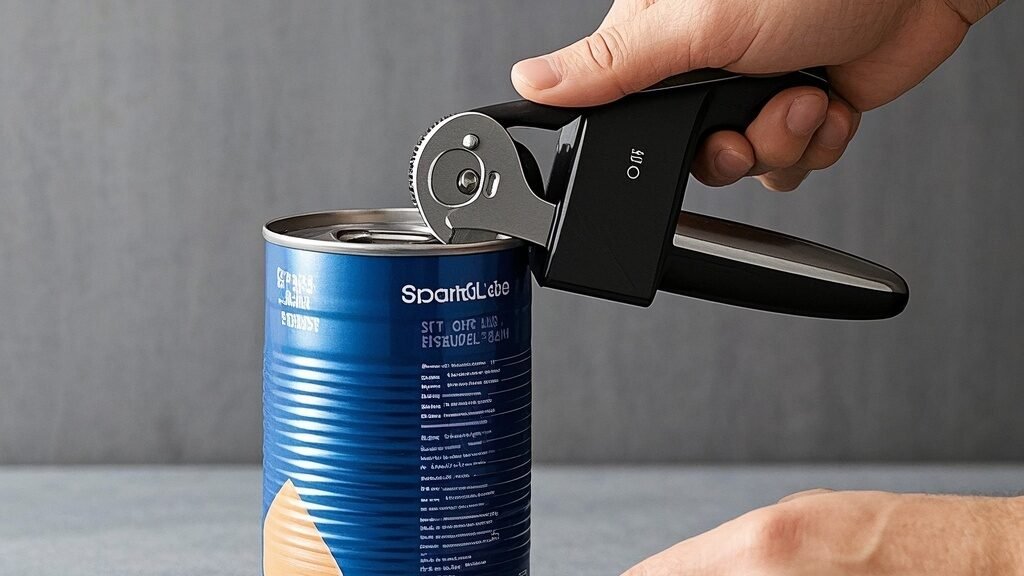
Can Safety Can Openers Help People with Disabilities?
Opening a simple can of soup shouldn’t feel like a feat of strength or a test of dexterity. For millions of individuals managing arthritis, limited hand strength, or mobility challenges, the kitchen can present daily obstacles. The traditional can opener, with its sharp edges and demanding grip-and-twist motion, often becomes a source of frustration or even a safety hazard. This is where the specialized design of a safety can opener steps in, transforming a mundane task into an accessible one. Far from being just a kitchen gadget, these tools are engineered to restore confidence and independence, empowering users to prepare meals safely and without pain.
Understanding the Need: Beyond the Standard Opener
Standard manual can openers require significant grip strength, precise wrist rotation, and the ability to apply steady pressure. For someone with arthritis in their hands or wrists, this action can be painful or impossible. Similarly, individuals with conditions like Parkinson’s disease, stroke recovery, or general age-related weakness may lack the coordination or strength needed. A can opener for seniors or those with disabilities addresses these specific challenges head-on. The core philosophy shifts from user adaptation to tool adaptation, designing the device to do the hard work.
Key Design Differences: Unlike their traditional counterparts, safety-focused openers often feature large, ergonomic handles that distribute pressure across the palm, not just the fingers. They utilize leverage systems or powerful motors to minimize the force required. Most critically, they are designed to leave a smooth, safe lid edge, completely eliminating the risk of sharp, jagged metal—a common source of cuts.
Essential Features for Accessibility and Ease of Use
When evaluating can openers for weak hands, certain features are non-negotiable. These elements work in concert to create a pain-free and secure user experience.
Ergonomic Handles and Grips: Look for openers with large, soft-grip handles that are easy to grasp without pinching. Contoured shapes that fit naturally in the palm reduce strain on joints. For electric models, a large, easy-to-press button is preferable to small switches.
Leverage and Mechanical Advantage: Many manual safety openers use a side-cutting mechanism or a long lever arm. This design allows the user to apply force with their arm or body weight rather than relying solely on hand and wrist strength, making the cutting process remarkably smooth.
Automatic Operation and Hands-Free Design: Electric or automatic safety can openers offer the highest level of accessibility. Simply attach the opener to the can, press a button, and it does the rest, magnetically lifting the lid away. This is ideal for individuals with very limited hand mobility or strength, as it requires almost no effort or dexterity.
Smooth-Edge Cutting Technology: This is the paramount safety feature. These openers cut the seal from the side of the can, leaving a perfectly smooth rim. There are no sharp edges to handle, dramatically reducing the risk of lacerations—a crucial benefit for anyone with reduced sensation or slower reflexes.
Practical Tips and Safety Considerations for Elderly Users
Choosing the right tool is the first step; using it safely and effectively is the next. Here are practical tips for integrating a safety can opener into a kitchen routine.
Product Placement and Stability: Ensure the can opener is used on a stable, non-slip surface. For electric models, keep the cord tidy and out of walkways to prevent tripping. If the user is seated while cooking, place the opener and can on a secure table at a comfortable height.
Maintenance and Hygiene: Keep the cutting wheel clean and free of food debris to ensure smooth operation and prevent bacterial growth. Most safety openers have parts that are detachable and dishwasher safe, according to manufacturer instructions. A clean tool is a safe and effective tool.
Combining with Other Adaptive Tools: Independence is often built with a suite of tools. Pair a safety can opener with jar openers, easy-grip utensils, and non-slip mats. This ecosystem of adaptive kitchenware can make meal prep a more enjoyable and autonomous activity.
Practice and Patience: Allow time to get familiar with the new opener. Its motion might feel different at first. Practice on an empty can to build confidence with the mechanism before relying on it for daily meals.
Product Recommendations and Finding the Right Fit
The market offers several excellent options tailored to different needs and preferences. Here are a few highly-regarded types.
Top-Performing Electric/Safety-Edge Openers: Brands like Hamilton Beach and Cuisinart make popular automatic openers that feature smooth-edge cutting and magnetic lid removal. They are typically the easiest to use for those with significant strength or dexterity limitations. In our testing, their one-touch operation is consistently reliable.
Lever-Style Manual Openers: The OXO Good Grips Smooth Edge Can Opener is a standout manual option. It uses a large, soft lever that requires minimal grip strength and produces a safe, smooth edge. It’s a fantastic choice for those who prefer a manual tool but need ergonomic support.
Side-Cutting Manual Openers: These openers, like those from Kuhn Rikon or Zyliss, clamp onto the side of the can and use a turning knob. They provide great leverage and also leave a safe edge. They are particularly good for users who have one stronger hand, as the device remains stable on the can.
The best choice depends on the individual’s specific abilities, kitchen setup, and personal comfort with electric versus manual devices.
Who Should Consider a Safety Can Opener?
If opening cans causes pain, anxiety, or requires assistance, a safety can opener is more than a convenience—it’s a tool for reclaiming kitchen independence. It is an essential aid for seniors, individuals with arthritis, carpal tunnel syndrome, limited hand strength, or mobility impairments. By prioritizing safety, ergonomics, and ease of use, these innovative devices turn a challenging task into a simple, secure part of the cooking process. Find the perfect can opener to support your independence and safety in the kitchen below!
Related Guides:
- Best Rated Can Openers 2026 (All Categories)
- Best Can Opener for Seniors with Weak Grip (2026 Top Picks)
- Best Can Opener for Arthritis Patients (2026 Pain-Free Picks)
- Best Can Opener for Stroke Survivors (2026 Easy-Use Picks)
- Best Electric Can Opener (2026 Top-Rated Automatic Models)
- Best Hands-Free Can Opener (2026 No-Grip Effort Models)
- Best Manual Can Opener (2026 Ergonomic Low-Effort Models)
- Best Sharp-Edge-Free Can Opener (2026 Safe No-Cut Models)