Can Safety Can Openers Replace Traditional Can Openers?
Opening a can should be a simple task, not a source of frustration or a potential hazard. Yet, for many, especially seniors or those with arthritis, weak grip strength, or limited hand mobility, the traditional manual can opener can feel like an impossible puzzle. The struggle with slippery handles, the sharp edges of the lid, and the sheer force required can turn a basic kitchen chore into a daunting challenge. This is where the safety can opener steps in, not just as an alternative, but as a reimagined tool designed for accessibility and peace of mind. It promises not only to open cans but to restore a sense of independence and confidence in the kitchen.
Understanding Safety Can Openers: More Than Just a Gadget
At their core, safety can openers are engineered to address the specific pain points of traditional models. They prioritize user safety and require minimal physical effort. Unlike standard openers that leave a jagged, sharp-edged lid, most safety models are designed to cut the lid from the side of the can, leaving a smooth, safe rim. The lid itself is often lifted off completely, eliminating any risk of cuts from handling it.
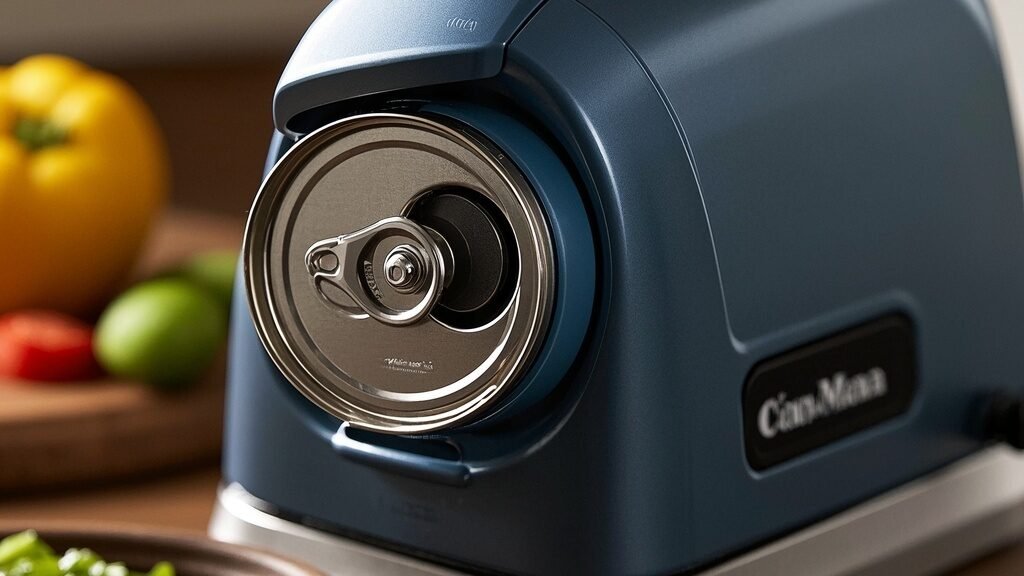
Key Design Differences: The most common type is the side-cutting or under-the-rim opener. It uses a rolling mechanism to cleanly sever the lid from the can’s sidewall. Another popular variant is the electric safety can opener, which automates the entire process with the push of a button. Both types share a common goal: to keep the user’s hands away from sharp metal and to reduce the need for grip strength and wrist torque.
Independence and Dignity: For seniors, the value of a can opener for weak hands extends far beyond convenience. It’s about maintaining autonomy. Being able to prepare a simple meal without assistance is a crucial aspect of living independently. A tool that mitigates pain and fear in the kitchen directly contributes to a person’s quality of life and self-sufficiency.
Essential Features for Seniors and Users with Limited Mobility
When choosing a can opener for someone with arthritis or limited hand strength, specific features make a significant difference. It’s not just about opening the can; it’s about doing so comfortably, safely, and reliably every single time.
Ergonomic and Pain-Free Operation: Look for large, soft-grip handles that are easy to grasp without pinching. Leverage is key; openers with long handles or a geared mechanism multiply the user’s input force, requiring less effort to turn. Electric models are often the ultimate solution for pain-free operation, as they remove the turning motion altogether. Some manual models also feature a crank that can be turned with a full-palm motion rather than a finger grip.
Safety First Design: The primary safety feature is the smooth-edge cutting mechanism. A magnetic lid lifter is another excellent feature, as it automatically holds the detached lid, so the user never has to touch it. For electric models, automatic shut-off and strong, stable bases that prevent the can from spinning are crucial for safe, hands-free operation.
Ease of Use and Maintenance: The opener should be simple to align and lock onto the can. Clear, intuitive controls are essential. It should also be easy to clean; many safety openers have few nooks for food debris to get stuck, and some even have detachable, dishwasher-safe parts.
Practical Tips and Safety Considerations for Elderly Users
Integrating a new kitchen tool comes with a learning curve. Here are some practical tips to ensure a safe and positive experience with a safety can opener.
Choosing the Right Model: Consider the user’s specific needs. For severe arthritis or very weak hands, an electric can opener is often the best recommendation. For those who prefer manual tools or have limited counter space, a high-leverage, side-cutting manual opener is ideal. Always check the weight and stability of the unit; a heavy base is good for electric models, while a lightweight manual one might be easier for someone with limited strength to retrieve from a drawer.
Safe Usage Practices: Even with a safety opener, it’s wise to supervise the first few uses. Ensure the can is placed securely and the opener is properly engaged before starting. For electric models, keep fingers and loose clothing away from the cutting mechanism. Always unplug electric openers after use. Regularly inspect the cutting wheel for dullness or debris, as a dull blade can slip and require more force.
Maintaining Independence: Place the can opener in an easily accessible location, not tucked away in a deep cabinet. Pairing it with other adaptive tools, like jar openers and easy-grip utensils, can create a more universally accessible kitchen environment that supports continued independence.
Who Should Consider a Safety Can Opener?
The short answer is: almost anyone who finds a traditional opener challenging or unsafe. They are an indispensable tool for seniors, individuals with arthritis, carpal tunnel syndrome, Parkinson’s disease, or anyone recovering from hand or wrist surgery. But their benefits extend further—they are a smarter, safer choice for any household looking to prevent kitchen accidents. By eliminating sharp edges and reducing physical strain, safety can openers don’t just replace the traditional model; they represent a meaningful upgrade in kitchen safety and accessibility. Find the perfect can opener for your needs or the needs of a loved one below!
Related Guides:
- Best Rated Can Openers 2026 (All Categories)
- Best Can Opener for Seniors with Weak Grip (2026 Top Picks)
- Best Can Opener for Arthritis Patients (2026 Pain-Free Picks)
- Best Can Opener for Stroke Survivors (2026 Easy-Use Picks)
- Best Electric Can Opener (2026 Top-Rated Automatic Models)
- Best Hands-Free Can Opener (2026 No-Grip Effort Models)
- Best Manual Can Opener (2026 Ergonomic Low-Effort Models)
- Best Sharp-Edge-Free Can Opener (2026 Safe No-Cut Models)